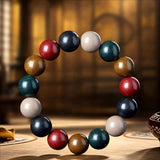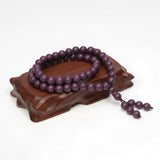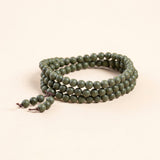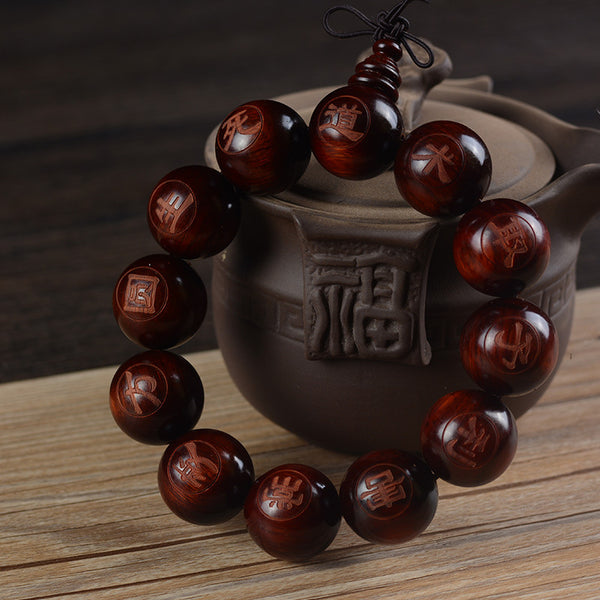
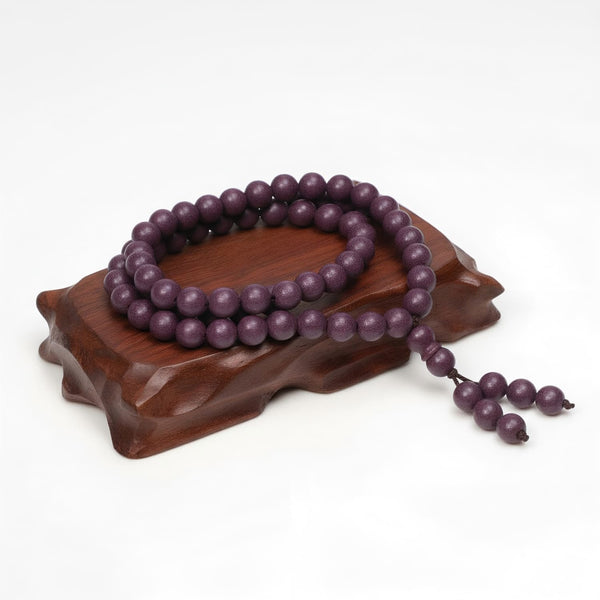


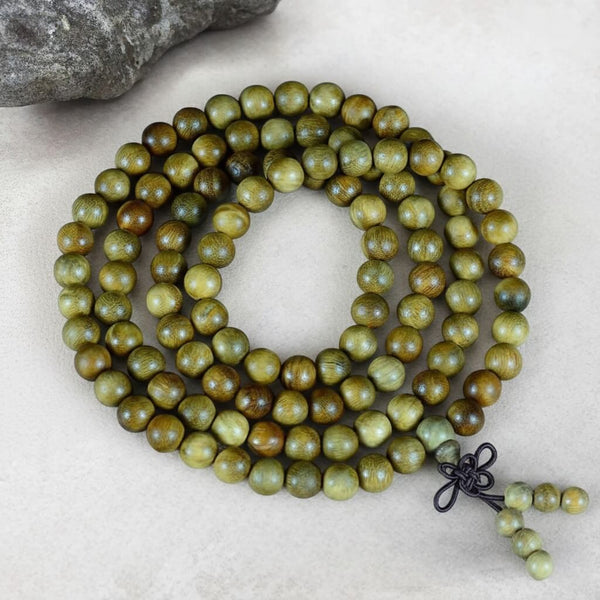
Short answer: Good bracelet etiquette in meetings means checking fit, fragrance policy, bead noise, table and device contact, handshakes, food and drinks, shared-space comfort, and a secure removal place. The bracelet should not distract, interfere, or create avoidable exposure. It does not make the wearer more confident or persuasive.
Use the Bracelet Care and Materials Guide. Employer, venue, safety, hygiene, and accessibility rules take priority.

Bracelet Etiquette in Meetings
- Fit: prevent pinching, sliding, and interference with cuffs or watches.
- Scent: follow fragrance-free rules and shared-room preferences.
- Sound: prevent beads from clicking on tables, devices, or each other.
- Technology: keep jewelry away from keyboards, touchscreens, cables, and room controls.
- Introductions: confirm it does not slide into the hand during greetings or material handling.
- Food and drinks: remove before serving, pouring, washing, or spill response.
- Equipment and policy: remove it when work rules or tasks require.
- Storage: use one clean dry pouch rather than a shared table or pocket with keys.
Check Scent before Entering the Room
A scented bracelet can be noticeable in a small room. Ask about policy, respect feedback, and remove it when scent is restricted or unwelcome. Do not add perfume or essential oil before a meeting.
Scent does not improve trust, focus, calm, leadership, memory, or negotiation. Kenlina does not make those claims.
Prevent Table and Device Noise
Test note-taking, laptop use, document handling, and ordinary gestures. If beads strike the table, wrist rest, watch, or device, remove the bracelet. Do not hold the wrist unnaturally for the entire meeting.
The microphone noise guide applies when the meeting is recorded.

Keep Jewelry out of Shared Materials
Do not place the bracelet on shared documents, samples, food, presentation controls, name cards, or communal supplies. Remove before handling anything where loose jewelry could contaminate, catch, scratch, or interfere.
Follow stricter rules in healthcare, laboratories, food service, childcare, manufacturing, and equipment settings.
Plan for Drinks, Meals, and Handwashing
Remove before pouring, serving, washing cups, cleaning spills, or applying sanitizer. Store it away from condensation, wet cloths, cleaning spray, and food. Wait until hands and wrist are dry before handling it again.
Do not leave it on the table while going to the restroom or buffet. Use the designated pouch.
Adjust the Decision to the Meeting Format
For a short one-to-one conversation, check whether the bracelet stays clear of greetings, documents, and the table. For a long working session, consider repeated keyboard use, whiteboard work, shared samples, catering, and breaks. For a recorded or hybrid meeting, add the microphone and cable checks described in the dedicated audio guide.
A site tour, laboratory review, kitchen visit, factory meeting, clinical appointment, or hands-on workshop may require removal even when the conference room did not. Reassess when the activity changes rather than treating one morning decision as permission for the entire day.
Handle Questions without Making Product Claims
If a colleague asks about the bracelet, describe only facts shown on the current product page and your own personal reason for wearing it. Do not present scent, bead count, color, or a cultural label as proof of health effects, emotional control, authority, religious identity, luck, or professional ability.
Keep the answer brief when the meeting has another purpose. A shared-space conversation is not the place to pressure someone to smell, touch, try on, or purchase personal jewelry.
Use a Clear Removal Trigger
Decide before the meeting that the bracelet will be stored if it becomes noisy, catches, presses, slides into the hand, contacts a device, conflicts with fragrance expectations, or needs repeated adjustment. A clear trigger avoids handling the beads throughout the discussion.
After removal, do not pass the bracelet around the room. Keep it in the owner's dry pouch and inspect it later in a controlled place. If the strand looks damaged, leave it stored until it can be assessed.
Respect the Meeting instead of Using the Bracelet as a Tool
Do not count, roll, stretch, tap, or repeatedly handle beads during discussion. The movement can distract others and strain the strand. A personal reminder should remain private and should not replace preparation, listening, accessibility support, or professional care.
A bracelet does not prove confidence, competence, sincerity, authority, or emotional control. Meaning belongs to the wearer; professional judgments require actual conduct and evidence.
Prepare, Remove, and Inspect
The conference packing checklist covers larger events. Keep a dry pouch available and inspect after any pull, impact, spill, or removal.
Use How to Choose an Incense Bracelet and compare the Natural Herbal Incense Bracelets collection.
The Aged Tangerine Peel Citrus bracelet is one exact example. For gifts, use the Mindful Jewelry Gift Guide.
Frequently Asked Questions
Q1: Can I wear a bead bracelet in a meeting?
A: Yes when policy, fit, scent, sound, technology, and the meeting activity make it appropriate.
Q2: What if the beads click on the table?
A: Remove and store the bracelet rather than changing posture or adding a coating.
Q3: Can I handle beads while listening?
A: Avoid repeated counting, rolling, stretching, or tapping that distracts others or strains the strand.
Q4: Does a bracelet make me more confident?
A: Kenlina does not make that claim. It is jewelry, not confidence or anxiety treatment.
Q5: Where should I store it?
A: Use a clean dry pouch in a controlled personal place away from drinks, devices, keys, and shared materials.