


Intro

This gentle Kenlina guide explores nine compassionate, nervous-system–based strategies to stop people pleasing. Learn how to set boundaries, regulate your anxiety, soothe your body, and rebuild self-worth through rituals of breath, scent, and presence - supported by Kenlina’s mission and our partnership with ADAA.

When Pleasing Others Becomes a Quiet Exhaustion
I once turned down a free hand massage at a salon because I didn’t want to “inconvenience” the stylist.
I apologized to someone who stepped on my toes.
I said yes to plans I didn’t want, tasks I couldn’t manage, and expectations I felt pressured to hold —
all because I didn’t want to make anyone uncomfortable.
If any of this feels painfully familiar, you are not alone.
People pleasing often hides beneath words like “helpful,” “kind,” or “easygoing.”
But inside, it feels like:
- exhaustion
- tightness in your chest
- resentment
- disappearing from your own life
- fear of letting others down
- losing your sense of self
People pleasing is not a personality flaw.
It is a nervous-system response — a form of the fawn response,
where your body chooses harmony over authenticity because, at some point in your past,
being agreeable felt safer than being honest.
This is not your fault.
And it is something you can gently unlearn.
Kenlina Reflection:
You do not have to disappear in order to be loved.
What is a People Pleaser? A Trauma-Informed, Gentle Explanation
A people pleaser is someone who chronically puts others’ needs above their own —
even when exhausted, overwhelmed, or quietly hurting.
People pleasers often:
- say “yes” when they desperately need to say “no”
- fear disappointing others
- avoid conflict at all costs
- apologize excessively
- struggle to express needs
- feel responsible for everyone’s emotions
- equate their worth with usefulness
This behavior is not selfishness reversed —
it is survival dressed as kindness.
Your body learned that being agreeable kept you safe.
And now you feel torn between wanting to honor yourself
and wanting to avoid rejection, conflict, or judgment.
Understanding the roots of this pattern is the first step toward reclaiming your life.
Kenlina Reflection:
You are worthy of needs. You are worthy of rest. You are worthy of your own “no.”
Why People Pleasing Happens - The Stories Beneath the Behavior
Many people pleasers grew up with:
Conditional love
You learned attention, affection, or approval came only when you were “good” or “easy.”
Avoidant family dynamics
Conflict avoidance taught you discomfort = danger.
Comparison or criticism
You tried to be perfect to prevent disappointment or judgment.
Emotional parentification
You became the caretaker because others weren’t emotionally stable.
Fear of abandonment
Your nervous system associated saying “no” with losing connection.
People pleasing is not weakness.
It is what your body did to survive.
And now, we gently teach it a new way.
9 Gentle Ways to Stop People Pleasing and Return to Yourself
Each strategy below blends nervous-system regulation with self-kindness,
because you cannot boundary your way out of people pleasing
if your body still feels unsafe to speak, to rest, or to disappoint.
Take these steps slowly.
Softly.
With compassion.
1. Identify Your Triggers With Curiosity, Not Judgment
You cannot change what you do not notice.
Begin by asking:
- Who do I struggle to say no to?
- In what situations do I shrink?
- Where do I overextend myself?
Your triggers reveal your inner wounds —
not to shame you, but to guide you.
Kenlina Ritual:
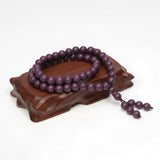
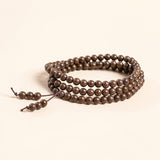
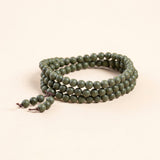
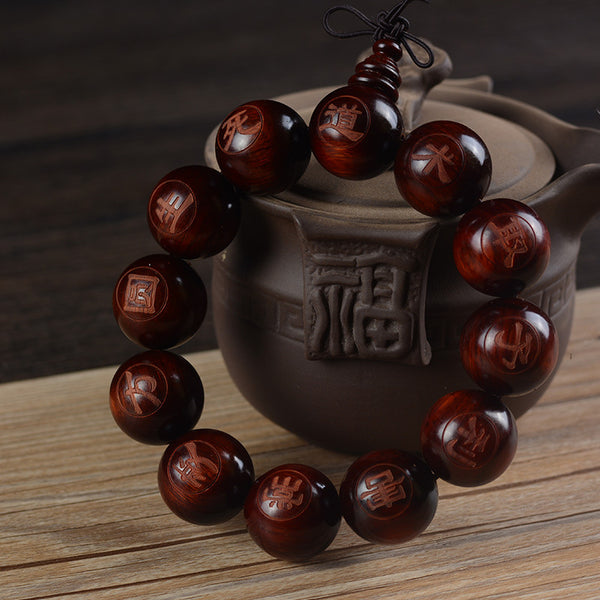
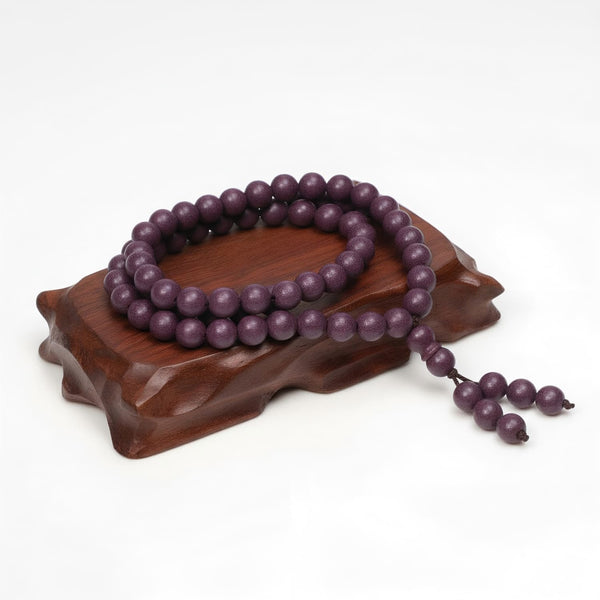
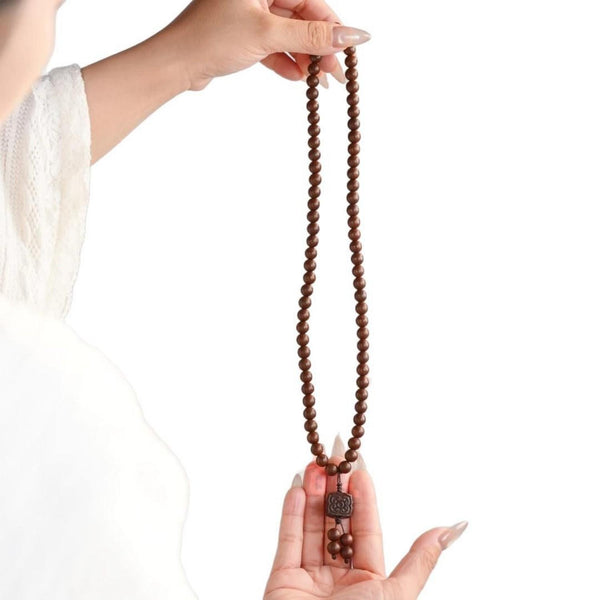
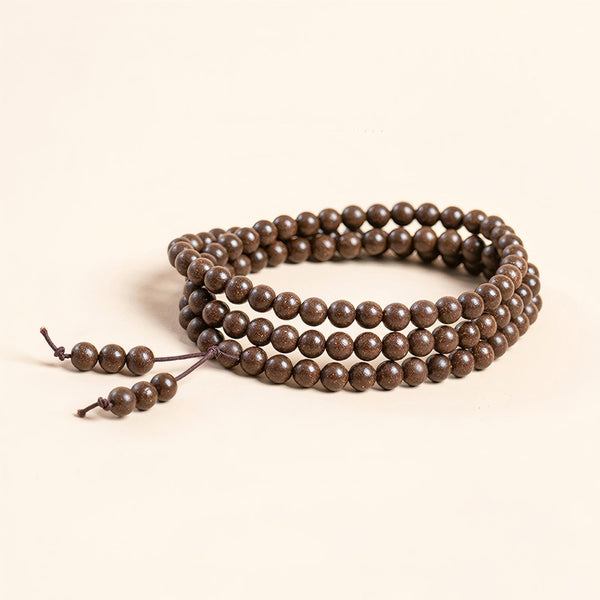
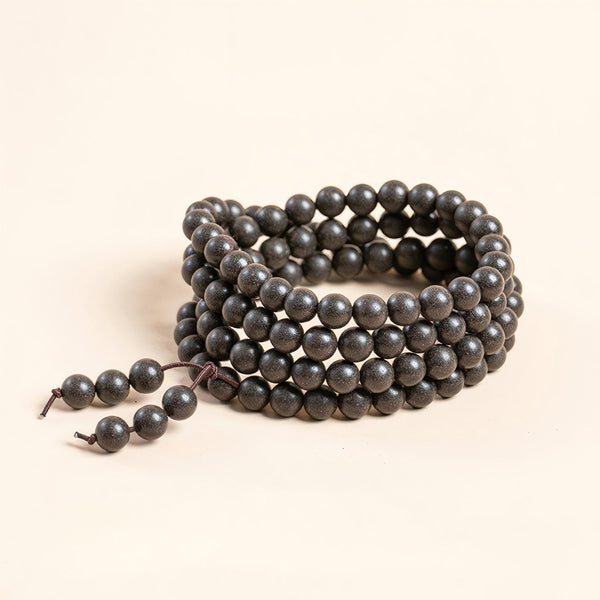
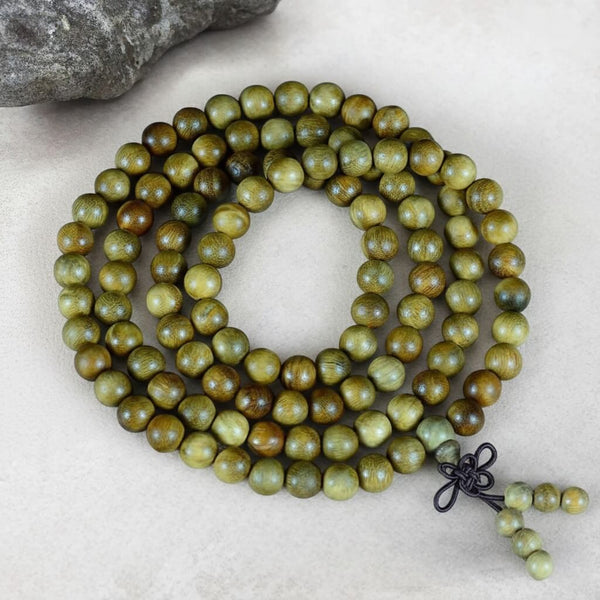
Touch your bracelet.
Inhale deeply.
Ask softly:
“What am I afraid will happen if I don’t please them?”
Reflection: Awareness is the first boundary.
2. Set Clear Boundaries - With Your Breath Supporting You
Boundaries are not walls.
They are invitations into healthy, honest connection.
Start with small, clear sentences:
- “I can’t help with that today.”
- “That doesn’t work for me.”
- “I need more time.”
- “I wish I could, but I can’t.”
You don’t need a long explanation.
Your needs are enough.
Kenlina Ritual:
Before saying “no,” exhale slowly.
Let your body feel the ground beneath your feet.
Let your voice come from calm, not panic.
Reflection:
Saying no is choosing to stay with yourself.
3. Practice Self-Awareness: What Does Your Body Say?
People pleasers often override body signals.
Your body whispers:
- tight jaw = no
- sinking stomach = no
- tiredness = no
- resentment = no
- clenched chest = no
Begin to honor these sensations.
Kenlina Ritual:
Place a hand on your chest or abdomen.
Ask:
“Does this feel like obligation… or truth?”
Reflection:
Your body speaks in whispers. Listen gently.
4. Learn to Accept Discomfort Without Abandoning Yourself
Saying no will feel uncomfortable at first.
Your body expects consequences that no longer apply.
Discomfort is not danger — it is healing in progress.
Let the discomfort wash through you
without running back to old patterns.
Kenlina Ritual:
Breathe out longer than you breathe in.
Lengthened exhale signals your nervous system:
“We are safe.”
Reflection:
Discomfort is the doorway to authenticity.
5. Prioritize Self-Care Without Guilt
People pleasers treat everyone else as important…
and themselves as optional.
But you cannot pour from an empty heart.
Schedule rest like an appointment.
Honor your needs like promises.
Treat yourself with the same devotion you give others.
Kenlina Ritual:
Light a calming incense.
Sit for 1 minute with your warm tea.
Let your breath slow.
Reflection:
Rest is not selfish — it is sacred.
6. Seek Support From Those Who Respect Your Boundaries
Isolation strengthens the people-pleasing cycle.
Connection breaks it.
Find people who:
- empower your boundaries
- celebrate your “no”
- encourage your truth
- don’t demand emotional labor
A therapist or coach can help unlearn old survival patterns.
Supportive friendships reinforce new ones.
Reflection:
Healing happens faster when someone holds space for you.
7. Practice Self-Compassion - The Antidote to Pleasing
People pleasers harshly criticize themselves:
“I should do more.”
“I shouldn’t upset anyone.”
“I’m such a bad friend.”
Replace self-judgment with warmth:
- “I did my best.”
- “I’m allowed to rest.”
- “My needs matter too.”
Self-compassion rewrites your deepest narrative.
Kenlina Ritual:
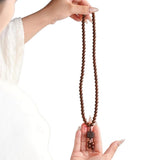
Hold your bracelet bead between your fingers.
Whisper one kind sentence to yourself.
Reflection:
You deserve the softness you give so freely to others.
8. Practice Gentle Assertiveness
Assertiveness is not aggression.
It is clarity with compassion.
It sounds like:
- “I feel…”
- “I need…”
- “I prefer…”
- “That won’t work for me.”
Assertiveness honors both you and the other person.
Kenlina Ritual:
Before expressing a need, take a grounding breath,
feel your feet, and speak slowly.
Reflection:
Your voice is allowed to take up space.
9. Reflect and Adjust - Celebrate Progress, Gently
People pleasing is not undone overnight.
It softens layer by layer.
Every time you say no,
every time you rest,
every time you choose yourself —
your nervous system learns:
“It is safe to be me.”
Kenlina Ritual:
Each week, light a calming scent and journal:
- What boundary did I honor?
- What discomfort did I survive?
- What progress can I celebrate?
Reflection:
Every small act of self-honoring is a revolution.
You’re Not Just Breaking a Habit — You’re Breaking a Pattern of Survival
People pleasing isn’t about manners.
It is about safety, belonging, and old emotional blueprints.
But you are allowed to rewrite the script.
You are allowed to return to yourself.
You are allowed to rest inside your own truth.
You do not need to earn love.
You do not need to earn belonging.
You do not need to earn rest.
You already deserve all of it.
Kenlina’s Promise - Because People Pleasing Often Hides Anxiety
Behind people pleasing, anxiety often lives quietly:
- fear of rejection
- fear of conflict
- fear of disappointing others
- fear of being misunderstood
- fear of not being enough
At Kenlina, we understand these invisible struggles.
We’ve lived them too.
That’s why:
1% of every purchase is donated to the Anxiety & Depression Association of America (ADAA)
Your journey toward honesty and wholeness helps someone else step out of fear, too.
Reflection:
Your healing becomes part of someone else’s hope.
Return to Yourself
People pleasing asks you to shrink.
Healing asks you to breathe.
Let today be the day you choose:
- truth over tension
- self-respect over self-sacrifice
- authenticity over approval
- rest over resentment
- quiet courage over quiet compliance
You are allowed to take up space.
You are allowed to have needs.
You are allowed to choose yourself without apology.
Tonight, place your hand on your heart.
Let your breath slow.
Say softly:
“I no longer abandon myself.”
And let that be enough.
Breathe deeper. Find stillness. Carry peace.
FAQ
Q1. What is a people-pleasing pattern?
A: It is the habit of saying yes, apologizing, or shrinking your needs to avoid disappointing others.
Q2. How can a ritual help with boundaries?
A: A ritual can create a small pause before responding, giving you time to ask what is true and sustainable.
Q3. Do boundaries have to be harsh?
A: No. Boundaries can be calm, brief, and kind while still being clear.