







Intro

Tiredness and anxiety are deeply connected. When the body is depleted, the mind becomes more fragile - and everyday stressors feel heavier. In this Kenlina guide, discover why exhaustion amplifies anxiety, and learn five common triggers that worsen symptoms. Along the way, you’ll receive gentle practices rooted in breath, scent, and mindful presence to help your nervous system soften and return to balance.

When Your Body is Exhausted, Your Inner World Becomes Louder
There are moments when anxiety feels sharper — when small worries echo like thunder, when your chest feels tight, when your thoughts accelerate faster than you can follow.
And often, these moments arise when you’re exhausted.
When you’re tired, your body loses the energy it needs to support emotional balance. The mind becomes more sensitive, the heart more reactive, and the nervous system more easily overwhelmed.
Tiredness doesn’t create anxiety from nowhere,
but it lowers your emotional resilience, making any existing anxiety feel magnified.
Kenlina Reflection:
When your body runs low, your inner world becomes louder.
Today, we explore the link between fatigue and anxiety — and uncover five common factors that quietly intensify anxious feelings. Each one is paired with a simple, grounding Kenlina ritual to bring calm back into your day.
How Exhaustion Amplifies Anxiety
A gentle look at the body-mind connection.
Anxiety is not just a mental experience.
It’s a physical state, governed by a nervous system that has learned to protect you — sometimes too intensely.
When you’re sleep-deprived or emotionally drained:
- Your brain’s emotional-regulation centers become less active
- Your tolerance for stress decreases
- Your fight-or-flight system activates more easily
- Worries feel heavier and harder to control
- Thoughts race more quickly
- The body struggles to “switch off”
This is why at the end of a tiring day — or during a period of too much stress — your anxiety might feel more frequent, more intense, or more unpredictable.
There’s a phrase many people with anxiety quietly whisper:
“I’m tired, but wired.”
It happens because when your body lacks rest, it produces extra cortisol to keep you functioning. This “false energy” creates:
- a restless mind
- a jittery body
- heightened emotional sensitivity
- greater vulnerability to anxious thoughts
Fatigue doesn’t mean you’re weak — it means your body is asking for gentler rhythms, softer moments, and deeper rest.
Kenlina Reflection:
Your nervous system is not failing — it is overwhelmed and asking for care.
Five Things That Quietly Make Anxiety Worse
And how to soothe them with scent, breath, and small rituals.
These factors aren’t dramatic, yet they deeply influence your internal landscape. Understanding them can help you treat yourself with more compassion — and make meaningful changes to support your peace.
Trigger 1: Caffeine - When Stimulation Mimics Stress
For many, caffeine is a morning ritual. But for those with anxiety, caffeine can feel like adding fuel to an already flickering fire.
Caffeine affects the nervous system by:
- increasing heart rate
- speeding breathing
- triggering adrenaline
- activating fight-or-flight
To an anxious body, this can feel identical to danger.
And when you’re tired, you might reach for more caffeine — only to intensify anxiety even further.
Kenlina Soothing Practice — “A Softer Start”
- Replace your second coffee with warm herbal tea.
- Take three slow 4–7–8 breaths.
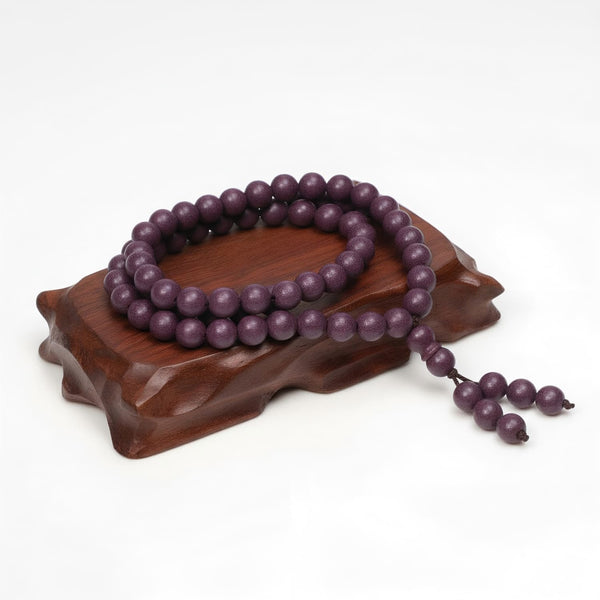
- Let the scent of your chosen incense or bracelet anchor your senses as you begin the day.
Let your breath be your awakening, not caffeine.
Trigger 2: Alcohol - A Calm That Crashes
Alcohol can feel like a shortcut to relaxation — especially after a long day. But its calming effect is a temporary illusion.
What actually happens:
- Alcohol briefly boosts serotonin → you feel relaxed
- Then serotonin drops → anxiety rebounds stronger
- Hangover symptoms mimic panic (trembling, nausea, racing heart)
This is why anxiety often feels worse the morning after drinking.
Kenlina Soothing Practice — “Evening Unwind, Gently”
- Instead of wine, sip warm water or calming herbal infusion.
- Dim the lights.
- Light a soft, grounding scent.
- Do a 1-minute body scan: invite each muscle to soften.
Choose rituals that lift you gently — not ones that drop you.
Trigger 3: Sleep Deprivation - When the Mind Loses its Cushion
Sleep and anxiety have a sensitive, intimate relationship.
- Anxiety makes it harder to sleep
- Lack of sleep makes anxiety worse
- The cycle feeds into itself
Sleep deprivation affects emotional regulation, making every worry feel sharper and every challenge feel heavier.
And yes — anxiety can also make you physically exhausted, creating:
- tired-but-wired state
- increased cortisol
- racing thoughts
- emotional fragility
Kenlina Soothing Practice — “10-Minute Night Ritual”
- Light a calming incense or diffuse a soft scent.
- Do three rounds of 4–7–8 breathing.
- Hold your bracelet and whisper three gratitudes.
- Let your exhale tell your body: “You can rest now.”
A rested body gives the mind a softer place to land.
Trigger 4: Sugar - The Rise and The Crash
Sugar creates quick highs and steep crashes. When blood sugar drops suddenly, the symptoms can resemble anxiety:
- shakiness
- rapid heartbeat
- dizziness
- irritability
Your mind may interpret these sensations as danger, triggering anxiety or even panic.
Kenlina Soothing Practice - “Steady Nourishment”
- Choose foods that keep your energy stable: nuts, whole grains, fruits, warm meals.
- Before eating, pause for three deep breaths — calming the nervous system before digestion begins.
Let your energy rise like dawn, not spike like lightning.
Trigger 5: Unhealthy Coping - When Protection Becomes Pressure
When overwhelmed, the subconscious often reaches for coping mechanisms that once protected us but now drain us:
- avoiding responsibilities
- withdrawing from loved ones
- numbing with food, shopping, or screens
- rumination
- harsh self-criticism
These are not failures — they are old survival strategies.
But over time, they intensify anxiety, creating isolation, guilt, and exhaustion.
Kenlina Soothing Practice - “Anchor and Allow”
- Place your hand over your chest or hold your bracelet.
- Say softly: “I’m safe to feel this.”
- Take three grounding breaths.
- Then ask: “What does my mind need? What does my body need?”
Self-kindness dissolves patterns that fear once built.
Why Trying to “Stop Anxiety” Makes it Worse?
Have you ever tried to force yourself to stop worrying?
It usually backfires.
Just like when you tell yourself “don’t think about a purple elephant” — your brain immediately thinks of one.
Suppressing anxiety often intensifies it.
The gentler approach is:
Notice → Allow → Soothe → Stay Present
You don’t need to approve of the feeling.
You only need to let it exist long enough for your nervous system to soften around it.
Kenlina Mini Practice — “Softening the Edges”
Whisper to yourself:
“This is uncomfortable, but it will pass.
My breath can anchor me through it.”
Gentle Ways to Restore Balance When Anxiety Feels Loud
Offer the reader a nurturing, practical checklist:
- drink warm water slowly
- step into soft lighting
- light a calming scent
- place one palm on your heart
- breathe intentionally
- stretch your neck and shoulders
- whisper one affirmation
- touch your bracelet for grounding
- walk slowly
- rest when your body asks
You don’t need to force yourself to be calm — you only need to create space for calm to return.
Kenlina’s Promise - Your Calm Helps Others Breathe Easier Too
Many people carry anxiety in silence.
Many struggle without resources or support.
This is why, at Kenlina, calm is not a personal luxury — it is a shared responsibility.
Through our commitment:
1% of every order is donated to the Anxiety and Depression Association of America (ADAA)
🌿 Plus an additional monthly contribution
Your journey toward balance supports someone else’s healing,
giving them access to programs, resources, and care.
Kenlina Reflection:
Your calm becomes part of someone else’s hope.
Your Tired Heart Deserves Gentleness
When anxiety feels heavy and your body feels tired,
you do not need more pressure.
You need softness.
You need breath.
You need rituals that slow the world down
and remind your nervous system that safety is here.
Tonight, choose one gentle act —
a breath, a scent, a moment of stillness —
and let it be enough.
Breathe deeper. Find stillness. Carry peace.
FAQ
Q1. Why can tiredness make anxiety feel louder?
A: When the body is depleted, the mind often has less capacity for uncertainty, noise, or pressure.
Q2. What is a gentle reset when I am tired and anxious?
A: Lower the input, take one slow exhale, drink water, and choose a softer next step instead of pushing harder.
Q3. When should I seek support?
A: If anxiety or exhaustion feels ongoing, intense, or disruptive, qualified care can be important.