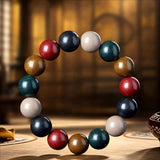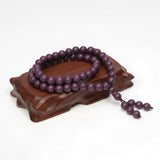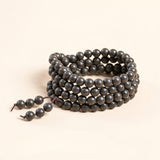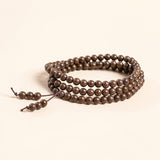

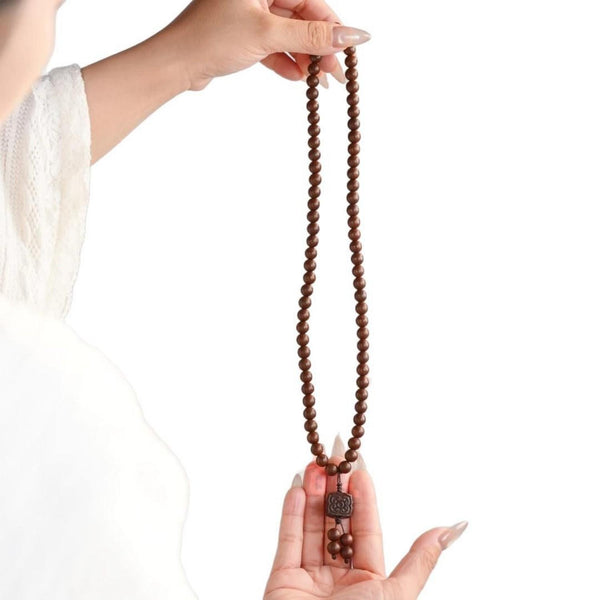

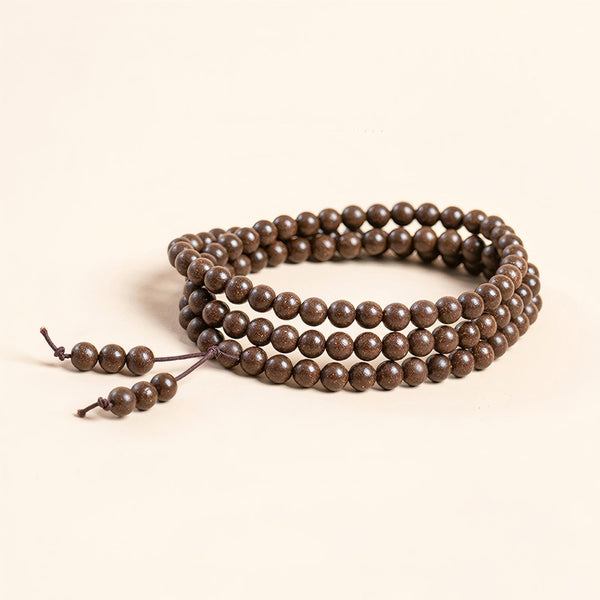
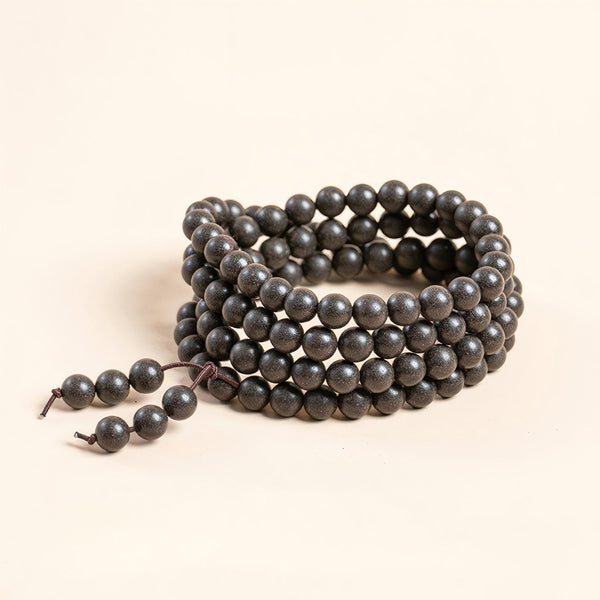
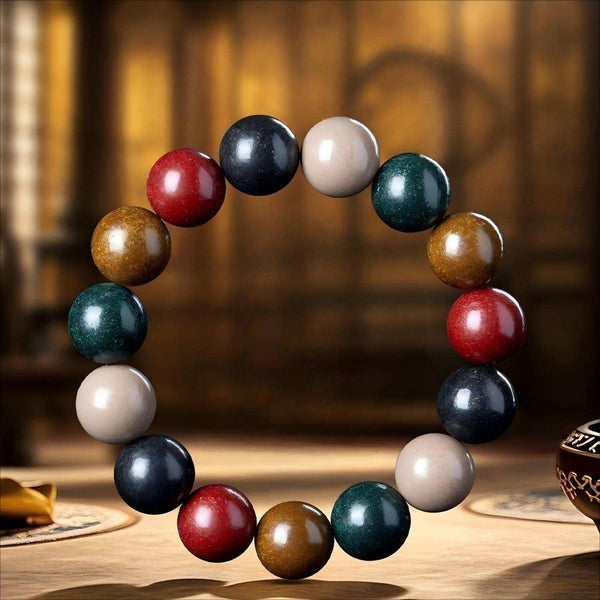
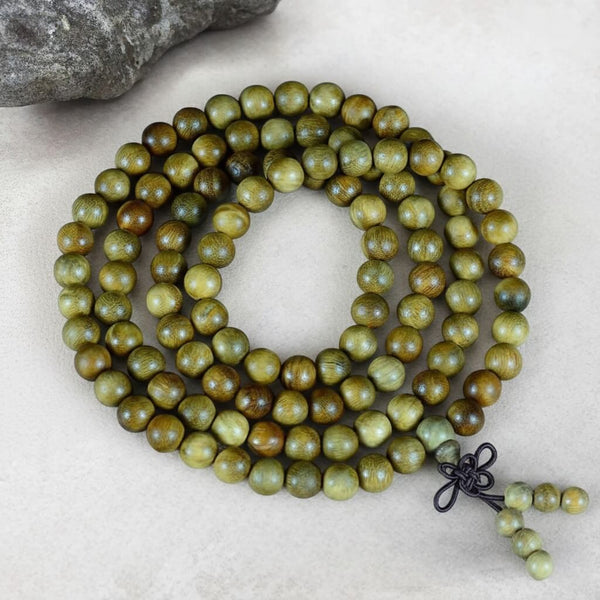
Short answer: To learn how to layer bead bracelets without damaging natural beads, combine only a few pieces with compatible fit and surface hardness, keep sharp metal edges away from softer beads, allow enough wrist room, watch for repeated friction, and store each bracelet separately after wear. Stacking is a styling choice, not a reason to ignore material-specific care.
This guide owns the contact-and-friction question. Kenlina's selector still owns the broader decision about which bracelet to buy.
How to Layer Bead Bracelets
- Start with two bracelets rather than a large stack.
- Compare bead hardness, surface finish, spacers, charms, and hardware.
- Place the smoother or lower-profile strand nearest the hand if that reduces contact.
- Move the wrist through ordinary tasks and listen or feel for repeated impact.
- Remove the stack if it pinches, catches, rubs, or strikes hard surfaces.
No order works for every combination. Test gently and use the exact product instructions for each strand.

Check Fit Before Color Coordination
A stack occupies more wrist space than one bracelet. If each strand already fits tightly, layering can increase pressure and make cords rub against one another. If each is very loose, the pieces may collide or slide over the hand.
Use real wrist measurements and product fit ranges. Do not solve a tight stack by stretching elastic aggressively. The existing bracelet bead-size and comfort guide explains how diameter changes profile.
Separate Hard, Sharp, and Soft Components
Metal charms, angular spacers, faceted stone, and exposed clasp edges can scratch or press against softer or finished beads. Inspect components with your fingers before stacking. A decorative edge that feels sharp off the wrist should not rest against another bead during repeated movement.
Use a smooth buffer bracelet only when its own material and fit are appropriate. Fabric or cord components can also create friction, so softness alone does not guarantee compatibility.
Expect More Friction and Sound
Layered bracelets touch during walking, typing, driving, and lifting objects. Repeated contact can change surface sheen, create marks, loosen hardware, or add noise. Natural variation should not be used to dismiss avoidable abrasion.
Wear the proposed stack for a short low-risk period at home. Check the contact points afterward. If you see fresh marks or feel uneven tension, separate the pieces.
Consider Scent Transfer Between Materials
A scented bracelet worn beside wood, fabric, cord, or another finished bead may transfer some surface odor or product residue. Do not add perfume or essential oil to the stack. Avoid combining a freshly fragranced item with a natural bead bracelet.
If preserving the original scent character matters, wear fewer pieces and store them separately. Scent strength and transfer cannot be guaranteed across materials.

Place a Watch and Bracelet Carefully
A metal watch case, crown, clasp, or band can strike neighboring beads. Leave enough space or wear the watch on the other wrist. Check whether the bracelet slides under the watch or catches when bending the hand.
Do not rely on a loose stack to create separation. Movement can bring the pieces together repeatedly, especially during desk work.
Remove the Stack for Water and Heavy Activity
More bracelets mean more surfaces and contact points where water, sweat, lotion, or cleaner can collect. Remove the full stack before bathing, swimming, cleaning, gardening, or heavy exercise.
After ordinary wear, let each piece rest separately. Use the Bracelet Care and Materials Guide rather than treating every bracelet as the same material.
Rotate the Stack Instead of Wearing It Continuously
Alternating single-bracelet and layered days reduces continuous contact and makes new marks easier to identify. It also lets you notice which pairing creates noise, pressure, scent transfer, or cord movement. Rotation is a styling and inspection habit, not a claim that a bracelet needs rest for emotional or energetic reasons.
Before repeating a combination, compare the contact points under neutral light. If one bracelet consistently rubs the same bead or hardware section, change the order, separate wrists, or wear the pieces individually.
Store Layered Bracelets Separately
A stack can be worn together without being stored together. Place each dry bracelet in its own compartment or soft pouch so hard parts do not press against other beads. Close clasps and keep charms from tangling with elastic or cord.
Inspect each strand for cord wear, gaps, loose hardware, and fresh surface marks before the next wear.
Build a Stack from Product Facts
Use Kenlina's incense bracelet selector before adding another piece. For wood-specific expectations, read the sibling guide to sandalwood bracelet meaning and care.
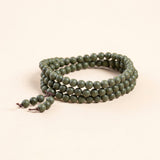
The Green Sandalwood Beaded Bracelet is one current product example. Compare additional formats in the Natural Herbal Incense Bracelets collection.
FAQ
Q1. How many bead bracelets should I layer?
A: Start with two and check fit, movement, contact, and comfort. More pieces create more friction and wrist space.
Q2. Can I layer wood and herbal incense beads?
A: You can test compatible pieces, but monitor surface contact, scent transfer, fit, and each product's care instructions.
Q3. Should I wear a bead bracelet beside a metal watch?
A: Check the watch case, crown, clasp, and band for hard contact. Separate wrists if the pieces strike or scratch.
Q4. Can layered bracelets be stored together?
A: Separate storage is safer because charms, metal parts, and hard beads can press or rub against other surfaces.
Q5. Does stacking improve the effect of the bracelets?
A: No medical, emotional, energetic, protective, or spiritual effect is guaranteed. Layering is a styling choice.