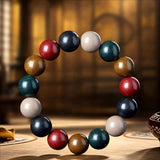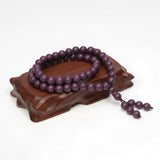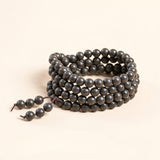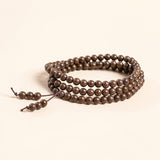

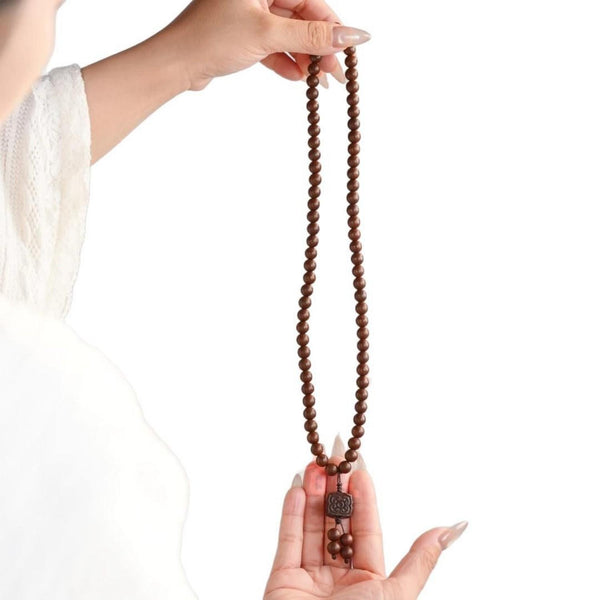

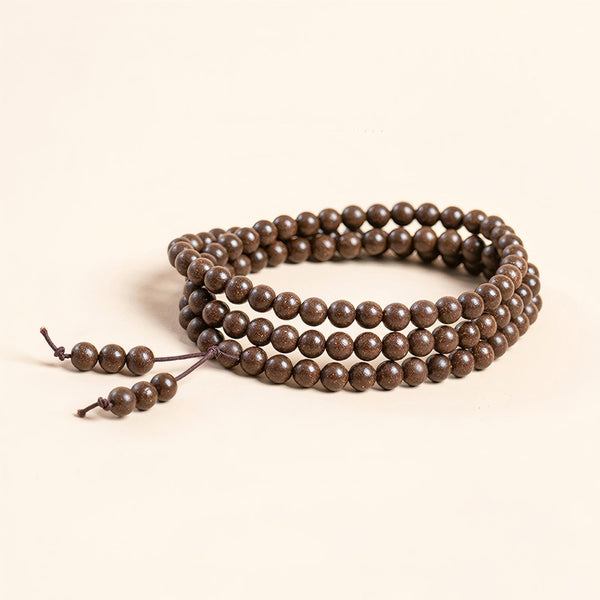
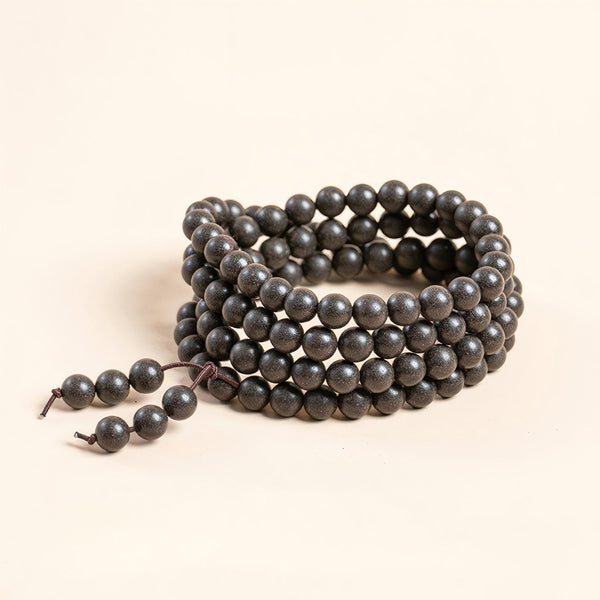
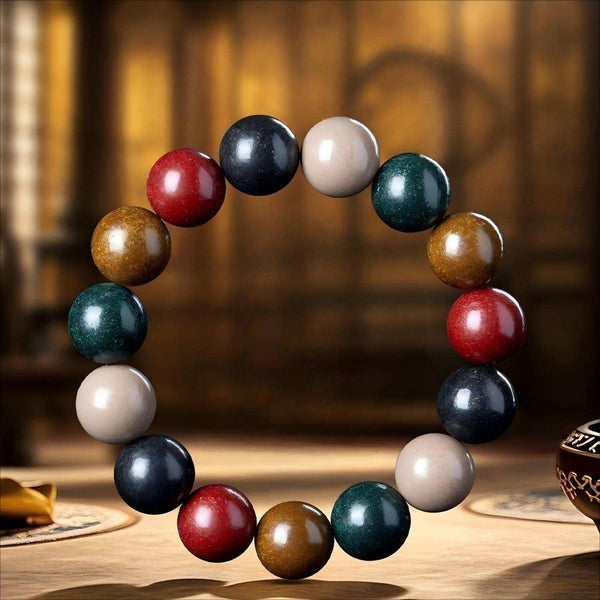
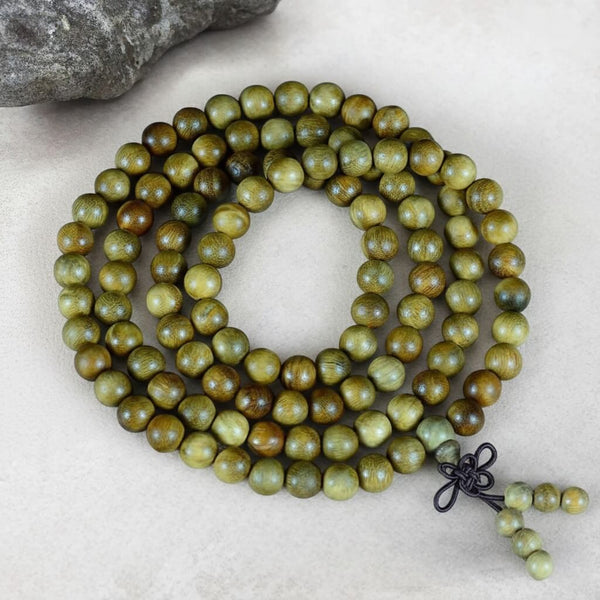
Short answer: Bracelet habits for stressful workdays are short actions you deliberately connect to seeing or touching a bracelet: pause before opening email, change position after a long task, identify the next useful step, or mark the end of work. The bracelet is only a tactile cue. It does not remove stress, treat anxiety, improve health, or guarantee a particular emotional state.
This article preserves an older URL while narrowing its search intent from broad stress advice to practical jewelry use. Choose one habit that fits a transition already in your day. If the cue is uncomfortable, distracting, or adds pressure, shorten it or stop using it.
For the broader buying framework, Kenlina's Mindful Jewelry Gift Guide is the P5 owner. This child page covers only repeatable workday habits connected to a bracelet.

Bracelet Habits for Stressful Workdays
A useful habit needs a clear trigger and a small action. "Feel better today" is too vague. "Touch one bead before opening email and name the next task" is concrete enough to repeat. The aim is not to manufacture calm; it is to make one transition less automatic.
Start with one habit rather than all six. Repeat it only where it fits naturally. A bracelet can be replaced by a note, timer, cup, or another cue if jewelry is not practical at work.
Habit 1: Pause Before the First Screen Action
Before opening email or a work dashboard, touch one bead and take one unforced breath. Then identify the first action you intend to complete. This creates a boundary between arriving at the screen and reacting to whatever appears first.
The breath does not need a special count, and the bead does not produce the effect. The usefulness comes from repeating the same cue-action pair at a predictable moment.
Habit 2: Use a Bead to Mark Task Changes
After finishing one task, move your fingers to the next bead before beginning another. Ask, "What am I changing from, and what am I changing to?" The answer can be one sentence. This is particularly useful when several tabs, messages, or responsibilities compete for attention.
If you want a defined three-breath version, use the sibling guide to a bracelet breathing reminder. It keeps the practice separate from medical or emotional claims.
Habit 3: Change Position After a Long Work Block
Choose a normal event, such as ending a call or completing a document. When it happens, notice the bracelet and change position within your ordinary comfort: stand, walk to refill water, or move to another workspace. The bracelet marks the transition; it is not a fitness or treatment device.
If movement causes pain, dizziness, or concern, stop and use guidance appropriate to your health needs. This article does not provide medical advice.
Habit 4: Use Texture as a Neutral Attention Cue
Touch can be a neutral observation. Notice bead shape, surface, temperature, or weight for a few seconds, then return to the current task. Do not assume that a material creates calm or changes body energy. You are using a real physical detail to interrupt automatic scrolling or rushing.
Material and bead size affect comfort. Use the incense bracelet selector before buying a piece for frequent workday wear.
Habit 5: Write One Next-Step Sentence
Place the bracelet beside a notebook or touch one bead before writing: "The next useful step is..." Complete the sentence with an action you can actually take. This keeps the habit connected to work rather than turning it into a vague promise about mood.
The sentence might be "send the revised file," "ask one clear question," or "finish the first paragraph." Stop after the sentence if it has already clarified the next step.

Habit 6: Create an End-of-Work Handoff
When work ends, write tomorrow's first task, put away one work object, and move the bracelet to its usual storage place if you are removing it. This does not guarantee sleep or erase unfinished concerns. It gives the workday a visible closing sequence.
If the strand is damp from rain, hand washing, or sweat, let it dry according to the product's care instructions before storage. The Bracelet Care and Materials Guide explains the practical boundary.
Choose a Bracelet That Will Not Disrupt Work
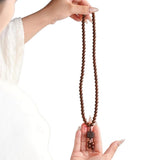
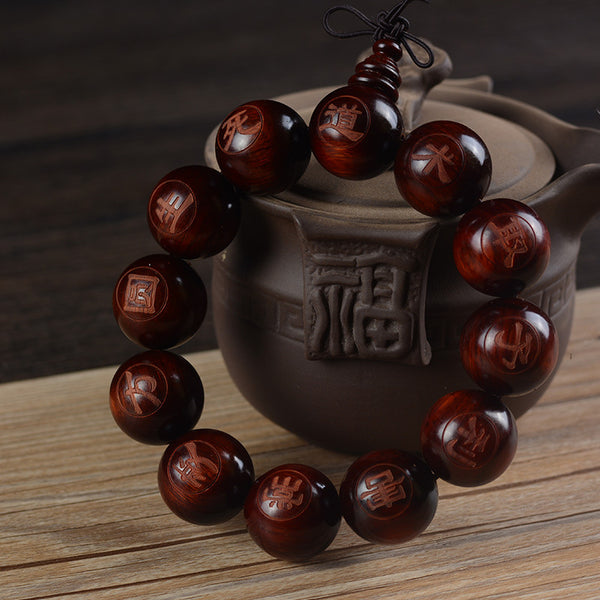
A daily cue only works if the piece is comfortable and appropriate for the environment. Consider wrist measurement, bead diameter, strand movement, desk contact, scent noticeability, and care needs. A bracelet that catches on equipment, feels too heavy, or requires handling you cannot provide is the wrong cue for that setting.
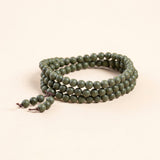
For a current wood-bead example, review the Green Sandalwood Beaded Bracelet. Use the live product page for exact dimensions, options, price, and availability rather than assuming all wood bracelets behave the same way.
Keep the Meaning Personal and Evidence-Safe
Jewelry can carry a personal association because the wearer assigns one. It cannot diagnose, treat, prevent, or guarantee relief from stress or any health condition. It also cannot guarantee luck, protection, focus, sleep, or productivity.
The sibling comparison on meaningful bracelets versus ordinary jewelry explores that distinction. The object can matter without being described as a mechanism that produces an outcome.
Choose One Habit for the Next Workday
Pick the transition you already notice most reliably: opening email, changing tasks, standing after a long block, writing the next step, or ending work. Connect one bead touch to that action for several days, then decide whether it helps you remember the routine.
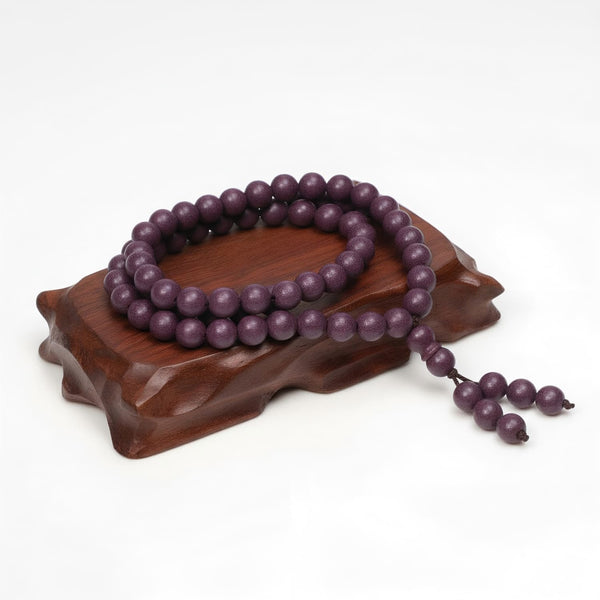
If you need a current commercial starting point, compare designs in the Natural Herbal Incense Bracelets collection. Choose by verified fit and material facts, not by a promised emotional result.
FAQ
Q1. What is a bracelet habit for a stressful workday?
A: It is a small action, such as naming the next task, that you deliberately connect to seeing or touching a bracelet during a normal transition.
Q2. Can a bracelet relieve stress?
A: A bracelet is not a treatment and cannot guarantee stress relief. It can serve as a cue for an action you choose to practice.
Q3. How many bracelet habits should I start at once?
A: Start with one habit connected to a predictable moment. Add another only if the first fits without creating more pressure.
Q4. Which bead material is best for work?
A: There is no universal best material. Compare comfort, bead size, desk contact, scent noticeability, workplace rules, and care requirements.
Q5. What if wearing a bracelet is distracting?
A: Remove it and use another cue, such as a note or timer. The routine matters more than the object.