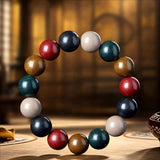

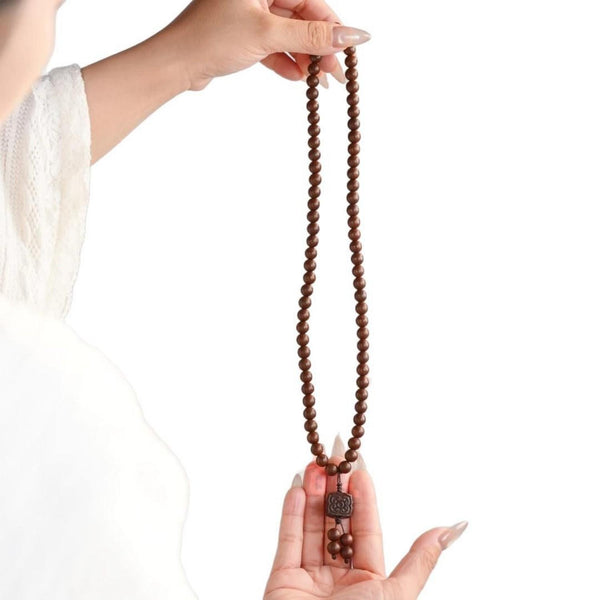

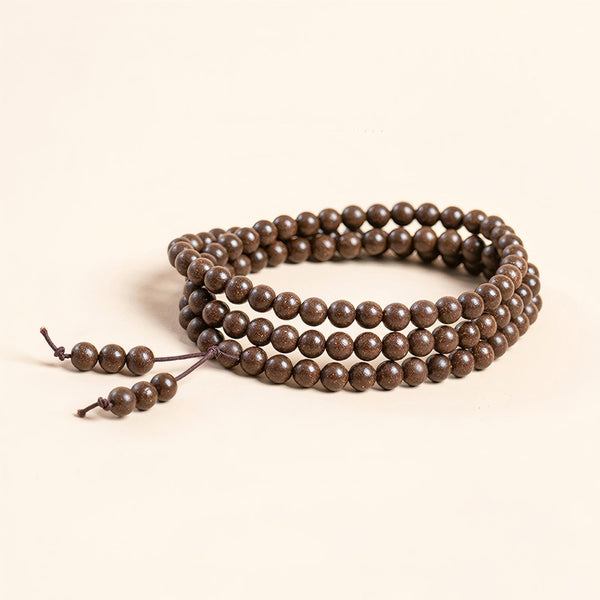
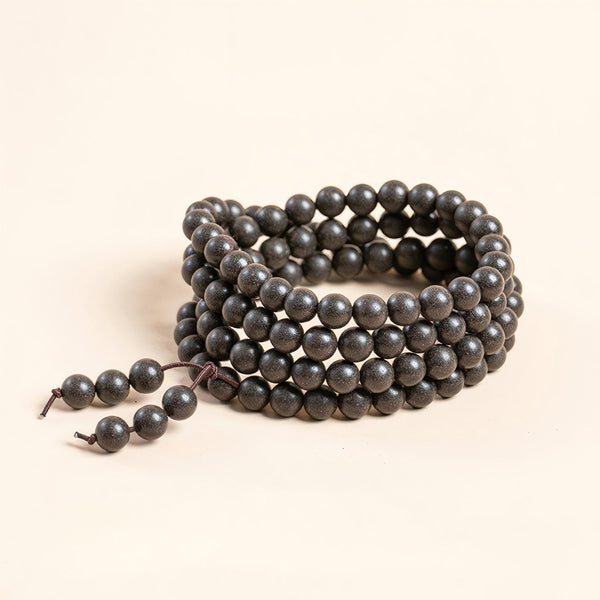
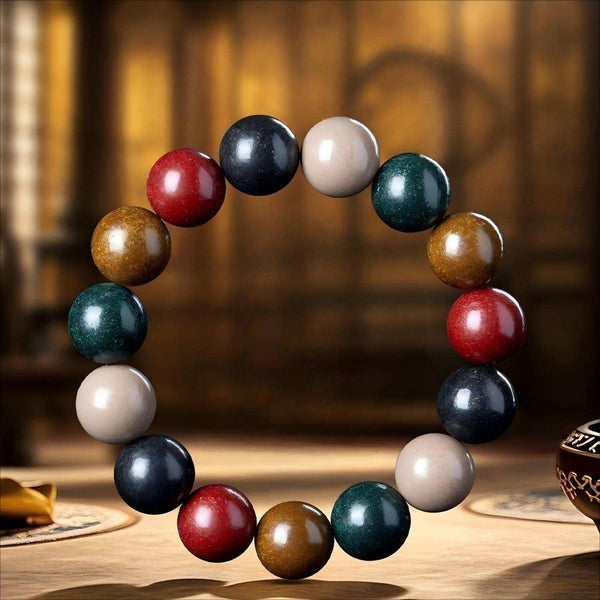
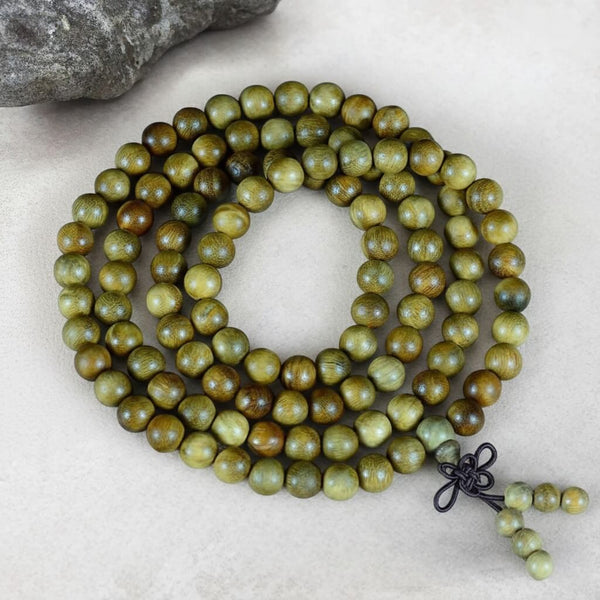
Short answer: Should you wear a bead bracelet while driving? Only if it fits securely and does not interfere with steering, controls, clothing, or movement. Once the vehicle is moving, do not look at, count, roll, adjust, or handle the beads. If the bracelet needs attention, wait until the vehicle is safely parked. Jewelry does not treat driving anxiety, replace professional help, or make driving safer.
The U.S. National Highway Traffic Safety Administration explains that distracted driving includes activities that divert visual, manual, or cognitive attention from safe driving. Its guidance is clear that driving requires full attention. Read the official NHTSA distracted driving guidance. This Kenlina page applies that principle to bead jewelry: the bracelet must never become a secondary driving task.

Should You Wear a Bead Bracelet While Driving
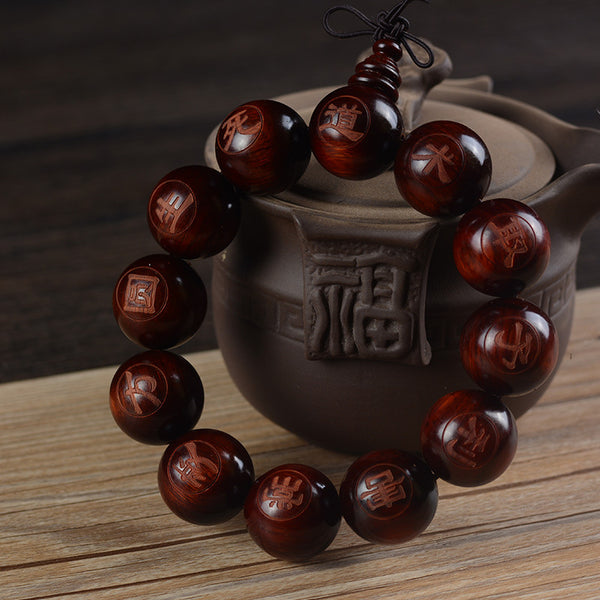
Wear it only when the bracelet is secure, comfortable, and unobtrusive. A loose bracelet that slides into the hand, catches a sleeve, strikes the steering wheel, or contacts a watch should be removed before driving. Large beads, charms, metal elements, and stacks can change movement and sound.
Do a fit check while parked: turn the wheel through a normal hand position, reach the controls, fasten the seat belt, and check clothing contact. Do not conduct this test in traffic or while the vehicle is moving.
Never Use the Beads as an In-Drive Counting Tool
Do not count beads, match beads to breaths, read inscriptions, inspect color, search for a focal bead, or use a bracelet as a visual reminder while driving. These actions can move attention away from the road or a hand away from the driving task. A routine that may be acceptable while seated at a desk is not automatically safe behind the wheel.
If the bracelet has personal meaning, use it before the trip while parked or after arrival when the vehicle is secured. The meaning does not require interaction during motion.
Passengers should not encourage the driver to touch or inspect the bracelet. If a child, pet, or passenger drops jewelry near the pedals or driver's seat, the driver should not reach for it while moving. Continue the driving task and address the loose item only after reaching a safe parked position.
Store the Bracelet Before Driving When Fit Is Uncertain
Place the bracelet in a clean, dry pouch or protective compartment before starting the vehicle. Do not leave it loose on the dashboard, center console, seat, or cup holder where it can roll, fall, reflect light, or tempt adjustment. Keep it away from beverages, sanitizer, direct sun, heater vents, and hot parked-car conditions.
In a rental or shared vehicle, choose the storage place before departure and remove the pouch after the trip. Do not place it where another driver could mistake it for a control item or where a seat adjustment could crush it.

Check Scent Before a Shared Trip
Scented beads may be noticeable in the enclosed space of a vehicle. Ask passengers about fragrance preferences and remove the item before the trip when scent is unwelcome. Do not apply perfume, oil, spray, or heat to change the fragrance. Scent does not treat driving anxiety or improve alertness.
Keep Safety, Care, and Product Choice Separate
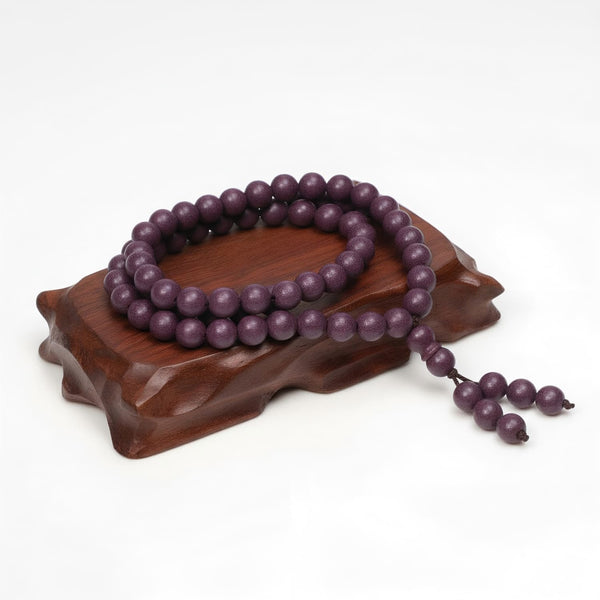
The Bracelet Care and Materials Guide explains heat, storage, friction, and strand boundaries. Use How to Choose an Incense Bracelet before purchase. A suitable bracelet is still not an object to handle while driving.
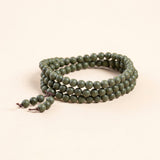
Compare the Natural Herbal Incense Bracelets collection. The Green Sandalwood bracelet is one product example; verify the current listing and decide on wear or storage before travel.
Use the Bracelet Only Before Departure or After Parking
A person may look at the bracelet before departure as part of a packing check or touch it after arrival as a personal transition. Keep those actions outside the driving period. Kenlina does not provide hypnotherapy, driving-anxiety treatment, exposure therapy, or crisis guidance, and it does not claim that a product changes driving ability.
If a bracelet breaks or loosens while driving, do not try to catch beads or repair the strand. Keep attention on driving, park safely, and then collect or contain the pieces. Do not continue wearing a damaged strand until it has been assessed.
For the meeting after arrival, use bracelet etiquette for job interviews or bracelet etiquette for presentations. The Mindful Jewelry Gift Guide covers personal meaning without turning jewelry into a safety or treatment claim.
Frequently Asked Questions
Q1: Can I count bracelet beads while driving?
A: No. Counting, looking at, or handling beads can divert attention or a hand from driving. Wait until the vehicle is safely parked.
Q2: Is it safe to wear a loose bracelet?
A: Remove it before driving if it slides into the hand, catches clothing, contacts controls, or otherwise interferes with movement.
Q3: Where should I store the bracelet in a vehicle?
A: Use a clean, dry pouch inside a secure compartment. Keep it away from liquids, direct sun, heat vents, and loose dashboard storage.
Q4: Can scented beads ease driving anxiety?
A: Kenlina does not make that claim. Scent is a variable sensory attribute and may also be unwelcome in a shared vehicle.
Q5: Can I adjust the bracelet at a red light?
A: Wait until the vehicle is safely parked. Do not create an exception that turns jewelry into a repeated in-drive task.