






Intro

Most people think that fear of public speaking means something is wrong with them—that they’re not confident enough, not talented enough, not brave enough.
But the truth is softer, kinder, and far more human:
Public speaking fear is not a flaw.
It is a natural nervous system response.
And it can be healed with gentleness, breath, and mindful tools that reconnect you to yourself.
If your heart races when you speak in a meeting…
If your mind goes blank when all eyes turn toward you…
If the idea of giving a presentation makes your stomach tighten…
You are not alone.
Studies show that nearly 75% of people fear public speaking more than death itself.
Even people who “look confident” often feel anxious inside. Your body is not failing you—it is trying to protect you.

At Kenlina, we’ve experienced this fear too. And through grounding, breathwork, inner calm practices, and gentle rituals like meditation-inspired bracelets, we’ve learned that confidence grows slowly—like breath softening the body, like scent settling the mind.
This guide will help you understand the real reasons your fear feels so strong—and how to heal it with compassion rather than force.
Let’s begin with a breath.
Inhale deeply…
Exhale slowly…
Your nervous system is already listening.
What Public Speaking Fear Really is?
Public speaking fear - also known as glossophobia - is not a sign you’re weak.
It’s often a mix of:
- nervous system overwhelm
- perfectionism
- old memories of embarrassment
- fear of being judged
- overthinking
- social anxiety
- and the very human desire to feel safe
Your brain is wired for connection and acceptance.
Centuries ago, social rejection was a genuine threat to survival.
So even today, standing in front of a group triggers this ancient alarm system:
“If I make a mistake, I could be rejected.”
Your body reacts as if it’s facing danger—even when you’re simply giving a presentation.
But through calm, grounding practices, you can teach your mind and body a new truth:
“I am safe.
My voice is allowed.
I can breathe through this.”
7 Reasons You Fear Public Speaking - And How to Heal Each One Mindfully
Below are the seven most common roots of public speaking fear—rewritten through a calm, compassionate, healing lens.
For each reason, you'll receive:
- a clear explanation
- emotional reassurance
- a mindful grounding practice
- a gentle reframing
Let’s walk through them, slowly and kindly.
1. You’ve Been Avoiding Public Speaking (And Avoidance Makes Fear Grow)
Avoidance feels protective.
You say “no thanks,” “maybe next time,” or quietly hope someone else takes the lead.
And in the moment, avoidance does reduce anxiety.
But long-term, your brain interprets avoidance as:
“Speaking is dangerous. We must avoid it forever.”
This reinforces the fear loop.
Why it feels so overwhelming:
When you’ve had little real practice, the first opportunity feels massive. Your nervous system has no proof you can survive it calmly.
A Kenlina-style grounding practice:
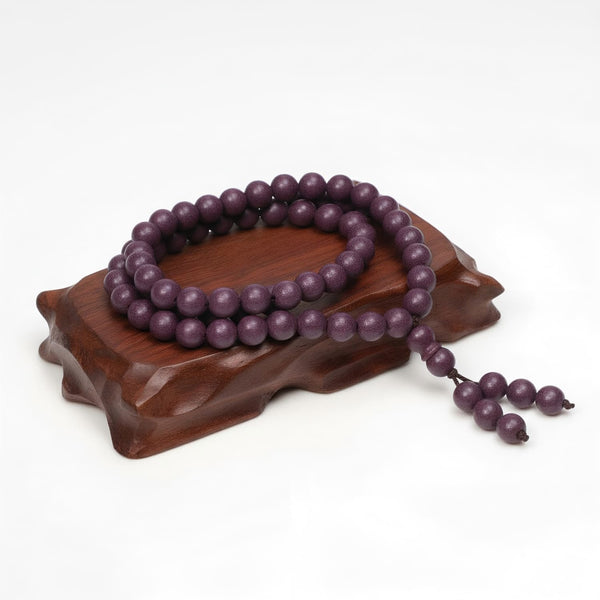
Take one bead of your bracelet between your fingers.
Inhale for four counts.
Exhale for six.
Whisper softly:
“I can take this one small step.”
Exposure doesn’t have to be dramatic. It can start with:
- speaking to one friend
- asking a question in a tiny meeting
- reading something aloud
- practicing in front of a mirror
One step teaches the nervous system:
“You are safe here.”
2. A Past Experience Hurt You (And Your Nervous System Never Forgot)
Maybe you stumbled over your words.
Maybe someone laughed.
Maybe a teacher corrected you harshly.
Maybe you presented at work and felt embarrassed.
Your nervous system stores emotional memories like this:
“Public speaking = pain. Must avoid.”
Even small childhood moments can leave a large imprint on adult confidence.
Why it lingers:
The younger you were when it happened, the more deeply your body remembers.
A soft healing reflection:
Close your eyes.
Place your palm over your heart.
Say gently:
“My past self was doing their best.
They deserved kindness, not shame.”
Imagine placing one bracelet bead into their small hand—something warm, safe, and steady.
You are allowed to rewrite the story your younger self couldn’t.
3. Your Nervous System Becomes Overstimulated (Fight-or-Flight Mode)
Public speaking fear often has nothing to do with skill—it’s a physiological spike.
Your body goes into:
- racing heartbeat
- shallow breath
- shaky hands
- sweaty palms
- blank mind
This is the body saying:
“I think I’m in danger.”
But you’re not.
Your nervous system just needs grounding.
A calming technique:
Roll a bracelet bead slowly under your thumb.
Feel:
- the texture
- the warmth
- the scent
- the weight
Anchor yourself to your senses.
As your body calms, your mind clears.
4. You Have Underlying Social Anxiety (So Public Speaking Feels Like Too Much)
If everyday conversations already feel overwhelming, speaking to a group can feel impossible.
But this doesn’t mean you’re broken.
It means your nervous system is sensitive.
And sensitive nervous systems need more gentleness—not more pressure.
Support matters:
- therapy
- grounding rituals
- mindfulness practices
- rest
- boundaries
- hypnotherapy or guided meditations
- emotional support groups
Kenlina + ADAA note:
Because mental health matters deeply to us, we partner with the Anxiety and Depression Association of America (ADAA) to support individuals navigating anxiety, overwhelm, and emotional stress.
You are not alone in this.
5. Low Self-Esteem Makes You Question Your Voice
If deep down, you struggle to feel worthy or “enough,” it’s natural to fear speaking up.
Your inner critic whispers:
- “Why would they listen to me?”
- “I’ll sound stupid.”
- “Everyone else is better.”
But your worth is not up for debate.
Your voice deserves to exist simply because you exist.
Healing practice:
Hold your bracelet gently.
Inhale…
Exhale…
Say softly:
“My voice matters.
I am allowed to be heard.”
Confidence grows in spaces where you feel safe—and you can create that safe space within yourself.
6. Perfectionism Is Pressuring You
Perfectionism says:
- “Don’t speak unless you can say it perfectly.”
- “No mistakes allowed.”
- “If I mess up, I’ve failed.”
This turns public speaking into a high-stakes performance instead of a human conversation.
A gentle reframe:
Confidence is not flawless delivery.
Confidence is presence—even in imperfection.
A mindful reminder:
The goal is connection, not perfection.
Allow your words to be human.
Allow yourself to breathe.
7. You Fear Being Judged (But People Judge Less Than You Think)
Most people are not judging you—they are worrying about themselves.
The “spotlight effect” makes you believe:
“Everyone is staring at me.”
But the truth is:
People want you to succeed.
They want to learn from you.
They want to hear your message.
Grounding visualization:
Imagine your audience as warm light rather than harsh spotlight.
Each face is softened, curious, open—not critical.
Say softly:
“I am here to share, not to impress.”
How to Heal Public Speaking Fear
(The Kenlina Calm-Confidence Method)**
These practices help your nervous system feel steady enough to speak.
1. Breathe Into Your Belly
Before speaking, try:
Inhale for 4
Exhale for 6
This slows your heart rate, softens tension, and clears your mind.
2. Ground Through Touch
If you wear a bracelet, let it anchor your breath.
Roll one bead between your fingers before speaking.
Feel its steadiness.
Let that steadiness become yours.
3. Use Scent as a Reset
Scent connects directly to the emotional centers of the brain.
The herbal notes of your bracelet can act as a signal:
“You are safe.
You can soften.”
Inhale gently.
Let the scent settle you.
4. Start With Small, Manageable Speaking Moments
Confidence grows through exposure—not leaps.
Begin with:
- talking in a one-on-one conversation
- sharing an idea with a small group
- recording yourself
- reading aloud at home
- introducing yourself in a meeting
- leaving a voice note for a friend
Each step teaches your nervous system calm confidence.
5. Prepare in a Grounded, Not Anxious, Way
Instead of rehearsing in panic:
- speak slowly
- practice breathing between sentences
- visualize yourself grounded
- walk the space beforehand
- organize your notes clearly
- rehearse with compassionate tone
Preparation isn’t pressure.
Preparation is safety.
6. Focus on the Message, Not Yourself
Shift from:
“How do I look?”
to
“What do I want to share?”
This reduces anxiety and strengthens presence.
7. Bring Your Ritual on Stage
Before speaking:
- inhale
- roll a bead
- whisper a grounding phrase:
“I can breathe through this.”
Your ritual becomes your anchor.
Frequently Asked Questions
Q1: Why do I fear public speaking?
A: Because your nervous system believes you’re in danger. It’s instinct - not inadequacy.
Q2: How do I calm myself before speaking?
A: Belly breathing + grounding touch + slow posture shifts.
Q3: What if I forget my words?
A: Pause. Breathe. Your audience is more forgiving than you think.
Q4: How can I become confident?
A: Through small steps, self-compassion, and calm-practice—not force.
Q5: Does confidence require being extroverted?
A: Not at all. Quiet confidence is powerful.
Q6: Can affirmations help?
A: Yes. Repeating grounding statements rewires your self-belief.
Q7: When should I seek deeper support?
A: If the fear overwhelms daily life, consider a therapist or programs supported by ADAA.
You don’t have to navigate anxiety alone.
A Closing Note from Kenlina
If you fear speaking, please know this:
Your fear is human.
Your voice is needed.
And your calm is within reach.
Your body is doing its best to protect you—even when it feels like it’s working against you.
With breath, touch, ritual, and gentle self-belief, you can teach it a new way.
A quieter way.
A steadier way.
A way rooted in presence, not panic.
Thank you for allowing us to walk beside you.
Breathe deeper. Find stillness. Carry peace.
FAQ
Q1. Why can public speaking feel so intense?
A: Speaking can feel vulnerable because attention, evaluation, and uncertainty arrive at the same time. A simple ritual can help you prepare.
Q2. What should I practice first?
A: Practice the first sentence, one slow breath, and one grounding cue before trying to perfect the whole talk.
Q3. Can rituals remove fear completely?
A: No. Rituals can support steadier preparation, but persistent fear may benefit from coaching, therapy, or professional support.