


Burnout Begins Quietly

It doesn’t always start with a breakdown.
Sometimes it’s just a sigh that lingers too long, an inbox that never ends, or that faint sense of tension that never really leaves your shoulders.
A few years ago, I found myself staring at my laptop long past midnight, completely drained. My body was still, but my mind was racing. I wasn’t working anymore—just worrying.
If this sounds familiar, you’re not alone.
Work stress doesn’t shout—it whispers. And if we don’t listen early, it builds until even small tasks feel impossible.
But here’s the truth: stress doesn’t have to define your work life. You can learn to carry calm with you, even in the busiest seasons.

Why We Feel This Way: Understanding Work Stress
Work stress touches almost everyone.
Deadlines, meetings, expectations—it’s easy to forget that you’re human underneath the to-do list.
The Health and Safety Executive (HSE) defines work-related stress as “the adverse reaction people have to excessive pressures or other types of demand placed on them.”
That definition might sound clinical, but what it really means is this: stress happens when what’s asked of you feels heavier than what you have to give.
A little pressure can push us to grow.
But chronic pressure—when it never lets up—can cloud the mind, strain the body, and blur the boundary between who you are and what you do.
Recognizing that imbalance is the first act of healing.
Recognizing the Signs Before They Break You
If you often feel “off” but can’t explain why, your body might already be telling you it’s overwhelmed.
| Type | Common Signs | What It’s Really Saying |
| Physical | Headaches, tension, fatigue, stomach issues | “I’m running on empty.” |
| Emotional | Irritability, anxiety, sadness, numbness | “I need space to breathe.” |
| Behavioral | Overworking, withdrawing, losing focus | “I’ve forgotten where rest begins.” |
These aren’t weaknesses—they’re signals.
Listening to them early can prevent burnout later.
Take a moment now. Breathe deeply.
What is your body trying to tell you?
7 Calm Strategies to Balance Work and Self
Let’s explore practical steps to help you reclaim peace at work without quitting your job or losing your spark.
Identify What Truly Stresses You
Write down the top three things that cause the most pressure.
Ask yourself:
- Is this within my control?
- If yes, what can I shift or delegate?
- If no, how can I let go of its weight?
Breathing reminder: Exhale what you can’t control. Inhale what helps you move forward.
Set Boundaries - and Keep Them
If you’re always “on,” your nervous system never turns “off.”
Try this:
- Set a firm end-of-day time.
- Turn off notifications after hours.
- Practice saying no—kindly but firmly.
Boundaries are not barriers; they’re bridges back to balance.
Manage Your Workload with Mindfulness
You can’t do everything—but you can do what matters most.
| Method | How It Helps |
| The 2-Minute Rule | Prevents procrastination on small tasks. |
| Priority Mapping | Sorts tasks by importance, not just urgency. |
| Time Blocking | Creates focus windows and breathing gaps. |
Take Real Breaks (Even When You’re Busy)
Breaks aren’t laziness—they’re recovery.
Step away from your desk, stretch, or take five quiet breaths.
Avoid “fake breaks” (scrolling endlessly).
Instead, do something that reminds you you’re alive—a walk, sunlight, or simply closing your eyes.
Reframe Your Inner Dialogue
Your thoughts shape your stress.
Instead of saying:
“I can’t handle this.”
Try:
“I’ll take one thing at a time. That’s enough for now.”
This simple shift lowers pressure and brings perspective.
Build a Daily Calm Routine
Design small rituals that signal “work starts” and “work ends.”
Morning Ritual:
- Start with breathwork, journaling, or gentle stretching.
- Do one thing that nourishes you before checking email.
Evening Ritual:
- Write down three wins of the day.
- Plan tomorrow’s priorities.
- Close your laptop—and your energy—when the day is done.
Small routines create big relief.
Ask for Support (You’re Not Alone)
Connection heals stress faster than isolation.
- Talk with a trusted colleague.
- Ask for help if your load feels too heavy.
- If needed, reach out to a therapist or mental health coach.
There is strength in seeking support—it’s not surrender, it’s self-respect.
Create Your Calm Routine
Your calm isn’t found in a vacation—it’s built in small, consistent acts.
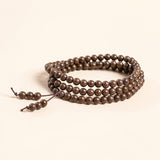
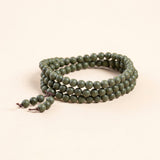
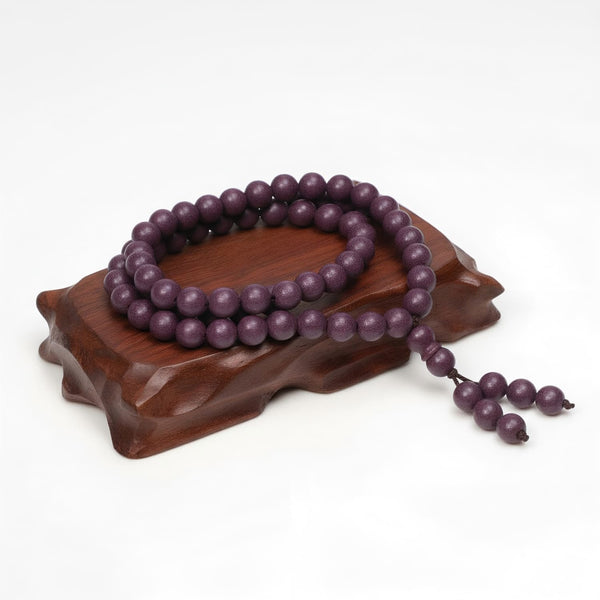
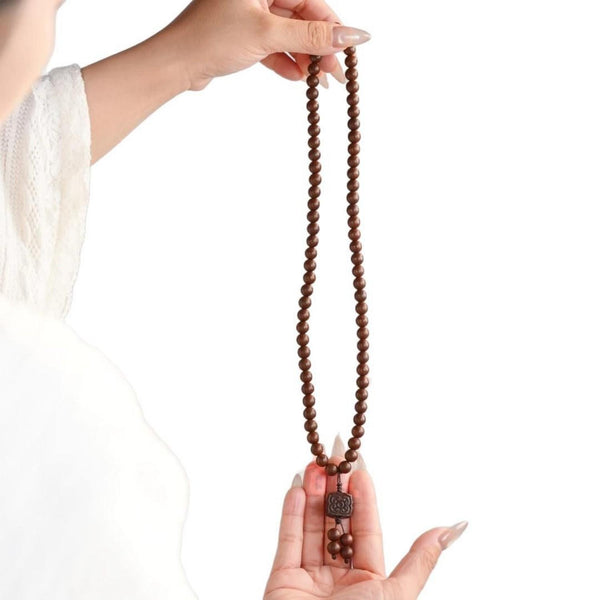
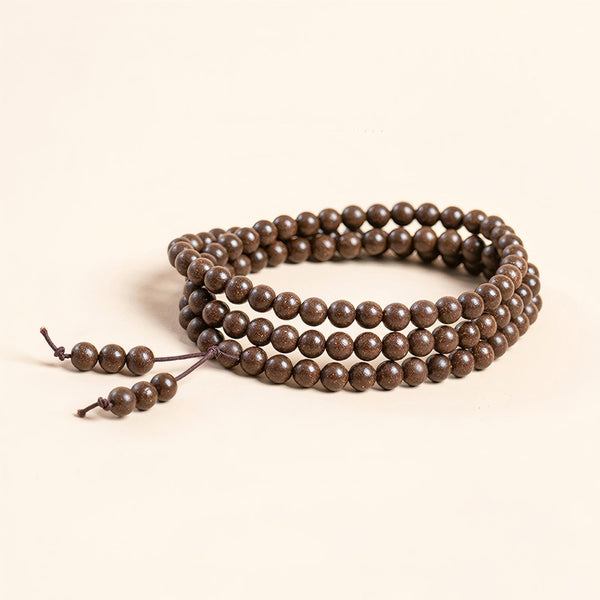
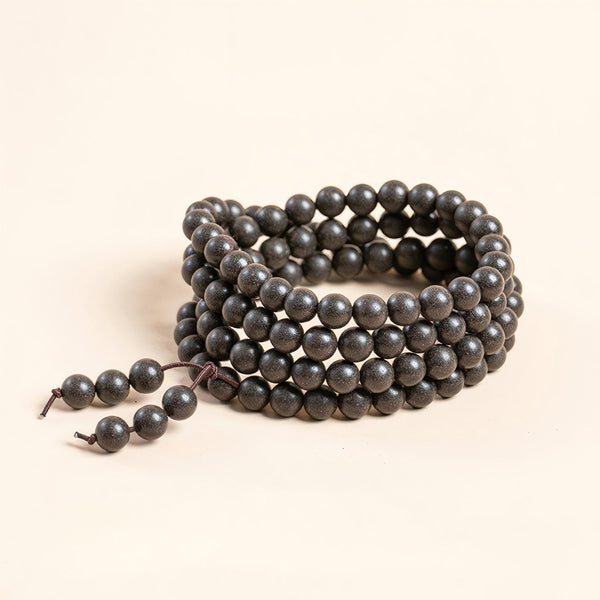
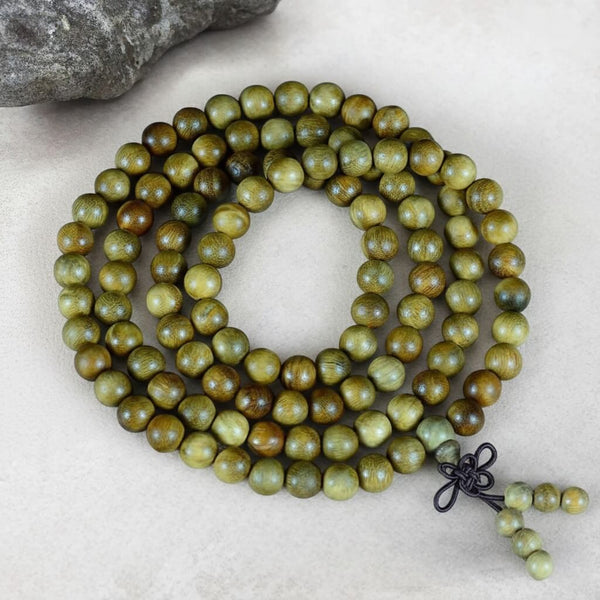
Try using your Kenlina bracelet as an anchor:
Each bead can represent one breath, one small release, one reminder that peace is within reach.
You don’t have to stop working to rest—you only need to pause long enough to return to yourself.
| Step | Practice | Focus |
| 1 | Light a candle or hold your bracelet. | Presence |
| 2 | Inhale through the nose (4s), exhale through the mouth (6s). | Reset |
| 3 | Whisper your affirmation: “I am calm. I am enough.” | Renewal |
Mindfulness at Work
You can’t always control the pace of work—but you can control your inner rhythm.
Here are three mindful habits to bring peace into even the busiest day:
- Pause Between Tasks – Before switching meetings, take one deep breath.
- Ground in Gratitude – Write one good thing from each day.
- Micro-Meditations – Close your eyes for 60 seconds. Feel your breath. Return to now.
Mindfulness isn’t a luxury—it’s maintenance for your mind.
Compassion Over Perfection
You are not a machine designed for output.
You’re a human being, deserving of rest, grace, and time.
Taking time off isn’t weakness—it’s wisdom.
Treat yourself with the same compassion you offer others.
Even slowing down is a form of courage.
When Calm Becomes Connection
At Kenlina, we believe calm is contagious.
When you choose stillness, you help others breathe a little easier too.
That’s why 5% of every order is donated to the Anxiety and Depression Association of America (ADAA) - supporting those seeking balance, hope, and healing.
Because peace shared is peace multiplied.
Closing Reflection
Work will always ask for more.
But you can choose to respond with less hurry, more heart.
So tonight, when you close your laptop, pause.
Breathe. Touch your bracelet.
And remember - calm isn’t something you find. It’s something you carry.
Carry calm. Share kindness. Live with meaning.
FAQ
Q1. How do I notice work stress earlier?
A: Watch for small signals such as shallow breathing, tight shoulders, rushed replies, or the feeling that you cannot pause.
Q2. What is a mindful work-stress ritual?
A: A mindful ritual is a short repeatable pause that helps you breathe, reset your body, and return to one clear next step.
Q3. Can mindful rituals replace rest?
A: No. They support awareness during the day, but deeper rest, boundaries, and support still matter.