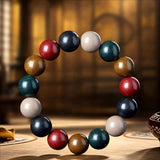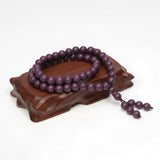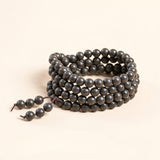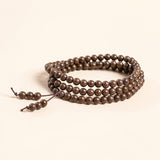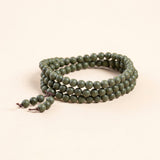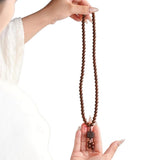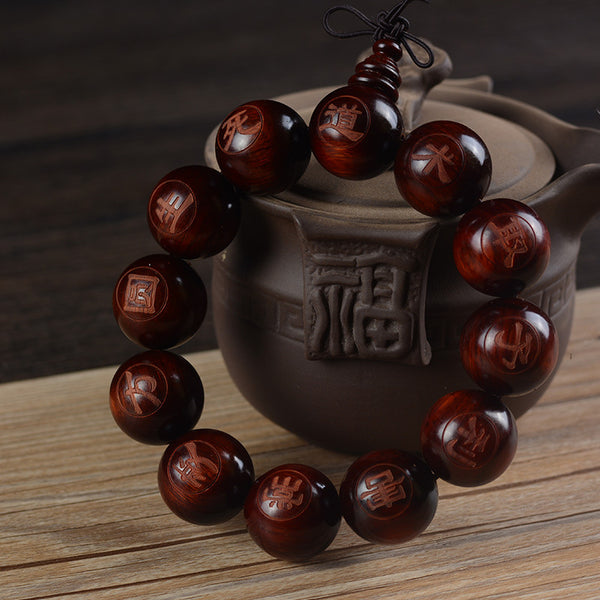
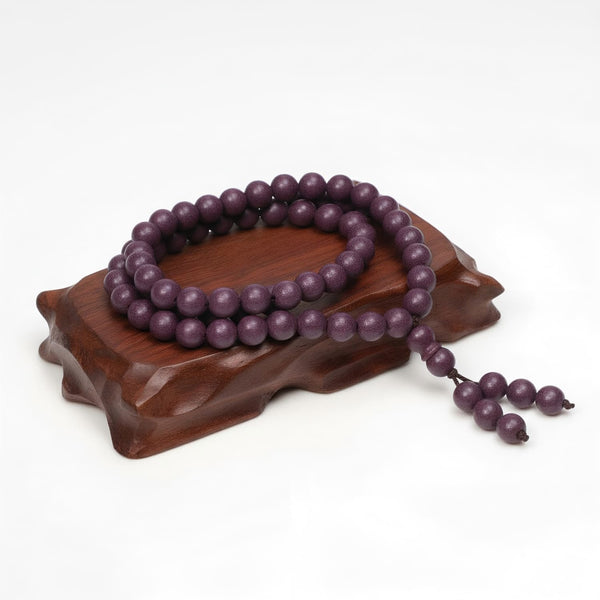


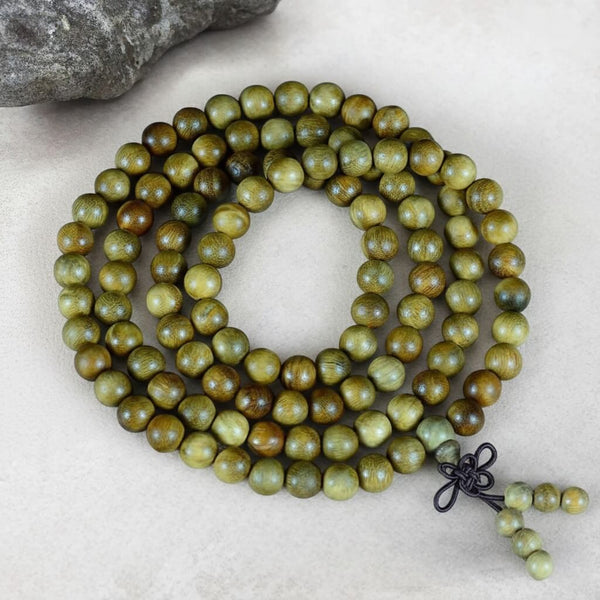
Short answer: A conference bracelet packing checklist covers the exact bracelet and option, outfit fit, badge and sleeve friction, fragrance rules, a dedicated carry-on pouch, stage or booth equipment, water and sanitizer, secure removal, and a return-home inspection. Jewelry does not treat public-speaking anxiety or guarantee confidence.
Use the Bracelet Care and Materials Guide. Venue, employer, travel, and equipment rules always take priority.

Conference Bracelet Packing Checklist
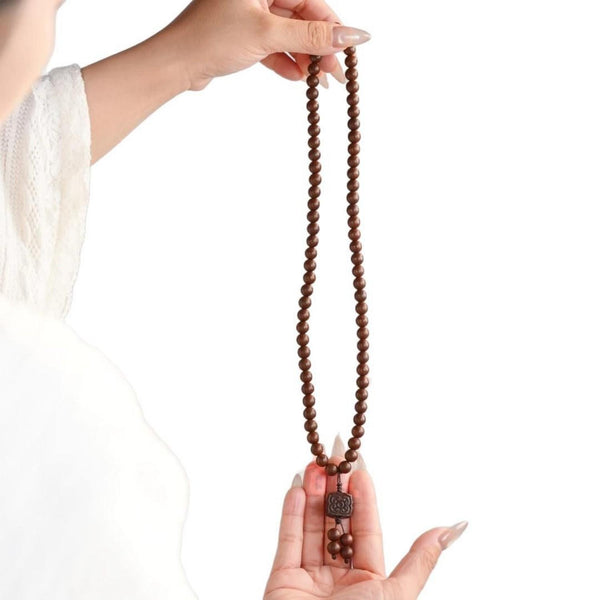
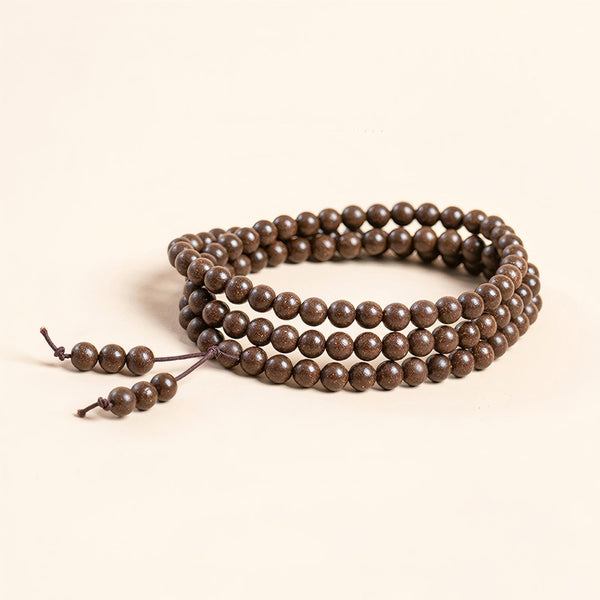
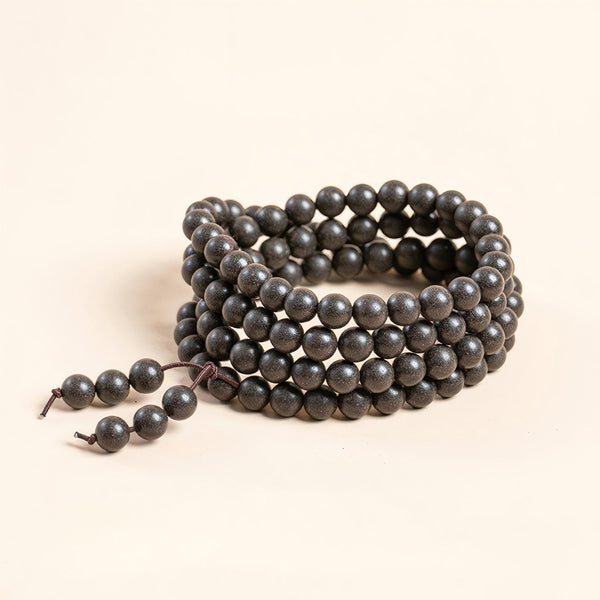
- Confirm the item. Save the product name, selected option, photo, fit, and care.
- Test the full outfit. Include cuffs, coat, badge lanyard, watch, bag, and presentation equipment.
- Check scent rules. Verify venue, employer, and shared-space fragrance expectations.
- Pack a dry pouch. Keep it in a controlled carry-on compartment.
- Plan removal moments. Include security, washing, meals, setup, exercise, and equipment work.
- Choose one event storage place. Avoid tables, booths, restrooms, coat pockets, and open bags.
- Inspect each day. Check fit, strand, beads, closures, scent, and exposure.
- Count at departure. Confirm the bracelet and pouch before leaving the venue and hotel.
Test the Complete Conference Outfit
Wear the bracelet with the actual shirt, jacket, badge, watch, and bag. Move through typing, handshakes, note-taking, carrying equipment, and putting on a coat. Remove the item when beads catch, strike surfaces, slide into the hand, or press beneath a cuff.
A bracelet that fits casual wear may not suit a tight cuff, stage costume, exhibitor uniform, or required glove. Do not force the outfit around the jewelry.
Check Fragrance and Shared-Space Rules
Scented beads may be unsuitable in a fragrance-free venue, healthcare setting, small workshop, shared booth, or crowded transport. Ask before the event and store the bracelet when scent is restricted or unwelcome. Do not add perfume or oil to intensify it.
Personal preference does not override another attendee's needs. Kenlina does not claim scent improves speaking, focus, networking, or anxiety.

Plan around Badges, Microphones, and Booth Equipment
Lanyards, badge clips, headset cables, microphones, podiums, sample tables, tools, and product displays can create catch, impact, or noise. Test clearance while stationary. Remove the bracelet before handling powered, rotating, sharp, hot, wet, or contamination-sensitive equipment.
The microphone noise guide handles audio contact. Follow technical staff instructions.
Use a Controlled Removal Place
Keep the pouch in one closed carry-on compartment or secured personal storage. Do not leave the bracelet in a restroom, on a shared table, behind a booth, in a coat-check pocket, or loose beside a drink. Handle it with dry hands.
When an activity ends, inspect before wearing again. Stop for fraying, gaps, stretched elastic, loose knots, cracked beads, damaged closures, residue, or moisture.
Build a Morning and Evening Conference Check
At the start of each conference day, confirm that the bracelet is dry, the strand looks even, the selected option still fits comfortably, and the pouch is in the planned compartment. Check the day's agenda for workshops, demonstrations, meals, outdoor walks, exercise, security screening, or equipment setup. Those details determine whether the bracelet should be worn, carried, or left in secure accommodation storage.
At the end of the day, count the bracelet and pouch before leaving the venue. Record any spill, rain, sanitizer, pressure, pull, impact, unusual looseness, or scent change while the event is still easy to remember. Let a dry bracelet rest in clean storage rather than sealing it beside worn clothing, damp towels, toiletries, or food.
Separate Daily Access from Backup Storage
The pouch used during sessions should be easy for the owner to reach without emptying a bag in public. Backup storage at a hotel should be controlled, dry, and separate from housekeeping surfaces and bathroom humidity. Do not use an event tote, badge envelope, checked-luggage outer pocket, or communal charging table as the bracelet's regular storage place.
If the trip includes several hotels or transport changes, add the bracelet to the same departure count as identification, phone, wallet, and required work equipment. A consistent count reduces ordinary loss risk; it is not a ritual and does not promise good luck.
Respond to Weather and Venue Changes
Rain, high humidity, outdoor heat, cold-to-warm transitions, crowded transport, and air-conditioned rooms can change the practical wear decision. Keep the bracelet away from wet outerwear and condensation. Do not judge condition from scent alone; inspect the strand, surface, fit, and exposure together.
If venue staff move the session to a laboratory, kitchen, factory floor, healthcare area, or hands-on demonstration, follow the new rules immediately. Packing a pouch makes removal possible without improvising.
Keep Conference Meaning Separate from Performance
A bracelet may mark a milestone, employer, trip, personal value, or gift. It does not guarantee a successful talk, sale, meeting, introduction, or confident feeling. Do not require continuous wear for luck, protection, calm, energy, or professional results.
The meeting etiquette guide covers smaller professional rooms.
Choose and Verify before the Trip
Use How to Choose an Incense Bracelet and compare current items in the Natural Herbal Incense Bracelets collection.
The Ancient Herbal Incense Beads page is one exact example. For conference gifts, use the Mindful Jewelry Gift Guide.
Frequently Asked Questions
Q1: Should I wear a scented bracelet at a conference?
A: Only when venue and shared-space rules permit it and the scent is welcome.
Q2: How should I pack it?
A: Use a dedicated dry pouch in a controlled carry-on compartment away from liquids and hard objects.
Q3: Can beads interfere with a badge?
A: Yes. Test lanyard, cuff, watch, bag, and badge movement before the event.
Q4: Does a bracelet improve public speaking?
A: Kenlina does not make that claim. It is jewelry, not performance or anxiety treatment.
Q5: What should I check after the event?
A: Confirm the item, record exposure, inspect strand and components, and return it to clean storage.