


When Calm Feels Out of Reach

You try to relax, but your mind won’t stop spinning.
Your heart races, your chest feels tight, and even deep breathing seems impossible.
Someone mentions hypnotherapy, and you can’t help but wonder — does that really work?
It’s a fair question. For many, hypnosis still feels mysterious, or even a little intimidating — the stuff of stage shows and TV specials. But the truth is, clinical hypnotherapy is worlds apart from entertainment hypnosis. It’s a calm, guided process that helps you retrain your mind and body to find safety again.
At Kenlina, we see hypnotherapy as a bridge between breath and belief — a way to reconnect with the quiet strength that’s already within you.
Through guided relaxation and gentle suggestion, it helps you soften anxious patterns and rediscover your own calm.

What Hypnotherapy Really is?
Let’s begin with what it’s not: you won’t lose control, bark like a dog, or reveal your deepest secrets against your will.
Hypnotherapy is simply a state of focused relaxation — similar to meditation, but more directed. In this deeply calm state, your conscious mind quiets enough for your subconscious to listen. You remain aware, safe, and in charge the entire time.
Think of it like this:
When your phone freezes, you reboot it.
When your mind loops on anxious thoughts, hypnotherapy helps you “reboot” your inner settings — not by erasing anything, but by creating space for new, calmer responses.
“It’s not mind control. It’s mindfulness for the deeper mind.”
Before each session, take a moment to breathe and ground.
Inhale for four, hold for four, exhale for six.
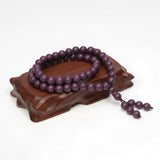
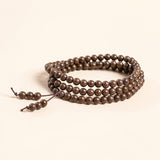
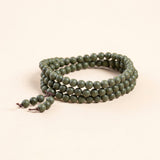
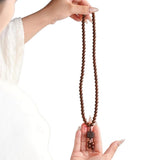
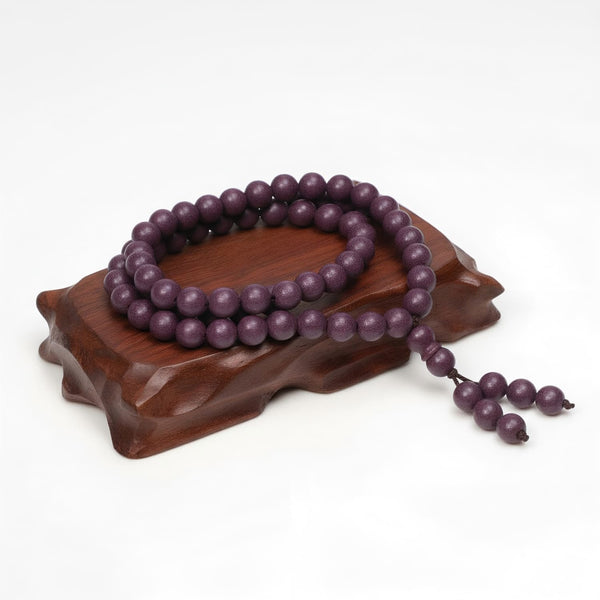
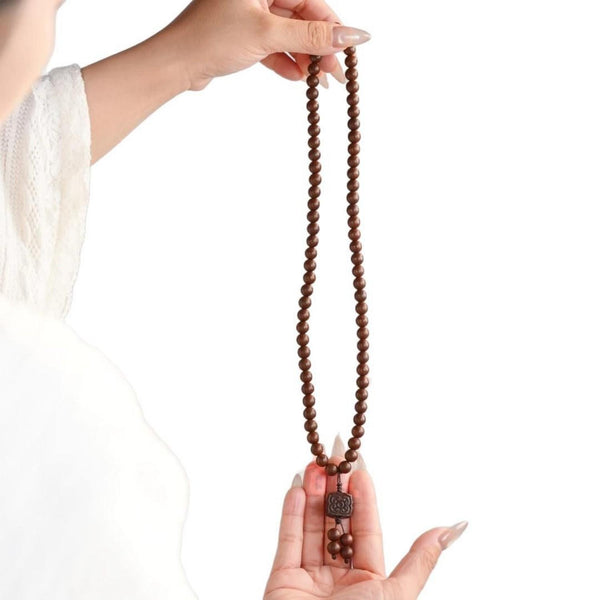
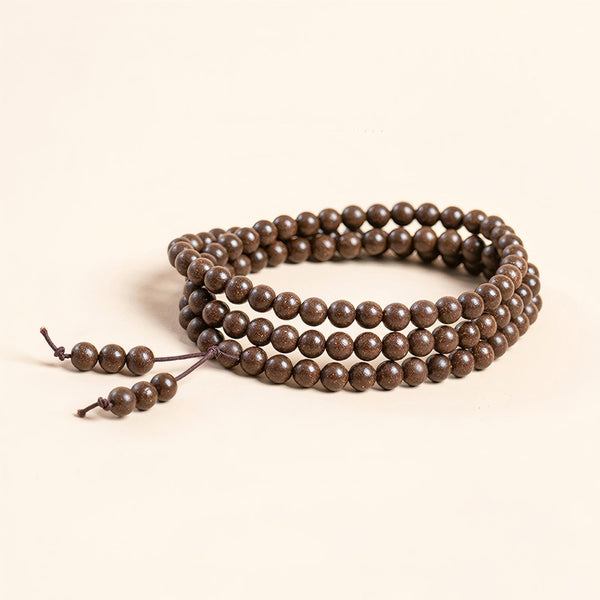
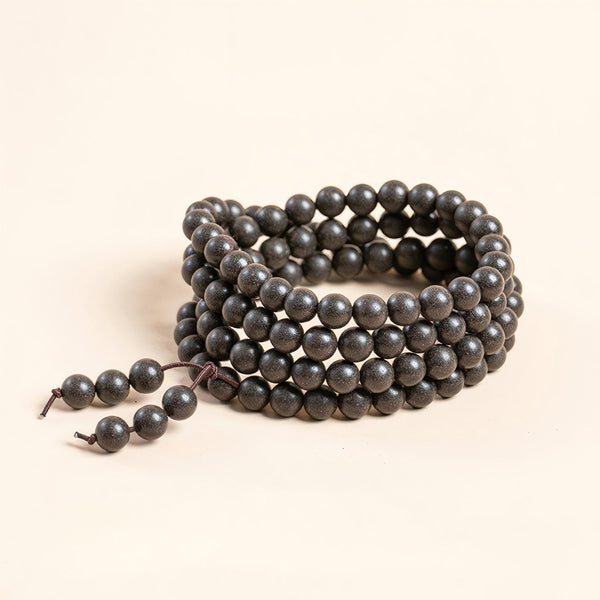
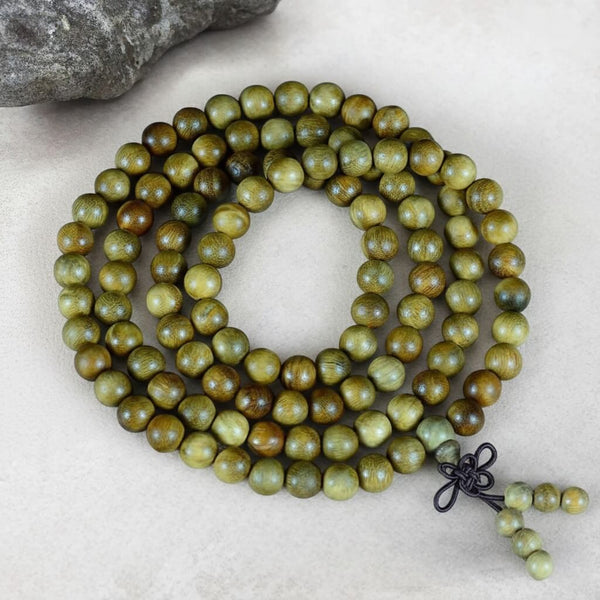
Roll four beads on your bracelet, and whisper: “I’m safe. I’m here.”
You’re reminding your body that this process — and this moment — is safe.
How Hypnotherapy Supports Anxiety Relief
Anxiety isn’t a choice. It’s a learned response — a protective reflex that sometimes overreacts.
Hypnotherapy helps by teaching your body and mind a new rhythm, one that moves from alarm to awareness.
1. Calming the Body
When anxious, your nervous system locks into fight-or-flight.
During hypnotherapy, slow breathing and guided imagery activate the parasympathetic system — your body’s natural “rest and restore” mode.
2. Reframing the Mind
Anxiety loops thrive on old stories: I’m not enough. I can’t handle this.
In a calm, receptive state, positive suggestions can take root instead:
“I am capable.”
“My breath is stronger than my fear.”
“Calm is something I can return to.”
Over time, your subconscious begins to believe what you repeat with intention.
3. Soothing the Emotions
Hypnotherapy teaches emotional flexibility. You don’t suppress fear — you learn to meet it gently.
It helps you separate what’s happening from what you fear might happen.
4. Rewriting the Habit Loop
Every time you respond to stress with stillness instead of panic, you rewire your nervous system.
That’s how lasting calm begins: small, repeated signals of safety.
“Anxiety is automatic. Hypnotherapy helps you make calm automatic, too.”
What a Session Feels Like
If you’ve never experienced hypnotherapy before, it may sound abstract — but in practice, it feels deeply natural.
Here’s what typically happens:
Step 1 — Arrival
You begin by talking with your therapist about what you want to feel more of — not just what you want to stop. The focus is on the solution, not the problem.
Step 2 — Induction
You’re guided into relaxation through soft breathing, gentle counting, or visualization. Your body relaxes; your mind stays aware.
You might feel like you’re daydreaming — that’s the sweet spot.
Step 3 — Suggestion
The therapist introduces positive statements for your subconscious to absorb — phrases like “You’re becoming more confident,” or “Your mind feels lighter.” These messages bypass the analytical mind and help reshape automatic reactions.
Step 4 — Return
After 20–40 minutes, you’re gently guided back. You feel refreshed, awake, and grounded.
Step 5 — Integration
You might take a few minutes to journal, stretch, or simply sit quietly. Many clients describe feeling clear, calm, and “more themselves” than they have in months.
Kenlina Tip:
At the end of your session, touch four beads — one for gratitude, one for grounding, one for hope, one for peace.
Tiny rituals help your body remember calm outside the therapy room.
Self-Hypnosis and Home Practice
You don’t need a therapist’s office to experience the benefits of hypnotherapy.
With guided audios or simple scripts, you can practice self-hypnosis at home — an easy way to weave calm into your daily routine.
How to begin:
- Find a quiet space. Sit or lie comfortably.
- Breathe slowly in the 4–4–6 rhythm.
- Touch your bracelet, rolling one bead with each breath.
- Visualize yourself moving through the day calmly, meeting challenges with steadiness.
- End by whispering, “Calm begins with me.”
Consistency matters more than perfection. Practice daily for two to three weeks — this is how your subconscious learns safety.
“Self-hypnosis isn’t about forcing calm. It’s about remembering that you already know how.”
The 10-Minute Calm + Hypno Routine
Try this at home — a mini ritual to feel centered before your day begins or ends.
Step 1: Settle
Find a quiet space. Sit comfortably.
Close your eyes, and place your fingertips on your bracelet.
Step 2: Breathe
Inhale 4 — Hold 4 — Exhale 6 — Hold 2.
Repeat three times.
Step 3: Visualize
Picture yourself walking through your day with ease. Imagine your body moving calmly, your shoulders relaxed, your breath steady.
Step 4: Listen or Repeat
Play a short hypnotherapy recording, or say softly: “I’m calm. I’m safe. I move at my own pace.”
Step 5: Reflect
Open your eyes slowly. Write one sentence in a notebook: “Today, I choose calm.”
Step 6: Anchor
Touch four beads: one for body, one for breath, one for heart, one for mind. Let them remind you of the stillness you created. Ten minutes of mindful rest can reset your entire day.
Common Questions
Q1: Does hypnotherapy really work for anxiety?
A: Yes, many people find it transformative. Research shows hypnotherapy can reduce symptoms of anxiety and improve emotional regulation, especially when combined with therapies like CBT or mindfulness.
Q2: Will I lose control?
A: Never. You remain conscious, aware, and able to stop at any time. In fact, most people describe hypnotherapy as regaining control over their thoughts, not losing it.
Q3: How many sessions will I need?
A: That depends on your goals. Some feel lighter after one session; others build progress over four to twelve. Like learning any new skill, repetition strengthens the result.
Q4: Is hypnotherapy safe?
A: Yes, when practiced by qualified professionals. Most people leave sessions feeling deeply relaxed.
Avoid it if you’re experiencing psychosis or severe mental illness — always consult your doctor first.
Q5: Can I do it online or at home?
A: Absolutely. Hypnotherapy translates beautifully online, and guided recordings work wonderfully from your bed or couch.
Q6: Are there side effects?
A: Mostly positive ones: better sleep, steadier breath, calmer thinking. You may feel mildly drowsy afterward — that’s your nervous system learning to rest.
When to Seek Extra Support
Hypnotherapy is powerful, but it’s not magic.
If anxiety is persistent, painful, or interfering with daily life, professional care can help you find deeper healing.
A licensed therapist can:
- Identify underlying patterns (sleep issues, trauma, or medical causes).
- Combine hypnotherapy with other treatments, like CBT or EMDR.
- Create a plan personalized for your needs.
Remember — asking for help isn’t giving up control; it’s taking it back.
At Kenlina, care extends beyond ourselves.
Every purchase helps fund the Anxiety and Depression Association of America (ADAA), supporting programs that bring comfort to those living with anxiety and depression.
“When you carry calm, you share it.
And when you share it, the world breathes a little easier.”
Closing Reflection — Calm as a Daily Practice
You don’t need to force peace. You just need to remember the path back to it.
Hypnotherapy can be that path — a way to soften tension, reframe fear, and teach your body what ease feels like again.
Next time anxiety tightens your chest, pause.
Breathe.
Touch one bead.
Remind yourself: “This moment is mine to soften.”
Over time, these small acts become second nature — quiet rewrites of the story your body tells itself.
“Each bead, each breath, each small return to yourself — this is the real magic.”
Carry calm. Share kindness. Live with meaning.
FAQ
Q1. What is hypnotherapy for anxiety?
A: It is a guided therapeutic approach some people explore with qualified practitioners to support relaxation and new patterns.
Q2. Can a grounding ritual pair with hypnotherapy?
A: Yes. Breath, touch, and a simple tactile cue can help create a calmer pre-session or post-session routine.
Q3. Is hypnotherapy a replacement for medical care?
A: No. It should not replace medical or mental health care, especially when symptoms are persistent or severe.