

Short answer: A milestone bracelet gift should match the recipient's wrist, style, scent preference, routine, and willingness to follow the care instructions. Connect the gift to one specific achievement through the note or presentation. Do not promise that the bracelet will create confidence, prevent burnout, attract success, provide protection, or change the recipient's future.
This page replaces a broad discussion of "success anxiety" with a product-relevant gift decision. For the complete recipient-first framework, begin with the Mindful Jewelry Gift Guide. Then use How to Choose an Incense Bracelet for the physical product comparison.

Milestone Bracelet Gift
Start by naming the event precisely. A graduation, completed certification, first product launch, promotion, relocation, recovery of a personal routine, or finished creative project may all deserve recognition, but they do not require the same message. The clearer the event, the less pressure the jewelry has to carry a vague promise about success.
1. Confirm That the Recipient Wears Bracelets
Notice whether the person already wears wrist jewelry and whether their work, hobbies, clothing, or sensory preferences make bracelets practical. Some workplaces prohibit loose jewelry; some people prefer necklaces; others dislike fragrance or objects that move on the wrist. A thoughtful gift respects these facts instead of treating a bracelet as universally suitable.
2. Check Wrist Measurement and Fit Preference
Use an actual measurement when possible. Small, medium, and large labels vary, and bead diameter changes the inner fit. Decide whether the recipient prefers close, standard, or loose movement. If the gift must remain a surprise, compare with a bracelet they already wear without assuming that every style fits the same way.
3. Match the Bead Profile to Daily Wear
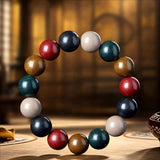
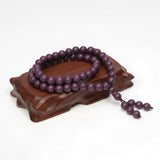
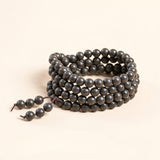
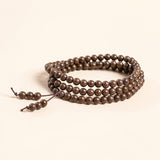
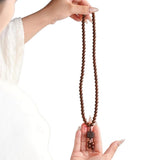
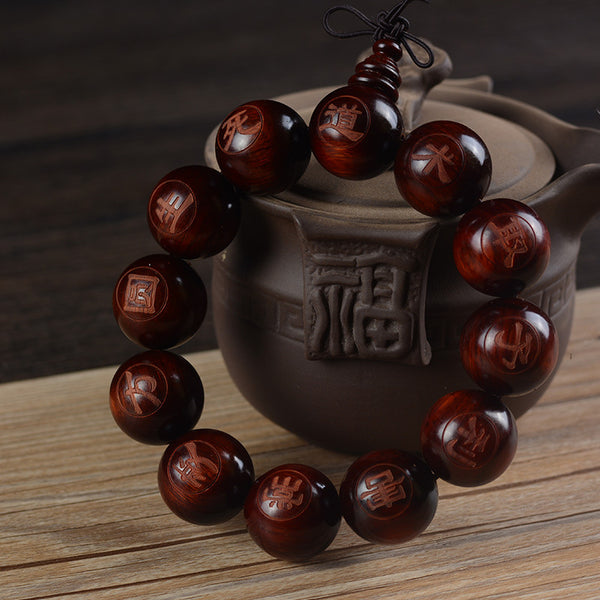
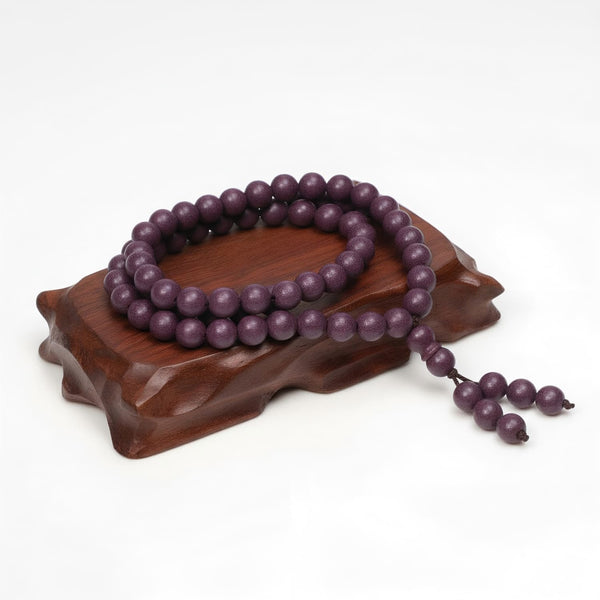
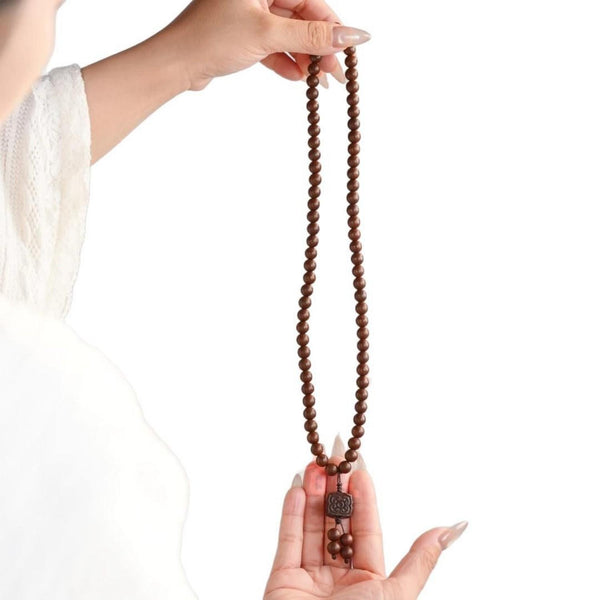
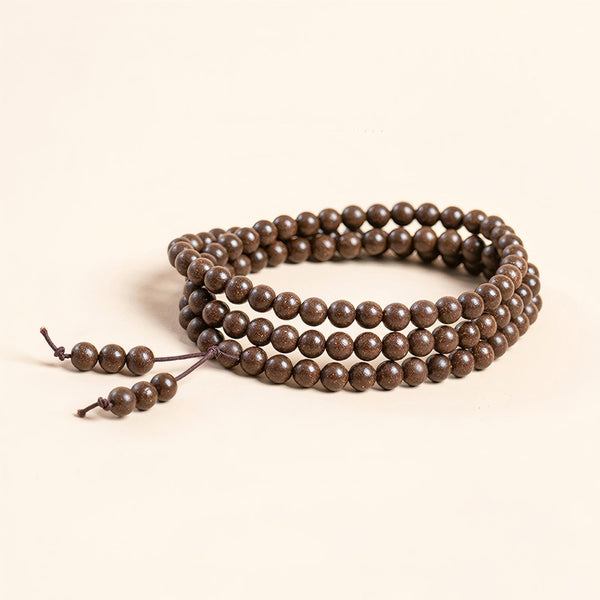
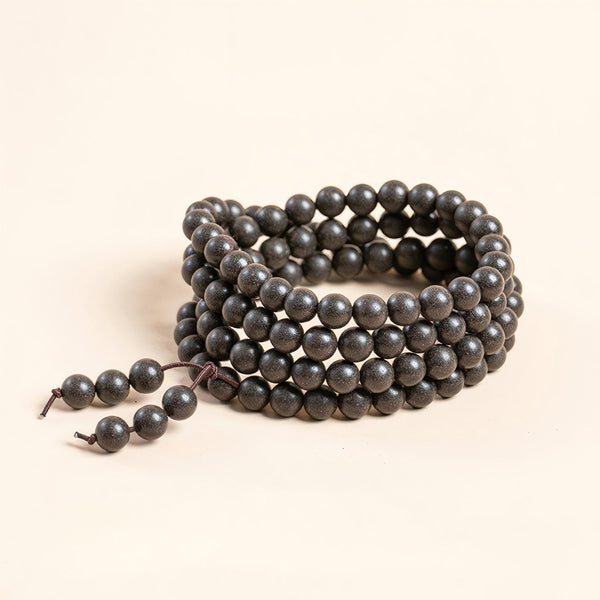
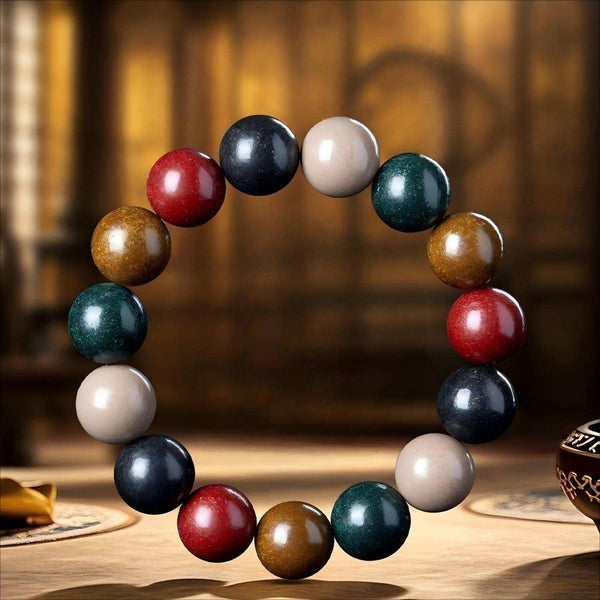
Consider bead size, total weight, surface, color, strand construction, and how far the bracelet projects from the wrist. Lower-profile beads may work more easily around sleeves and keyboards. Larger beads are more visually and tactilely prominent. Neither is inherently more meaningful or effective.
4. Treat Scent as a Preference, Not a Benefit
For herbal incense or naturally scented beads, read the exact listing language. Scent intensity can vary by product, material, wear, storage, environment, and individual perception. Ask whether fragrance is welcome and appropriate in the recipient's home or workplace. Do not describe scent as a treatment for anxiety, sleep, focus, burnout, or mood.
5. Confirm the Care Commitment
A gift is easier to enjoy when the care requirements fit the recipient's routine. Check water exposure, sweat, cosmetics, desk friction, storage, and strand inspection. If someone wants jewelry they can wear in a pool, shower, or intensive workout, a natural bead bracelet with dry-care instructions may not be the right format. Review the Bracelet Care and Materials Guide before buying.
Write a Milestone Note Without Making a Promise
A useful note names what the recipient did, why it mattered, and what the giver appreciates. For example: "You completed the certification while balancing a demanding year. I chose this bracelet to mark the work you finished and the next chapter you chose." This honors the person rather than claiming the object caused or predicts the achievement.
Avoid messages such as "this will protect your success," "wear it to stop self-doubt," or "these beads attract opportunity." If symbolic meaning matters to the recipient, frame it as the giver's intention or the wearer's chosen association, not as a product property.
The bracelet journaling prompts can help the recipient record the story later. The natural bead bracelet care kit is a practical companion when care supplies would make the gift easier to maintain.

Compare Current Product Facts Before Ordering
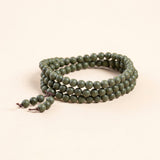
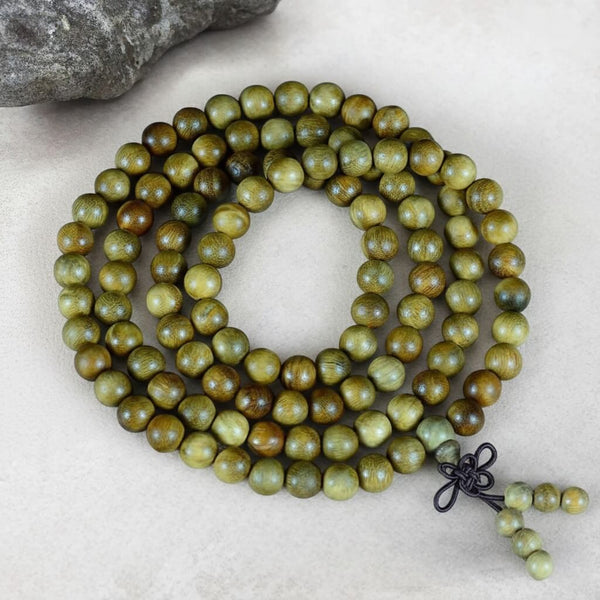
Open the Natural Herbal Incense Bracelets collection to compare current designs. The Green Sandalwood bracelet is one accurately linked example, not a universal milestone gift. Verify the current title, images, options, dimensions, price, materials wording, inventory, and care on the product page at the time of purchase.
If any listing is unclear, ask before ordering rather than filling the gap with assumptions about origin, ingredients, sustainability, religious meaning, or emotional effect.
Save the product page, order confirmation, and care instructions with the gift receipt when available. Check the current return or exchange terms before purchasing a surprise size. If the bracelet cannot be exchanged, a direct conversation about wrist measurement and scent preference is more thoughtful than preserving the surprise at the cost of an unusable gift.
After giving the bracelet, let the recipient decide whether, when, and how to wear it. A milestone gift should recognize their completed work without creating an obligation to display the jewelry or accept the giver's interpretation.
Frequently Asked Questions
Q1: What milestones suit a bracelet gift?
A: Graduations, completed projects, promotions, launches, relocations, and personal anniversaries can work when the recipient likes bracelets and the message names the event specifically.
Q2: Can I call it a success bracelet?
A: You can describe it as a bracelet given for a success or milestone. Do not claim the product attracts success, luck, confidence, or protection.
Q3: How do I choose the size secretly?
A: Compare with a bracelet the recipient already wears or ask someone close to them. Do not assume clothing size predicts wrist fit.
Q4: Should the note explain symbolic meaning?
A: Only if the meaning is personal or supported by an accurate source. Present it as an intention or association, not a guaranteed property of the beads.
Q5: What if the recipient does not like scent?
A: Choose an unscented alternative or another jewelry format. Scent preference and shared-space rules matter more than a marketing story.