





Intro

This article explores how the quiet fear of success can keep you from your potential — and how to meet it with gentleness. Inspired by Kenlina’s philosophy of calm, presence, and balance, it offers seven mindful signs and practices using breath, scent, and compassion to help you move from hesitation to harmony — at your own pace.

When “Good News” Feels Unsettling
Picture this: a golden opportunity lands in your lap — the promotion you wanted, a chance to speak, to create, to lead. You should be thrilled. Yet somehow, instead of diving in, you start rearranging your desk, refilling your teacup, checking your phone.
You tell yourself you’re “getting ready,” but deep down, you’re not avoiding the task — you’re avoiding the feeling.
At Kenlina, we’ve come to see these moments not as weakness, but as whispers from the body asking for gentleness. The fear of success doesn’t mean you don’t want to grow. It means a part of you still associates growth with danger — visibility, change, pressure. But fear can be softened. With each breath, each mindful pause, we can learn to meet it differently.
Understanding the Fear of Success - A Hidden Form of Self-Protection
Fear of success is rarely obvious. It hides behind procrastination, over-planning, or perfectionism. It’s not the success itself that scares us — it’s what success might change.
More attention. More responsibility. More expectations. More potential to fail publicly.
Psychologists call it a form of self-protective anxiety, often rooted in experiences of criticism, guilt, or social conditioning. For some, success once brought stress or jealousy; for others, visibility once meant vulnerability. The mind learned: “If I grow too much, I’ll lose my peace.”
Fear of failure says, “What if I can’t?”
Fear of success says, “What if I can — and it changes everything?”
Both arise from the same place — a nervous system trying to stay safe.
Kenlina Reflection: Every hesitation hides a heartbeat asking for peace, not perfection.
Why We Hold Back — Three Layers of Resistance
Beneath hesitation often lie three quiet forces — in the body, the mind, and the world around us.
The Body — When Calm Feels Unsafe
The nervous system doesn’t always distinguish between excitement and threat. When success looms, your heart races, your breath shortens, your shoulders tense. It’s your body’s way of bracing for change.
The Mind — The Over-Thinker Within
Perfectionism, impostor syndrome, guilt, and fear of rejection are the mind’s defense mechanisms. “If I don’t try, I can’t fail. If I stay small, I can’t be judged.”
The World — The Fear of Standing Out
In some cultures, standing tall invites envy or criticism — the tall poppy syndrome. For many women and sensitive achievers, success once came with emotional cost: scrutiny, isolation, or pressure to sustain the image.
Kenlina Reflection: The fear of standing tall is simply the wish to stay safe — but growth, too, can be gentle.
7 Gentle Signs You Might Fear Success (and How to Soothe Them)
Each sign is an invitation to look inward — not with judgment, but with curiosity.
Pause, breathe, and notice where these patterns might live in you.
1. Procrastination — The Pause Before the Leap
You find endless reasons to delay — cleaning, scrolling, reorganizing — anything but the next step forward. Beneath it isn’t laziness; it’s the nervous system’s attempt to buy time.
Try this:
Before forcing yourself into action, stop. Light a piece of calming incense and take three slow 4-7-8 breaths. As you exhale, whisper to yourself: “It’s safe to move slowly.”
When you honor the pause instead of judging it, the resistance begins to melt.
Kenlina Reflection: Sometimes stillness before action is not avoidance — it’s your soul catching its breath.
2. Self-Sabotage — The Fear of Being Unready
You set yourself up to stumble — missing deadlines, under-preparing, or making last-minute changes. It’s your mind trying to regain control over uncertainty.
Try this:
Use the Pause-and-Choose method:
- When you notice self-sabotage, pause.
- Breathe deeply once.
- Ask, “What am I protecting myself from?”
Then choose one small, kind step forward — a draft, a message, a single page.
Kenlina Reflection: Calm choices bloom where panic once lived.
3. Downplaying Achievements — The Shrinking Habit
You brush off compliments or tell yourself, “It wasn’t a big deal.” Shrinking keeps you safe from envy, expectation, or change — but it also dims your light.
Try this:
Write down three things you’re proud of today, no matter how small. Light incense and read them aloud. Let the air carry your words like a quiet celebration.
Kenlina Reflection: It’s safe to let your light be seen.
4. Avoiding Opportunities — The Retreat from Visibility
You say no to promotions, projects, or collaborations, not because you can’t — but because being seen feels uncomfortable.
Try this:
Reframe the opportunity into the smallest next step. Instead of “take the promotion,” tell yourself, “have one honest conversation.” Success doesn’t have to be a leap; it can be a slow unfurling.
Kenlina Reflection: Courage is quiet; it begins with a single breath.
5. Excessive Worry — The Endless “What-Ifs”
Your mind runs wild with worst-case scenarios — success leading to burnout, jealousy, or pressure. But worry is imagination disconnected from breath.
Try this:
Write your fear in this format:
“If this happens, then I will…”
Example: “If I make mistakes, then I will learn and adapt.”
This If-Then reframing transforms fear into preparation — a signal that you can handle what comes.
Kenlina Reflection: Worry is imagination without breath — bring your breath back, and the storm softens.
6. Reluctance to Set Goals — The Fear of Expectation
You avoid goal-setting because ambition feels arrogant or unsafe. If you don’t define success, you can’t disappoint anyone — even yourself.
Try this:
Replace “SMART goals” with Gentle Goals:
Small, Meaningful, Aligned, Realistic, Time-held.
These goals honor both progress and peace.
Kenlina Reflection: Gentle goals grow stronger roots.
7. Feeling Unworthy — The Quiet Voice of Doubt
When opportunity arises, a whisper says, “I’m not ready,” or “I don’t deserve it.”
This belief often comes from old messages — childhood, comparison, or shame.
Try this:
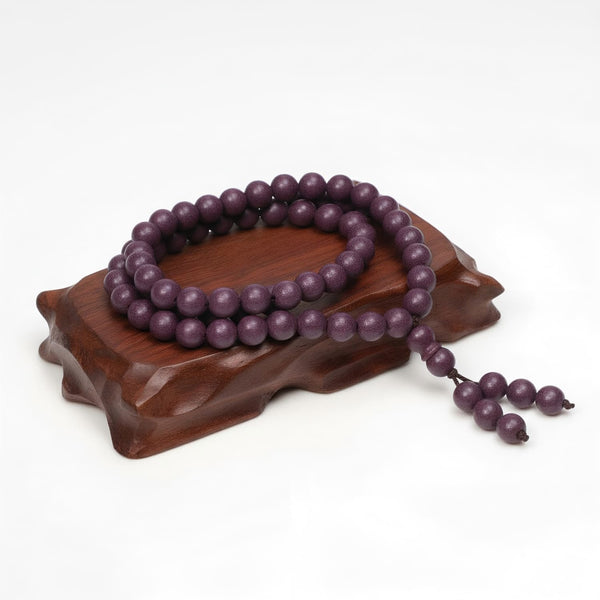
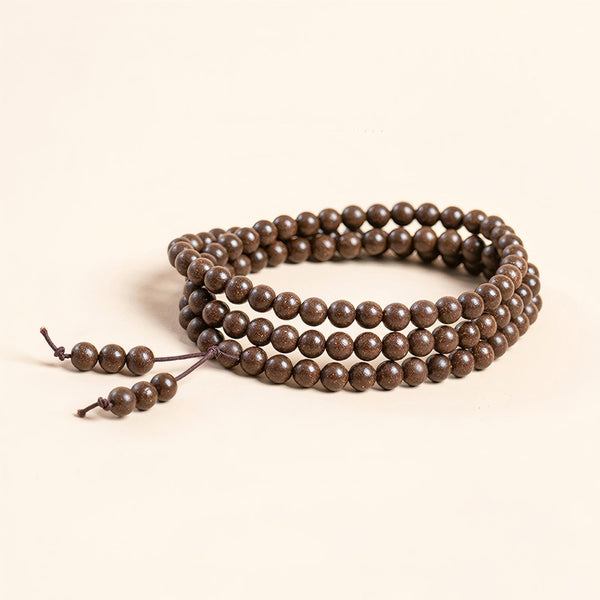
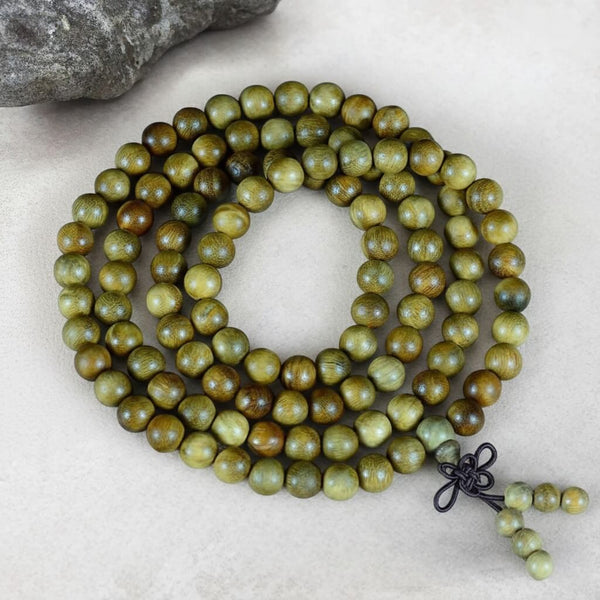
Hold your bracelet or a meaningful touchstone close. Breathe deeply and repeat:
“I deserve peace and progress. My worth isn’t earned — it’s remembered.”
Kenlina Reflection: You are worthy, even when your heart forgets.
From Fear to Flow — A Three-Step Gentle Path
You don’t have to force your way through fear. You can flow through it — softly, slowly, sustainably.
Awareness — Name It Without Judgment
Simply noticing the pattern breaks its power. Write down moments you held back. Ask: “What was I protecting?”
Regulation — Breathe, Scent, and Soften
Use scent to cue your nervous system: inhale calm, exhale tension. One drop of essential oil, a bead between your fingers, a single mindful breath.
Connection — Share and Receive
Speak your fears aloud — to a mentor, a therapist, or a trusted friend. Being heard dissolves shame.
Growth doesn’t mean going it alone.
Kenlina Reflection: When fear meets gentleness, transformation begins.
The 7-Day Gentle Practice Plan
| Day | Focus | Practice |
| 1 | Awareness | Notice one moment you hesitate. Write what triggered it. |
| 2 | Breath | Practice 4-7-8 breathing with your favorite incense. |
| 3 | Compassion | Write three kind sentences to yourself. |
| 4 | Action | Take one small step toward a paused goal. |
| 5 | Gratitude | List three wins — no matter how tiny. |
| 6 | Connection | Share one fear or success with someone safe. |
| 7 | Reflection | Light incense, breathe deeply, celebrate your progress. |
Kenlina Reflection: Progress feels gentle when you move with presence.
When to Seek Support
If your fear of success repeatedly holds you back — if you avoid opportunities, lose sleep, or feel constant self-doubt — professional guidance can help.
Cognitive-behavioral therapy (CBT), mindfulness-based coaching, or gentle accountability circles can rebuild your confidence.
Reaching out is not a failure of strength; it’s an act of wisdom.
Even healers need healing. Even calm souls need comfort.
Kenlina Reflection: Sometimes calm begins by letting someone else hold space for you.
Kenlina’s Promise — Carrying Calm Beyond Ourselves
At Kenlina, our work is rooted in care — for ourselves, and for the world that breathes with us.
That’s why 1% of every purchase supports the Anxiety and Depression Association of America (ADAA) — an organization that offers resources, research, and hope for those navigating anxiety and depression.
Each month, we also make an additional contribution, honoring the community that once helped us find our own calm. Through this partnership, every bracelet, every scent, every mindful breath you take carries peace to someone who needs it most.
Even in a world that feels uncertain, peace remains possible — and shareable.
Closing Reflection — Redefining Success
What if success wasn’t about doing more, but about feeling at home in what you do?
What if the true measure of achievement was the steadiness of your breath, not the size of your accomplishments?
Success, in its truest form, is not about reaching higher — it’s about rising calmly.
Tonight, light a gentle scent. Inhale deeply. Feel your pulse slow.
Remind yourself that success and serenity can coexist — that your ambition doesn’t have to cost your peace.
Breathe deeper. Find stillness. Carry peace.
FAQ
Q1. What can fear of success look like?
A: It can look like delay, over-preparing, shrinking from visibility, or feeling unsettled after good opportunities appear.
Q2. How can I move through fear of success gently?
A: Name the fear, slow your breath, and choose one small step that honors both ambition and safety.
Q3. Does fear of success mean I do not want growth?
A: No. It often means growth matters, but your body needs a steadier pace and clearer support.