






Intro

High-functioning depression often looks nothing like the images we associate with depression.
It doesn’t always look like tears, isolation, or an inability to get out of bed.
Sometimes, it looks like a woman who wakes early, prepares breakfast for her family, shows up for work, meets every deadline, and seems perfectly composed—even as she feels a heaviness deep inside.
Sometimes, it looks like a friend who always says, “I’m fine,” even though she feels numb.
Sometimes, it looks like you—moving through life with quiet strength while carrying an ache you rarely name.
High-functioning depression is not about failing to keep up with life.
It’s about keeping up so well that your inner struggle goes unnoticed—even by you.

Before we go further, take a slow breath.
Inhale gently…
Exhale softly…
Let your body settle.
This is not a space for judgment.
This is a space for understanding, compassion, and calm.
About High-Functioning Depression
What High-Functioning Depression Really Feels Like
High-functioning depression (also called Persistent Depressive Disorder or PDD) is often described as a quiet sadness that sits beneath your everyday life. You still function—sometimes even exceptionally well—but the emotional weight remains constant.
People who live with high-functioning depression often describe:
- “I feel like I’m living underwater.”
- “I show up for everyone but feel empty inside.”
- “I’m exhausted from pretending to be okay.”
- “Other people rely on me, so I keep moving, even when I’m running on fumes.”
The most painful part isn’t always the sadness.
It’s the silencing—the way you invalidate your own pain because your life looks “fine.”
You deserve compassion, not comparison.
Pain is valid even when it isn’t dramatic.
A Gentle Explanation (Not a Diagnosis)
High-functioning depression is recognized clinically as Persistent Depressive Disorder—a chronic low mood lasting two years or more. But labels aside, what truly matters is how you feel.
This emotional landscape often includes:
- low mood that lingers even on “good days”
- feeling disconnected from joy
- forcing yourself through routine
- showing competence while feeling internally fragile
- a quiet sense of hopelessness
- the belief that “this is just how my life is now”
We offer this description not to diagnose you—but to help you recognize what your heart may have been whispering for years.
If you ever feel unsure, speaking with a mental health professional can offer clarity and support. Mental health is complex; you don’t have to navigate it alone.
Signs and Symptoms (Through the Lens of Self-Compassion)
Below are common signs of high-functioning depression—described gently, with emotional validation.
If any of these resonate, place a hand on your heart and remind yourself:
“Recognizing pain is an act of courage.”
1. Persistent Low Mood
A quiet sadness follows you through the day. You function, but joy feels muted.
Reflection:
Let your breath soften. You’re not weak for feeling this way.
2. Loss of Interest
Activities you once loved—reading, cooking, being outside—feel heavy or colorless.
Reflection:
Your heart may simply be tired, not broken.
3. Constant Fatigue
You’re exhausted even with adequate sleep. Emotional labor drains the body too.
Reflection:
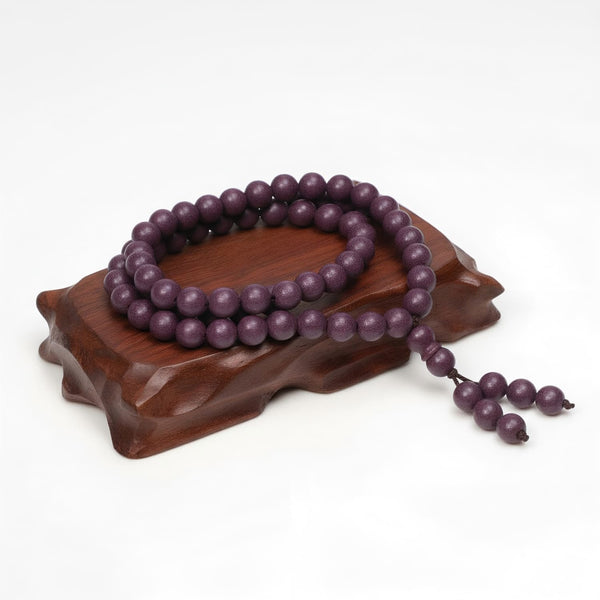
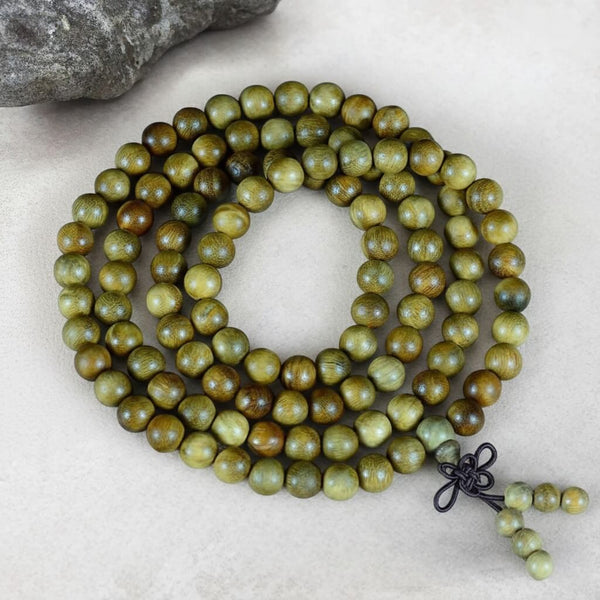
Hold a bracelet bead between your fingers—remind your body it deserves rest.
4. Appetite or Weight Changes
Eating feels inconsistent—too much or too little.
Reflection:
Your body is trying its best to cope.
5. Harsh Self-Criticism
An inner voice that whispers: “You’re not enough.”
Reflection:
Your worthiness is not up for debate.
6. Difficulty Focusing
Even simple tasks require more energy than they should.
Reflection:
Your mind is overloaded, not incapable.
7. Irritability
Small frustrations trigger bigger reactions.
Reflection:
Your nervous system is overwhelmed—not flawed.
8. Sleep Changes
Trouble falling asleep, staying asleep, or waking unrefreshed.
Reflection:
Your body is asking for gentleness.
9. Social Withdrawal
You appear “fine” around others but feel drained afterward.
Reflection:
Your energy is precious.
10. High Performance + Inner Pain
You achieve, contribute, show up, yet feel disconnected internally.
Reflection:
Holding everything together is not the same as being okay.
If any of these resonate, please know:
your experience is real, valid, and worthy of support.
PDD vs Major Depression (Explained Gently)
High-functioning depression/PDD:
- consistent low mood
- lasting years
- less intense but more enduring
- you often still function “normally”
Major Depressive Disorder (MDD):
- more intense wave of symptoms
- includes episodes lasting 2+ weeks
- may include severe loss of functioning
You can experience both—called “double depression.”
If this feels confusing, that’s normal.
Mental health rarely fits neatly into boxes.
A professional can help you explore what feels true for you.
The Hidden Struggles No One Sees
People with high-functioning depression often:
- feel guilty for feeling unhappy
- hide their pain to avoid burdening others
- push through exhaustion
- excel externally while struggling internally
- feel emotionally alone
- compare their pain to “worse suffering” and minimize it
But suffering doesn’t require permission.
Your heart does not need to justify why it hurts.
Risk Factors (Framed with Compassion)
You may be more vulnerable to high-functioning depression if you’ve experienced:
- ongoing stress
- trauma or childhood emotional wounds
- chronic illness
- hormonal shifts
- perfectionism
- people-pleasing tendencies
- isolation
- grief or major transitions
- family history of depression
But none of these mean you’re “broken.”
They simply help explain your emotional landscape.
Your pain makes sense in context of your life.
Gentle Ways to Support Yourself (The Kenlina Path)
Healing is not linear—it is rhythmic, like the breath.
Here are soft, grounding ways to support yourself.
1. Mindfulness & Breath (Return to Your Body)
Try a simple grounding breath:
Inhale for 4
Exhale for 6
Place your hand on your chest.
Let your breath lower your shoulders.
2. Touch Grounding with a Bracelet
Roll one bead between your fingers.
Feel the texture, weight, warmth.
Touch can calm the nervous system faster than thought.
3. Scent as Emotional Soothing
Herbal scents can signal safety to the brain.
Inhale gently.
Let your senses guide your nervous system back to center.
4. Gentle Movement
Walking, stretching, slow yoga—
movement shifts emotion through the body.
5. Small, Sustainable Self-Care
- drinking water
- going outside for 2 minutes
- journaling one sentence
- eating something nourishing
Small care is still care.
6. Social Connection (Even Small Moments)
Send a text.
Sit near someone supportive.
Listen to a gentle voice.
Connection doesn’t need to be big to be healing.
7. When Needed Professional Support
Therapists, counselors, or mental health clinicians can offer guidance.
Seeking help is an act of self-respect, not weakness.
This is why we support emotional wellness through our partnership with the Anxiety and Depression Association of America (ADAA), because everyone deserves access to care, compassion, and hope.
When to Seek Support (A Gentle Reminder)
Consider reaching out if:
- your low mood lasts weeks or months
- you feel disconnected from joy
- daily tasks feel heavy
- hopelessness grows
- your energy is consistently low
- you feel alone in your emotions
Professional support offers clarity, tools, and relief.
You deserve that support.
Building a Support System (You’re Not Meant to Do This Alone)
Recovery becomes softer when you have:
- one friend you can speak honestly with
- community spaces or support groups
- loved ones who offer non-judgmental presence
- rituals that help you feel grounded
- mental health resources
Support networks don’t need to be large - only safe.
Frequently Asked Questions
Q1: Is high-functioning depression real?
A: Yes. Many people live with persistent low mood while still functioning externally.
Q2: How is it different from major depression?
A: High-functioning depression is long-lasting and lower-intensity; major depression is intense and episode-based.
Q3: Why don’t people notice it?
A: Because you keep showing up, working, helping, and holding everything together.
Q4: What triggers high-functioning depression?
A: Stress, trauma, hormonal changes, grief, chronic overwhelm, or emotional suppression.
Q5: Can it get better?
A: Yes with support, grounding practices, emotional awareness, and sometimes therapy.
Q6: Should I talk to someone?
A: If your heart or body says “I’m tired,”
that’s enough reason.
A Closing Note from Kenlina
If you are living with high-functioning depression, you are not weak.
You are not dramatic.
You are not failing.
You are carrying a weight the world cannot see.
And still - you wake up.
You care.
You show up.
You keep going.
There is strength in you that you rarely acknowledge.
Let this be your reminder:
You deserve help.
You deserve rest.
You deserve gentleness.
You deserve mornings that feel soft.
You deserve nights that feel peaceful.
You deserve a life where you feel alive inside—not just functioning.
Take one last slow breath.
Breathe deeper. Find stillness. Carry peace.
FAQ
Q1. What does high-functioning depression mean?
A: It is a non-diagnostic phrase people use when someone appears to function outwardly while struggling internally.
Q2. Should I self-diagnose from an article?
A: No. Articles can help with reflection, but diagnosis and treatment decisions should come from qualified professionals.
Q3. What is one gentle support step?
A: Tell one trusted person what has been hard, reduce one unnecessary demand, and consider professional support if symptoms persist.