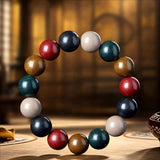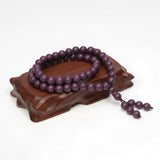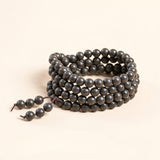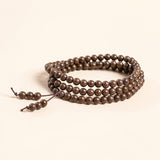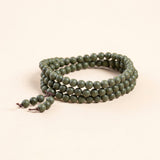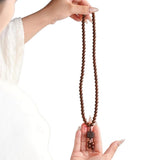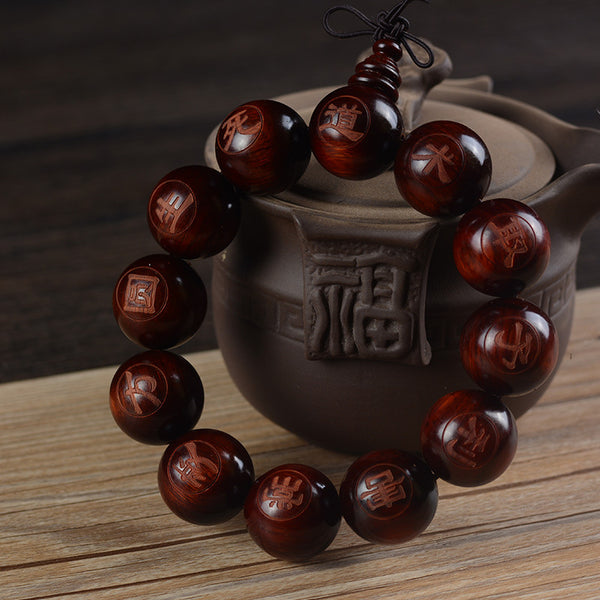
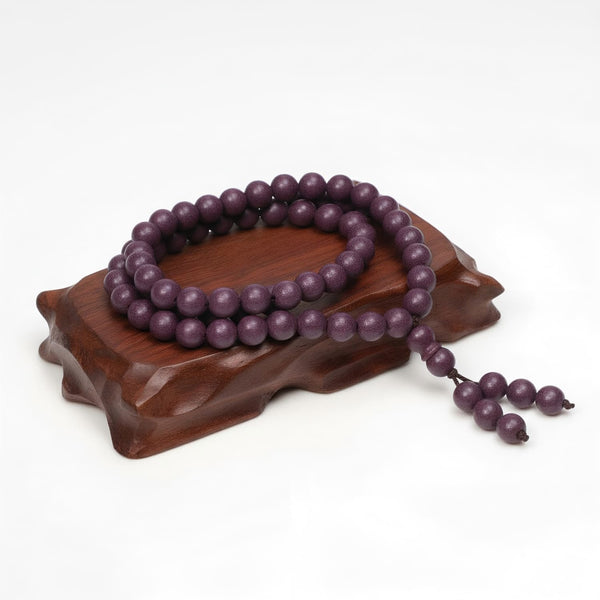

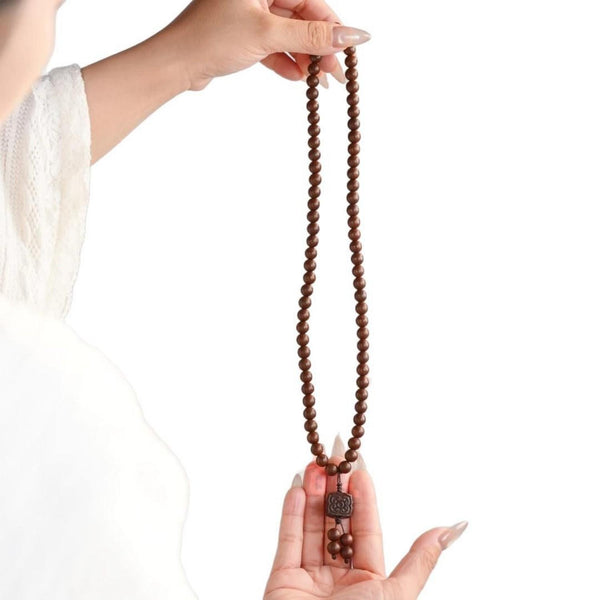

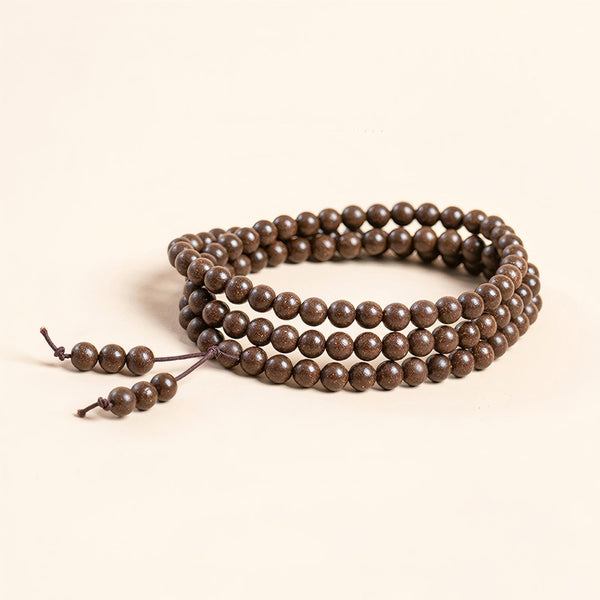
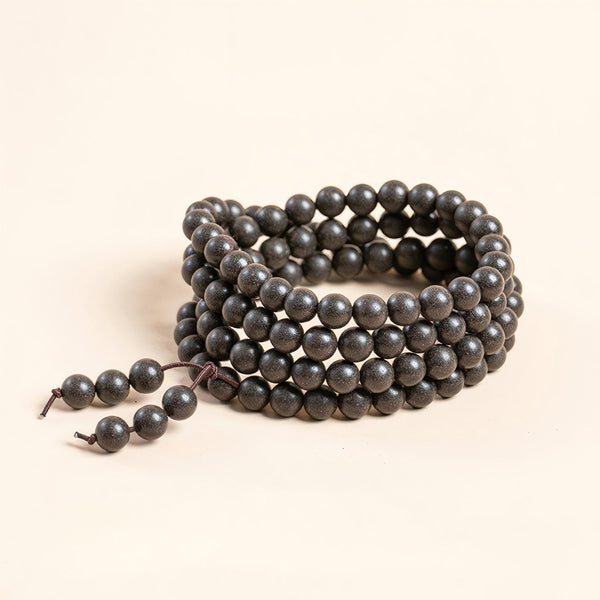
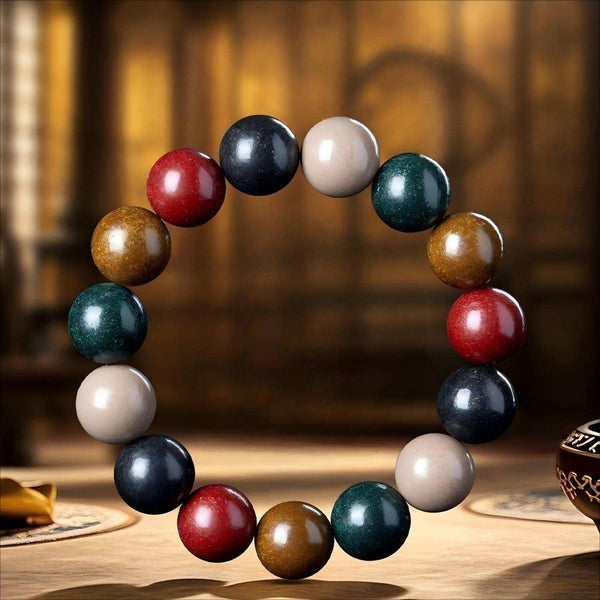
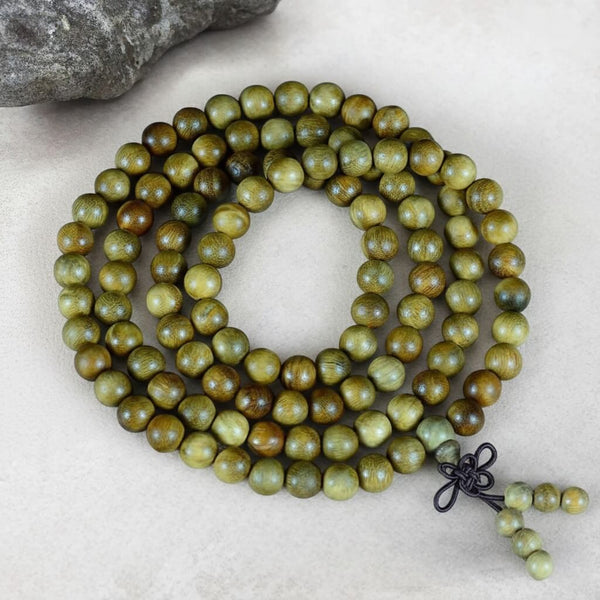
Short answer: Bracelet cord care means checking the strand for stretching, fraying, flattened sections, loose knots, growing gaps, damaged hardware, and changes in how the bracelet sits. Stop wearing it when the cord no longer holds the beads securely. Restringing should match the original bead holes, construction, tension, and components; this article does not promise that every bracelet can be repaired or that Kenlina provides a repair service.
This guide focuses on cord and stringing. Use Kenlina's Bracelet Care and Materials Guide for the complete product-care system.
Bracelet Cord Care
Inspect a frequently worn bracelet under good light. Turn the strand slowly without pulling it apart. Look between beads, near knots, beside metal components, and around any area that bends more than the rest.
A quick check after wear is more useful than waiting for a dramatic break. Cord condition is a mechanical issue; it does not indicate energy, luck, protection, or a spiritual message.

Signs a Stretch Bracelet May Need Restringing
- The bracelet remains larger after it is removed.
- Clear gaps appear between beads where none existed before.
- Elastic fibers are visible, fuzzy, flattened, cracked, or discolored.
- The knot is moving, loosening, or emerging from its protected position.
- The bracelet twists or hangs differently because tension is uneven.
One sign may be enough to stop wearing the strand. Continuing to stretch weakened elastic increases the chance that beads will scatter or strike a hard surface.
Signs a Knotted or Woven Cord Needs Attention
Look for fraying, worn-through fibers, loose knots, slipping adjustable sections, cuts near bead holes, and deformation near a clasp or charm. Darkening alone may come from ordinary handling, but a structural change should not be dismissed as natural aging.
Do not burn, glue, or coat a damaged cord as a universal repair. Heat, adhesive, and chemicals may affect nearby beads, finishes, skin contact, and future repair options.
How Daily Habits Wear a Bracelet Cord
Repeatedly pulling one narrow section over the hand concentrates stress. Water, sweat, lotion, sanitizer, perfume, and cleaning products may contact both the beads and the stringing. Desk edges, gym equipment, bags, and layered jewelry add friction.
Roll a stretch bracelet gently over the hand instead of pulling one point. Remove it before bathing, swimming, cleaning, heavy exercise, or tasks likely to snag the strand. The sibling guide to herbal incense bracelet care mistakes covers the broader handling risks.
When to Stop Wearing the Bracelet
Stop when the cord is visibly frayed, permanently stretched, cut, loose at the knot, unstable near hardware, or no longer holding the beads evenly. Also stop if a cracked bead has a sharp hole edge that may cut new cord.
Place the bracelet flat in a small container so no components are lost. Photograph the original order, bead sequence, knots, spacers, and charms before anything is taken apart.
Keep the order confirmation or product URL with those photographs. A repair assessment is more reliable when the original variant, wrist size, and visible construction can be compared. Do not assume a similar-looking bracelet used the same cord or knot.

What a Restring Assessment Should Confirm
- Whether the beads and holes are stable enough to reuse.
- The original or intended wrist fit.
- The cord type, diameter, and construction required.
- The position of knots, markers, spacers, charms, and hardware.
- Whether any component is missing, sharp, corroded, or damaged.
A replacement cord that is too thick may not pass through the holes; one that is too thin or incorrectly tensioned may change fit and movement. An experienced repairer should evaluate the exact strand. Kenlina does not promise a restring service in this article.
Can You Restring a Bracelet at Home?
Some simple bracelets can be restrung by an experienced person with the right materials, measurements, and knotting method. Others include complex patterns, delicate beads, hidden knots, metalwork, or product-specific assembly.
If you cannot identify the construction, stop before cutting the strand. Ask the seller or a qualified jewelry repair professional. This guide intentionally does not provide one universal knot or cord specification.
Water Exposure and Cord Drying
If the bracelet becomes wet, blot gently and allow indoor air-drying away from heat. Do not wear or seal it while damp. The article Can Herbal Incense Beads Get Wet? covers direct moisture in detail.
Choose Construction Before Purchase
Use the incense bracelet selector to review stretch, clasp, cord, fit, and care before buying. Clear construction information is part of product quality communication.
The Ancient Herbal Incense Beads page provides one current listing. Compare other products in the Natural Herbal Incense Bracelets collection.
FAQ
Q1. How often should I check bracelet cord?
A: Check frequently worn strands briefly after wear and before travel or high-activity days. Inspect immediately if the fit changes.
Q2. Does stretched elastic return to normal?
A: Permanent gaps or looseness can indicate wear. Stop wearing the strand and have the construction assessed.
Q3. Can I glue a loose bracelet knot?
A: Do not use adhesive as a universal repair. It may affect beads, skin contact, and later restringing.
Q4. Can every natural bead bracelet be restrung?
A: No guarantee applies. Bead holes, cracks, hardware, missing components, and construction determine whether repair is practical.
Q5. Does Kenlina provide restringing?
A: This article does not promise a repair service. Contact current customer support with the product and order details for available options.