






All Articles
Learn what you want
News
-

Meditation Jewelry vs Ordinary Jewelry
Short answer: Meditation jewelry is not better than ordinary jewelry for every person. The difference is how you use it. Ordinary jewelry is often chosen for style, color, outfit, or occasion. Meditation jewelry can also be beautiful, but it is usually chosen as a tactile reminder for breath, presence, intention, or a small daily ritual.
That difference sounds simple, but it changes the way a piece lives with you. A necklace can be something you wear because it finishes an outfit. A bracelet can be something you notice when your day becomes too fast. A bead can be a small place for your attention to land before you answer a message, begin a meeting, or close the evening.
At Kenlina, we think of meditation jewelry as mindful jewelry for ordinary life. It does not need to be dramatic, mystical, or complicated. It does not promise to erase pressure, solve difficult feelings, or change your life overnight. Its value is quieter than that. It gives you a physical cue that can support a repeatable moment of pause.
If you are deciding between meditation jewelry and ordinary jewelry, the useful question is not only "Which one looks best?" The better question is "What role do I want this piece to play in my day?"

What Ordinary Jewelry Usually Does Well
Ordinary jewelry has its own honest purpose. It can make an outfit feel complete, mark a special event, express taste, carry a memory, or add polish to everyday clothing. A simple chain, ring, earring, or bracelet can be enough because it feels beautiful on the body.
For many people, that is the whole reason to wear jewelry. There is nothing wrong with that. Beauty matters. Personal style matters. Sometimes you want a piece because the color works with your clothes, the shape flatters your hand, or the design makes you feel more like yourself.
Ordinary jewelry can also hold emotional meaning. A gift from someone you love, a piece bought during travel, or a family item can become deeply personal. It may not be meditation jewelry, but it can still carry memory and affection.
The difference is that ordinary jewelry is usually not designed around a practice. It may have meaning, but it does not necessarily give you a method for using that meaning during the day. It decorates, expresses, remembers, or celebrates. Those are real jobs.
What Makes Jewelry "Meditation Jewelry"
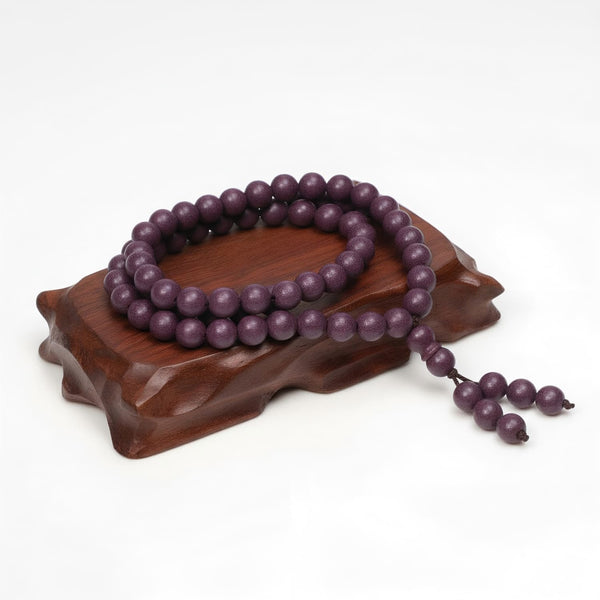
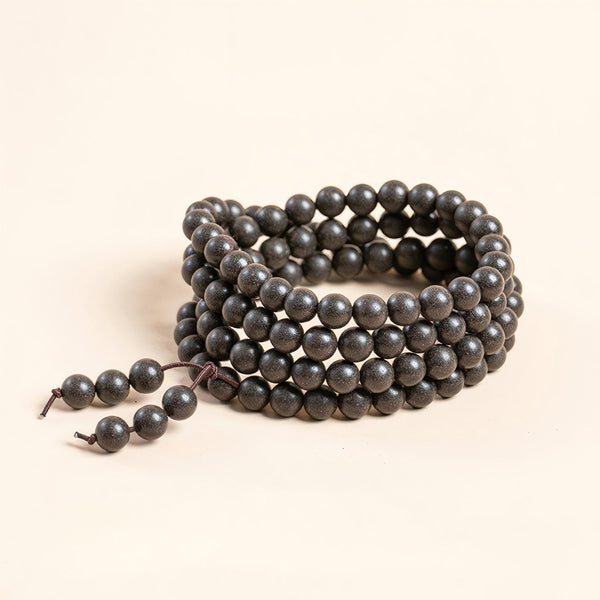
Meditation jewelry becomes different when the piece is connected to attention. A meditation bracelet, mala necklace, or mindful bead strand gives your hands something repeatable to touch. The object becomes part of a practice: one breath, one bead, one pause, one intention.
This does not mean the jewelry has to look religious or formal. A piece can be subtle enough for work, travel, errands, or daily wear. What matters is that you know how you want to use it. You may touch three beads before a meeting. You may hold a bracelet during a two-minute work pause. You may use a necklace in an evening breathing ritual.
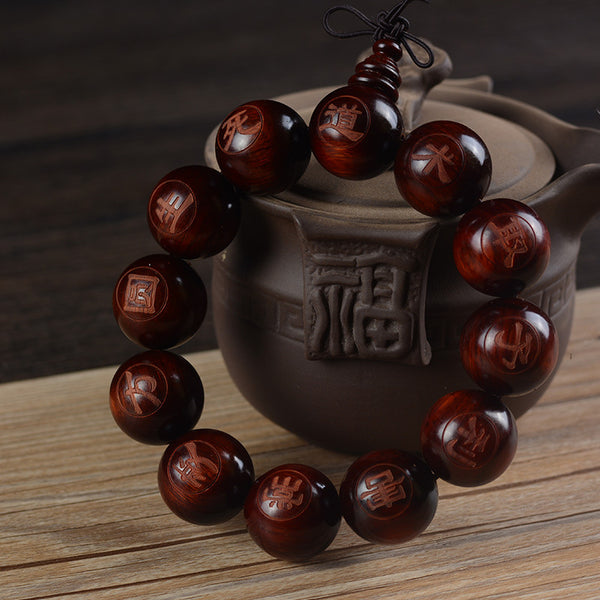
Meditation jewelry often has a tactile quality that ordinary fashion jewelry may not emphasize. Beads, natural textures, wood-inspired materials, herbal incense beads, and hand-friendly shapes invite touch. The piece is not only seen; it is felt.
That tactile side is important because attention can drift quickly. A physical cue brings the practice out of your thoughts and back into the body. You do not have to remember a long instruction. You touch the bead, breathe once, and begin again.
The Daily Use Difference
The biggest difference between meditation jewelry and ordinary jewelry appears in daily use. Ordinary jewelry may disappear into the outfit after you put it on. You know it is there, but you may not interact with it much. Meditation jewelry is meant to be noticed gently throughout the day.
For example, you might wear a bracelet while working. When you notice your shoulders getting tight, you touch one bead and take one breath. Before sending a tense message, you touch another bead and slow down for a moment. Before leaving work, you touch five beads and let each one mark something you are setting down.
That is not a huge practice. It is small on purpose. A daily ritual works best when it is simple enough to repeat on imperfect days. Meditation jewelry can support that repetition because it is already with you.
For a practical version of this idea, read 2-Minute Meditation Ritual for Work Stress. It shows how a short pause can become easier when your hands have a bead-by-bead rhythm.
Style First or Ritual First?
When you choose ordinary jewelry, style often comes first. You may ask whether it matches your clothes, whether it suits the occasion, or whether the metal tone works with your other pieces. These are visual questions.
When you choose meditation jewelry, ritual often comes first. You may ask whether the piece is comfortable to touch, whether the beads feel calming in the hand, whether the size works for daily wear, and whether the meaning is something you want to return to.
That does not mean meditation jewelry should ignore beauty. If you do not like how a piece looks, you probably will not wear it often. A mindful piece still needs to fit your style. The order simply changes. Instead of asking only "Does this look good?" you also ask "Will I use this as a reminder?"
The best piece sits between both worlds. It feels beautiful enough to wear and practical enough to use. It belongs in your life without asking for too much attention.
Touch Changes the Meaning
Touch is one of the clearest differences. Many ordinary pieces are mostly visual. You see them in the mirror, others see them on you, and the piece becomes part of your outward presentation. Meditation jewelry adds a private dimension. It gives you something to touch when you want to return inward for a moment.
A bead can become a tiny boundary between reaction and response. Before you answer too quickly, you touch the bead. Before you rush into the next task, you breathe once. Before you let the whole day become one blur, you pause long enough to notice your hand.
This kind of use is not about forcing calm. It is about creating a cue. The jewelry does not do the work for you. It simply makes the work easier to remember.
If you want a deeper guide to bead-based breath cues, read Bracelet Breathing Reminder: Daily Calm Ritual. It explains how a bracelet can become a simple reminder throughout a busy day.
Materials and Sensory Experience
Ordinary jewelry materials are often chosen for shine, durability, price, trend, or luxury value. Metals, stones, glass, pearls, crystals, and plated finishes can all create different visual effects. The material story is often about appearance and status.
Meditation jewelry may still use beautiful materials, but the sensory experience matters more. How does the bead feel between your fingers? Is the surface smooth, warm, dry, textured, or softly scented? Does the piece feel comfortable enough for repeated touch?
Kenlina's herbal incense bead pieces are designed around that tactile and sensory relationship. The point is not to overwhelm the wearer with fragrance. The point is a subtle, close-to-the-body experience that can become part of a daily pause. The bead is small, but the cue is clear.
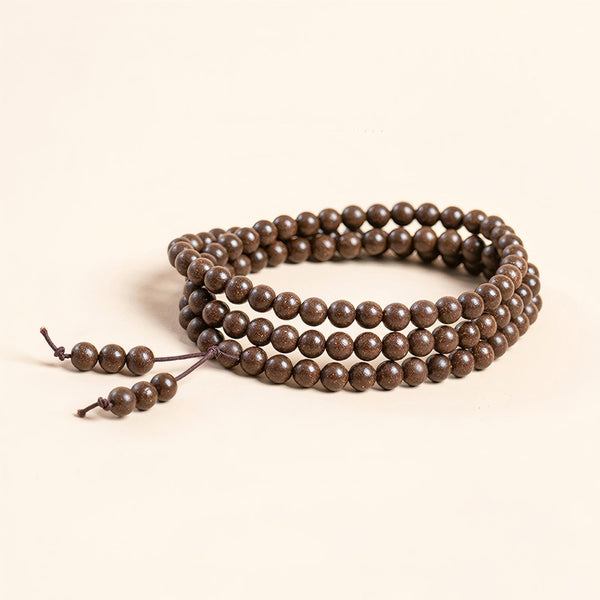
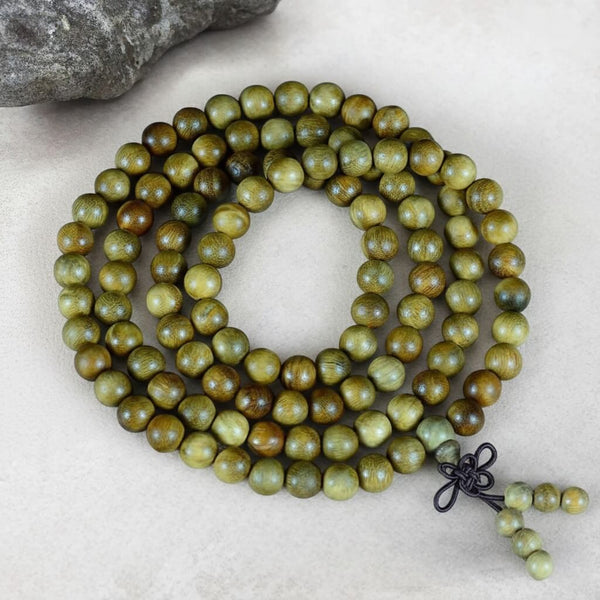
If you are drawn to sensory ritual, explore the Kenlina Natural Herbal Incense Bracelets. If you prefer a warmer natural look, the Kenlina Wood Series Bracelets may fit a quieter daily style.

Symbolism Without Overpromising
Meditation jewelry often carries symbolic meaning. A bracelet may represent balance, grounding, breath, self-trust, intention, protection, or transition. Symbolism can make a piece feel more personal because it gives the wearer a reason to return to it.
But symbolism should not become a guaranteed or magical promise. A mindful bracelet does not guarantee peace, health, confidence, or good outcomes. It is better understood as a reminder. The meaning gives you a word or direction to return to; your daily choices turn that meaning into practice.
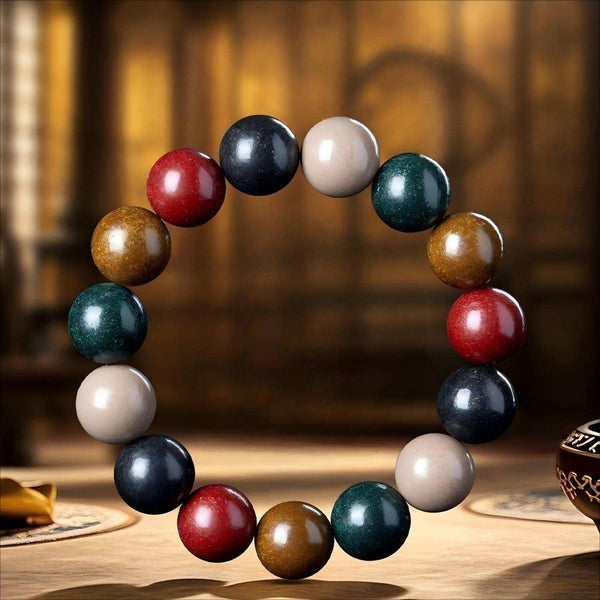
For example, the Kenlina Five Elements Herbal Incense Bracelet can be worn as a reminder of balance and relationship. The five elements can become a simple reflection structure: what needs movement, warmth, steadiness, clarity, or rest today?
That is very different from claiming the bracelet creates balance by itself. The bracelet is a touchstone. The practice is yours.
When Ordinary Jewelry Is the Better Choice
Ordinary jewelry may be the better choice when you mainly want a visual finish. If you are choosing something for a formal event, a specific outfit, a photo session, or a fashion statement, you may not need a ritual object. You may simply need a piece that looks right.
Ordinary jewelry can also be better if you do not want to attach meaning to what you wear. Sometimes jewelry should be easy. You put it on, enjoy it, and move on. Not every object needs a practice.
It may also be better if texture bothers you. Some people do not like beads, movement on the wrist, or anything they might fidget with. If a bracelet distracts you, it will not support a calm ritual. Comfort comes first.
When Meditation Jewelry Is the Better Choice
Meditation jewelry may be the better choice when you want your jewelry to help you remember a habit. If you are trying to create more mindful pauses, a bracelet or bead strand can make the habit easier to find during real life.
It can also be helpful if you like tactile reminders. Some people respond well to written notes, phone reminders, or calendar prompts. Others respond better to touch. A bead on the wrist is quiet and always close by.
Meditation jewelry is also useful when you want your style to carry private meaning. The piece can look simple from the outside while holding a personal intention for the wearer. No one else has to know what it means. That privacy can make the practice feel more natural.
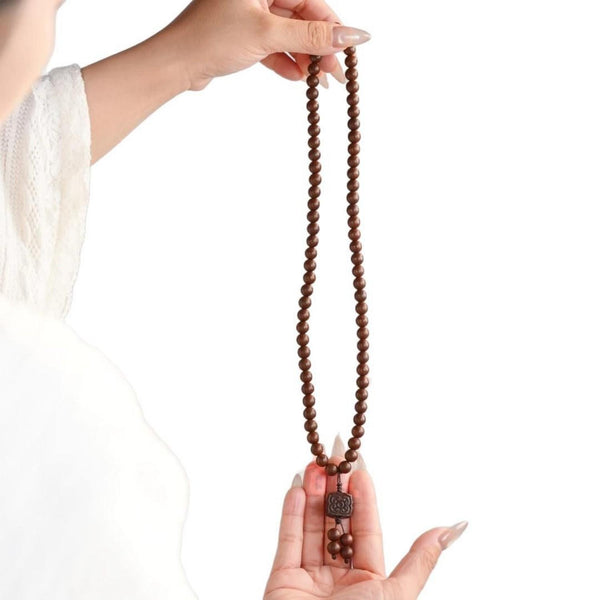
For format comparison, see Mala Necklace or Bracelet: Which Mindful Beads Fit Your Routine?. A bracelet often works best for quick daily cues, while a necklace or longer bead strand may suit slower seated practice.
A Simple Way to Choose
Ask three questions before buying. First, do I want this piece mainly for appearance, ritual, or both? If the answer is appearance, ordinary jewelry may be enough. If the answer is ritual, look for something comfortable to touch and easy to wear.
Second, when would I use it? Morning, work, travel, evening, meditation, prayer, journaling, or transitions between tasks all require slightly different pieces. A bracelet is convenient for quick pauses. A longer bead strand may be better for slower breath practice.
Third, what meaning do I want to return to? Choose one simple intention, not ten. Daily calm, balance, presence, softness, courage, or one thing at a time. The clearer the intention, the easier the jewelry becomes to use.
If a piece answers all three questions, it has a better chance of becoming part of your life instead of staying in a drawer.
A Small Ritual to Try
Try this before deciding whether meditation jewelry is right for you. Put on a bracelet or hold a small object. Take one normal breath and touch one point. Name the next thing you are about to do. Take another breath. Then begin.
Later in the day, repeat the same action before a transition. Do it before opening your inbox, before leaving the house, before starting dinner, or before closing your laptop. Keep it very small. The goal is to test whether touch helps you remember to pause.
If the touch cue feels natural, meditation jewelry may fit you. If it feels unnecessary, ordinary jewelry may be enough. Either answer is fine. The best piece is the one that supports your real life.
FAQ
Q1. What is the main difference between meditation jewelry and ordinary jewelry?
A: Ordinary jewelry is usually chosen for style, occasion, or personal expression. Meditation jewelry can also be beautiful, but it is used as a tactile reminder for breath, presence, intention, or a small daily ritual.
Q2. Does meditation jewelry have to be religious?
A: No. Some meditation jewelry is connected to spiritual traditions, but a mindful bracelet can also be used in a simple everyday way: touch one bead, take one breath, and return to the next step.
Q3. Can I wear meditation jewelry just because I like how it looks?
A: Yes. You do not have to use it in a formal practice. The most useful piece is often both wearable and meaningful, so it can support style, comfort, and quiet reminders at the same time.

-

How to Read a Traditional Chinese Incense Formula
A source-first method for reading historical Chinese incense formulas without turning a text, translation, or old use into an unsupported modern product claim. -

Can Herbal Incense Beads Get Wet? Water and Sweat Care
Herbal incense beads should be kept dry. Learn how to handle handwashing, rain, sweat, splashes, drying, storage, and daily bracelet care.
-

How Long Does Herbal Incense Bead Scent Last?
Herbal incense bead scent has no honest universal expiration date. Learn what changes scent strength, what gradual softening means, and how to store the beads without adding oil.


