

Short answer: Good bracelet etiquette for presentations means testing the jewelry with your real gestures, microphone, remote, podium, sleeves, and work surface before the event. Wear it only if it stays secure and quiet and does not invite repeated handling. A bracelet cannot remove presentation anxiety, create confidence, improve delivery, or guarantee audience response.
This page focuses on speaking and stage mechanics. Use How to Choose an Incense Bracelet for general product selection and the Mindful Jewelry Gift Guide for personal meaning.

Bracelet Etiquette for Presentations
Rehearse Normal Hand Gestures
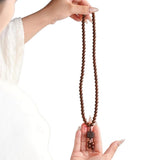
Deliver one section of the presentation while wearing the bracelet. Reach toward the screen, hold the remote, turn note cards, and rest the hands as planned. Check whether the bracelet slides into the hand, catches a cuff, hits a watch, or changes how the remote is held.
Test the Microphone and Recording
A bracelet may sound quiet to the wearer but noticeable through a desk, podium, lavalier cable, or close microphone. Record a short rehearsal with the intended setup. Listen for beads, charms, spacers, or multiple bracelets contacting one another. Remove jewelry that creates avoidable sound.
Check Podium and Table Contact
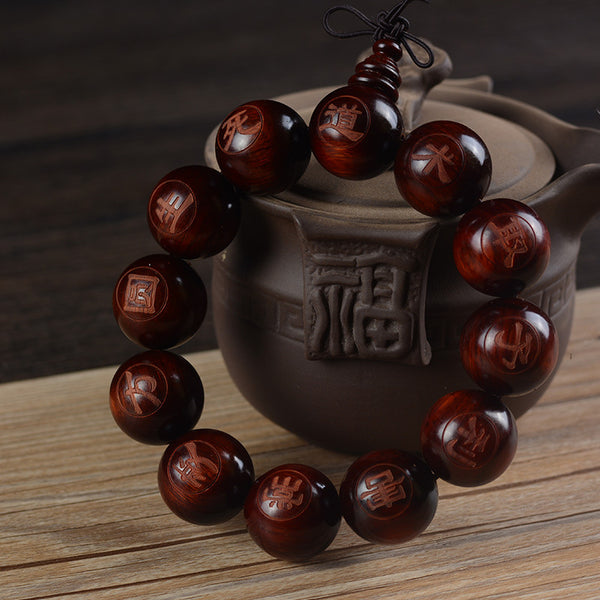
Large or loose beads can strike a podium edge, lectern, laptop, or table when the hands settle. Repeated contact can distract the audience and wear the bracelet. Stand where the presentation will occur and test the actual height and surface when possible.
Plan for Cables, Equipment, and Demonstrations
Remove jewelry when it could catch a microphone cable, headset, camera rig, laboratory object, machine, garment, or demonstration material. Safety and reliable equipment use take priority over styling or a personal cue.
Keep Scent Appropriate for the Room
Audience members, colleagues, or venues may be scent-sensitive. Natural scent intensity and perception vary, and a presenter may not notice what others do. If the policy or preference is unknown, choose unscented jewelry or leave the bracelet off. Fragrance is not a speaking aid or evidence of calm.

Decide Whether to Wear, Remove, or Place It Nearby
Wear the bracelet when it is secure, quiet, and compatible with the environment. Remove it when it catches, moves excessively, creates noise, or conflicts with equipment. Place it in a dry, safe location when the personal reminder matters but wrist wear does not suit the presentation.
A nearby bracelet should not obstruct controls, ventilation, cables, or audience materials. Keep it out of camera framing when it would distract from the demonstration.
Adapt the Check for Virtual Presentations
Use the final webcam frame, desk, keyboard, and microphone. Hand gestures close to the camera can enlarge the visual profile of beads and make movement more noticeable. Desk contact can also transfer sound through a built-in microphone even when it seems quiet in the room.
Record thirty seconds with slides, a remote or keyboard, and the intended gestures. Watch and listen once. If the bracelet competes with the content, remove it or place it outside the active workspace before the live session.
Prepare the Jewelry and the Presentation Separately
Inspect fit and strand condition in advance. Do not stretch the bracelet, apply perfume or oil, or clean it with unapproved liquids before the event. Use the Bracelet Care and Materials Guide for physical care.
Prepare the presentation through accurate content, clear slides, timed rehearsal, working equipment, and a backup plan. The bracelet may be meaningful to the speaker, but it does not replace preparation or determine performance.
Lighting also changes apparent color and shine. Do not choose or reject a bracelet because a rehearsal camera makes it look different from the product page. Use the actual item and room conditions to decide whether it is visually appropriate.
Choose a Low-Interference Product
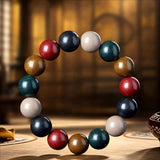
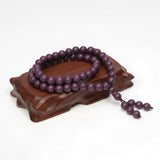
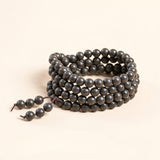
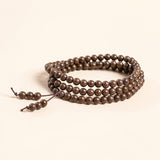
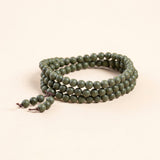
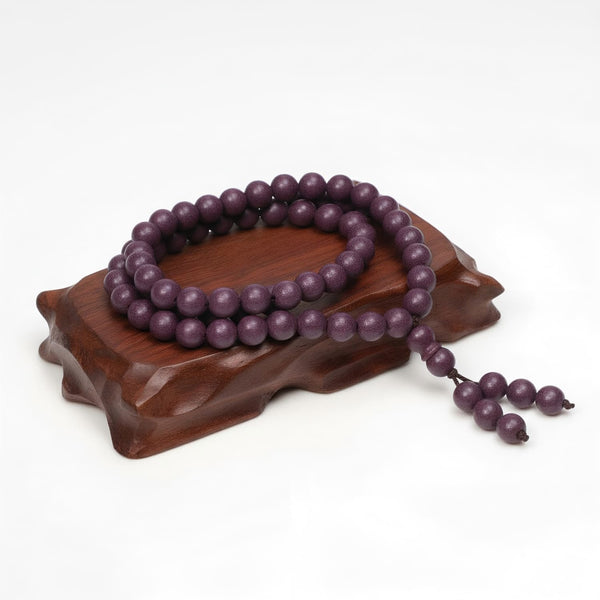
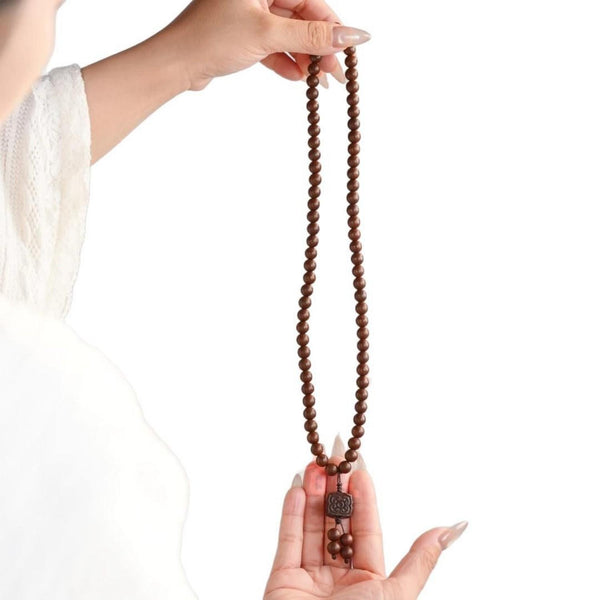
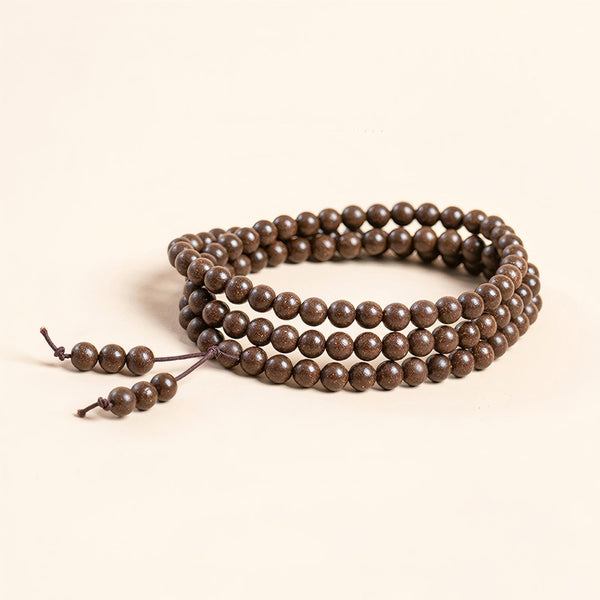
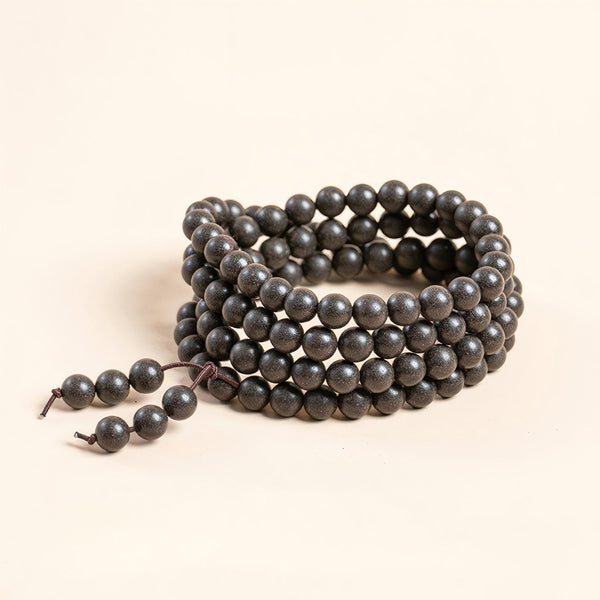
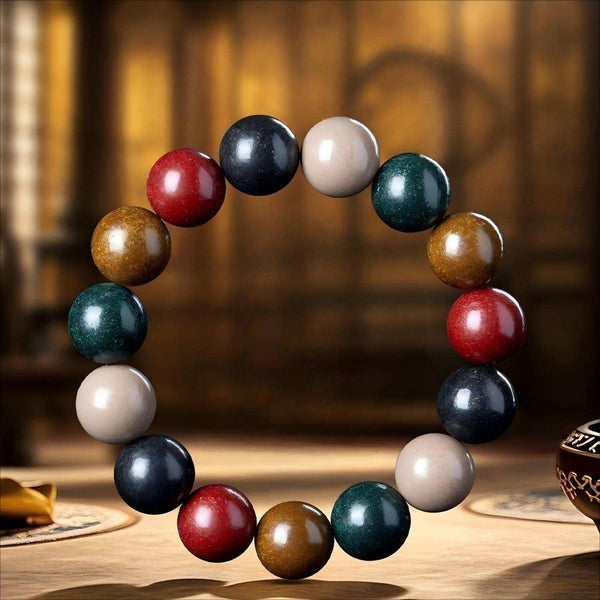
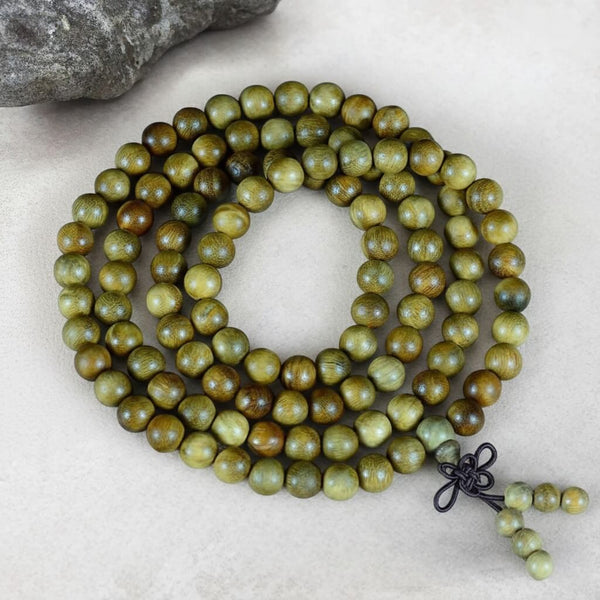
Lower movement, secure fit, simple construction, and limited metal contact may be easier during speaking. This does not make one bead size or style universally best. Compare actual dimensions and construction in the Natural Herbal Incense Bracelets collection.
The Ancient Herbal Incense Beads page is one commercial example. Verify current options, fit, materials wording, price, inventory, and care before purchase.
Keep the Page Separate from Anxiety Treatment
Kenlina does not claim that jewelry treats public-speaking anxiety, regulates the nervous system, produces confidence, controls body reactions, or changes audience judgment. The page's value is narrower: it helps a presenter decide whether a physical accessory will interfere with movement, sound, equipment, scent expectations, or professional context.
For a one-to-one meeting, see bracelet etiquette for job interviews. For travel to the venue, follow the bead bracelet driving safety guide.
Frequently Asked Questions
Q1: Can I wear a bead bracelet while presenting?
A: Yes, if it is secure, quiet, compatible with the setting, and does not interfere with gestures, equipment, or safety.
Q2: Should I touch the beads during the talk?
A: Avoid repeated handling. It can distract the audience, create microphone noise, and strain the strand.
Q3: What if the bracelet hits the podium?
A: Remove it, move it higher if the fit safely allows, or place it in a dry secure location away from controls and cables.
Q4: Can a bracelet improve confidence?
A: Kenlina does not promise that outcome. Preparation and experience support the presentation; jewelry remains an accessory or personal symbol.
Q5: Is scented jewelry suitable on stage?
A: Only when venue and audience expectations permit fragrance. If uncertain, choose unscented jewelry or no bracelet.