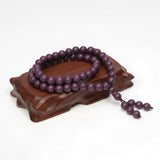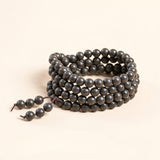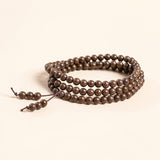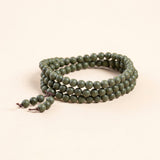


Short answer: What to do if a bracelet breaks while traveling: stop moving, protect people and pets from loose parts, collect visible beads without guessing the count, photograph the layout, place everything in a sealed inner container inside a dry pouch, record the exposure, and contact the seller. Do not improvise with household adhesive or unknown cord.
Use the Bracelet Care and Materials Guide. This response addresses physical parts and evidence, not anxiety or symbolic loss.

What to Do If a Bracelet Breaks While Traveling
- Stop movement. Do not keep walking, shaking clothing, or moving luggage through loose beads.
- Protect the area. Keep children, pets, wheels, shoes, drains, and cleaning equipment away.
- Collect visible parts. Use clean, dry hands and do not assume the original count.
- Photograph before rearranging. Capture the strand ends, knot or closure, beads, spacers, and location.
- Separate small components. Use a sealed inner container inside the care pouch.
- Record the event. Note date, place, activity, pull, impact, water, heat, product, or prior strand change.
- Do not improvise repair. Avoid glue, tape, unknown elastic, wire, heat, oil, or replacement parts.
- Ask the seller. Provide the exact product, option, photos, and factual event description.
Make the Area Safe before Searching
Loose beads can roll under seats, furniture, luggage, escalators, or equipment. Do not enter restricted or unsafe areas to retrieve a part. Ask staff for help when the break occurs in an airport, aircraft, train, hotel, restaurant, or public venue.
Do not block a walkway or security process. Personal safety and official instructions take priority over recovering every component.
Document without Creating More Damage
Photograph the parts on a clear surface with an ordinary scale reference when permitted. Do not stretch the remaining strand, pull knots open, press cracked beads, or force a closure. Record what is visible rather than diagnosing the cause.
A break does not by itself prove poor workmanship, misuse, age, material defect, or a symbolic event. The seller needs the product history and evidence to assess next steps.

Store Broken Parts Separately
Place small parts in a clean sealed inner bag or rigid container, then put that inside the dry pouch. Keep it away from liquids, cosmetics, food, cleaners, keys, coins, and pressure. Label it with the product and date without exposing private order information.
If any part is damp or contaminated, follow seller guidance before sealing it with other pieces. Do not rinse, soak, heat, oil, perfume, or disinfect natural beads by default.
Avoid Travel Repairs with Unknown Materials
Hotel glue, tape, sewing elastic, wire, fishing line, nail polish, and craft kits may alter the beads, fit, or construction. A temporary repair can also fail and scatter parts again. Keep the item unworn until the original design and appropriate method are understood.
Kenlina does not promise repair, restringing, replacement, or a specific outcome for every product. Current seller policy and evidence determine available help.
Send a Useful Seller Message
Include the product URL or order reference privately, selected option, date, current location, photos, visible strand ends, count of recovered parts without claiming it is complete, and a factual description of the activity. Ask whether to ship, store, or obtain an assessment.
Do not frame the break as lost luck, damaged energy, failed protection, or a health event. Personal meaning can be acknowledged separately from the physical service request.
Record Missing Parts without Guessing
If every component cannot be found, list what was recovered and mark the original count unknown until the exact option or seller record confirms it. Do not purchase visually similar beads during the trip and present them as original components.
When a part enters a drain, machinery area, traffic path, security zone, or another unsafe location, leave it and follow staff instructions. A complete bracelet is never worth an injury, rule violation, or disruption.
Reassess after Returning Home
Keep the parts in their labeled container until the seller or a qualified jewelry professional provides the next step. Compare the current product page, original option, photos before the trip, and event record. Do not wear a temporary reconstruction while waiting.
If repair is available, ask which components and method will be used, whether dimensions or fit will change, and what care applies afterward. If repair is unavailable, retain or dispose of parts only under safe, lawful guidance; do not claim they retain a guaranteed effect.
Prevent a Second Loss during the Trip
The hotel storage checklist creates one room location. The airport security checklist controls transit.
Use How to Choose an Incense Bracelet and compare current items in the Natural Herbal Incense Bracelets collection.
The Aged Tangerine Peel Citrus bracelet is one exact product example. For gift context, use the Mindful Jewelry Gift Guide.
Frequently Asked Questions
Q1: Should I count every recovered bead?
A: Record the recovered count without claiming it is complete; photos and the exact product option provide context.
Q2: Can I glue the bracelet while traveling?
A: Do not use household adhesive or an unknown repair method. Store the parts and ask the seller.
Q3: What if a bead rolls into a restricted area?
A: Do not enter. Follow staff and safety instructions; recovering a component never outranks personal or public safety.
Q4: Does a broken bracelet mean bad luck?
A: Kenlina does not make that claim. Treat the break as a physical strand and service issue.
Q5: What should I send the seller?
A: Send the exact product and option, private order reference, date, factual event description, photos, and recovered-part information.