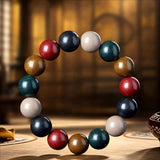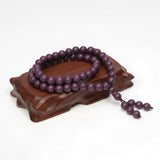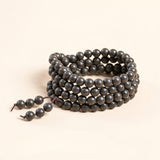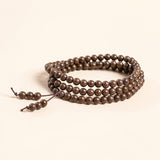
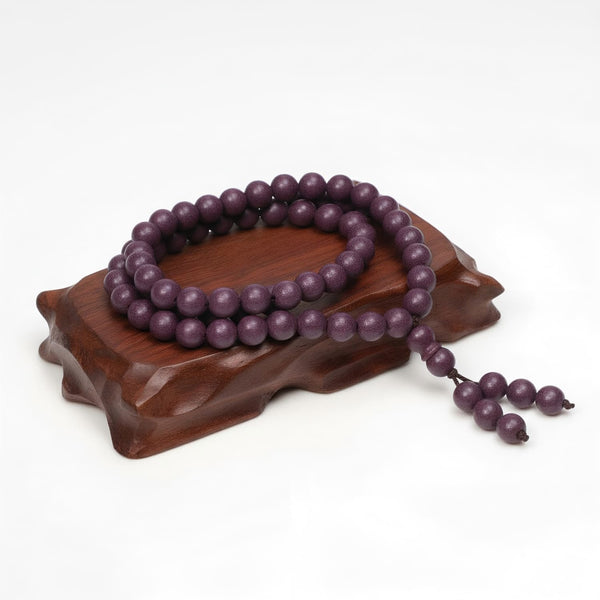

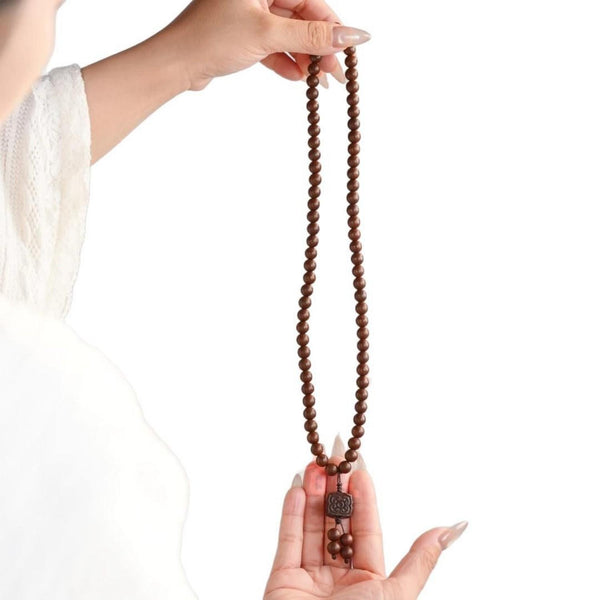

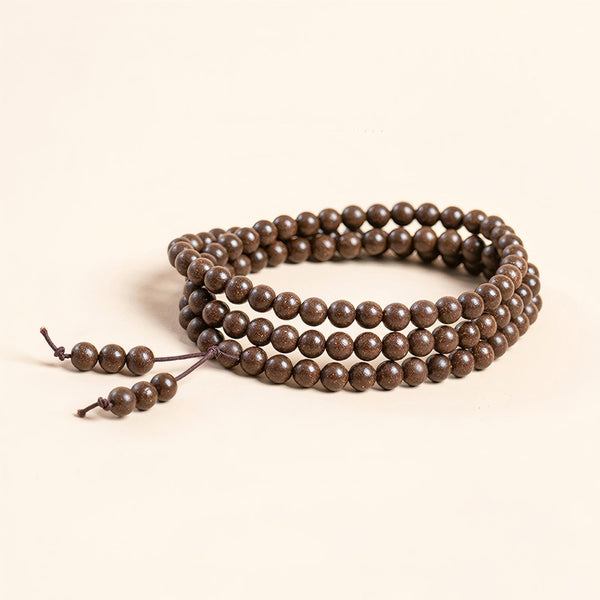
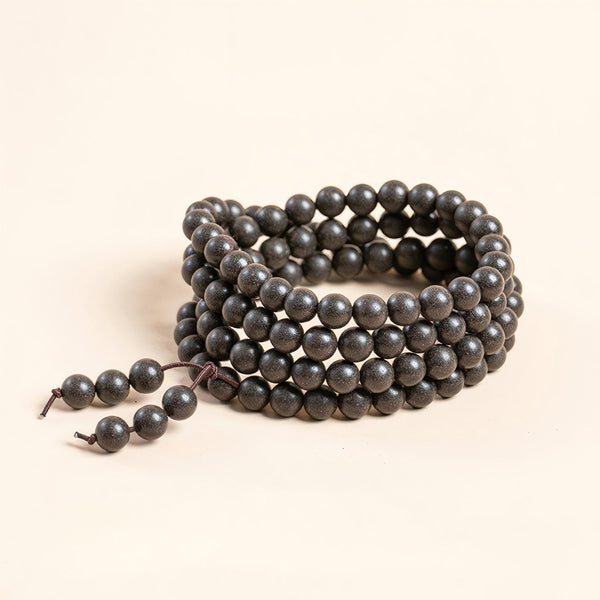
Direct answer: If you want to know how to read a traditional Chinese incense formula, begin with the source, edition, date, material names, proportions, preparation verbs, recorded use, and missing information. Then ask whether there is any direct evidence connecting that historical record to a modern product. A translated formula is not automatically a safe recipe, a continuous lineage, or a Kenlina product disclosure.
This method is designed for cultural and historical reading. It does not provide medical advice, burning instructions, ingredient safety approval, or a proprietary Kenlina recipe.
How to Read a Traditional Chinese Incense Formula
- Identify the exact work and passage.
- Record the edition, compiler, and transmission history.
- Separate the source's date from the date of the practice it describes.
- Keep every material name in the original language until its identity is verified.
- Translate weights, proportions, and process verbs cautiously.
- Record the documented form and use without modernizing it.
- List what is absent or disputed.
- Evaluate any modern product relationship separately.
Why Does the Exact Source Matter?
A title may survive while the original work does not. A later encyclopedia may quote an earlier passage. A text may be transmitted under a famous author's name even when the compilation history is disputed. Those are not small bibliographic details; they determine how confidently you can describe the evidence.
A peer-reviewed study published by Cambridge University Press records that Hexiang fang, a work associated with Fan Ye in the Six Dynasties period, is lost except for a short excerpt. That supports an early written tradition of combining aromatics. It does not let a modern writer reconstruct the missing book.

How Should You Record Version and Date?
Use at least three dates when available: the period of the attributed author, the earliest evidence for the passage, and the date of the edition or compilation you are reading. If they differ, show the difference. Do not describe a Qing compilation of a Song text as if the physical page were written in the Song period.
The extant Xiang pu tradition is a useful example. The Chinese Text Project provides a text linked to a Siku Quanshu base and a transmission note that discusses authorship and volume questions. A public article can say that Song-period incense manuals survive, but a specific recipe should cite the exact entry and edition.
How Do You Handle Historical Material Names?
Keep the original term, romanization, proposed English equivalent, and confidence level in separate fields. One historical name may refer to different materials in different periods, and one English name may flatten several botanical or traded products. A familiar translation is not proof of species, origin, purity, or modern safety.
The Materials and Scent Glossary owns current Kenlina terminology. Historical names should link there only when the equivalence has been verified; otherwise they remain historical terms with an unknown modern match.
What Do Proportions and Process Verbs Prove?
They prove only what the source actually states. Note the measurement system, whether quantities are absolute or proportional, and whether the text describes grinding, sieving, heating, soaking, coating, combining, forming, drying, storing, burning, wearing, or another action. Do not silently add a binder, temperature, duration, safety step, or modern tool.
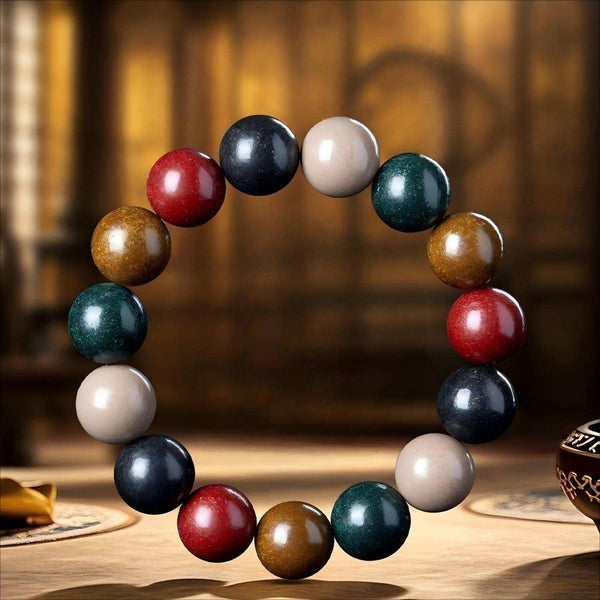
A historical example discussed in modern scholarship lists several aromatics in different proportions. It is evidence for a particular blended formula in a transmitted source. It is not a universal He-Xiang recipe, and Kenlina has not confirmed that its current bracelet uses that formula.
How Do You Separate Use from Effect?
Write “the source records this material being burned, worn, displayed, gifted, or used in a named setting.” Do not turn that into “the material works for” a health, psychological, spiritual, protective, or financial outcome. Historical use and modern clinical evidence are different questions.
Museum objects can support the existence of incense burners, vessel forms, dates, and documented contexts. They cannot reveal the full material recipe burned inside or prove a modern product lineage.

What Should an Incense Formula Evidence Card Include?
| Field | Required record |
|---|---|
| Name and aliases | Original title, characters, romanization, and translations. |
| Source | Work, passage, edition, page or stable digital locator. |
| Version and date | Attributed period, surviving witness, compilation, and modern edition. |
| Documented use | What the text says was done, without adding an outcome. |
| Materials | Original terms, proposed matches, and confidence. |
| Process | Every stated preparation, combining, binding, forming, drying, or storage step. |
| Uncertainty | Missing text, disputed attribution, variant reading, unknown measurement, or unclear material. |
| Kenlina relationship | Confirmed, not confirmed, or not applicable. |
Frequently Asked Questions
Q1. Does an ancient title prove the full formula survives?
A: No. Some works are lost, fragmentary, quoted later, or transmitted under disputed attribution.
Q2. Can I substitute a modern ingredient with a similar English name?
A: Not without material identification and safety evidence. Translation similarity is not equivalence.
Q3. Does a historical medical use prove a modern bracelet benefit?
A: No. Historical use does not establish a modern product's composition or clinical effect.
Q4. Is every He-Xiang product based on the same recipe?
A: No. He-Xiang is not one cross-period manufacturing standard.
Q5. How can I check a current Kenlina product?
A: Use the current listing for variants, price, availability, reviewed specifications, scent wording, and care. Treat absent facts as unknown.
Next step: Read what He-Xiang beads are, then use the product facts checklist before making a buying decision.