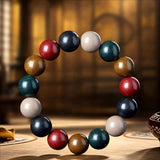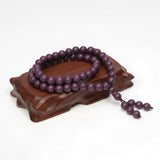


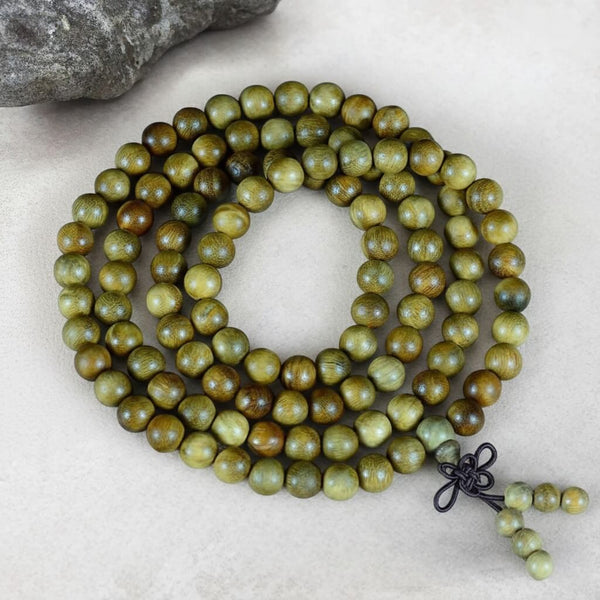
Short answer: Knowing when to remove a bead bracelet protects both the wearer and the item. Take it off around water, high-sweat exercise, sleep when snagging or pressure is possible, machinery, cleaning, wet cosmetics, strong heat, scent-sensitive spaces, skin discomfort, or visible strand damage. A bracelet does not regulate the nervous system or require continuous wear to be meaningful.
The main framework is the Bracelet Care and Materials Guide. Exact product instructions and workplace safety rules take priority.

When to Remove a Bead Bracelet
- Before showering, bathing, or swimming. Water, soap, shampoo, heat, chlorine, salt, and repeated movement can affect beads and strands.
- Before high-sweat exercise. Remove it for workouts, sports, or activities where sweat, impact, equipment, or pulling are likely.
- Before sleep when fit or snagging is uncertain. Bedding, pressure, repeated movement, and unnoticed tightness can strain the bracelet or wearer.
- Around machinery and tools. Remove all loose jewelry when equipment, gloves, rotating parts, or workplace rules create a catch hazard.
- During cleaning and dishwashing. Water, detergent, sanitizer, household cleaner, and hard surfaces are reasons to store the bracelet first.
- While applying cosmetics. Remove it for lotion, perfume, sunscreen, hair products, makeup, oils, or sanitizer, and wait until products are dry.
- Near strong heat or direct sun. Take it away from ovens, fires, radiators, saunas, hot vehicles, heat tools, and prolonged direct sunlight.
- In scent-sensitive shared spaces. If fragrance is unwelcome or restricted, remove a scented bracelet and store it securely.
- When the skin or fit feels wrong. Remove it for pinching, numbness, pressure, irritation, unwanted scent, or persistent discomfort.
- When the strand or closure looks unreliable. Stop wear after visible fraying, excessive gaps, stretched elastic, loose closure, cracking, or unexpected breakage.
Remove the Bracelet Before It Becomes a Safety Issue
Do not wait for a strand to catch or break. Consider the environment before the task begins. Uniform requirements, food handling, healthcare procedures, laboratories, childcare, manual work, instruments, and sports may have their own rules. A nearby pouch is often more practical than continuous wrist wear.
Removal should happen before driving if the bracelet is loose or distracting. Never adjust or collect beads while a vehicle is moving.
Use a Ten-Second Removal Decision
Before an activity, ask three questions: Could the bracelet get wet or coated? Could it catch, strike, or interfere with equipment? Could the fit, scent, or movement become uncomfortable for the wearer or others? One yes is enough to remove and store it before starting.
This quick decision does not replace workplace, sport, medical, hygiene, or equipment rules. Follow the stricter instruction whenever one applies.

Store It Properly After Removal
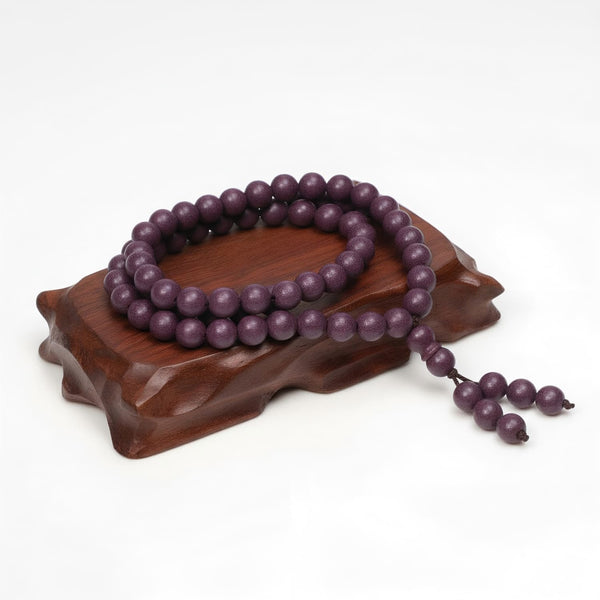
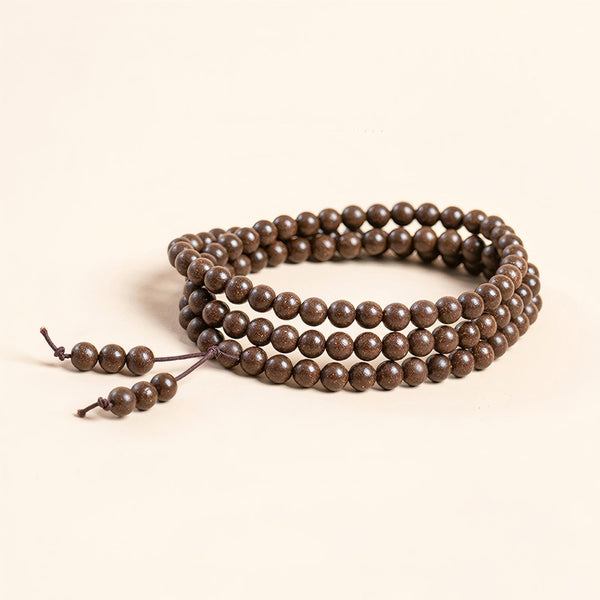
Use clean, dry hands and place the bracelet flat or gently curved in a separate pouch or divided compartment. Keep it away from sinks, drinks, cosmetics, metal edges, direct heat, damp cloths, and strong added fragrance. Do not stretch an elastic strand while taking it off.
If the bracelet is damp, exposed, or damaged, follow the exact product instructions before storage. Do not seal moisture into a pouch, accelerate drying with heat, or apply oil or perfume to change scent.
Remove It Without Stretching the Strand
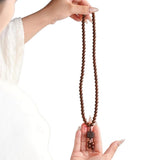
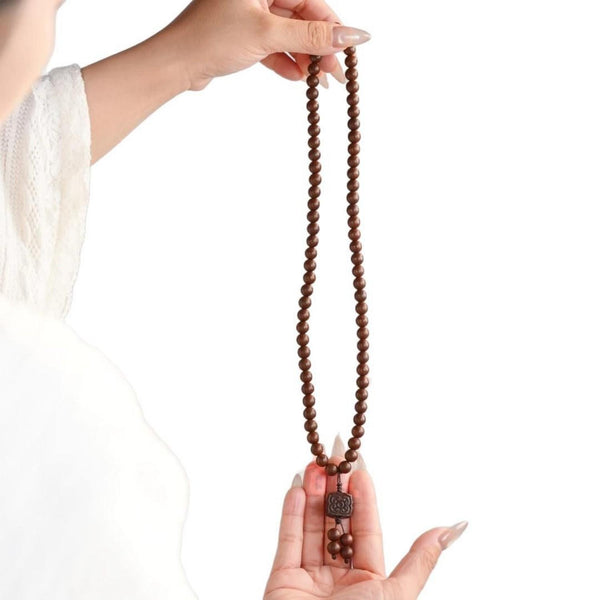
Use clean, dry hands. Slide an elastic bracelet over the hand gradually instead of pulling one section far away from the wrist. Support multiple beads rather than gripping a single bead, charm, knot, or spacer. For a clasp, open the closure as designed and avoid twisting the strand.
If the item is stuck, painful, or visibly damaged, stop pulling. Personal meaning is never a reason to continue wearing jewelry that cannot be removed comfortably.
Continuous Wear Is Not Required for Meaning
A bracelet can represent a gift, memory, value, prayer, or chosen routine without being worn in every setting. Removing it for care, safety, comfort, or shared-space respect does not weaken personal meaning. Kenlina does not claim that continuous wear regulates the nervous system, protects energy, treats anxiety, improves sleep, or produces a spiritual result.
Plan a consistent dry storage place at home, work, and during travel. Easy access makes responsible removal more likely and reduces the chance of leaving the bracelet beside a sink, machine, drink, or cleaning product.
The Mindful Jewelry Gift Guide keeps symbolism personal and product expectations physical.
Choose an Item That Fits the Intended Routine
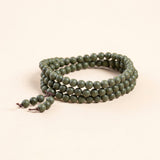
Use How to Choose an Incense Bracelet before purchase. Compare current products in the Natural Herbal Incense Bracelets collection.
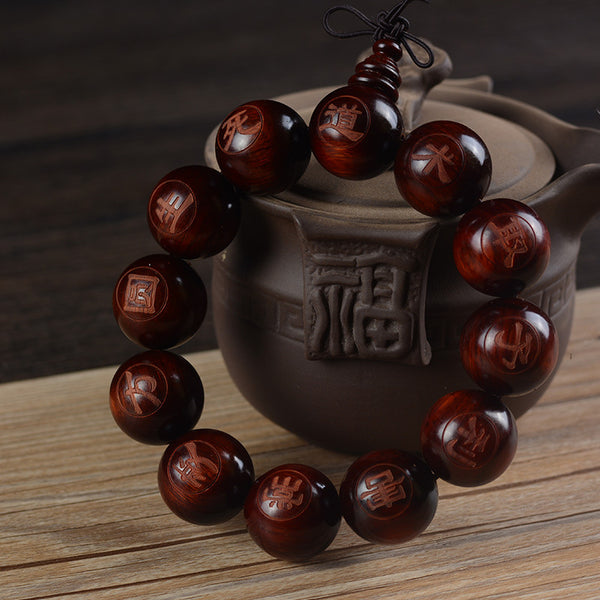
The Green Sandalwood bracelet is one exact example. The tea ritual bracelet care guide applies removal to a beverage setting. The online bracelet shopping checklist helps confirm removal and care expectations before ordering.
Frequently Asked Questions
Q1: Should I remove a bead bracelet before sleep?
A: Remove it when snagging, pressure, tightness, or strand wear is possible. Continuous overnight wear is not required.
Q2: Can I wear it in the shower?
A: Do not assume so. Water, soap, shampoo, and heat create avoidable exposure; follow the exact product instructions.
Q3: Should I remove it for exercise?
A: Yes for high-sweat, impact, equipment, or pulling situations. Store it dry before starting.
Q4: What if the bracelet irritates my skin?
A: Remove it immediately and stop wear. Do not continue because of a symbolic or wellness claim.
Q5: Does taking it off reduce its meaning?
A: No. Personal meaning does not require continuous wear and should never override safety, comfort, or care.