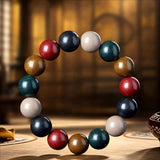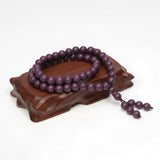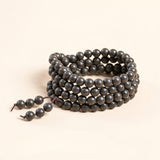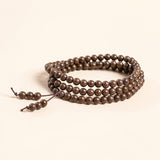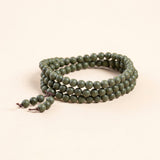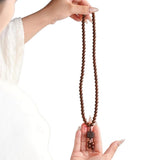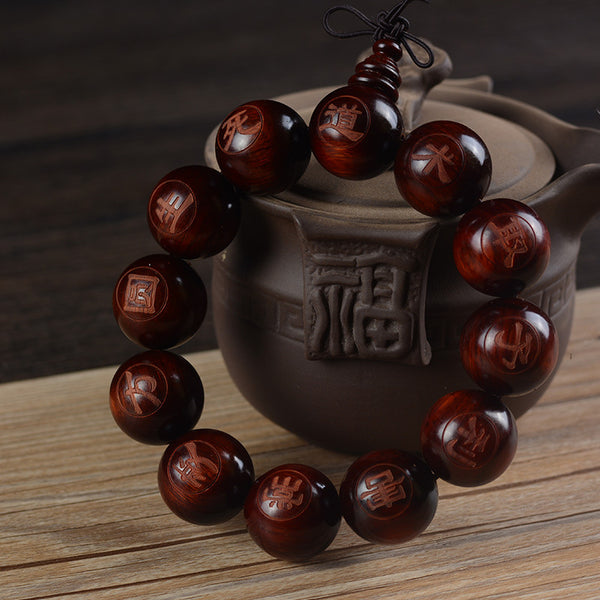
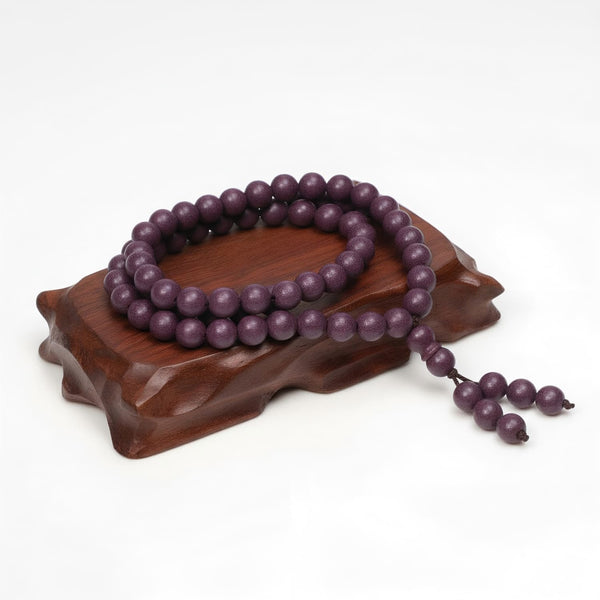

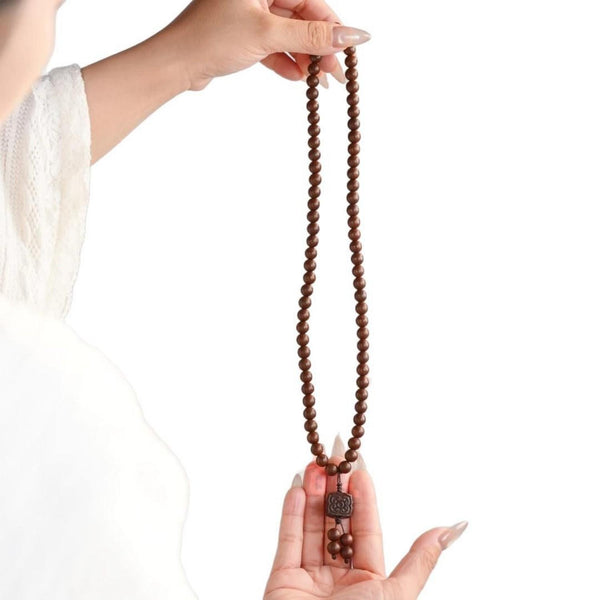

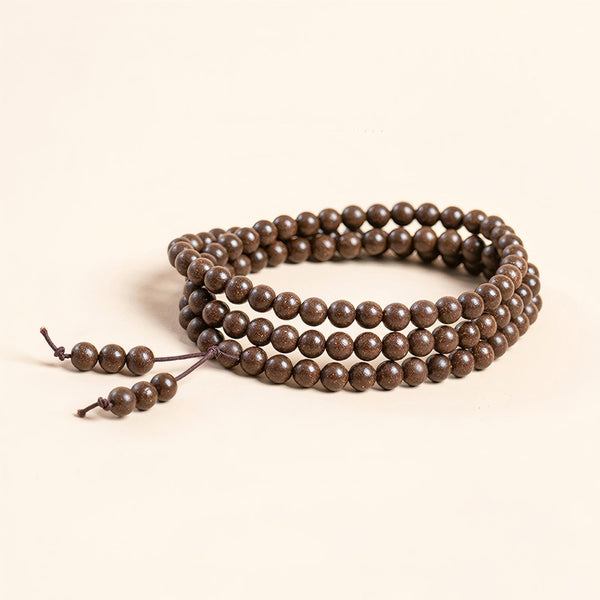
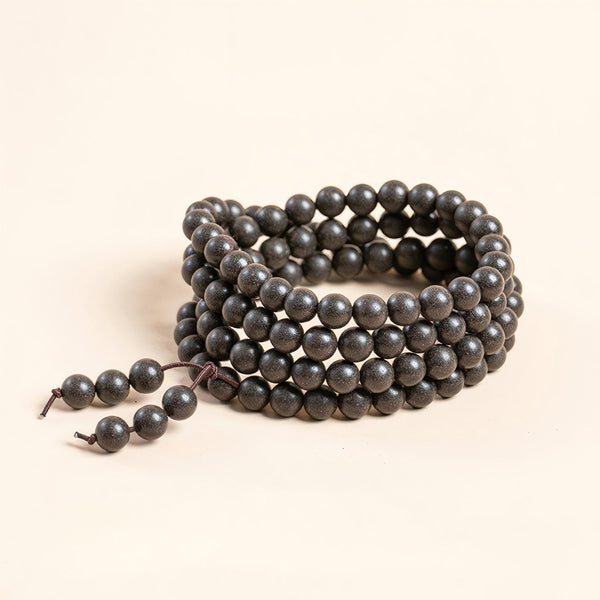
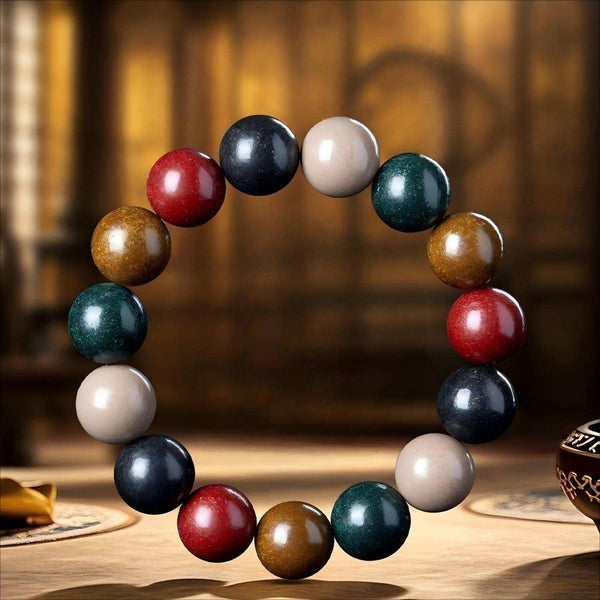
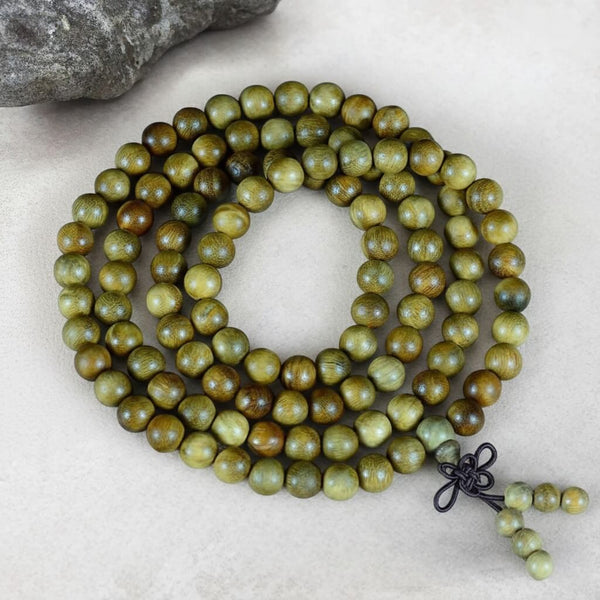
Short answer: A natural bead bracelet care kit can be simple: a clean dry soft cloth, a separate pouch, a small divided or protective case, the product's care card, a brief inspection record, and the seller's contact details. Do not add water, perfume, essential oil, alcohol, polish, glue, or household cleaner unless the exact product instructions approve it.
This page replaces a generic list of anxiety-support tools with post-purchase care supplies for physical jewelry. The main care authority is the Bracelet Care and Materials Guide. Use the kit to follow verified instructions, not to invent a cleaning or scent-restoration method.

Natural Bead Bracelet Care Kit
1. A Clean, Dry, Soft Cloth
Use the cloth only for gentle surface dusting when the product instructions allow it. Keep it free from polish, detergent, fragrance, oils, and residues from other jewelry. Do not scrub, soak, or use friction to change the bead's shine or scent.
2. A Separate Storage Pouch
A clean pouch helps separate the bracelet from metal edges, cosmetics, keys, and other items. The pouch should be dry and large enough that the strand is not compressed. A pouch is not a humidity-control guarantee, and the material should not transfer dye, fragrance, or lint.
3. A Small Divided or Protective Case
Use a case when the bracelet will share a drawer, bag, or suitcase. Choose enough space to avoid crushing or tight bends. Keep the case away from sinks, direct heat, prolonged sunlight, and places where condensation is likely.
4. The Exact Product Care Card
Print or save the care instructions for the specific bracelet. General advice cannot confirm how every wood, herbal incense, cord, elastic, coating, metal spacer, or decorative element should be handled. If the listing changes, retain the version that applied when the item was purchased.
5. A Short Inspection Record
Record the date, fit, visible gaps, cord condition, closure, surface changes, scent perception, and any water or cosmetic exposure. Photos in similar lighting can help compare condition. The record does not prove material identity or product authenticity; it documents what can be observed.
6. Seller and Order Details
Keep the order number, product URL, seller contact, purchase date, and any warranty or repair language actually supplied. This avoids guessing when a strand loosens or a listing detail is unclear. Do not assume that restringing, repair, replacement, or a particular turnaround is offered unless it is stated.
What Not to Put in the Care Kit
Leave out essential oils, perfume, fragrance spray, alcohol, sanitizer, household cleaner, jewelry dip, abrasive cloths, polish, glue, paint, and unapproved conditioning products. Applying a substance to intensify scent or color can alter the surface, transfer residue to skin or clothing, and conflict with the seller's instructions.
Also avoid adding loose replacement cord as an implied do-it-yourself repair. Cord type, tension, knotting, hole size, bead weight, and closure construction matter. If a strand needs work, first ask the seller or a qualified jewelry repair provider what information and service are available.
Label the pouch or case when several bracelets have different instructions. Keep each care card with the matching item and do not reuse a cloth that carries polish or fragrance from another material. Store the kit itself in a clean, dry place. A kit that sits beside a sink, shower, perfume tray, or open window can create the very exposures it is meant to help avoid.

Use the Kit for a Monthly Condition Check
- Wash and fully dry your hands, then place the bracelet on a clean dry surface.
- Compare fit and spacing without stretching the strand.
- Look for fraying, loose closures, excessive gaps, cracks, chips, or surface residue.
- Use only the approved dry-care step, if any.
- Update the inspection note and return the bracelet to separate storage.
Stop wearing the item if the strand or closure appears unreliable. A monthly schedule is a practical reminder, not a guarantee that damage will be prevented.
After an unexpected exposure, record what happened and follow only the product-specific response. Do not use heat to accelerate drying or add fragrance to cover a changed scent. If the proper next step is unclear, pause wear and ask before experimenting.
Add the Care Kit to a Purchase or Gift Decision
Before buying, use How to Choose an Incense Bracelet and compare the care requirements with the intended routine. The Natural Herbal Incense Bracelets collection is the commercial destination. The Ancient Herbal Incense Beads page is one exact product example; verify its current instructions rather than applying this kit as a universal rule.
For gifting, the milestone bracelet gift guide explains how practical care can be part of the present. The bracelet journaling prompts provide a simple place to keep inspection notes. The broader Mindful Jewelry Gift Guide remains the P5 gift framework.
Frequently Asked Questions
Q1: Does a natural bead bracelet need jewelry cleaner?
A: Not automatically. Use only the method approved for the exact item. Many unapproved liquids, polishes, and cleaners may alter a surface or leave residue.
Q2: Should I add essential oil to restore scent?
A: No, unless the exact product instructions explicitly permit it. Added oil changes the item and can transfer to skin, clothing, or storage materials.
Q3: Is a fabric pouch enough for travel?
A: A pouch separates surfaces, but a protective case may be more appropriate where pressure, impact, or crowded luggage is likely.
Q4: How often should I inspect the strand?
A: Check before wear and make a more careful monthly comparison. Inspect sooner after unusual pulling, impact, water, or visible change.
Q5: Can the kit prevent all damage?
A: No. It supports consistent handling, storage, and observation, but materials and strands still wear and no care routine guarantees prevention.