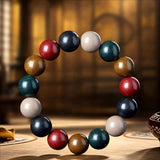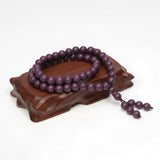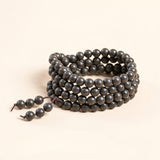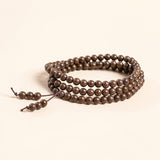


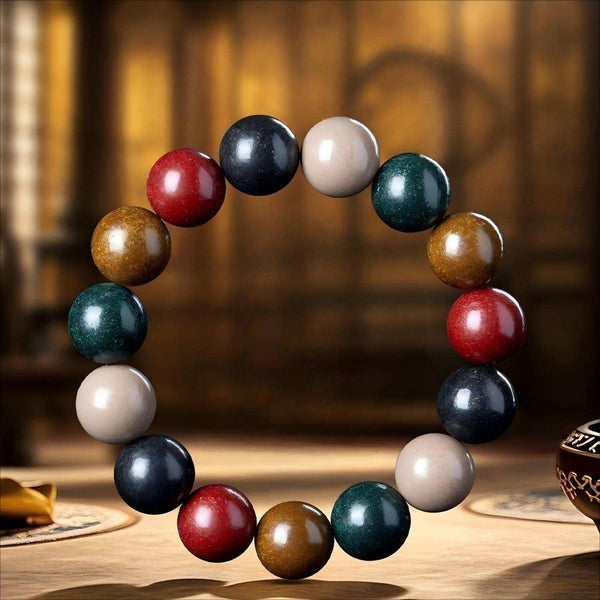
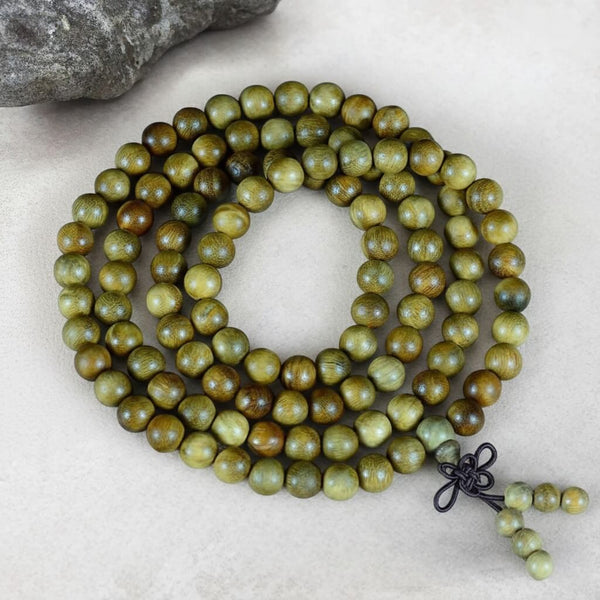
Short answer: If you are asking what are He-Xiang beads, the safest answer is that hexiang (合香) refers broadly to combining aromatics, while He-Xiang beads are finished bead products presented in relation to that blended-incense idea. The name alone does not prove one ancient formula, dynasty, ingredient list, medical use, spiritual effect, or uninterrupted craft lineage. Those claims require evidence for the exact product.
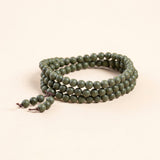
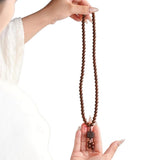
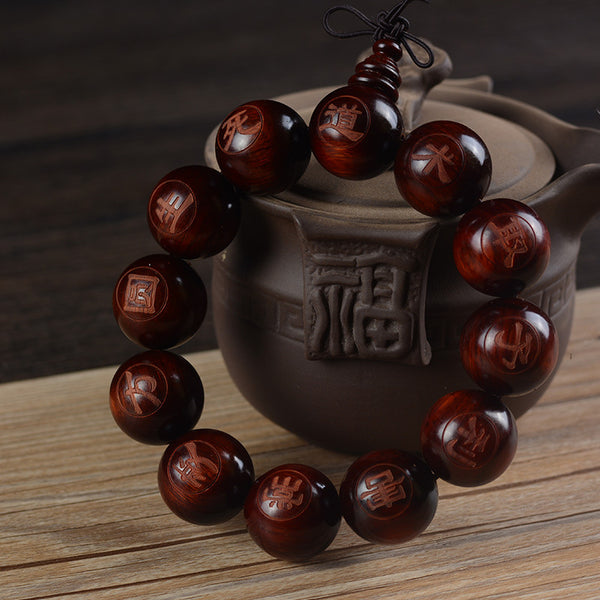
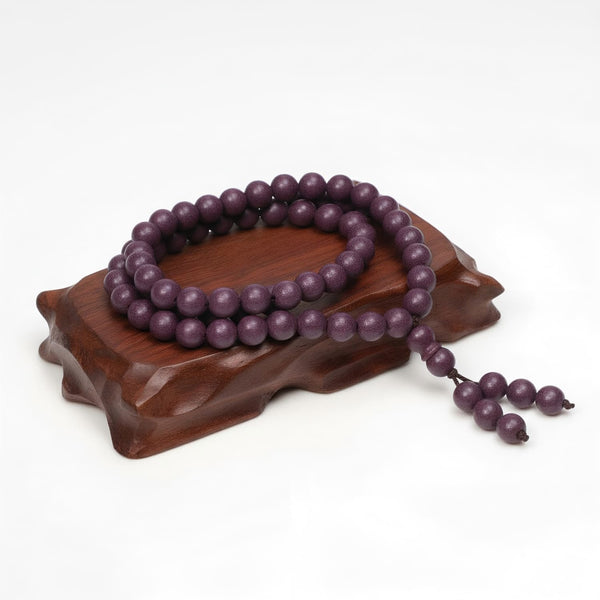
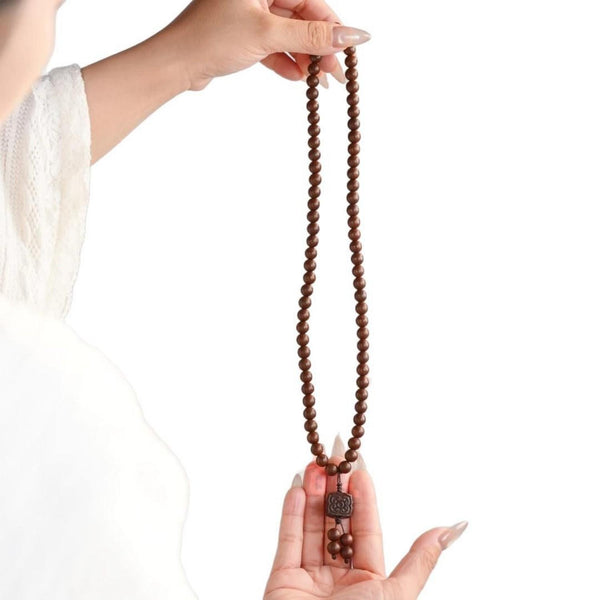
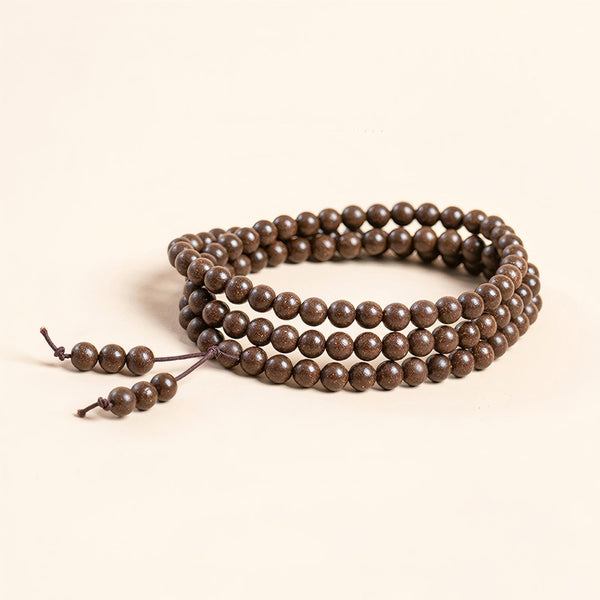
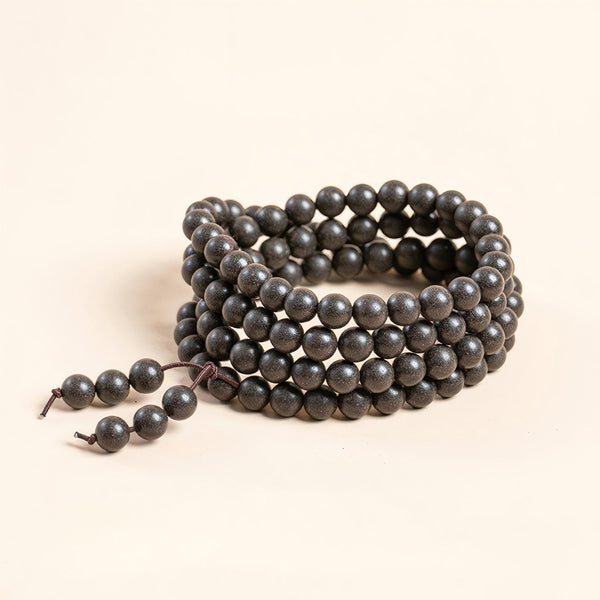
In modern retail language, He-Xiang beads may describe shaped aromatic beads associated with blended incense ingredients and then strung as a bracelet or longer strand. The exact process, formula, and binder system can differ by maker and product. A general name is not a manufacturing standard.
Customers should therefore separate three layers: the documented history of blended aromatics, a maker's current production process, and the exact facts disclosed for a product. Evidence for one layer does not automatically prove the others.
How Should the Name Be Translated?
Hexiang, he xiang, and He-Xiang are romanization and styling choices for 合香. English explanations may use phrases such as blended incense, combined aromatics, or harmonized fragrance. None of those translations creates a protected product definition.
Because "ancient" and "alchemy" can sound more specific than the evidence allows, this guide avoids them as factual process descriptions. They may appear in an existing handle or product name, but the body must explain what is historical context, what is current craft information, and what remains unknown.
Does He-Xiang Mean One Ancient Recipe?
No. The idea of combining aromatics is broader than a single formula. Historical recipes, materials, uses, and preparation methods varied across time and context. A modern product should not be described as an exact ancient formula unless the seller can identify the source, translation, ingredients, and adaptations.
Kenlina's product title may use "Ancient" as part of its commercial naming, but that word does not by itself prove the age of a formula, bead, material, or technique. Use the current product page for the reviewed statements that apply to the item.
How Historical Sources Change the Answer
Historical sources make the answer more precise, not more promotional. A 2024 peer-reviewed study in the Journal of the Royal Asiatic Society records that a work called Hexiang fang, or recipes for combining aromatics, circulated in the Six Dynasties period. The work attributed to Fan Ye is lost except for a short excerpt. That supports an early documentary context for combining aromatics, but it does not recover a complete formula.
More complete treatises survive from the Song period, including texts transmitted under the title Xiang pu or Incense Manual. The Chinese Text Project record also preserves an important caution: the authorship and compilation history of the extant text are not simple. A responsible reader should identify the exact edition and entry instead of citing every passage as an uncontested statement by one author.
What Evidence Should Accompany a Historical Incense Claim?
| Evidence field | Question to ask | What it cannot prove alone |
|---|---|---|
| Name and aliases | Which Chinese title, romanization, and translation are being used? | That different names describe an identical formula. |
| Source and version | Is the claim from a surviving text, later quotation, catalog, or modern study? | That a later compilation preserves an earlier recipe unchanged. |
| Date and context | When was the source written, copied, or compiled, and what use does it record? | That a modern wearable bead has the same purpose. |
| Materials and process | Which ingredients and steps are actually named, and which words remain uncertain? | Unlisted proportions, binders, safety, origin, or manufacturing details. |
| Product relationship | Does Kenlina have product-specific supplier or workshop evidence connecting the item to that source? | A direct relationship when the answer is unknown. |
Use the separate guide on how to read a traditional Chinese incense formula when you want to evaluate a named text or recipe. For current buying decisions, use the live product listing and the Natural Bead Bracelet Buying Guide.
What Can a Finished Bead Verify?
A customer can inspect shape, dimensions, visible surface, color variation, strand construction, scent at the time of inspection, and condition. Photography and touch cannot reliably identify every ingredient, processing step, binder, age, origin, safety property, or environmental impact.
Read how herbal incense beads are made for a process overview. It explicitly distinguishes general craft stages from facts that must come from a specific maker.

What Does Kenlina Mean by No Glue?
The separate article on why Kenlina does not use glue explains the limited statement approved for Kenlina products. It does not claim that all traditional blended incense avoided binders or that "no glue" proves safety, purity, sustainability, or superiority.
Do not generalize one product statement to every He-Xiang bead. Formula and process questions should be answered from the exact listing or maker evidence.
A careful seller should also separate "not added as a separate adhesive" from stronger claims such as chemical-free, non-toxic, hypoallergenic, edible, medicinal, or safe for every wearer. Those are different claims with different evidence requirements.
Can He-Xiang Beads Treat a Health Condition?
Kenlina does not market the bracelet as a treatment for anxiety, sleep, pain, fatigue, energy imbalance, or another health condition. Scent and tactile use are personal sensory experiences. Stop using the product if scent or skin contact is uncomfortable, and seek appropriate professional guidance for health questions.
Historical use of aromatic materials in medicine or ritual does not prove that a modern retail bracelet has a medical effect.
How Should You Choose and Care for the Beads?
Use the incense bracelet selector to compare fit, bead size, scent wording, verified materials, and care. The Bracelet Care and Materials Guide covers dry storage and strand checks.
Next step: Use the cultural context as background, then verify the actual item through the product page.