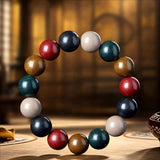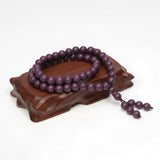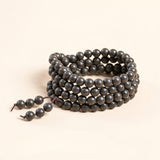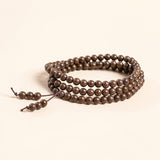
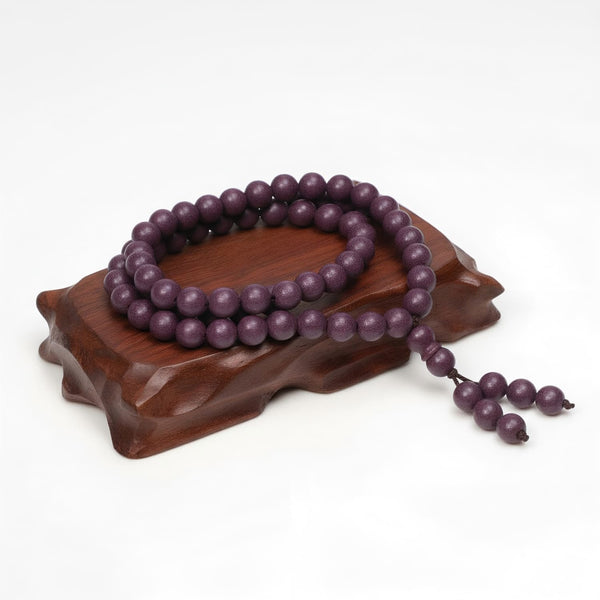

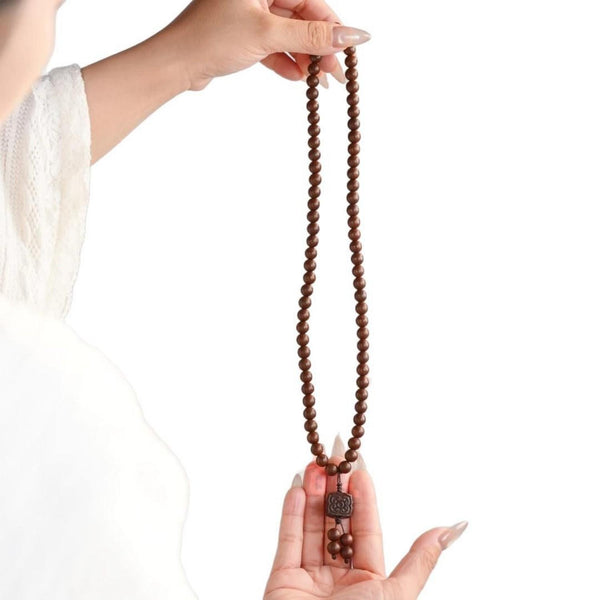

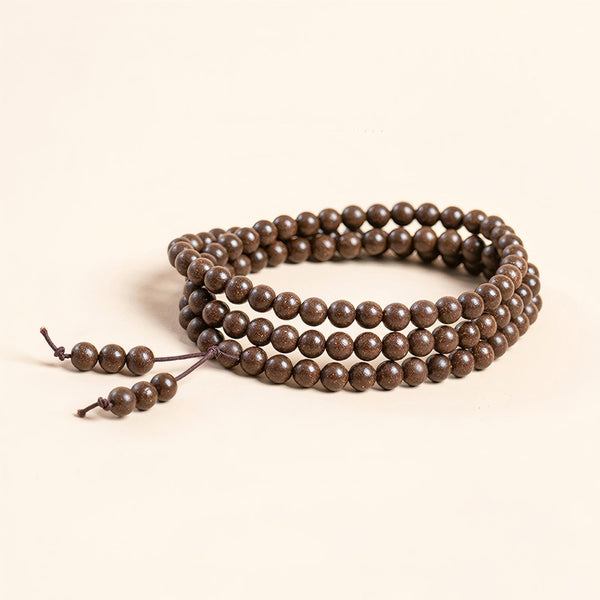
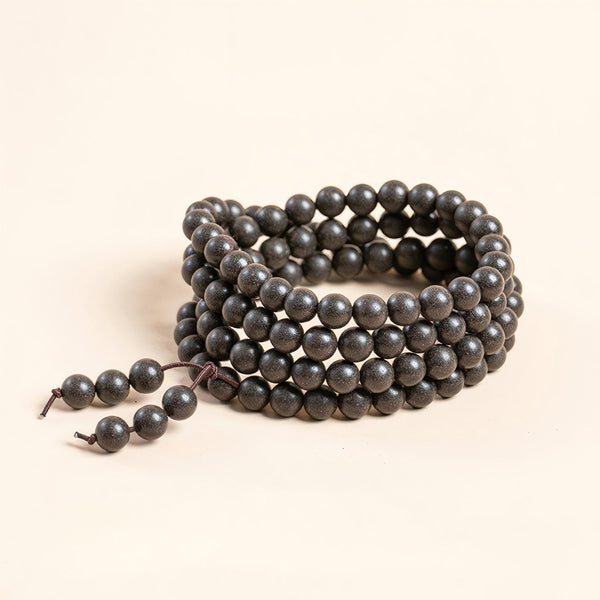
Short answer: The phrase herbal incense beads made without glue should be treated as a product-specific manufacturing claim, not as a fact that can be inferred from color, scent, hardness, or a finished photograph. To publish it responsibly, a seller should define what glue means, identify the exact product or batch covered, and keep supporting process or material documentation. Made without glue does not automatically mean binder-free, chemical-free, safer, healthier, more natural, or more sustainable.
This page preserves the existing URL while correcting its evidence boundary. It does not state that every Kenlina bead, formula, batch, or product is made without glue. The claim may only be applied where current documentation supports it.
For the category-level material map, use Kenlina's Botanical Incense Beads guide.

Herbal Incense Beads Made Without Glue
To make this wording useful, the seller must define its scope. Does glue mean a separate synthetic adhesive? Does the statement also exclude natural gums, starches, resins, or other binding materials? Is the claim about the bead body, surface finish, stringing, decorative attachment, or the entire bracelet?
Without those answers, two sellers can use the same phrase while describing different processes. A precise statement names the covered product and the excluded material instead of turning made without glue into a broad quality slogan.
Why a Maker Might Avoid a Separate Adhesive
A maker may choose a process that does not add a separate glue because the selected material system, forming method, or product specification does not call for one. That is a manufacturing choice. It does not prove that the beads contain only one ingredient or that no other binding mechanism is present.
The choice may also be intended to keep the formula within a documented process specification. Any claimed effect on scent, surface, durability, safety, or aging still requires its own evidence. The absence of one ingredient category does not establish a benefit by itself.
What Evidence Can Support the Claim?
- A written process specification identifying the product and whether a separate adhesive is added.
- A batch or formula record with enough detail to distinguish the bead body from coatings, repairs, stringing, and decorations.
- A maker or supplier statement that defines glue and names the products covered.
- An ingredient or material declaration consistent with the public product wording.
- Change control so the claim is reviewed when formula, supplier, finish, or assembly changes.
Evidence does not need to expose a confidential recipe publicly. It does need to be specific enough for the business to know what it can and cannot say.
What a Photograph Cannot Prove
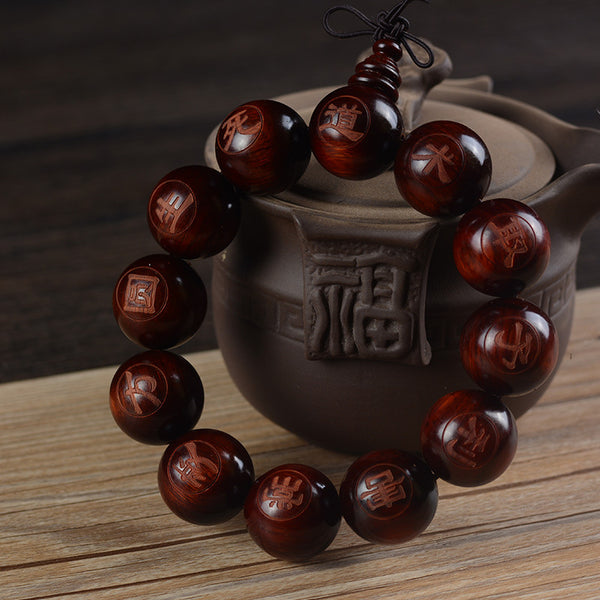
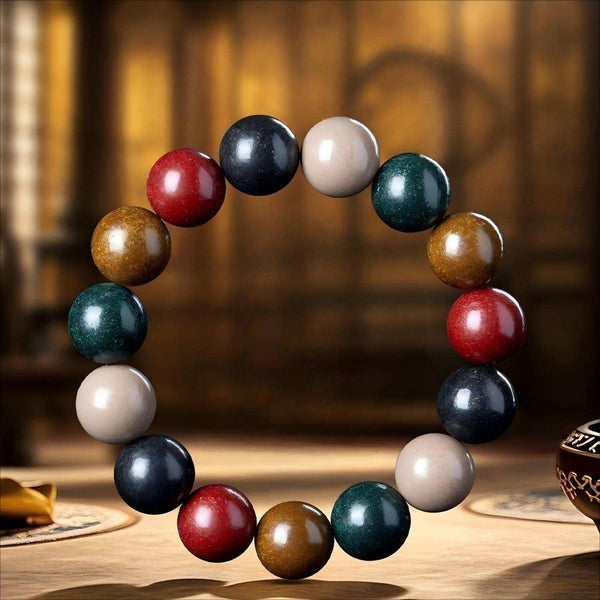
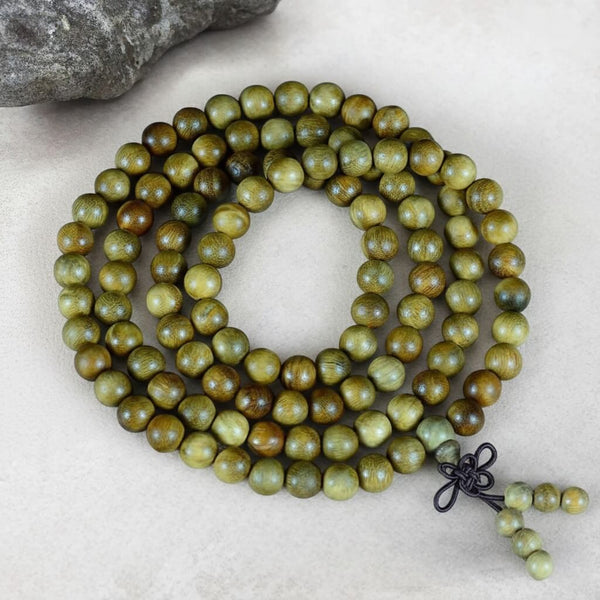
A smooth bead is not proof of glue. A matte bead is not proof of no glue. Color, hardness, scent, pores, weight, and visible grain also cannot reveal the complete formulation. Product photography supports appearance and construction review, but not an invisible ingredient claim.
Likewise, words such as handmade, traditional, natural, botanical, heritage, or artisan do not establish whether adhesive was used. Each term needs its own definition and evidence.

Made Without Glue Is Not the Same as Binder-Free
A binder is any material or mechanism used to help components hold together. Depending on the process, a seller may distinguish a separate glue from another permitted binding material. That distinction is why the public statement must define its terms.
Do not replace made without glue with binder-free unless documentation supports the broader claim. Do not replace it with chemical-free, non-toxic, hypoallergenic, food-safe, biodegradable, or environmentally friendly. Those are separate claims with separate evidence requirements.
How This Page Differs from the How-Made Guide
The article on how herbal incense beads are made owns the general process question. This page covers only the narrow made-without-glue claim and the evidence needed to use it.
Keeping those intents separate prevents a single unverified detail from being repeated as if it described every method, product, or maker.
Questions a Buyer Can Ask
- Which exact product does the made-without-glue statement cover?
- How does the seller define glue?
- Does the statement cover only the bead body or also surface finish and assembly?
- Is another binder or binding method used?
- Has the process or supplier changed since the claim was written?
A seller may protect proprietary details while still answering the scope question clearly. If the answer is unknown, the honest wording is unknown or unverified rather than a stronger marketing claim.
Connect Craft Evidence to Product Selection
First understand what a herbal incense bracelet is. Then use the incense bracelet selector to compare current facts rather than choosing from one craft phrase alone.
After purchase, the sibling checklist on herbal incense bracelet care mistakes covers handling. Manufacturing claims do not replace care instructions.
Review a Product Without Extending the Claim
The Five Elements Herbal Incense Bracelet is a current commercial listing. Use its live product page for exact facts. This article does not state that the product is made without glue unless that exact claim is currently documented and approved for the product.
To compare other current listings, visit the Natural Herbal Incense Bracelets collection.
Kenlina Fact Boundary
Kenlina should publish made-without-glue wording only for products and periods covered by retained evidence. The statement does not establish health, allergy, safety, environmental, sustainability, durability, cultural, or spiritual benefits. If documentation is incomplete, the claim remains unverified.
FAQ
Q1. Are all herbal incense beads made without glue?
A: No category-wide claim is justified. The answer depends on the exact product, maker, process, definition, and documentation.
Q2. Does made without glue mean binder-free?
A: Not automatically. A seller must define glue and explain whether other binding materials or mechanisms are used.
Q3. Can I tell from a bead photograph whether glue was used?
A: No. A photograph can show visible shape, color, surface, and construction, but it cannot prove the complete formulation or process.
Q4. Is a bead safer because it is made without glue?
A: The absence of one material category does not prove safety, allergy suitability, health benefits, or environmental performance. Those need separate evidence.
Q5. What should a seller keep before publishing the claim?
A: Keep a product-specific process, formula, batch, maker, or supplier record that defines the claim and can be reviewed when materials or production change.