



Introduction
When anxiety hits, it rarely asks for permission.
Your heart speeds up.
Your chest tightens.
Your thoughts scatter-often before you can even name what you're feeling.
This is why smell matters.
Among all human senses, smell is the fastest way to reach your emotional brain. Not because it's powerful in a mystical way-but because of how your brain is wired. Scent doesn't wait for logic. It goes straight to the place where emotions live.
And that's exactly why it can calm anxiety when words can't.

What Actually Happens in Your Brain During Anxiety?
Let's clear something up first:
Anxiety isn't a personal failure. It's a biological response.
When you feel anxious, a small almond-shaped structure in your brain called the amygdala goes into alert mode. Its job is simple: scan for danger and keep you safe.
The problem?
The amygdala reacts fast-much faster than your rational thinking brain.
That's why telling yourself to "calm down" often doesn't work in the moment. By the time logic kicks in, your nervous system may already be on high alert.
So the real question becomes:
How do you reach the emotional brain before anxiety fully takes over?

Why Smell is Different From Every Other Sense?
Here's where scent becomes special.
Most senses-like sight and sound-take a longer route through the brain. They're processed, filtered, and analyzed before they influence how you feel.
Smell doesn't do that.
Olfactory signals travel directly to the limbic system, the part of the brain responsible for emotion, memory, and instinct. That system includes the amygdala itself.
In simple terms:
Smell doesn't ask your brain to think first.
It allows your brain to feel first.
This direct pathway is why a familiar scent can instantly make you feel safe, nostalgic, or grounded-sometimes before you understand why.

Why Scent Can Calm Anxiety Faster Than Thought?
Anxiety is not a thinking problem.
It's a nervous system speed problem.
When your system is overstimulated, adding more thoughts often makes things worse. What helps instead is something that gently signals safety.
Scent does exactly that.
It doesn't argue with your anxiety.
It doesn't try to "fix" it.
It simply lowers the volume.
This is why people often notice:
- Their breathing slows when they encounter a comforting scent
- Their shoulders drop without conscious effort
- Their body relaxes before their mind does
That's not imagination. That's biology.
Why Gentle, Natural Scents Work Better Than Strong Ones?
When you're anxious, your nervous system is already sensitive. Strong, artificial, or overly sweet scents can feel overwhelming-sometimes even irritating.
Your brain reads them as more stimulation, not relief.
Natural, subtle scents behave differently. They're:
- More predictable
- Less aggressive
- Easier for the nervous system to accept
Instead of demanding attention, they invite calm.
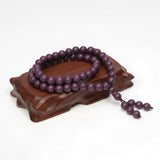
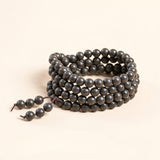
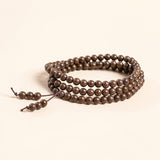
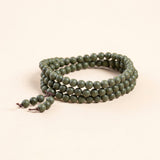
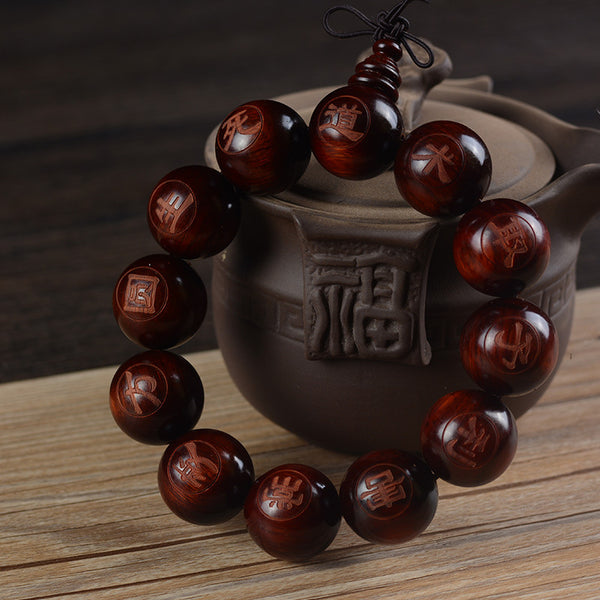
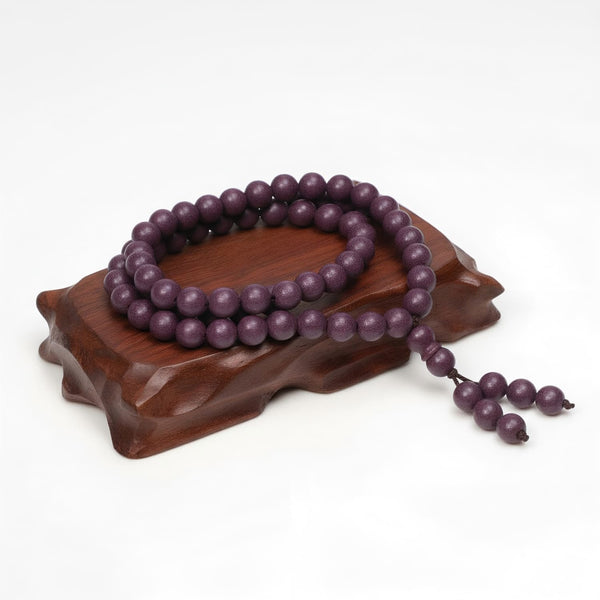
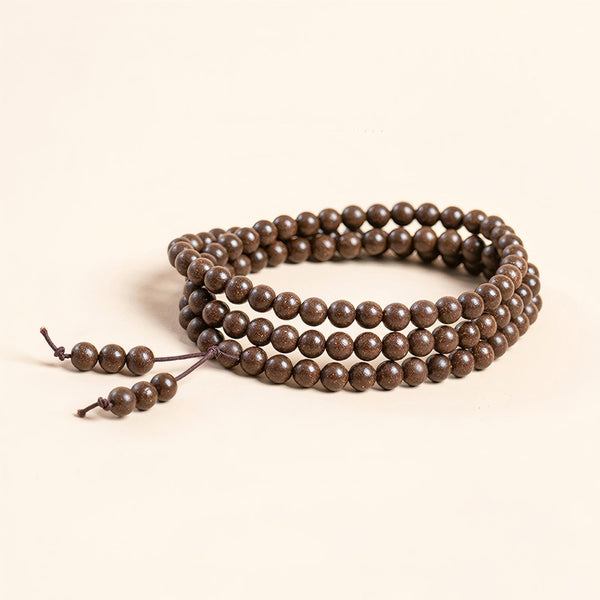
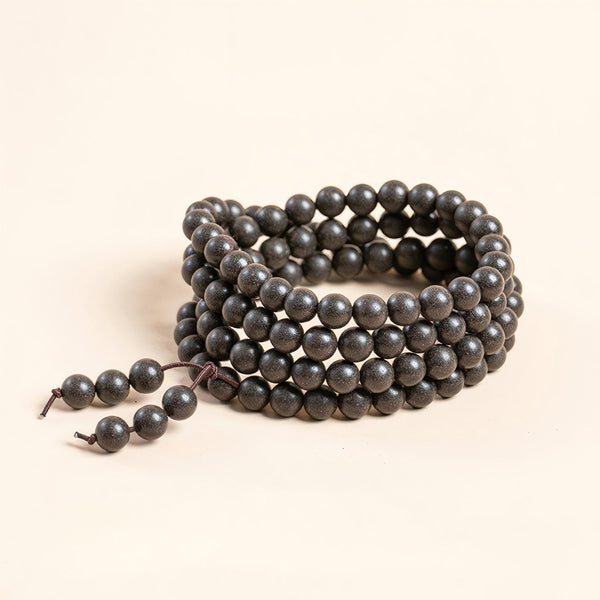
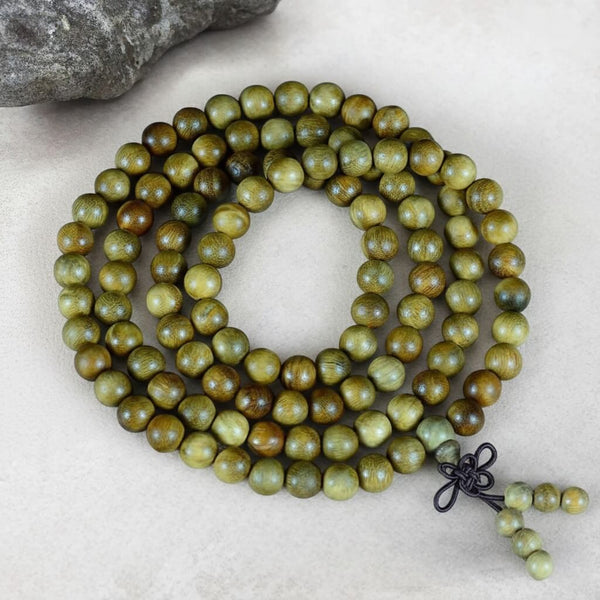
This is why Kenlina focuses on soft, botanical-based incense beads rather than sharp or overpowering fragrance. Calm doesn't need to announce itself. It just needs to be present.
Why Smell Works Even Better When You Can Touch it?
There's another layer to this: touch.
Touch is one of the earliest senses humans develop. It's deeply tied to comfort, reassurance, and safety. When scent and touch work together, they create a stronger grounding effect.
That's why carrying scent-rather than spraying it into the air-can feel more personal and stabilizing.
When you hold something natural, warm it with your skin, and breathe in a familiar aroma, you're engaging multiple calming pathways at once.
This combination turns scent into something more than fragrance.
It becomes a physical anchor.
Calm isn't About Control - It's About Access
One of the biggest misconceptions about anxiety is that you need to control it.
In reality, what you need is access-access to tools that meet your nervous system where it is, not where you wish it were.
Smell works because it reaches the emotional brain directly.
Because it doesn't require explanation.
Because it reminds your body what "safe" feels like.
At Kenlina, this understanding guides everything we create. Our pieces aren't designed to distract you from stress, but to gently support you through it-without force, pressure, or performance.
Why Scent Belongs in Your Calm Toolkit?
Smell is fast because emotion is fast.
That doesn't make it fragile. It makes it powerful.
When anxiety rises, scent offers a quiet shortcut-one that bypasses overthinking and speaks directly to the part of you that needs reassurance most.
That's why we believe calm should be carried, not chased.
And because emotional well-being deserves real support, Kenlina proudly partners with the Anxiety and Depression Association of America (ADAA). A portion of every purchase helps fund programs that provide education, resources, and care for those living with anxiety and depression.
Because calm isn't just personal.
It's something worth sharing.
FAQs
Q1: Why does anxiety feel like it comes out of nowhere?
A: Anxiety often starts in the emotional part of the brain before conscious thought kicks in. Your nervous system reacts first, which is why physical sensations-like a racing heart or tight chest-can appear before you understand what triggered them.
Q2: Can scent really calm anxiety, or is it just placebo?
A: Scent has a direct connection to the emotional centers of the brain. Unlike other senses, it doesn't need to be "analyzed" first. That's why many people experience a calming response to certain smells even before they consciously notice it.
Q3: Why do some smells make me feel calm instantly?
A: Smell is closely linked to memory and emotion. When your brain recognizes a scent as safe or comforting, it can trigger relaxation almost immediately-sometimes without you realizing why.
Q4: Why don't breathing exercises always work when I'm anxious?
A: Breathing techniques rely on conscious control, which can be hard when anxiety is already high. Scent works differently-it reaches the emotional brain directly and can help lower intensity before rational techniques become effective.
Q5: Are strong fragrances good or bad for anxiety?
A: It depends on the person, but many people find strong or artificial scents overstimulating when anxious. Gentle, natural scents are often easier for the nervous system to accept and feel less intrusive.
Q6: Why does touching something calming help with anxiety?
A: Touch provides physical reassurance. When combined with scent, it creates a grounding effect-helping your body feel safe and present rather than overwhelmed or scattered.
Q7: Can scent replace therapy or medication for anxiety?
A: Scent isn't a treatment or cure. It's a supportive tool-one of many ways to help regulate your nervous system and create moments of calm alongside professional care or personal coping strategies.
FAQ
Q1. Why can scent feel emotionally powerful?
A: Smell is closely connected with memory and emotion, so a familiar aroma can quickly remind you of a place, person, or calming routine.
Q2. Can scent jewelry treat anxiety?
A: No. Kenlina scent-based jewelry is not a medical treatment. It can be used as a mindful cue, but it does not replace professional care or support.
Q3. How can I use scent as a daily ritual?
A: Use the same scent at a repeatable moment, touch one bead, and take one slow breath. Consistency makes the cue easier to recognize.