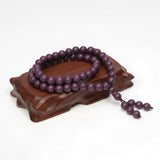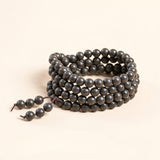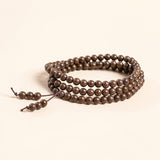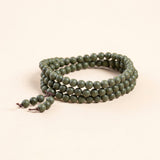


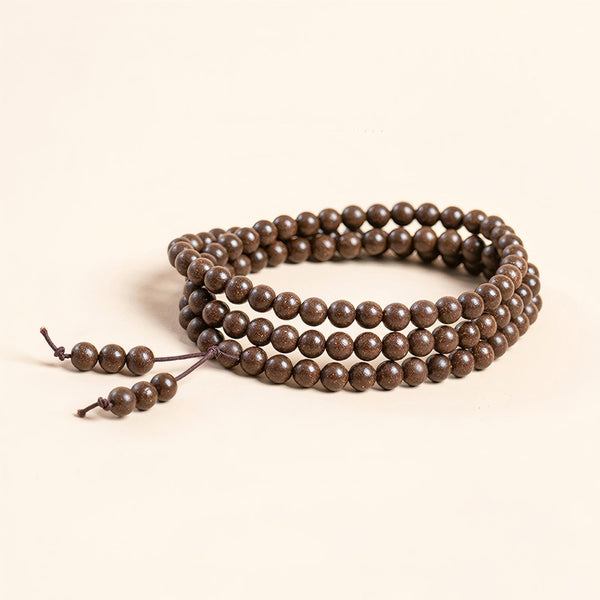
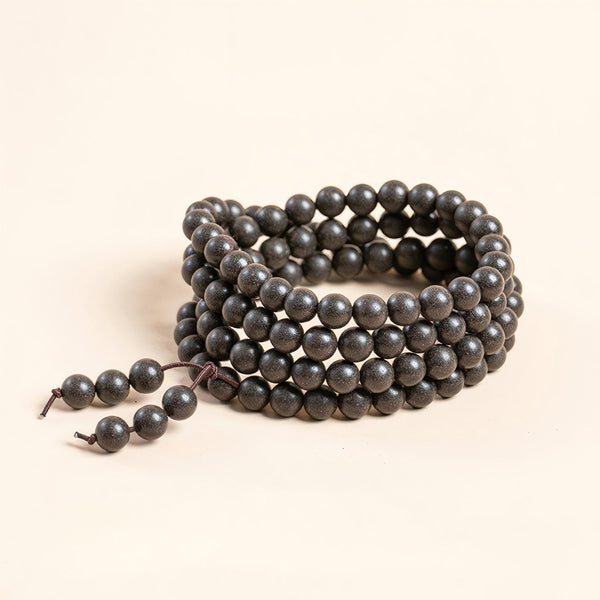
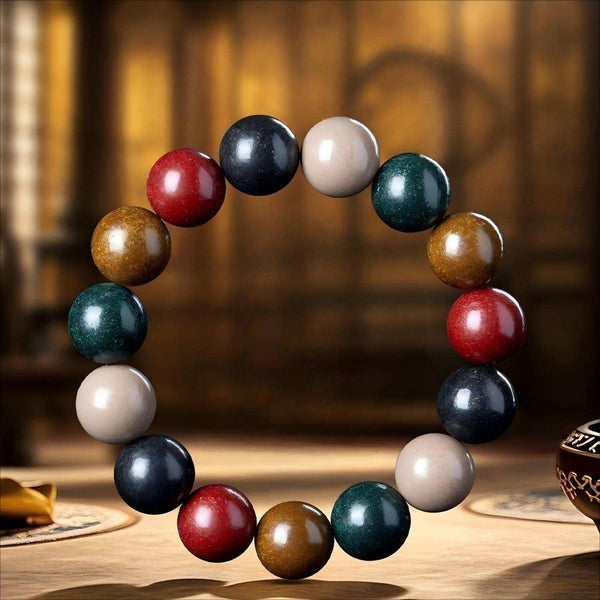
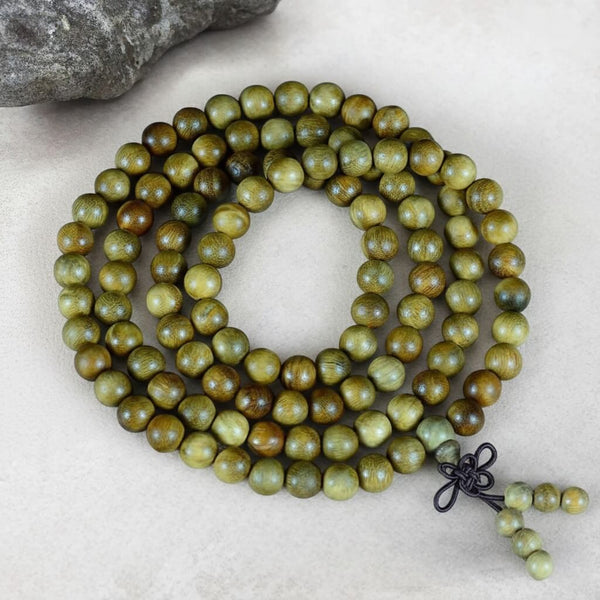
Short answer: Herbal incense bracelet care mistakes usually involve soaking the beads, applying perfume or oil, wearing the strand through heavy friction or moisture, storing it while damp, exposing it to strong heat, using harsh cleaners, or treating every natural change as damage. The conservative alternative is dry handling, gentle wiping, appropriate removal, stable storage, and the exact product instructions.
This is a mistakes checklist, not a replacement for Kenlina's broader material guide. Bead material, surface, cord, spacers, and construction can differ by product. Where this article and a current product page differ, follow the product page.
Use the Bracelet Care and Materials Guide for the full care routine. Use this page when you need a quick list of what to avoid.
Herbal Incense Bracelet Care Mistakes
The seven mistakes below are avoidable sources of moisture, residue, abrasion, heat, and structural stress. They do not imply that every color, scent, or surface change is damage. The goal is to protect the actual beads and stringing without inventing treatments that the maker did not approve.
Mistake 1: Soaking the Bracelet to Clean It
Soaking can expose bead surfaces, holes, cord, knots, and contact points to prolonged moisture. A strand may look dry on the outside while moisture remains between beads or around the stringing.
Do this instead: remove ordinary dust with a clean, soft, dry cloth. If accidental moisture reaches the bracelet, blot without aggressive rubbing and let the strand dry indoors away from direct heat. Do not use a hair dryer, heater, or hot windowsill.
Mistake 2: Adding Perfume or Essential Oil
Added fragrance does not restore an original bead formula. Perfume, essential oil, sanitizer, lotion, and cosmetic products can leave residue, alter the surface, affect cord, transfer to clothing, or create unwanted skin contact.
Do this instead: apply personal-care products first and allow them to dry before putting on the bracelet. Do not add liquid unless the exact product instructions state where, how much, and which substance is approved.
Mistake 3: Wearing It Through High-Friction Activities
Cleaning, intense exercise, gardening, moving equipment, and repetitive contact with a desk edge combine impact, sweat, chemicals, and abrasion. A bracelet can be suitable for daily wear without being suitable for every task.
Do this instead: remove the bracelet before activities likely to soak, strike, compress, or pull it. If bead size or movement causes repeated contact, use Kenlina's incense bracelet selector before purchasing another strand.

Mistake 4: Storing the Bracelet While Damp
Placing a recently worn or damp strand in a sealed bag can trap moisture and residue. Stacking it under heavier jewelry may press hard metal parts, spacers, or knots against the beads.
Do this instead: let surface warmth or moisture dissipate in a safe indoor place. Once dry, store the bracelet flat or loosely coiled in a clean pouch, tray, or divided jewelry space. Keep sharp metal items separate.
Mistake 5: Leaving It in Strong Heat or Direct Sun
A hot vehicle, heater shelf, steamy bathroom, or sunny window creates a harsher environment than ordinary indoor wear. Heat and repeated temperature changes may affect scent, tone, surface, elastic, cord, or decorative components.
Do this instead: choose a shaded, dry indoor location with ordinary ventilation. Travel with the bracelet in a protective pouch rather than leaving it loose in a vehicle.
Mistake 6: Using Household Cleaner or Abrasive Polish
Alcohol wipes, detergent, metal polish, generic jewelry cleaner, and abrasive cloths are not universal care products. A method intended for metal or stone may be unsuitable for a finished bead, cord, coating, or mixed-material detail.
Do this instead: begin with a dry soft cloth and light pressure. Do not scrape a mark with a hard tool. For persistent residue, contact the seller with the exact product name and a clear photo before trying a chemical.
Mistake 7: Treating Every Change as Damage
Handled beads can develop gradual changes in tone, surface, and scent. A different batch may also vary. Those possibilities do not prove that every change is normal, but perfect uniformity should not be assumed without a product-specific statement.
Do this instead: distinguish gradual variation from a sudden structural or contamination issue. A broken cord, loose hardware, cracked bead, persistent dampness, or unfamiliar odor after chemical exposure deserves attention.

Use Product Facts Before a Care Routine
If you are new to the category, first read what a herbal incense bracelet is. Understanding the product format helps separate normal use from an unapproved cleaning or fragrance method.
Claims about manufacturing also require evidence. The sibling guide on herbal incense beads made without glue explains why a craft claim should not be inferred from appearance or marketing language.
A One-Minute After-Wear Check
- Remove the bracelet before water, cleaning, heavy exercise, or impact.
- Check whether the surface and cord are dry.
- Wipe visible dust with a clean dry cloth.
- Look for stretched cord, a loose knot, cracked bead, or bent hardware.
- Store the strand in a shaded, dry, low-friction place.
The Ancient Herbal Incense Beads product page provides one exact commercial example. Use its current listing for actual variants, images, price, and care. To compare other current options, visit the Natural Herbal Incense Bracelets collection.
Kenlina Editorial Boundary
This checklist offers conservative product care. It does not verify an unstated formula, coating, durability standard, manufacturing method, health effect, environmental claim, or universal scent behavior. Exact product facts belong to the current listing.
FAQ
Q1. Can I wash herbal incense beads with water?
A: Avoid soaking or routine washing unless the exact product instructions approve it. Use a dry soft cloth for ordinary dust and blot accidental moisture.
Q2. Can I add essential oil when the scent becomes lighter?
A: Not unless the exact listing approves it. Added oil can change the bead surface, cord, residue level, and scent rather than restoring the original product.
Q3. Where should I store an herbal incense bracelet?
A: Store it dry in a shaded indoor pouch, tray, or divided jewelry space. Avoid humid bathrooms, hot vehicles, direct sun, and sealed storage while damp.
Q4. Is a lighter scent proof that the bracelet is damaged?
A: No. Scent can be affected by the individual piece, wear, storage, environment, distance, and scent adaptation. Review the original product description.
Q5. When should I stop wearing the bracelet?
A: Stop if the cord is damaged, a bead is cracked, hardware is loose, or the strand remains damp or develops an unfamiliar odor after chemical exposure.