


Intro

When the mind won’t rest, the night feels endless. This guide explores the roots of night-time anxiety and offers practical, mindful rituals inspired by Kenlina’s philosophy — where scent, breath, and presence intertwine. Each practice helps you reclaim calm, ease the racing thoughts, and rediscover peace, even in the quietest hours.

The Night Feels Longest When the Mind Won’t Rest
It’s almost midnight. The world outside is asleep, but your thoughts are wide awake. You stare at the ceiling, counting the seconds between each anxious heartbeat. The room is still, yet your mind runs a thousand miles an hour — replaying the day, predicting tomorrow, searching for peace that feels just out of reach.
There’s a strange irony in night-time anxiety: when the world finally slows, our inner world starts to speed up. During the day, we can hide behind tasks, conversations, and constant motion. But when silence falls, the noise inside becomes louder.
At Kenlina, we understand this intimately — the ache of wanting to rest but being unable to quiet the mind. Calm is not about escaping the chaos; it’s about finding stillness within it.
Like incense releasing its slow fragrance, peace unfolds when you give it time to breathe.
Understanding Night-time Anxiety — When Stillness Feels Too Loud
Anxiety at night often feels heavier, almost amplified. Why?
From a physiological perspective, as evening arrives, our bodies shift from alertness to rest mode. The day’s adrenaline begins to fade, cortisol (our stress hormone) dips, and melatonin rises. But for those living with anxiety, this slowing down can be misread by the mind as vulnerability. When the body quiets, unprocessed thoughts surge up — like dust rising when the air finally settles.
From an emotional perspective, nighttime removes distraction. We no longer have conversations or screens to drown out self-doubt. What’s left is stillness — and stillness can be confronting.
Eastern wisdom describes the mind as a pool of water. When wind blows, ripples form; when wind stills, the water clears. Anxiety is the lingering wind. The key isn’t to fight it, but to soften it through awareness — through breath, scent, and gentle attention.
“When the mind feels crowded, exhale. Calm begins where the breath begins.”
The Hidden Waves Beneath the Calm — Common Triggers
Night-time anxiety doesn’t come from nowhere. It’s often stirred by subtle, recurring patterns. Recognizing them is the first step toward peace.
1. The Mind That Won’t Switch Off
Replay after replay — what you said, what you didn’t, what could’ve gone differently. This mental rerun traps you between guilt and uncertainty.
2. The Weight of Tomorrow
Before sleep, the mind rehearses tomorrow’s fears — meetings, decisions, conversations. The future grows larger in the dark.
3. The Body That Can’t Let Go
Your heart beats faster, muscles tighten, breathing shortens. The body mirrors the mind’s unrest, each feeding the other.
4. The Space That Feels Too Still
When the room is silent, every creak feels loud. The stillness itself becomes uncomfortable, amplifying inner noise.
Awareness is the first breath of calm. The moment you name what you feel, you begin to soothe it.
The Kenlina Night Ritual Framework — Three Layers of Calm
Instead of treating anxiety as something to fix, we invite you to experience the night as a space to return home to yourself.
Our framework rests on three layers: the body, the mind, and the space — each a doorway to rest.
Layer One: The Body — Breathe with Scent
Anxiety often begins in the body. When we’re tense, our breath becomes shallow, our chest tight. To restore peace, start with your breath — the most ancient form of meditation.
Try the 4–7–8 technique:
Inhale through your nose for 4 counts.
Hold for 7.
Exhale softly through your mouth for 8.
Repeat three or four times. As you breathe, light your favorite incense or hold a Kenlina bracelet near your heart. Let its scent travel with your breath, guiding you back to safety.
Scent has memory — it anchors the nervous system. With consistent use, your body begins to associate that fragrance with calm. The more you practice, the faster peace returns.
Kenlina Reflection: Every breath through scent is a way home to your body.
Layer Two: The Mind — Write, Reframe, and Release
Our minds crave closure. When we don’t give it, thoughts loop endlessly.
Instead of trying to stop thinking, give your mind a gentle landing place.
Step 1: Write down your worries.
Keep a small notebook by your bedside. Before sleep, spend two minutes jotting down everything that’s circling in your mind. When the words are on paper, they no longer have to live in your body.
Step 2: Reframe what’s heavy.
Look at your list. Ask yourself, “Is this within my control tonight?” If not, whisper, “I release this until morning.”
Replace “What if I fail?” with “I’ll handle what comes.” Replace “Tomorrow might be hard” with “Tomorrow will unfold as it should.”
Step 3: Close your notebook.
This physical closure signals your mind: the day is complete.
Kenlina Reflection: Putting thoughts on paper is like letting incense smoke carry them away.
Layer Three: The Space — Design Your Sleep Sanctuary
Your environment whispers to your nervous system.
A cluttered, harshly lit room tells your body to stay alert. A soft, scented, and ordered space says, “You can rest now.”
Transform your room into a sanctuary of calm:
- Darkness: use blackout curtains; let your body trust the night.
- Temperature: cool and balanced — between 60–67°F (15–19°C).
- Scent: a touch of sandalwood, lavender, or one of Kenlina’s natural incense blends.
- Comfort: natural fabrics, supportive pillows, gentle textures.
- Simplicity: remove clutter; let visual quiet invite mental quiet.
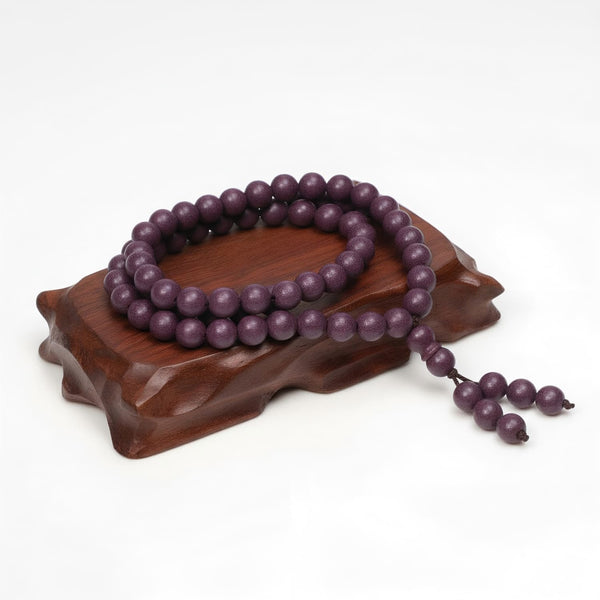
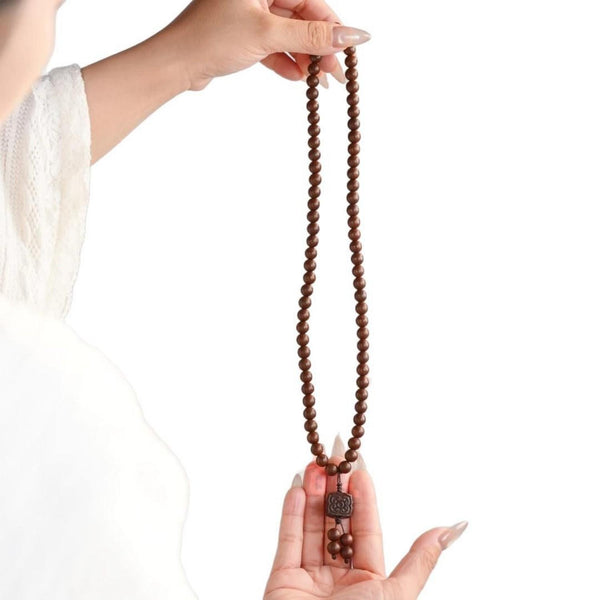
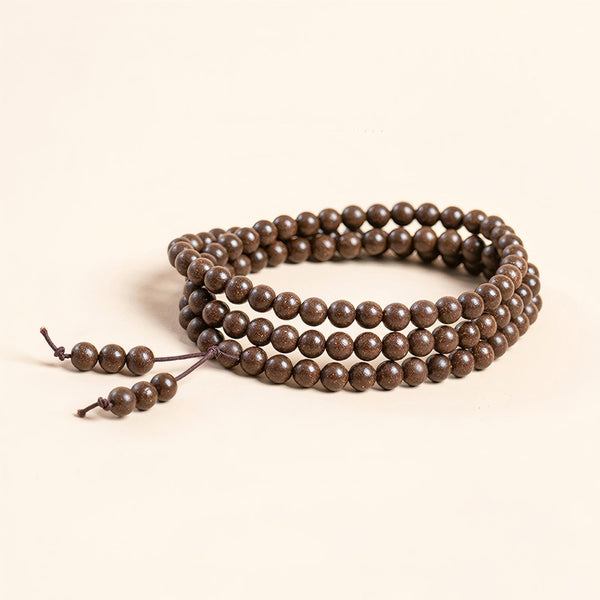
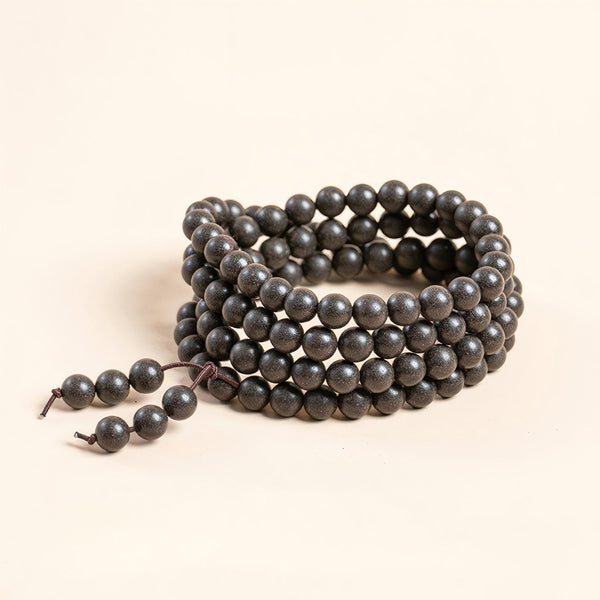
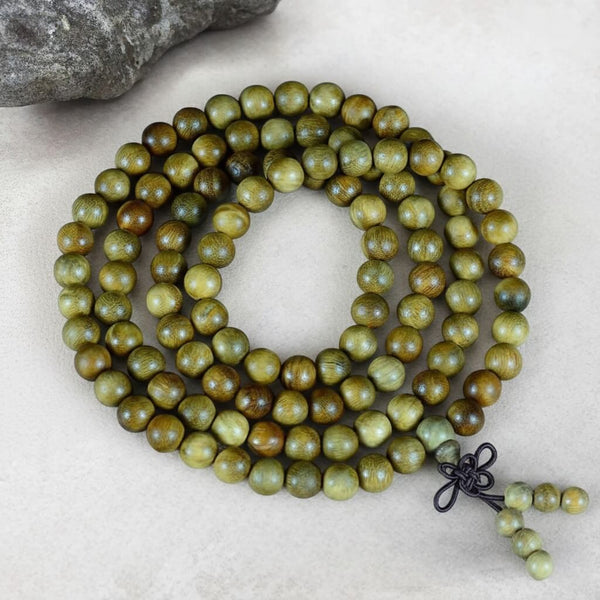
Touch your bracelet as you lie down. Feel its smooth beads against your fingertips — a reminder that you carry calm with you.
Kenlina Reflection: Let your room exhale peace before you do.
The 10-Minute Bedtime Ritual — A Practice for Calm Nights
Here’s a simple nightly routine to help retrain your body and mind to associate bedtime with tranquility.
- Dim the lights and light your chosen incense.
- Sit quietly for one minute — no judgment, just presence.
- Breathe using the 4–7–8 rhythm three times.
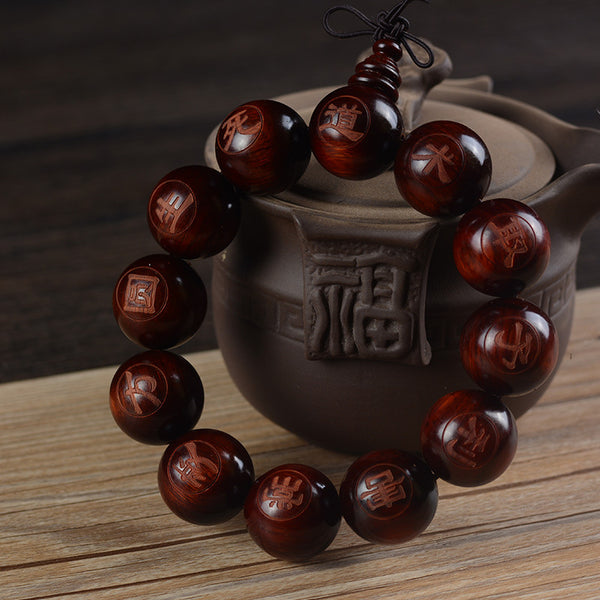
- Hold your bracelet — trace its beads slowly, aligning each touch with a breath.
- Write your worries in your notebook, then close it.
- Say aloud one affirmation: “I am safe. I am home.”
- Visualize a peaceful scene — a mountain temple, a calm ocean, or a garden at dawn.
- Feel your body sink into the mattress, releasing weight with each exhale.
- Whisper gratitude for one small joy from today.
- Exhale fully. Let go of the day.
Peace is not something you chase; it’s something you allow.
Emergency Calm — When Anxiety Returns at 2 A.M.
Even with ritual, some nights are restless. If anxiety wakes you, don’t fight it. Meet it like an old friend who needs your care.
- Sit up slowly. Place both feet on the floor or feel the texture of your sheets.
- Ground yourself. Identify five things you can see, four you can touch, three you can hear, two you can smell, one you can feel within.
- Cool touch. Run your fingers along your bracelet or against a cool surface — reminding your body of the present moment.
- Repeat gently: “This feeling will pass. My breath will guide me back.”
If you notice this pattern repeating nightly, it may be time to speak with a professional.
Therapies such as CBT (Cognitive Behavioral Therapy) and sleep-focused mindfulness programs can rewire anxious thought cycles and restore restful sleep. Seeking help is not weakness — it’s wisdom.
Lifestyle Shifts That Support Rest
Calm isn’t built in one night; it’s cultivated through rhythm and care.
- Consistency: go to bed and wake up at the same time daily — your body loves predictability.
- Digital sunset: turn off screens an hour before bed; replace blue light with candlelight or incense glow.
- Movement: gentle yoga or evening walks help regulate cortisol and release muscle tension.
- Limit stimulants: caffeine, alcohol, and nicotine can disrupt the nervous system’s recovery cycle.
- Hydrate and nourish: a calm body creates a calm mind.
Kenlina’s Commitment to Calm — Giving Back Through Care
At Kenlina, we believe that calm is both personal and collective.
The peace you cultivate at night can ripple outward — touching others who are searching for their own stillness.
That’s why 1% of every purchase goes directly to the Anxiety and Depression Association of America (ADAA) — an organization dedicated to supporting those who live with anxiety and depression.
Each month, we also contribute a dedicated donation to ADAA as part of our ongoing gratitude — a way of giving back to the community that once helped us through our own anxious nights.
Through this partnership, we hope to help more people rediscover peace, no matter their circumstances.
Even when the world feels uncertain, calm remains possible. The scent of care carries further than we imagine.
Where Peace Begins
Night-time anxiety may visit often, but it does not define you. It’s simply your body asking for gentleness, your mind longing to exhale.
Tonight, let your ritual be your response:
Light your incense.
Breathe deeply.
Touch the reminder on your wrist — the symbol of calm you carry with you.
Peace doesn’t demand perfect silence; it asks only for your presence.
And as you soften into the darkness, remember — the night isn’t your enemy. It’s your teacher, guiding you back to stillness, breath by breath.
Breathe deeper. Find stillness. Carry peace.
FAQ
Q1. What is a night ritual?
A: A night ritual is a small repeated practice that signals the shift from daytime activity to evening rest.
Q2. Can night rituals stop anxiety?
A: No. Night rituals are supportive daily practices, not medical treatment or guaranteed solutions.
Q3. What should I include in a night ritual?
A: Keep it simple: lower stimulation, choose one familiar cue, touch a bead if helpful, and take a few slower breaths.