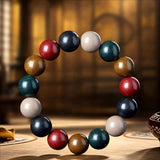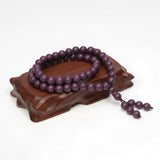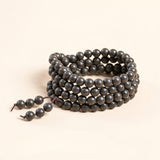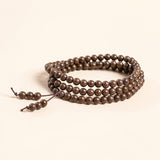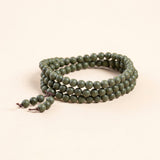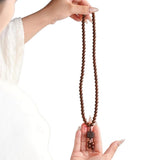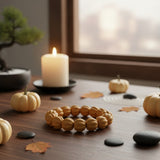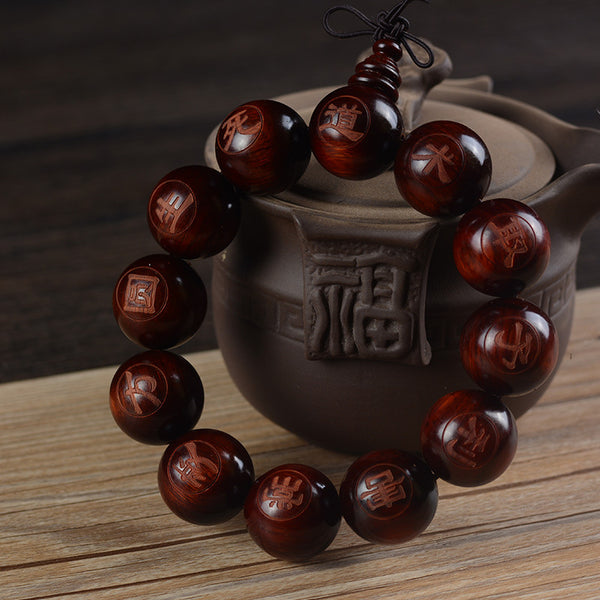
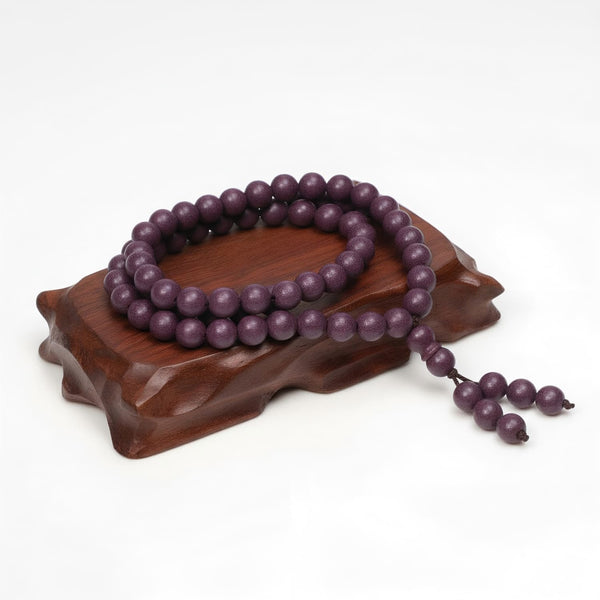

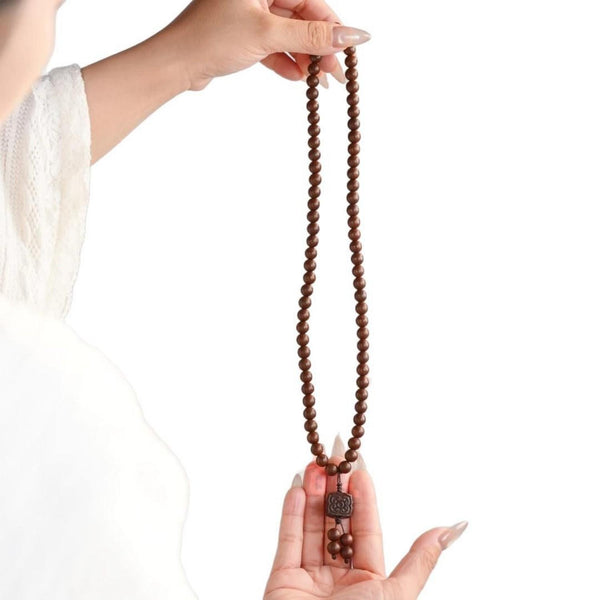

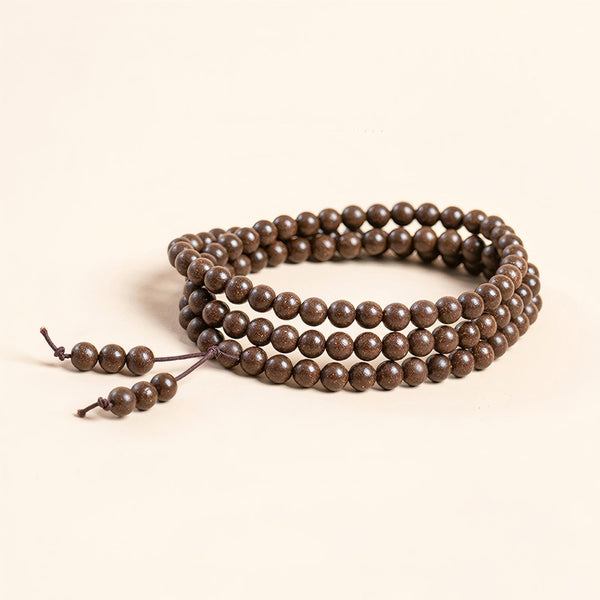
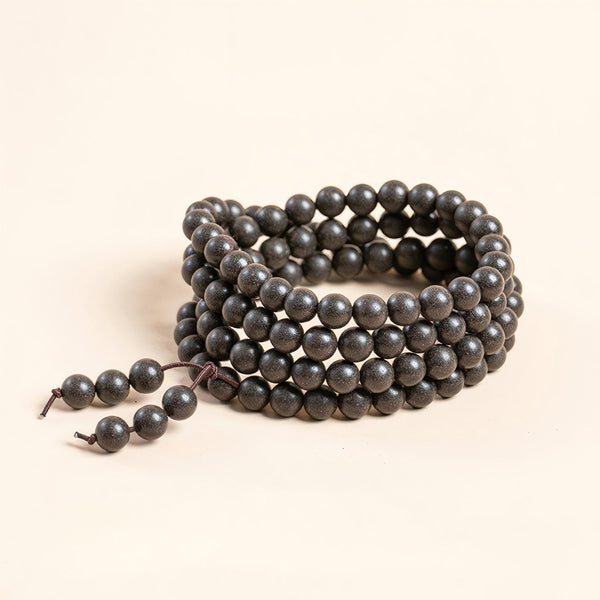
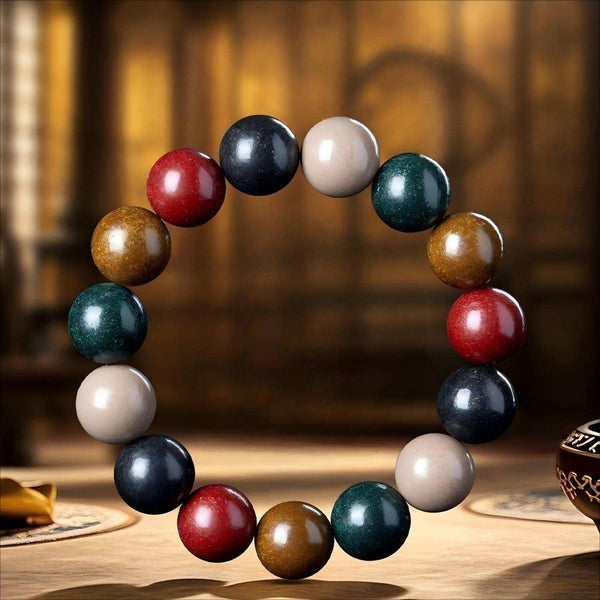
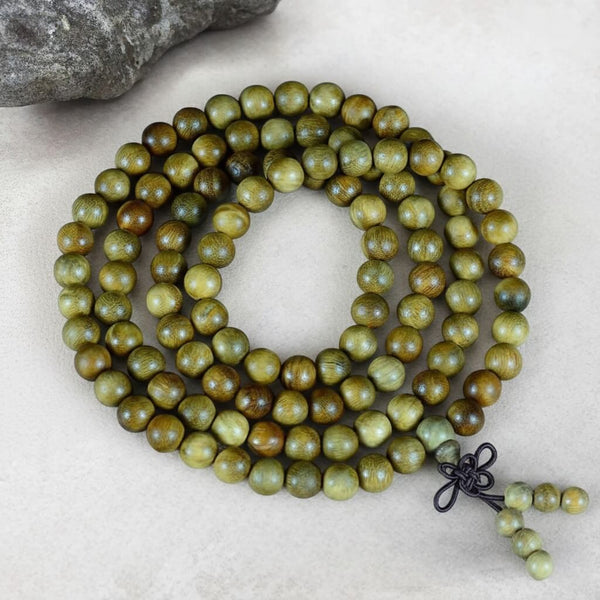
Short answer: Herbal incense beads are generally made by preparing aromatic material into a workable blend, shaping it into beads, drying or stabilizing the forms, smoothing and sorting them, drilling or preserving the stringing hole, and assembling the finished beads into jewelry. The exact formula, binding method, drying schedule, and finishing sequence can differ by product, so a responsible explanation should describe the broad process without pretending every maker uses one recipe.
This guide explains how herbal incense beads are made at the category level and how Kenlina evaluates the finished jewelry: the beads should match the stated product information, feel stable and wearable, and be photographed and described honestly. It does not claim a medical effect, guaranteed emotional result, secret historical formula, or unverified ingredient list.
For the broader definition, material limits, scent expectations, and care path, start with Kenlina's Herbal Incense Beads Pillar.

How Herbal Incense Beads Are Made: The Process at a Glance
- Prepare the material: aromatic or botanical material is reduced or blended into a consistent, workable form.
- Form the beads: the material is portioned and shaped while maintaining a usable stringing path.
- Dry or stabilize: the formed beads are allowed to become firm enough for later handling.
- Finish and sort: surfaces are inspected, smoothed when appropriate, and sorted for a balanced strand.
- String and inspect: the beads are assembled into the intended bracelet, mala, or strand and checked against the product specification.
This sequence is a practical overview, not a claim that every Kenlina item uses identical ingredients or workshop timing. When a product page provides a verified material, bead size, bead count, or care instruction, that specific product information controls.
What Happens During Material Preparation?
The starting material must become consistent enough to shape. Particle size, moisture, and the way materials are combined can affect color, surface, scent character, and how the bead responds during forming. Those variables are one reason natural-looking batches may not be visually identical.
Kenlina does not use this article to disclose or infer a recipe that has not been verified for every product. A phrase such as "herbal incense beads" describes the product category; it is not permission to guess exact botanicals, medicinal properties, historical provenance, or sustainability credentials.
To understand what can change without automatically indicating damage, read why natural bead color and scent vary between batches.
How Are the Beads Formed and Dried?
Once the material is workable, it is divided and shaped into repeated bead forms. Consistency matters because a finished bracelet should sit comfortably and a longer strand should move through the hand without distracting sharp edges or unstable pieces. Handcrafted character can remain visible, but cracks, crumbling, sticky surfaces, or unsafe edges should not be excused as natural variation.
Drying or stabilization gives the formed bead time to become firm enough for finishing and stringing. The precise method can vary. This article therefore avoids asserting a universal number of days, a proprietary curing method, or a historical technique that Kenlina has not documented for the specific item.

What Do Finishing, Sorting, and Stringing Change?
Finishing affects how the bead feels in the hand and how light reflects from its surface. Sorting helps the maker or assembler group beads that work together in size, tone, and overall appearance. Stringing then turns the individual beads into the format described on the product page.
The final inspection should focus on practical facts: the ordered format, bead count or size when stated, condition of the stringing, surface comfort, and whether the piece matches the representative photographs and product description. A making story should support those facts, not replace them.
How Should Buyers Evaluate the Finished Beads?
Look for clear photographs, material and scent boundaries, dimensions or variant information, care instructions, and a realistic explanation of variation. Avoid descriptions that depend on cure, detox, guaranteed luck, guaranteed calm, or unverifiable heritage claims instead of usable product detail.
For practical care after the making process, use the Bracelet Care and Materials Guide. To compare scent character, fit, and format before buying, use the incense bracelet selector.
If you want to compare currently available formats rather than infer a workshop formula, browse the Natural Herbal Incense Bracelets collection.
How Does the Making Process Affect Scent?
Material preparation, surface area, drying, storage, and time can all influence how noticeable the scent feels. The making process does not create a universal scent countdown. A subtle scent that changes gradually is different from a strong added perfume, and one person's perception may differ from another's.
Use the dedicated guide to how long herbal incense bead scent lasts for the care and storage factors that matter after purchase.

Kenlina Editorial and Evidence Boundary
This article is maintained as product education. It separates the broad, observable making sequence from product-specific facts. Kenlina should update the page when verified product materials or production evidence change, and should leave any unknown recipe, origin, duration, or benefit unstated.
FAQ
Q1. How are herbal incense beads made?
A: They are generally made by preparing a workable aromatic material, forming beads, drying or stabilizing them, finishing and sorting the pieces, and stringing them into jewelry. Exact recipes and timing can vary.
Q2. Does every herbal incense bead use the same ingredients?
A: No. Do not infer one universal ingredient list from the category name. Use the specific product page for any verified material information.
Q3. Are small differences between beads normal?
A: Small tonal or surface differences can occur in natural-looking and hand-finished materials. Cracks, crumbling, sharp edges, or a product that does not match its description are separate quality concerns.
Q4. Does the making process guarantee a health or emotional benefit?
A: No. Herbal incense bead jewelry should not be presented as a cure, treatment, detox tool, or guaranteed emotional or spiritual result.
Q5. What should I check before buying?
A: Check the real product photographs, material description, bead size or count when stated, available format, scent expectation, care instructions, and return policy.