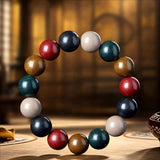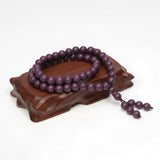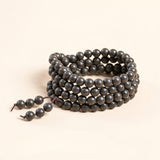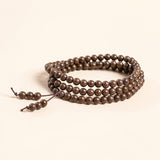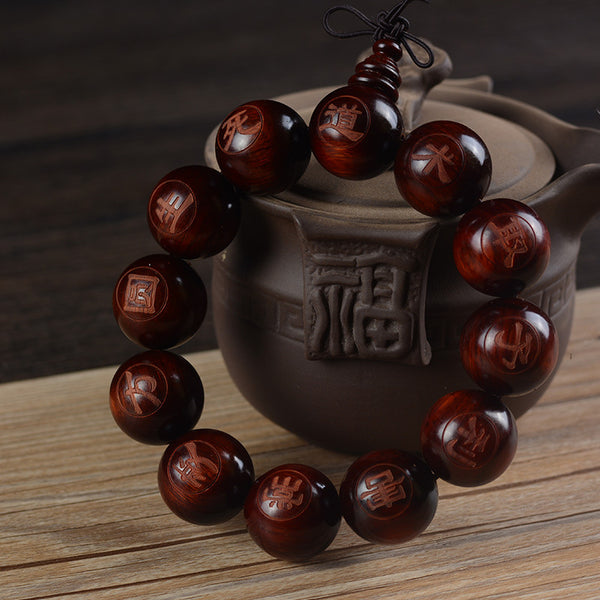
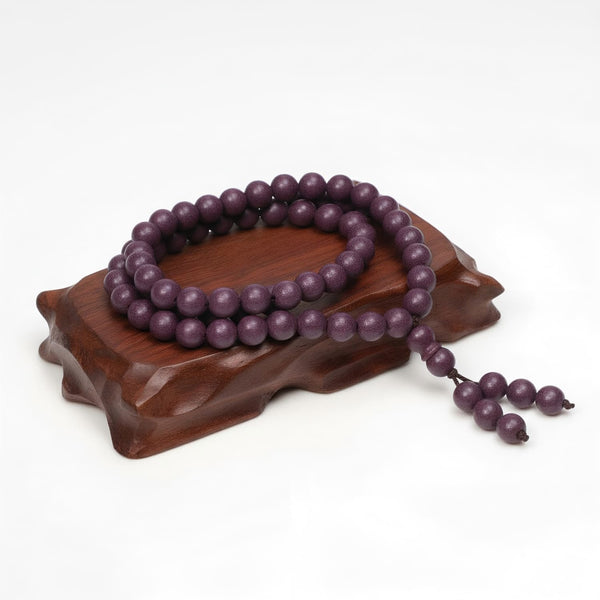

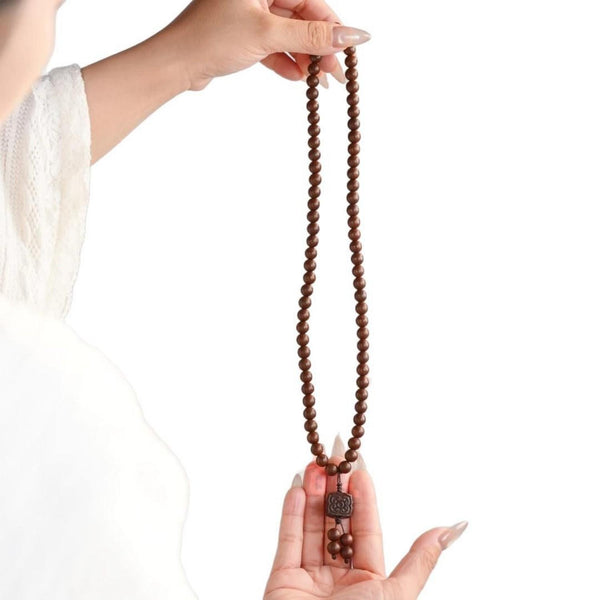

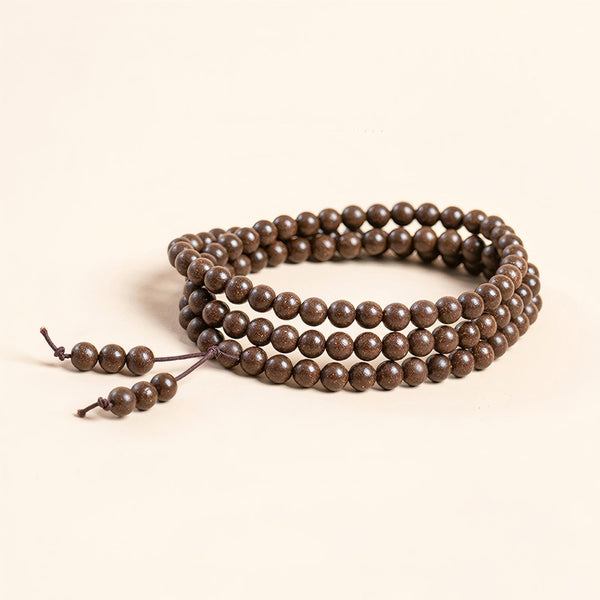
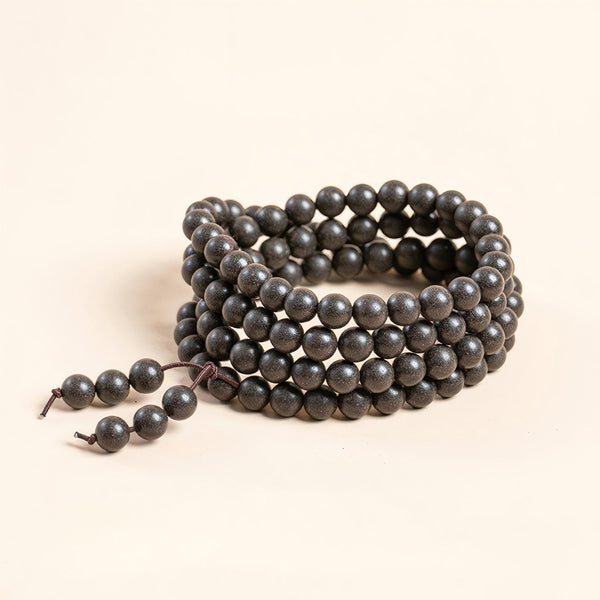
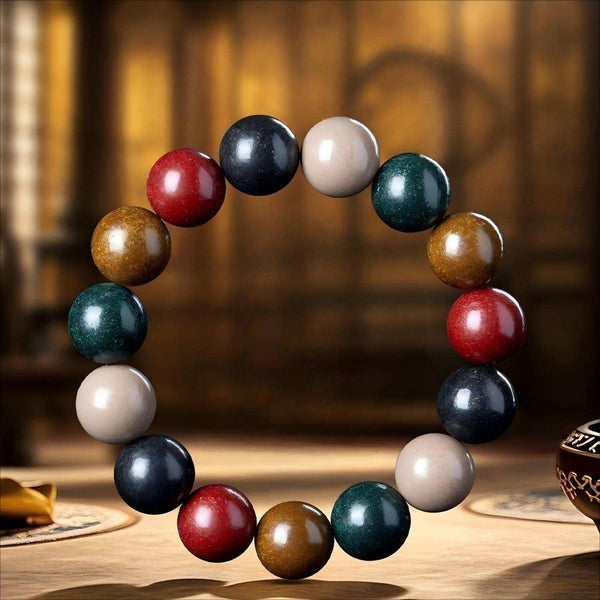
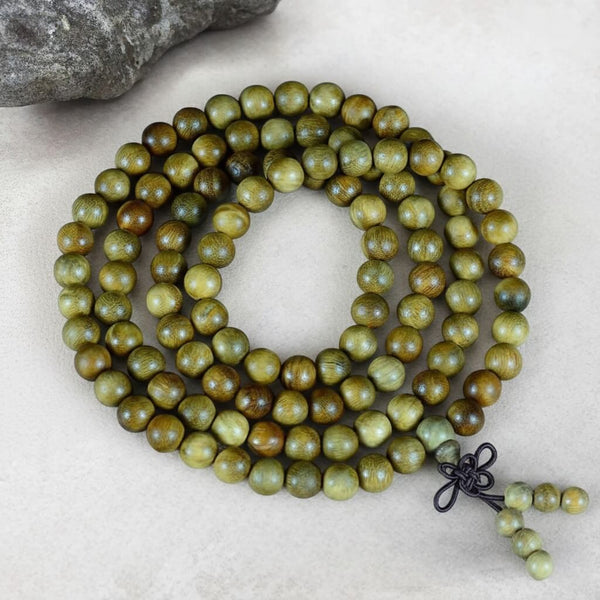
Short answer: A bead bracelet office care checklist reviews eight things before and during work: fit, desk friction, keyboards and devices, water and drinks, sanitizer and cosmetics, scent rules, tools or machinery, and a clean removal place. It protects the wearer and jewelry; it does not manage workplace anxiety or guarantee focus.
Use the Bracelet Care and Materials Guide for the full physical framework. Workplace policy, hygiene rules, safety rules, and equipment instructions always override general jewelry advice.

Bead Bracelet Office Care Checklist
- Fit: confirm that beads do not pinch, slide into the hand, or catch beneath sleeves.
- Desk contact: notice repeated rubbing or impact against the work surface.
- Devices: keep the strand from pressing keys, touchscreens, ports, cables, and wrist rests.
- Water and drinks: remove it for washing, refilling, pouring, cleaning, or spill response.
- Sanitizer and cosmetics: apply products first and wait until skin is dry.
- Scent: follow fragrance rules and respect shared-space preferences.
- Tools and machinery: remove loose jewelry before any catch, contamination, impact, or interference risk.
- Storage: use a clean pouch or compartment away from liquids, food, cleaners, heat, and sharp objects.
Check Desk Friction and Keyboard Clearance
Repeated contact can affect the bracelet, desk finish, wrist, or work posture. Type and use the mouse normally for a short check. If beads strike the surface, become trapped beneath the wrist, or shift into the hand, move the bracelet higher only if fit remains comfortable; otherwise remove it.
Do not wedge a bracelet beneath a tight cuff to stop movement. Pressure and trapped moisture are not improvements. A smaller bead profile or a different construction may suit desk work better than forcing the current item to behave differently.
Keep Water, Drinks, and Cleaning Separate
Office exposure includes more than a sink. Coffee, tea, water bottles, ice, condensation, dish soap, surface spray, wipes, and shared kitchens all create contact risks. Remove the bracelet before refilling a bottle, washing a mug, wiping a desk, watering plants, or handling a spill.
Store it away from the drink rather than directly beside the cup. If liquid reaches the item, remove it and follow the exact product guidance. Do not use a hand dryer, space heater, hot car, direct sun, alcohol, perfume, or oil as a correction.

Apply Sanitizer and Lotion Before Wear
Remove the bracelet before applying hand sanitizer, hand cream, sunscreen, perfume, or another product near the wrist. Let hands and skin dry before replacing it. Do not wipe excess product onto the beads or cord.
Frequent handwashing may make repeated removal more practical than continuous wear. Meaning does not require the bracelet to stay on while the wearer follows hygiene rules.
Respect Scent-Sensitive Workplaces
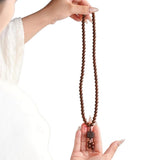
Herbal incense beads may have a noticeable scent, and perception varies. Ask about workplace fragrance policies and pay attention to shared-space feedback. Remove and store the item when scent is restricted or unwelcome. Do not add fragrance to mask change or increase intensity.
A scented bracelet does not provide anxiety relief, focus, productivity, emotional regulation, or protection from work stress. It is a physical accessory with a subjective sensory quality.
Remove Jewelry Around Tools and Equipment
Work involving rotating parts, tools, gloves, food, healthcare, laboratories, childcare, lifting, chemicals, or controlled environments may prohibit wrist jewelry. Follow the strictest applicable rule. Remove the bracelet before beginning rather than waiting for it to catch, break, or contaminate a task.
Inspect the strand after any unexpected pull or impact. Stop wear for fraying, unusual gaps, stretched elastic, a loose knot, damaged closure, cracking, or missing components. Do not use office adhesive as an improvised repair.
Build a Clean Removal Routine
Use one labeled pouch or divided compartment and return the bracelet there whenever it is removed. Keep it separate from keys, coins, chargers, pens, food, cosmetics, medication, and cleaning supplies. Before leaving work, check the pouch rather than the sink area or desk edge.
Choose the storage location before the first busy task of the day. A closed drawer can work only when it is dry, clean, and free from pressure or sharp objects. A coat pocket, lunch bag, vehicle console, windowsill, or shared supply bin is less reliable because temperature, spills, movement, and accidental handling are harder to control.
The bracelet gift note guide helps with colleague or milestone gifts. The product review guide helps verify care expectations before ordering.
Choose for the Real Workplace
Use How to Choose an Incense Bracelet and compare current items in the Natural Herbal Incense Bracelets collection.
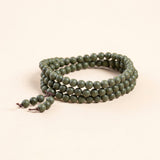
The Green Sandalwood bracelet is one exact commercial example. Verify the current listing. For recipient-first gift context, use the Mindful Jewelry Gift Guide.
Frequently Asked Questions
Q1: Can I wear a bead bracelet while typing?
A: Only when fit and clearance prevent pinching, repeated impact, trapped beads, or interference with the keyboard and wrist rest.
Q2: Should I remove it before using hand sanitizer?
A: Yes. Apply sanitizer first, keep it off the bracelet, and wait until the hands and wrist are dry.
Q3: What if my office is fragrance-free?
A: Follow the policy and store scented jewelry securely. Do not try to cover or alter the scent.
Q4: Can I wear a bracelet around machinery?
A: Follow workplace and equipment rules. Remove loose jewelry before any catch, impact, glove, contamination, or interference risk.
Q5: Does an office bracelet reduce anxiety?
A: Kenlina does not make that claim. This checklist addresses physical wear, care, storage, and shared-space respect.