




Intro

Standing up to speak - whether in a meeting, a small room, or a large stage - can stir every quiet fear inside you.
Your chest tightens.
Your voice feels unsteady.
Your breath turns shallow.
Your mind buzzes with questions like:
“Will I sound nervous?”
“What if I forget everything?”
“Do they think I’m knowledgeable enough?”
“Can I really do this?”
If any of these feel familiar, you’re not alone.
Public speaking and presentations are among the most common fears people experience - even confident, intelligent, deeply capable women.

But here is the truth:
Presentation skills are skills.
Not traits.
Not personality types.
Not natural-born gifts.
Skills can be learned.
Refined.
Strengthened.
Softened into something uniquely yours.
At Kenlina, we believe that speaking well begins within—with calm, grounding, presence, and compassion toward yourself. When your nervous system feels steadier, your voice flows more naturally. When your mind feels safe, your ideas can shine.
This guide offers a different way to improve presentation skills -
not through pressure, perfectionism, or performance
but through calmness, grounding, connection… and breath.
Before we begin, take a slow inhalation through your nose.
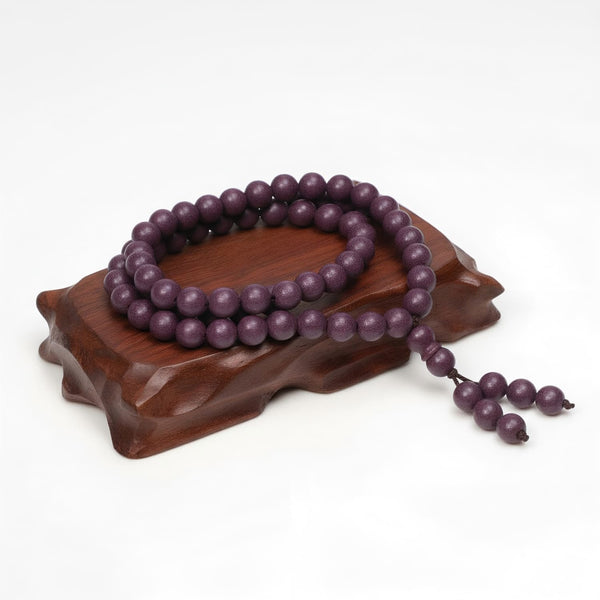
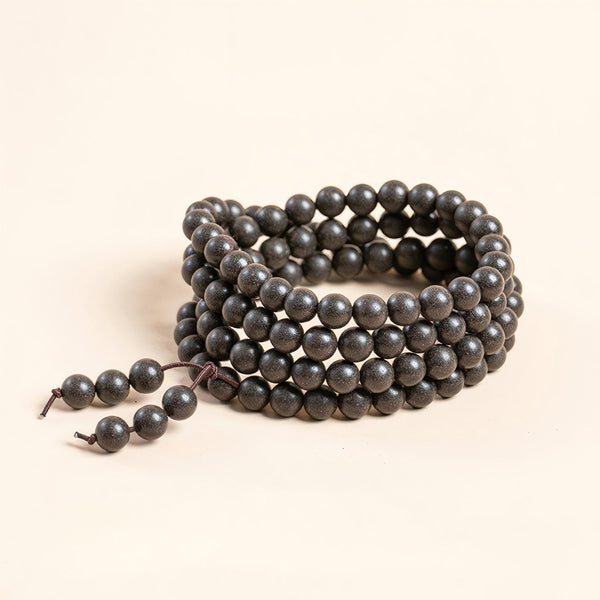
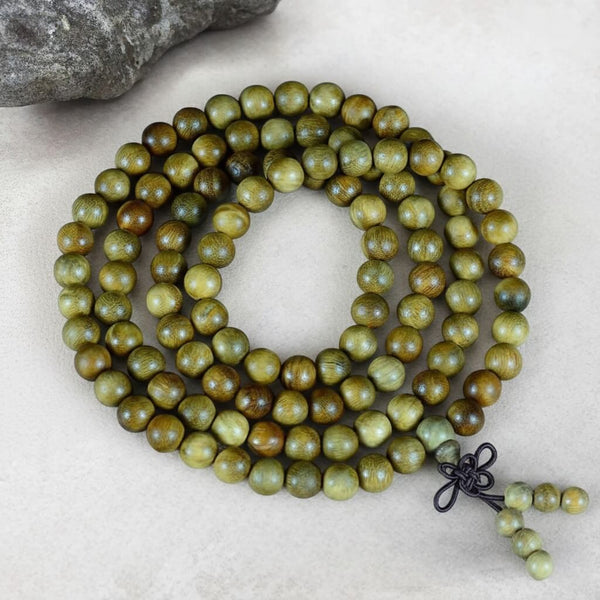
Roll one bead of your bracelet between your fingertips.
Let the herbal scent rise softly.
Exhale slowly - feel your shoulders relax.
You’re ready.
What Presentation Skills Really are?
Presentation skills are not about memorizing speeches or having a booming voice.
They are the abilities that help you:
- share your ideas clearly
- communicate with presence
- connect emotionally with your audience
- tell stories that resonate
- use visuals thoughtfully
- navigate nerves
- speak with authenticity rather than performance
They are human skills - rooted in clarity, breath, awareness, and intention.
The more grounded you feel, the more powerful your presence becomes.
Why Calm Presentation Skills Matter?
Presenting well can improve:
- career opportunities
- leadership presence
- workplace relationships
- influence and trust
- emotional confidence
- clarity of thought
- connection with others
But perhaps more importantly, it helps you reclaim something many women lose over time: your voice.
Learning to speak with calm assurance is not just about professional success—it’s about allowing yourself to be heard, seen, and valued.
How to Prepare for a Presentation (The Kenlina Way)
Traditional preparation focuses on:
- slides
- outlines
- practice
But nervous system preparation is just as important—and often overlooked.
Try this ritual before practicing or presenting:
- Sit comfortably.
- Hold your bracelet bead.
- Inhale softly for 4 seconds.
- Exhale for 6 seconds.
- Imagine a warm light gently settling over your chest.
- Whisper:
“My breath is my anchor.”
This centers your body before your words begin.
10 Calm, Grounded Steps to Improve Your Presentation Skills
Each step includes a Kenlina Reflection to help settle your mind and soften your energy.
1. Start With a Story (Invite Them Into Your World)
Stories calm the room before information does.
They create emotional openings where your voice can land softly.
A story can be:
- a personal moment
- a lesson
- a conversation
- a challenge you overcame
- a client or customer example
- a place or memory
Stories help the audience lean in, even before you explain your main point.
Kenlina Reflection:
Before you begin your presentation, pause.
Hold your bead.
Let your first sentence flow like an exhale.
2. Master the Art of the Pause
Silence can feel scary - but in presenting, it is powerful.
A pause:
- grounds your message
- gives your audience time to absorb
- helps you breathe
- builds confidence
- slows your pacing naturally
Pausing is a sign of calm mastery—not insecurity.
Kenlina Reflection:
Let silence be part of your rhythm.
Stillness is a form of presence.
3. Use Visuals for Clarity, Not Noise
Your slides should be support, not center stage.
Avoid:
- paragraphs
- clutter
- heavy text
- overwhelming charts
Use:
- white space
- clean design
- a single concept per slide
- images that evoke emotion or clarity
Your words are the message—your slides simply hold the container.
Kenlina Reflection:
As you design visuals, imagine creating space for your audience to breathe with you.
4. Ask Questions to Create Connection
Questions signal:
“I want this to be a conversation, not a performance.”
Try:
- “What comes to mind when you hear…?”
- “Have you ever experienced…?”
- “Take a moment and imagine…”
Questions deepen trust and re-engage attention.
Kenlina Reflection:
Speak as if you’re inviting someone to join you—not impress you.
5. Stay Calm Through Body Awareness
Public speaking anxiety is often a body sensation, not a mental weakness.
Try:
- slow breathing
- grounding your feet
- relaxing your jaw
- lifting your chest softly
- rolling a bracelet bead between your fingers before speaking
When your body feels safe, your mind follows.
Kenlina Reflection:
Breathe into your belly.
Let calm rise from within you - not outside of you.
6. Practice With Purpose (Not Perfection)
Effective practice includes:
- recording yourself
- checking pacing
- noticing posture
- rehearsing transitions
- practicing in front of one safe friend
- receiving gentle feedback
Practice is not about memorizing - it’s about becoming familiar.
Kenlina Reflection:
Progress over perfection.
Let each practice be a step toward softness, not pressure.
7. Create Slides That Support Your Message
This expands on tip #3 but focuses specifically on design structure:
- clear fonts
- high contrast
- minimal text
- bold key phrases
- intentional color palette
- meaningful visuals
Each slide should communicate one idea, not overwhelm.
Kenlina Reflection:
Design not to impress, but to clarify.
8. Embrace Your Authentic Style
You don’t need to speak like the loudest person in the room.
You don’t need to be a comedian, a TED speaker, or a charismatic extrovert.
Some of the most impactful speakers in the world speak softly.
Some speak slowly.
Some speak vulnerably.
Some speak warmly.
Some speak thoughtfully.
Your voice is not wrong—
it is simply yours.
Kenlina Reflection:
Breathe.
Let your true voice rise, unforced.
9. Anticipate Questions With Confidence
Think about:
- what your audience might ask
- areas needing clarity
- potential concerns or confusion
This gives you confidence and flow.
Answering questions calmly signals strong leadership and emotional steadiness.
Kenlina Reflection:
Trust that you already know more than enough.
10. End With a Clear, Gentle Call to Action
Your ending is what people remember most.
Try ending with:
- one key takeaway
- an invitation
- a question
- a next step
- a grounding statement
- a soft call to action
For example:
“Try one small shift this week.”
or
“Take one idea from today and let it grow.”
Kenlina Reflection:
Let your final words land like a warm exhale.
A Gentle Ritual Before Any Presentation
A Kenlina Signature Practice
Try this 60-second ritual:
- Stand still.
- Roll a bead of your bracelet between your fingers.
- Inhale deeply through your nose.
- Hold for a moment.
- Exhale slowly.
- Inhale the herbal scent.
- Whisper:
“I speak with calm. I speak with clarity. I speak with heart.”
This signals to your nervous system:
“You are safe to be seen.”
Frequently Asked Questions
Q1: What are examples of presentation skills?
A: Clear storytelling, emotional presence, visuals that support your message, steady pacing, grounding pauses, and authentic connection with the audience.
Q2: What are the 4 types of presentation skills?
A: Verbal clarity, non-verbal communication, thoughtful visuals, and audience engagement - all deepened through calm presence.
Q3: What are the 5 P’s of presentation skills?
A: Planning, Preparation, Practice, Presentation, and Post-Reflection—
but done gently, mindfully, and without perfectionism.
A Final Note from Kenlina
Your voice is not small.
Your presence is not accidental.
Your message matters—because you matter.
Improving your presentation skills is not about becoming someone else.
It’s about returning to yourself.
To your breath.
To your grounded center.
To the calm confidence already inside you.
Thank you for allowing us to walk beside you on this journey—
toward clarity, courage, and the quiet power of your authentic voice.
Breathe deeper. Find stillness. Carry peace.
FAQ
Q1. How can I improve presentation skills calmly?
A: Practice one small skill at a time: breathing before you begin, slowing your pace, and choosing one clear point for each section.
Q2. Does calm speaking mean never feeling nervous?
A: No. Calm speaking means giving your body simple cues so nervous energy does not take over the whole moment.
Q3. How can a tactile cue help before presenting?
A: Touching a bracelet bead can remind you to pause, breathe, and return to your first sentence.