







Intro

Some workplace moments stay with you long after the day ends.
The meeting where you had a brilliant idea but stayed silent because you weren’t sure it was “good enough.”
The email mistake you replayed in your head for hours, heart tightening every time the thought resurfaced.
The project opportunity you turned down—not because you didn’t want it, but because you didn’t feel ready.
The long nights wondering, “Why do I work so hard but still feel like I’m falling short?”
If this is you… breathe.
You are not alone.

Workplace confidence is something almost everyone struggles with—even the person who seems effortlessly self-assured. Even the colleague who always speaks up. Even the high-performer. Even the leader.
So many women, especially those who are sensitive, thoughtful, caring, or introspective, feel the quiet hum of self-doubt beneath the surface.
But here is the truth:
Confidence is not a personality trait.
It is a skill.
A practice.
A relationship with yourself that grows gently over time.
At Kenlina, we believe confidence is not built through pressure—it is built through presence.
Through breath.
Through calm grounding rituals.
Through choosing small acts of courage with a soft heart.
Before we begin, take a slow breath in…
Let your shoulders melt…
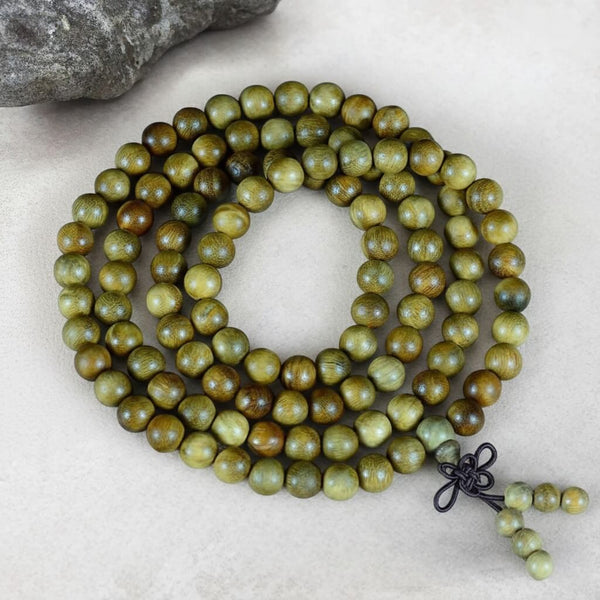
Roll one bead of your bracelet between your fingertips…
Feel the herbal scent rise softly in the air…
Confidence begins here - in the body, not the mind.
8 gentle ways to build confidence at work
Recognize Imposter Syndrome - Then Soften Its Voice
Imposter syndrome affects up to 82% of people, especially high-achieving women who set impossibly high standards for themselves.
It sneaks in as:
- “I don’t deserve this job.”
- “Everyone else knows more than I do.”
- “I’ll be exposed as a fraud.”
- “I only succeeded by luck.”
Even when your boss praises you.
Even when you get awards.
Even when you meet every deadline.
Imposter syndrome isn’t a reflection of your capability—it is a reflection of your inner critic, shaped by past experiences, pressure, and fear.
To soften it:
Keep a “proof of competence” file
Write down compliments, wins, achievements, and moments when someone thanked you or valued you.
Revisit it when self-doubt whispers.
Talk back to the inner critic with grounded truth
“I have earned my place.”
“I bring value in so many ways.”
“I am capable—even when I feel nervous.”
Remember: your feelings are not facts
Your nervous system reacts to old fears—not your current reality.
Kenlina Reflection:
Breathe slowly… roll a bead between your fingers… whisper:
“I am becoming who I already am.”
Keep a Ta-Da List (A Gentle Celebration of Your Effort)
To-do lists grow endlessly.
But confidence grows through acknowledged progress, not endless tasks.
A Ta-Da List is your daily or weekly list of:
- tasks completed
- small wins
- moments of courage
- steps you took even while afraid
- things you handled well
When you’re overwhelmed, it helps you see:
“I did more than I realized.”
“I’m doing better than I think.”
This list becomes a quiet archive of your growing strength.
Kenlina Reflection:
Each time you write a “ta-da,” take one slow breath.
Let your body register the win—not just your mind.
Celebrate Your Wins - Especially the Small Ones
According to Harvard research, small wins boost motivation, confidence, and emotional resilience.
We often rush from task to task without pausing to acknowledge ourselves.
Try:
- pausing for 5–10 seconds after completing something
- letting accomplishment sink into your body
- writing daily “confidence moments”
- reflecting on what went well
Even small wins deserve recognition -
they’re the stepping stones of inner confidence.
Kenlina Reflection:
Feel your breath expand gently as you say:
“I honor my progress.”
Speak Up in Meetings (Even If It’s Just a Sentence)
Confidence grows through use, not theory.
Try speaking up once per meeting:
- Ask a question
- Affirm someone else’s idea
- Add a small thought
- Share a short insight
It doesn’t need to be groundbreaking.
It doesn’t need to be perfect.
Every time you speak, you send your nervous system a new message:
“I can handle this.”
Over time, the butterflies soften.
Kenlina Reflection:
Before you speak, inhale for 4, exhale for 6.
Let calm—not pressure—lead your words.
Play to Your Strengths (Instead of Fixating on Your Weaknesses)
Many women spend their entire careers trying to “fix” themselves.
But confidence grows when you amplify your strengths—not obsess over the parts you think are lacking.
Identify what comes naturally to you:
- empathy
- leadership
- creativity
- clarity
- organization
- problem-solving
- communication
- strategy
- design
- analysis
When you operate from your strengths, you:
1. shine effortlessly
2. produce better work
3. feel more aligned
4. gain recognition naturally
Strengths are energy-givers. Weaknesses are energy-drainers.
Kenlina Reflection:
Place your hand on your heart and say:
“My strengths are enough.”
Be Direct - Without Apologizing for Existing
People-pleasing is one of the fastest ways to drain confidence.
It shows up as:
- adding “Sorry…” to every email
- asking for things indirectly
- softening your voice
- explaining yourself too much
Try removing:
- “Just checking…”
- “Sorry to bother…”
- “This might be a silly question…”
Instead, try:
- “Can you please…”
- “Here is what I need…”
- “Thanks for your help with this.”
Direct communication = grounded confidence.
Your needs are valid.
Your voice is allowed.
Your presence does not require apology.
Kenlina Reflection:
Say softly: “I can be soft and still speak with clarity.”
Know When to Say No (Confidence Requires Boundaries)
If you never say no, you will always feel like you’re “falling behind.”
Not because you’re incapable—
but because your workload is unrealistic.
Boundaries are not resistance.
They are self-respect.
Try:
- telling colleagues you're at capacity
- asking your manager which task to prioritize
- declining politely but clearly
- choosing projects based on alignment, not guilt
Boundaries protect your energy, your time, and your emotional wellbeing.
Kenlina Reflection:
Roll a bead between your fingers.
Breathe deeply.
“My time and energy are worthy of protection.”
Use Positive Affirmations for Confidence at Work
Affirmations gently rewire your inner narrative.
Before a meeting, try:
- “I am capable and grounded.”
- “My ideas matter.”
- “I can speak clearly and calmly.”
- “I am skilled and trusted in my role.”
During stressful tasks:
- “I handle challenges with grace.”
- “I can find my way through this.”
At the end of the day:
- “I am proud of what I did today.”
Affirmations are not empty phrases—they are nervous-system messages that help you shift from fear to self-belief.
Kenlina Reflection:
As you whisper your affirmation, inhale the herbal scent of your bracelet.
Let your body absorb the truth.
Confidence is a Skill - A Soft, Trainable One
Confidence at work is not a fixed trait.
It grows when you:
✨ celebrate your wins
✨ show up imperfectly
✨ speak gently to yourself
✨ honor your strengths
✨ set boundaries
✨ breathe before reacting
✨ choose compassion over criticism
✨ ground your nervous system daily
With practice, self-kindness, and presence, you can build a calm, deep, sustainable confidence.
And remember:
You don’t need to be loud to be powerful.
You don’t need to be perfect to be respected.
You don’t need to have all the answers to be valuable.
Your calm is your strength.
Your groundedness is your presence.
Your voice is needed—exactly as it is.
Frequently Asked Questions
Q1: What are the best books for confidence at work?
A: Lean In, The Confidence Code, Daring Greatly, and The Confidence Solution - each focuses on building grounded, compassionate self-belief.
Q2: What affirmations help with workplace confidence?
A: “I am capable.”
“My ideas are valuable.”
“I belong here.”
“I can speak calmly and clearly.”
Q3: Does hypnosis help with confidence?
A: Yes, hypnotherapy can calm the nervous system and reduce subconscious self-doubt.
(Always seek a qualified practitioner.)
Q4: How can I increase confidence at work?
A: Start small.
Celebrate wins.
Use breathwork.
Practice speaking.
Set boundaries.
Seek feedback.
Support your nervous system with grounding rituals.
A Closing Note from Kenlina
Confidence is not about becoming someone else.
It’s about returning home to yourself—
your breath, your body, your truth.
Thank you for allowing us to walk beside you
as you learn to trust your voice and your place in the world.
Breathe deeper. Find stillness. Carry peace.
FAQ
Q1. How can I build confidence at work gently?
A: Start with one small repeatable action, such as preparing one sentence before a meeting or taking one slow breath before speaking.
Q2. Can a ritual help workplace confidence?
A: A ritual can give the body a familiar cue to pause, steady attention, and choose the next action with more intention.
Q3. What if confidence still feels difficult?
A: Keep the step small and consistent. Confidence often grows through repeated evidence, not one perfect moment.