


Intro

There’s a specific kind of anxiety that comes with job interviews.
Not quite fear.
Not quite excitement.
Something in between a buzzing in the chest, a quiet dread in the stomach, a tension that follows you through your day.
Maybe you’ve had an interview on your calendar for weeks, and your mind has been rehearsing every possible outcome - the good, the bad, and the catastrophic.
Maybe you’ve avoided applying for jobs because you fear the interview more than you fear staying where you are.
Maybe you’ve walked into interviews feeling shaky, breathless, or disconnected from your own voice.

If this is you, breathe.
You are not alone.
Interview confidence isn’t about being perfect.
It isn’t about having scripted answers.
It isn’t about forcefully projecting “I’ve got this.”
Interview confidence is about grounding your body, softening your mind, and allowing your true capability, not your fear to lead the conversation.
At Kenlina, we believe confidence is a nervous system state, not a performance act.
When your breath steadies, your voice steadies.
When your body feels anchored, your mind feels clear.
When your inner critic softens, your presence expands.
In this guide, we’ll walk through gentle, grounded, empowering ways to show up confidently in your next interview - even if interviews have terrified you in the past.
Before we begin, place your hand over your heart…
Inhale gently through your nose…
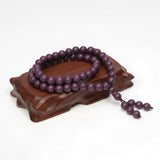
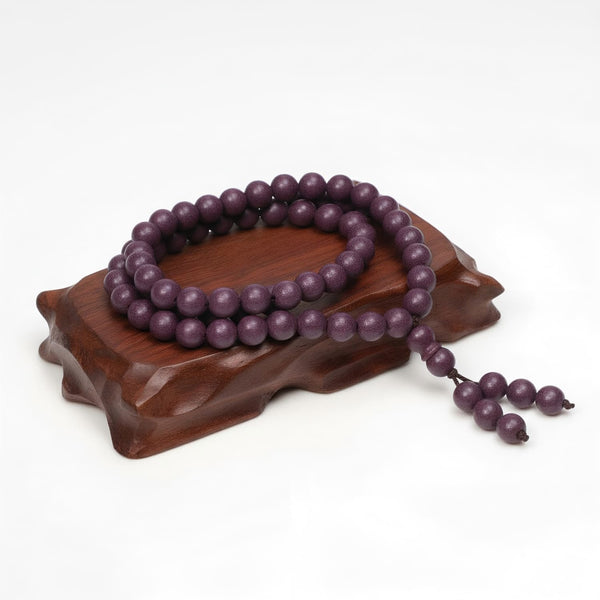
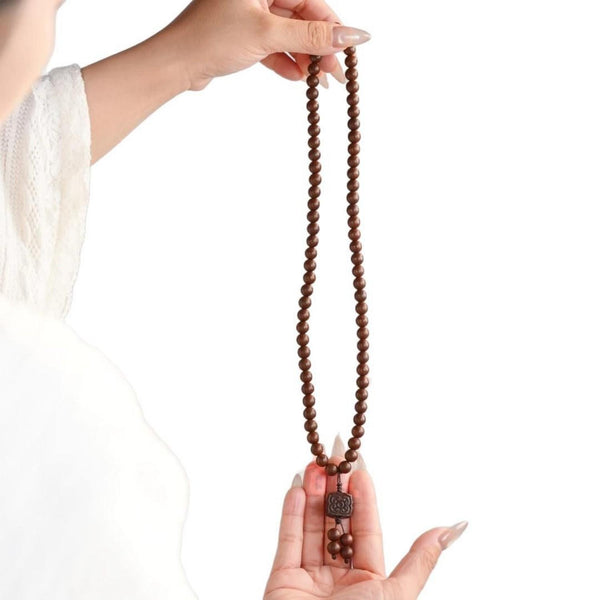
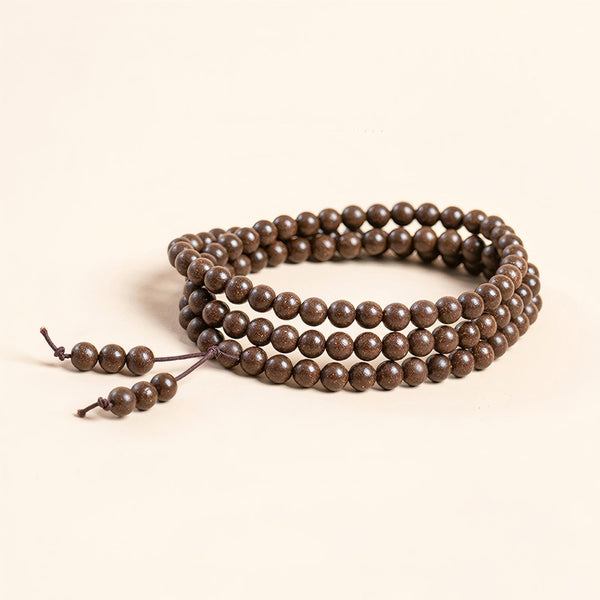
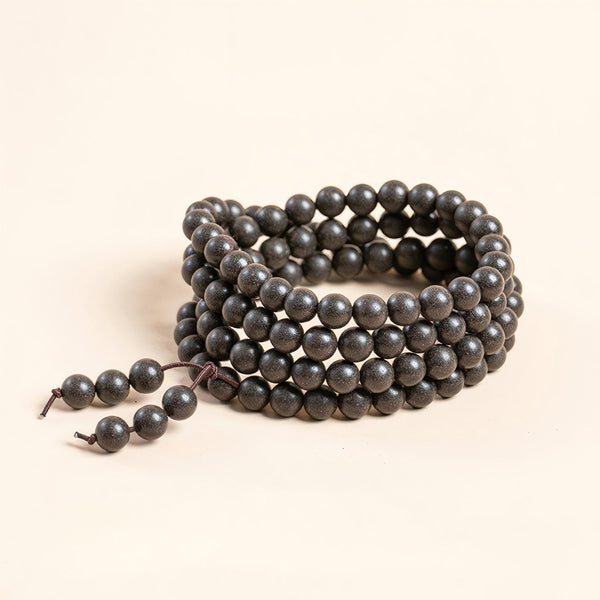
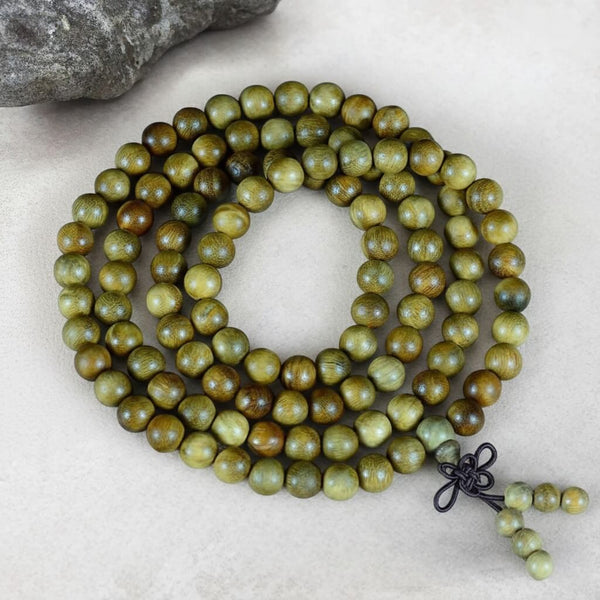
Roll a bead of your bracelet between your fingertips…
Let the herbal scent open a feeling of quiet safety…
You’re here.
You’re capable.
And confidence can grow gently inside you.
Why Interview Confidence Feels So Hard?
Interviews activate some of the deepest human fears:
- being judged
- being rejected
- being “seen” too closely
- not feeling good enough
- uncertainty
- performance pressure
- fear of making mistakes
For many women (and sensitive, thoughtful people of all genders), interviews touch old emotional patterns:
- perfectionism
- people-pleasing
- fear of disappointing others
- fear of conflict
- childhood conditioning around achievement
So if your heart thumps loudly before you enter the room or days beforehand, it is not because something is wrong with you.
It is because your nervous system believes something important is at stake.
And because emotional wellbeing matters deeply to us, we proudly support the Anxiety and Depression Association of America (ADAA), championing accessible education around anxiety—including the kind that appears during interviews.
Your fear is human.
Your anxiety is understandable.
Your confidence is recoverable.
Let’s explore how.
Prepare in a Calm, Grounded Way
Preparation builds confidence, but how you prepare matters even more.
Most people prepare from fear:
- obsessively rehearsing
- overthinking every question
- memorizing long, rigid scripts
- catastrophizing everything that could go wrong
But grounded preparation feels different.
It feels like presence, not panic.
Here’s how:
Research the company with curiosity
Learn their values.
Their culture.
Their mission.
Their recent projects.
Not to impress, but to connect.
Know your résumé like a soft story
Instead of memorizing facts,
remember stories:
challenge → action → outcome.
Stories calm your mind and make your answers more alive.
Prepare for behavioral questions
Use the STAR method—
but deliver it with warmth, not robotic precision.
Practice kindly
Record yourself.
Practice with a friend.
But stop if it becomes anxiety-fueled obsessing.
The point is to feel familiar, not flawless.
Kenlina Reflection:
Before practice, inhale slowly…
Feel your feet on the ground…
Whisper: “I prepare with calm, not fear.”
Use Gentle Positive Self-Talk + Visualization
Your inner dialogue will shape your interview far more than your résumé.
Replace thoughts like:
“I’m not good enough.”
“What if I fail?”
“They’ll see right through me.”
With gentle, grounded affirmations:
“I am capable and prepared.”
“I belong in this room.”
“My value is not determined by one conversation.”
Pair this with soft visualization:
- picture yourself sitting confidently
- imagine your breath slow and steady
- see the conversation unfolding calmly
- visualize yourself smiling, connecting, thinking clearly
- imagine the interviewer responding with warmth
Visualization works because your nervous system responds to imagined safety almost as deeply as real safety.
Kenlina Reflection:
Close your eyes, inhale deeply.
See yourself speaking clearly and peacefully.
Feel the room softening around you.
Let Body Language Steady Your Mind
Your body speaks before your voice does.
Grounded body language signals:
“I feel calm.
I feel capable.
I trust myself.”
Try:
- making gentle eye contact
- letting your shoulders soften down
- sitting tall but not rigid
- placing both feet on the ground
- letting your hands rest or move naturally
- smiling softly
- using your bracelet bead as a grounding anchor before you enter the room
Confidence isn’t stiffness - it’s relaxed presence.
Kenlina Reflection:
Place both feet on the ground.
Feel the earth supporting you.
Let your posture be soft, spacious, steady.
Use Breathwork to Regulate Anxiety
Breath is your most accessible confidence tool.
Try before your interview:
4 - 6 breathing
Inhale for 4
Exhale for 6
(repeat 5–7 times)
Box breathing
Inhale 4 → Hold 4 → Exhale 4 → Hold 4
Hand-over-heart breathing
Place your hand on your heart.
Breathe into your palm.
Let warmth spread.
Herbal-scent grounding
Lift your bracelet to your nose, inhale softly.
Let the scent signal to your body:
“You are safe.”
This reduces cortisol, softens panic, and opens your mind.
Kenlina Reflection: Your breath is not just air, it is a doorway back to yourself.
Prepare Key Points (Your Inner Compass)
Interviews move fast.
It’s easy to ramble or freeze.
Choose 3 key points you want the interviewer to remember:
- a skill
- a story
- a personality trait
- a strength
- a value you live by
Then gently weave those into your responses.
This gives your confidence direction.
Kenlina Reflection: Touch one bead. Say quietly: “I know what I bring.”
Speak Slowly, Clearly, and With Spaciousness
Anxiety speeds you up.
Confidence slows you down.
Try:
- pausing before answering
- breathing mid-sentence
- embracing silence
- letting your words land gently
- not rushing to fill space
Speaking slowly conveys confidence even when your heart feels fast.
Kenlina Reflection: Let silence be your ally, not your fear.
Handle Difficult Questions With Ease and Grace
You don’t need perfect answers, you need present ones.
If you don’t know an answer:
Say calmly:
“That’s a great question - may I take a moment to think?” or
“I’m not familiar with that, but I’d love to learn.”
If asked about weaknesses:
Choose one you’ve worked on and explain how you’re improving.
Confidence isn’t the absence of gaps - it’s honesty paired with growth.
Kenlina Reflection: You do not need to know everything to be worthy of this opportunity.
Release the Pressure to Be “Impressive”
Interviews are a two-way evaluation—not a performance.
You are not there to be perfect.
You are there to explore compatibility.
Ask yourself:
- Do I feel safe here?
- Do I feel energized or drained?
- Do I feel respected?
- Do I see myself growing in this environment?
Confidence comes from remembering:
You are choosing them, too.
You are interviewing the company as much as they are interviewing you.
This rebalances the power dynamic gently.
Kenlina Reflection: Whisper softly: “I bring value. I am not here to impress, but to connect.”
Overcoming Common Interview Challenges
Nervousness
Acknowledge it with kindness.
It means you care.
Let the energy fuel your clarity—not your panic.
Tough questions
Pause.
Breathe.
Respond slowly.
Thoughtfulness is confidence.
Rejection
Rejection does not define your future - it redirects you toward what is aligned.
You can ask for feedback.
Reflect, not ruminate.
Kenlina Reflection: Your worth is not decided by a single conversation.
Job Interview Confidence Q&A
Q1: How do I stop feeling nervous before an interview?
A: Breathe deeply.
Prepare gently.
Practice with calm.
Use grounding tools like touch and scent.
Your nervousness will soften.
Q2: What if I don’t know the answer?
A: It’s okay.
Say honestly you’re open to learning.
Curiosity is confidence.
Q3: How can I make a good first impression?
A: Soft eye contact.
A warm smile.
A grounded introduction.
A slow breath.
Q4: How do I cope with rejection?
A: Feel the emotion.
Seek constructive feedback.
Hold compassion for yourself.
Your path is not defined by one “no.”
A Closing Note from Kenlina
Confidence is not about being the loudest.
Or the smartest.
Or the most polished.
Confidence is about being grounded in yourself -
your breath,
your strengths,
your intention,
your truth.
As you prepare for your interview, remember:
1. You have already lived the experience you’re speaking about.
2. You have already earned your place in the room.
3. You are allowed to show up softly and still be powerful.
4. You can trust yourself more than you think.
Hold your bracelet.
Breathe slowly.
Feel your nervous system settle.
You are capable.
You are becoming.
You belong.
Breathe deeper. Find stillness. Carry peace.
FAQ
Q1. How can I feel more confident before an interview?
A: Prepare one clear example, take one slow breath, and use a familiar cue to remind your body that you can answer one question at a time.
Q2. What is a calm interview ritual?
A: It is a short routine before the interview, such as touching a bracelet, exhaling slowly, and reading one grounding sentence.
Q3. Does confidence mean never feeling nervous?
A: No. Confidence can include nerves. The goal is to stay present enough to speak with care and clarity.