






Intro

There is a specific ache that comes with anxious attachment -
a tightness in your chest
a drop in your stomach
a fear that rises before reason
a longing so intense it becomes overwhelming.
Maybe you’ve felt it:
When your partner doesn’t text back quickly enough.
When their tone feels different.
When plans change suddenly.
When you sense even the slightest distance.
Your mind spirals.
Your breath shallows.
Your nervous system goes into alert mode.
And your heart whispers the same terrified question:
“Are they leaving me?”
If this is you, breathe.
You are not dramatic.
You are not “needy.”
You are not broken.
You are someone whose nervous system learned early in life that love = unpredictability.
And now it scans for danger even when you are safe.

At Kenlina, we believe anxious attachment is not a flaw -
it is a wound asking for gentleness.
It is an old survival strategy your body still carries.
And with calm, grounding, and compassionate self-soothing,
you can feel safer in your body, in your relationships, and within yourself.
Before we begin, place your hand on your heart.
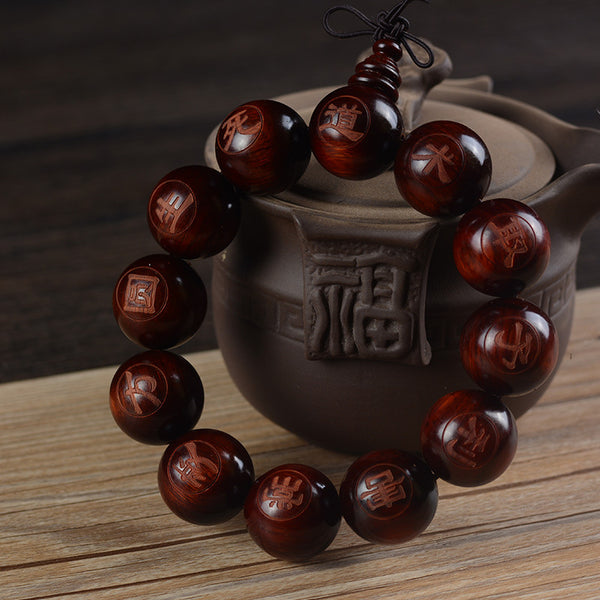
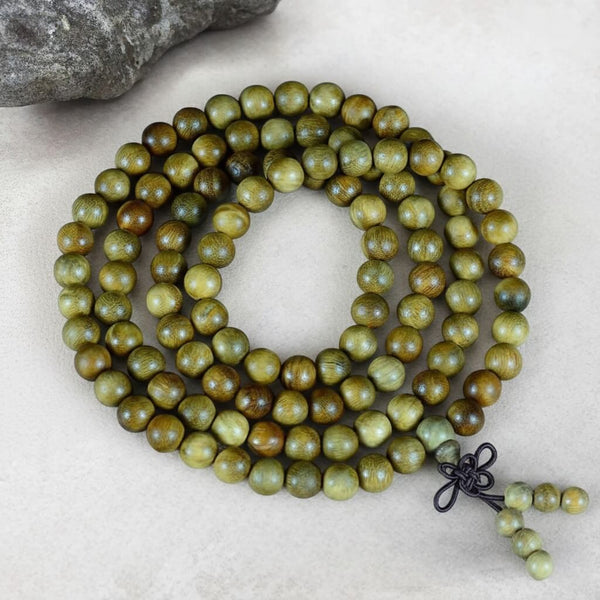
Roll one bead of your bracelet between your fingers.
Let the herbal scent rise softly.
Take one slow, deep inhale…
You are here.
You are safe.
You can learn to self-soothe.
Let’s explore how.
What Anxious Attachment Feels Like?
Anxious attachment isn’t just a pattern of thoughts - it’s a full-bodied emotional reaction.
You may feel:
- a knot in your stomach
- a tight or heavy chest
- racing thoughts
- a sense of urgency or panic
- fear of abandonment
- an overwhelming need for reassurance
- fear of being too much or not enough
- emotional whiplash between closeness and fear
- checking behaviors (texts, social media, phone)
These reactions are not signs of weakness.
They are signs that your nervous system learned long ago:
“If I don’t stay alert, I might lose love.”
Understanding this helps shift the narrative from:
“Something is wrong with me”
to
“My nervous system is trying to protect me.”
And that shift opens the door to healing.
Understanding Attachment Theory
Attachment theory explains how our earliest experiences with caregivers shape our adult relationships.
There are four primary styles:
Secure Attachment
Comfortable with intimacy and independence.
Trusting. Emotionally steady. Communicative.
Anxious Attachment
Fears abandonment.
Highly sensitive to shifts in behavior.
Seeks closeness + reassurance.
Avoidant Attachment
Values independence.
Struggles with emotional closeness.
Withdraws when overwhelmed.
Fearful-Avoidant / Disorganized Attachment
Desire for closeness + fear of closeness.
Unpredictable emotional reactions.
Often rooted in childhood trauma.
If you resonate with anxious attachment, you are not alone.
And you are not stuck.
Attachment styles are not fixed identities - they are relational patterns that can shift with awareness, safety, and practice.
Signs You May Have Anxious Attachment
Here are common signs:
1. Constant need for reassurance
“Do you still love me?”
“Are you angry with me?”
“I feel like something is wrong.”
2. Fear of abandonment
Even tiny changes feel like emotional threats.
3. Hyper-awareness of emotional shifts
Late replies = panic
Short responses = fear
Partner being quiet = “What did I do wrong?”
4. Clinginess + seeking constant closeness
Not because you want to smother someone—
but because space feels dangerous.
5. Difficulty fully trusting others
Checking phones, messages, behaviors, routines.
These patterns come from fear, not neediness.
They are trauma responses, not personality flaws.
Anxious Attachment Triggers
Common triggers include:
- delayed communication
- lack of clarity
- emotional distance
- changes in plans
- inconsistent behavior
- silence
- being dismissed
- unresolved conflict
- instability
- perceived coldness
Awareness is step one.
You can write down:
- What triggered me?
- What emotion did I feel?
- What story did my mind create?
- What does my body feel right now?
- What healthier response would I like to practice next time?
Awareness + self-soothing = regulation
Regulation = more secure relating
What Secure Attachment Looks Like (Your North Star)
Secure attachment feels like:
- “I can be close and still be myself.”
- “If conflict happens, we will work through it.”
- “Space is not abandonment.”
- “I trust myself and my partner.”
- “I don’t crumble if reassurance isn’t instant.”
Moving from anxious → secure doesn’t mean never feeling anxious again.
It means:
you know how to soothe yourself,
your reactions feel softer,
your self-worth isn’t tied to someone else’s tone, text, or timing.
Self-Soothe Anxious Attachment: 5 Gentle, Grounded Techniques
Self-soothing is not suppression.
It’s helping your nervous system return to safety
so you can respond from clarity—not fear.
Let’s explore five deep, nourishing practices.
1. Mindfulness + Breathwork (Calm the Nervous System)
When you’re triggered, your body enters fight-or-flight.
Your breath becomes shallow, heart rate increases, thoughts scatter.
Breath is your reset button.
Try:
4 to 6 breath
Inhale for 4
Exhale for 6
Hand-on-heart breath
Place your hand at your heart.
Feel warmth.
Breathe into your palm.
Scent grounding
Lift your bracelet, inhale the herbal aroma.
Let the scent signal “I’m safe.”
Kenlina Reflection: “My breath brings me back to myself.”
2. Positive Self-Talk (Rewrite the Fear Story)
Your anxious attachment tells stories like:
- “They’re pulling away.”
- “I’m not enough.”
- “Something must be wrong.”
- “I’m going to be abandoned.”
Counter with grounding truths:
- “I am worthy of love that stays.”
- “I can handle this moment.”
- “My worth is not defined by someone’s reply time.”
- “I am safe to pause before reacting.”
Write affirmations that feel calming - not forced.
Kenlina Reflection: “My worth is steady even when my anxiety rises.”
3. Journaling (Give Shape to the Storm)
When you’re triggered, the mind spirals.
Writing helps:
- slow down thoughts
- separate fear from reality
- identify patterns
- release emotional pressure
- choose healthier responses
Try prompts:
- “What am I afraid will happen?”
- “What is the evidence?”
- “What does my inner child need right now?”
- “What is a kinder thought I can choose?”
Kenlina Reflection: “What I write becomes lighter.”
4. Boundaries (Safety Through Structure)
Anxiously attached people struggle with:
- over-giving
- over-texting
- over-checking
- losing themselves in relationships
Boundaries help you feel safe without clinging.
Examples:
- “I need clarity in communication.”
- “I can’t be available instantly at all times.”
- “I need reassurance occasionally, not constantly.”
- “I need time to regulate before continuing this conversation.”
Boundaries aren’t walls.
They’re pathways to emotional safety.
Kenlina Reflection: “My boundaries protect my peace, not my fear.”
5. Seek Support (You Do Not Have to Carry This Alone)
Healing anxious attachment is deep emotional work.
Support helps you:
- understand childhood roots
- rewire old patterns
- develop secure communication
- build emotional resilience
- work through triggers more safely
Support may look like:
- therapy
- trauma-informed coaching
- secure friends
- support communities
- grounding rituals
- journaling groups
- anxiety education (ADAA resources)
Kenlina Reflection: “Support strengthens me.”
Healing Anxious Attachment (Slow, Gentle, Transformational)
Healing does not require perfection.
It requires:
Awareness
Self-regulation
Self-worth
Communication
Support
As you heal:
- your anxiety softens
- your overthinking slows
- your reactions become responses
- your self-esteem strengthens
- your relationships become safer
You begin to trust your own inner stability
instead of seeking reassurance from others to feel whole.
This is emotional freedom.
Moving from Anxious to Secure (A Gentle Roadmap)
Here’s the pathway, softened:
- Notice your triggers
- Soothe your nervous system
- Question fear-based stories
- Strengthen self-esteem
- Practice secure communication
- Ask for reassurance in healthy ways
- Seek therapy for deeper roots
- Repeat gently, compassionately
Healing anxious attachment is not a linear journey.
It is a blooming.
Frequently Asked Questions
Q1: What is disorganized attachment?
A: A mix of anxious and avoidant responses.
Often rooted in inconsistent or frightening caregiving.
Healing involves trauma-informed support + emotional safety.
Q2: What is dismissive avoidant attachment?
A: A style where independence feels safer than intimacy.
Often avoids vulnerability or deep emotional closeness.
Q3: What is anxious-preoccupied attachment?
A: Anxious attachment with strong fear of not being valued, needing frequent reassurance, and clinging when frightened.
Q4: What is an anxious + avoidant relationship?
A: A push-pull dynamic where one seeks closeness, the other withdraws—creating emotional instability for both partners.
Q5: How do I stop anxious attachment?
A: Self-soothing.
Therapy.
Boundaries.
Emotional regulation.
Self-worth building.
Gentle repetition.
Q6: How do I develop secure attachment?
A: Practice communication.
Build trust slowly.
Heal past wounds.
Regulate emotions.
Choose healthy relationships.
A Closing Note from Kenlina
If you live with anxious attachment, you are not too much.
You are not unlovable.
You are not doomed to repeat old patterns.
You are someone who learned to fear loss -
because you cared deeply.
And your deep capacity to love
is not a flaw - it is something sacred.
With breath, awareness, grounding, and compassion,
you can soothe old fears
and create new patterns of love.
You are worthy of secure connection.
You are worthy of feeling chosen.
You are worthy of being loved without fear.
Take one last slow breath…
Feel your heart soften…
Breathe deeper. Find stillness. Carry peace.
FAQ
Q1. What is self-soothing for anxious attachment?
A: It is a small practice that helps your body feel steadier before you seek reassurance or react quickly.
Q2. What is a simple self-soothing ritual?
A: Place attention on breath, touch one grounding cue, and name one present fact before choosing the next action.
Q3. Does anxious attachment mean something is wrong with me?
A: No. It is a pattern that can be met with care, awareness, communication, and support.