



Intro

There is a specific kind of discomfort that comes from caring too much about what people think.
It’s subtle, but heavy.
Like a soft constriction in the chest…
a tightening in the mind…
a quiet pressure that makes your breath shallow.
Maybe it shows up when:
You have a great idea in a meeting -
but keep quiet because you fear judgment.
You want to post something you’re proud of -
but your finger freezes over the button.
You’re with a group of people -
but your body feels tense, and you hide the real you.
Maybe you’ve been living like this for years -
shrinking, pleasing, overthinking, performing.
If any of this feels familiar, breathe.
You're not alone.
And more importantly - you’re not broken.
Caring what people think is deeply human.
We are wired for belonging.
But when that caring becomes over-caring,
when it starts shaping your choices, muting your voice, and shrinking your life -
it’s time to come home to yourself again.

At Kenlina, we believe that confidence doesn't come from being fearless -
it comes from feeling grounded, safe, and connected to your inner truth.
It comes from soothing your nervous system so your worth doesn’t sway with others’ moods.
It comes from a slow return to your own center.
Before we dive in, place your hand on your heart.
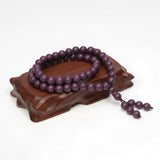
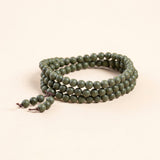
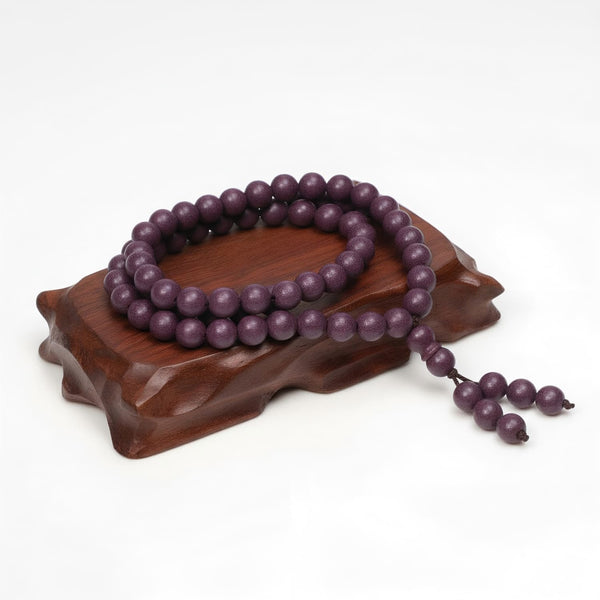
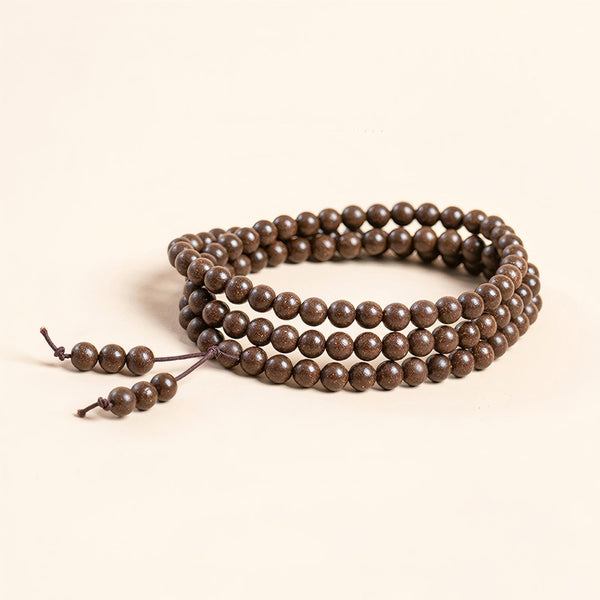
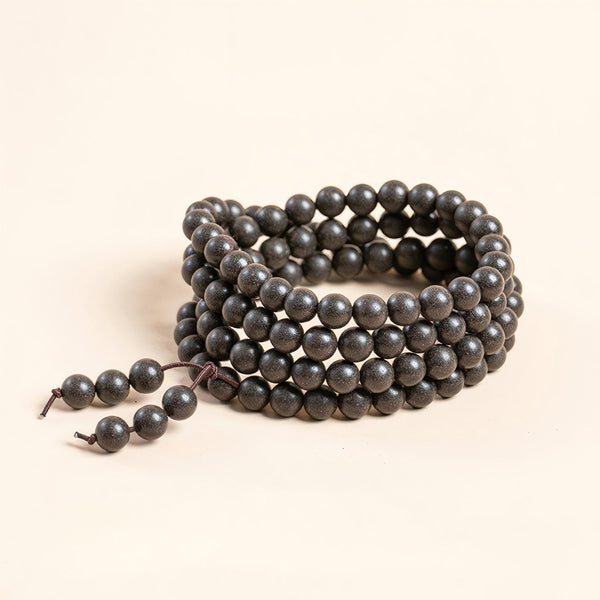
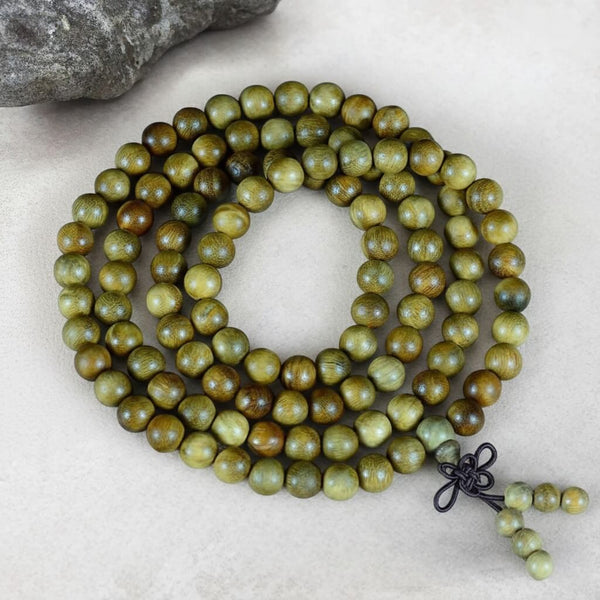
Roll one bead of your bracelet between your fingers.
Let the herbal scent rise softly.
Take a slow breath…
You are here.
You are enough.
You can learn to live with less fear and more freedom.
Let’s begin.
Why You Care What People Think?
Caring about others’ opinions is not a flaw - it’s biology.
For thousands of years, our survival depended on belonging to a tribe.
Rejection meant danger.
Disapproval meant risk.
Fitting in meant safety.
Even today, your nervous system reacts to social threats the way it reacts to physical ones.
So if you:
- feel anxious when you think someone is judging you
- overthink every text, comment, or conversation
- replay interactions for hours
- crave reassurance
- fear embarrassment
…you are responding exactly the way your ancient biology trained you to.
But here’s what matters now:
You no longer need external approval to survive.
Your worth and your safety live inside you, not outside.
The Spotlight Effect: People Think About You Less Than You Think
One of the most liberating psychological truths is this:
Most people are too busy thinking about themselves to judge you.
We dramatically overestimate:
- how much people notice us
- how harshly they evaluate us
- how long they think about us
This is called the spotlight effect.
It makes you feel like you’re standing under a bright light—
watched, judged, evaluated…
But in reality, everyone else is under their own spotlight.
They are worried about their hair, their words, their mistakes,
not yours.
Knowing this—even softly—loosens the grip of self-consciousness.
Kenlina Reflection:
Whisper to yourself:
“I am not being watched—I am being human.”
Why You Care So Much (Your Personal Roots)?
Your fear of judgment didn't appear randomly.
It may come from:
- critical caregivers
- perfectionistic environments
- social rejection
- bullying
- comparison culture
- cultural expectations
- being taught to “be good” / “be polite” / “don’t disappoint people”
- growing up praised for achievement, not authenticity
- a sensitive nervous system
- low self-esteem
- trauma
Your sensitivity to others’ opinions is not your fault—
it’s a wound that needs gentleness, not harshness.
And if this worry impacts your mental health in a significant way,
it’s okay to seek support.
We support the mission of the Anxiety and Depression Association of America (ADAA),
because emotional wellbeing deserves compassionate care.
How to Stop Caring What People Think?
5 Gentle, Grounded Strategies**
This is not a guide to becoming indifferent.
It is a guide to becoming anchored.
Let’s walk through five soothing, empowering ways to care less about other people’s opinions—
and more about your own truth.
1. Know Your Values (Your Inner Compass)
When you don’t know what matters to you,
you make choices based on what matters to others.
Values anchor you.
They shift you from:
“Will people approve?”
to:
“Does this align with who I am?”
To discover your values, try asking:
- When did I feel most alive?
- What moments made me proud?
- Who do I admire—and why?
- What behaviors in others inspire me?
- What deeply bothers me—and what does that say about my values?
Values bring clarity.
Clarity brings confidence.
Confidence reduces overthinking.
Kenlina Reflection:
Hold your bracelet bead.
Breathe in deeply.
Say:
“I choose what aligns with my truth.”
2. Set Boundaries (Protect Your Safety, Not Your Image)
When you lack boundaries,
other people’s opinions hit you harder.
But when you create emotional boundaries,
your nervous system feels safer—
and judgment loses power.
Boundaries may look like:
- “Please don’t comment on my body.”
- “I’m not looking for advice, just someone to listen.”
- “I’m not available to discuss this right now.”
- Spending less time with judgmental people.
- Ending conversations that make you shrink.
Setting boundaries isn’t rude, it’s self-respect.
Kenlina Reflection: “My boundaries protect my peace, not my image.”
3. Practice Self-Compassion (Self-Judgment Fuels Fear of Judgment)
The harsher you are with yourself,
the more you fear others will be harsh with you too.
But when you treat yourself with gentleness,
others’ opinions lose their sting.
Try speaking to yourself the way you’d speak to someone you love:
- “It’s okay to make mistakes.”
- “It’s safe to be imperfect.”
- “I am learning, growing, becoming.”
- “I do not need to earn my worth.”
Self-compassion doesn’t make you complacent.
It makes you resilient.
Kenlina Reflection:
Place your hand on your heart.
Whisper:
“I am worthy of kindness—from myself first.”
4. Challenge Your Assumptions (You’re Not a Mind Reader)
Most of the time, your fear of judgment isn’t coming from others—
it’s coming from your assumption of others’ thoughts.
This is called mind reading.
We assume:
- “They think I’m annoying.”
- “They must think I look stupid.”
- “They probably think I’m not good enough.”
Reality check:
You are guessing.
And your guess is biased toward fear, not truth.
Try adopting gentle, generous assumptions:
- “They might be distracted, not upset.”
- “They could be admiring me, not judging me.”
- “They said no because they're busy, not because they dislike me.”
- “Maybe they’re inspired by me.”
It may feel strange at first—
but it is profoundly liberating.
Kenlina Reflection: “My assumptions are not facts. I choose generous interpretations.”
5. Curate Your Social Media (Protect Your Mental Space)
Social media amplifies comparison,
which amplifies fear of judgment.
Try:
- unfollowing or muting accounts that trigger insecurity
- following accounts that nourish your mind
- reducing daily screen time
- posting what feels true, not what feels “acceptable”
- engaging meaningfully rather than scrolling passively
Curating your digital space is curating your emotional space.
Kenlina Reflection: “I choose what I allow into my mind.”
The Deep Truth:
When You Stop Caring What Others Think, You Become More You**
You don’t need the world’s approval to be yourself.
You need your own permission.
When you:
- live by your values
- honor your boundaries
- treat yourself gently
- challenge your assumptions
- curate your emotional environment
…you begin to experience a freedom you may not have felt since childhood.
A freedom to:
- speak openly
- create without fear
- take up space
- express yourself
- try new things
- show the real you
- rest
- choose your path
You become less influenced by external noise
and more guided by inner calm.
Frequently Asked Questions (Gentle Answers)
Q1: Why do I care so much what people think?
A: Because humans are wired for belonging.
Your nervous system is trying to protect you—not punish you.
Q2: How do I stop worrying others will judge me?
A: Know your values.
Shift assumptions.
Practice self-compassion.
Regulate your nervous system.
Create inner safety.
Q3: Are there quotes that help me stop caring?
A: Yes:
“What others think of me is none of my business.”
“Care about what people think and you’ll always be their prisoner.”
Q4: How do I stop caring as much?
A: Use:
- boundaries
- self-compassion
- breathwork
- social media curation
- focusing on your path, not others’ opinions
These help redirect your attention from others → back to yourself.
A Closing Note from Kenlina
Caring less about what people think
is not about becoming careless -
it’s about becoming whole.
It’s about remembering that your worth is internal, not external.
Your voice matters.
Your presence belongs.
Your path is yours alone.
You are allowed to show up softly.
You are allowed to show up imperfectly.
You are allowed to take up space—
without needing permission.
Hold your bracelet bead…
Take one slow breath…
Let your shoulders fall…
You are enough.
Exactly as you are.
Breathe deeper. Find stillness. Carry peace.
FAQ
Q1. Why do other people’s opinions feel so powerful?
A: Belonging matters to the nervous system, so judgment can feel threatening even when you are safe.
Q2. What helps before overthinking others opinions?
A: Pause, exhale slowly, and ask what choice would still feel honest if no one were watching.
Q3. Does caring less mean becoming careless?
A: No. It means staying kind while letting your values guide you more than approval.