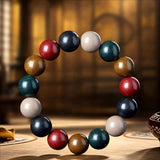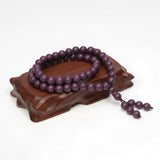
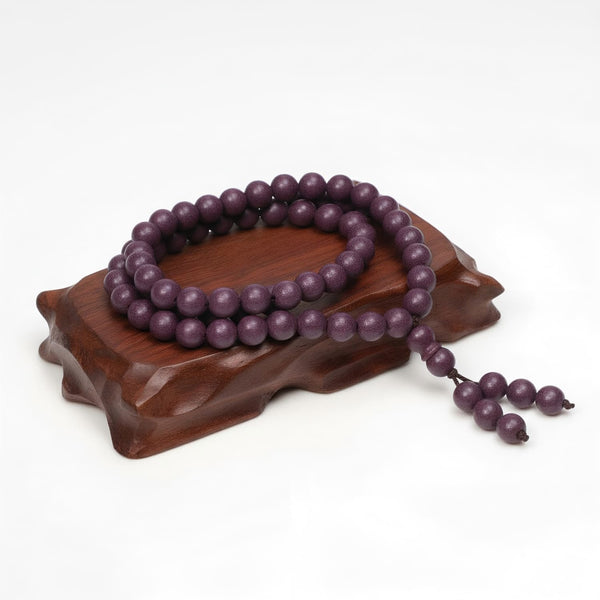

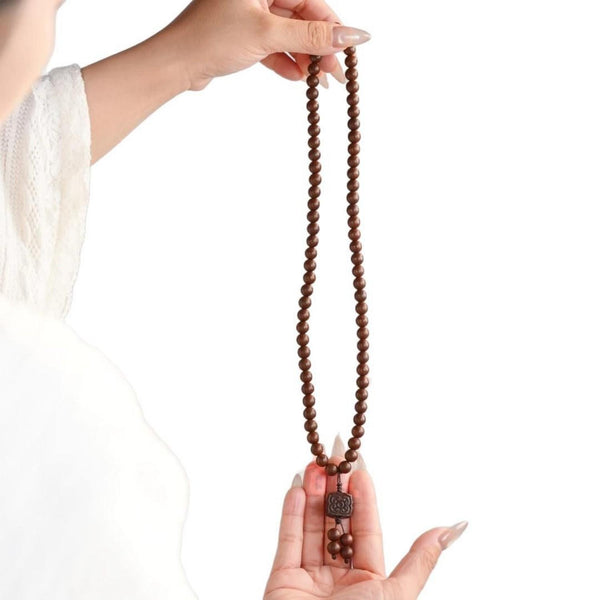

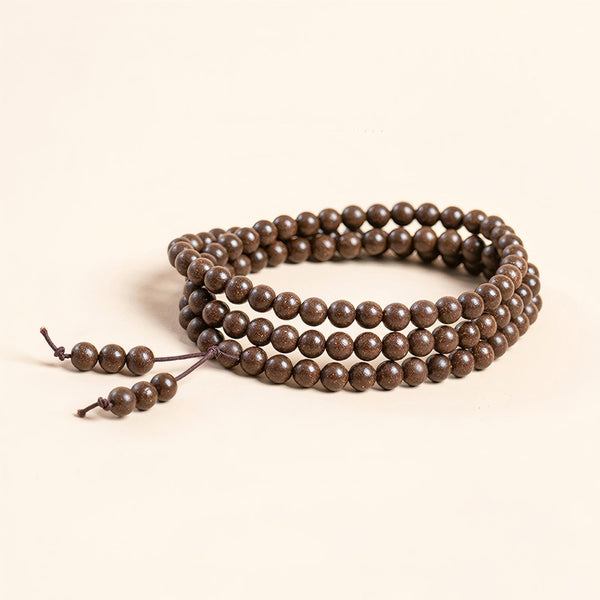
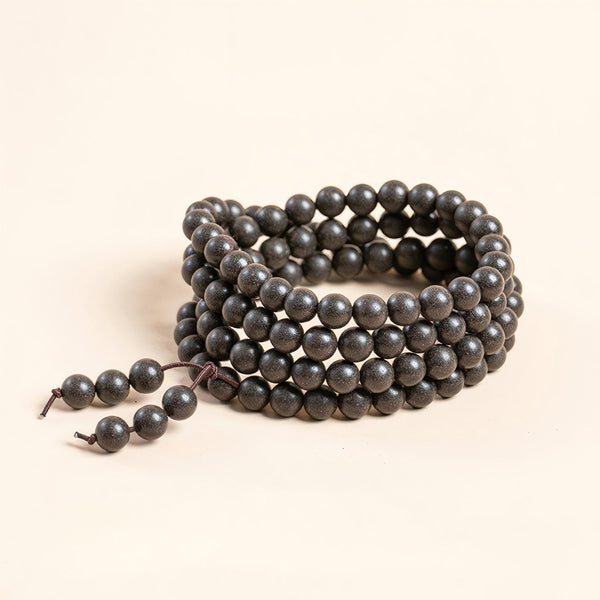
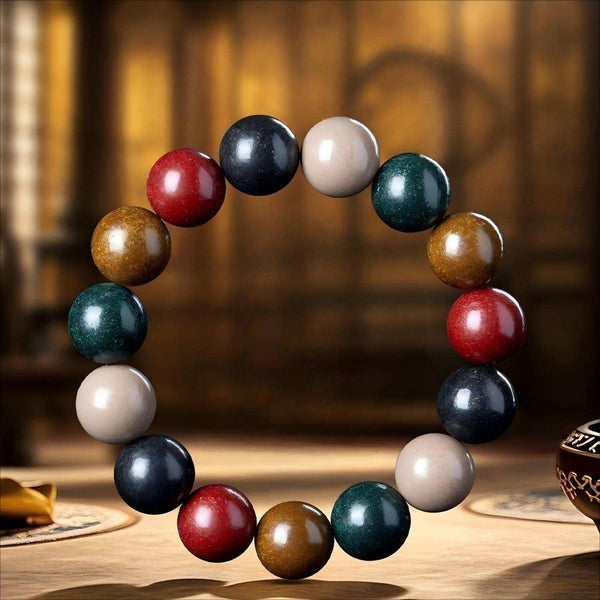
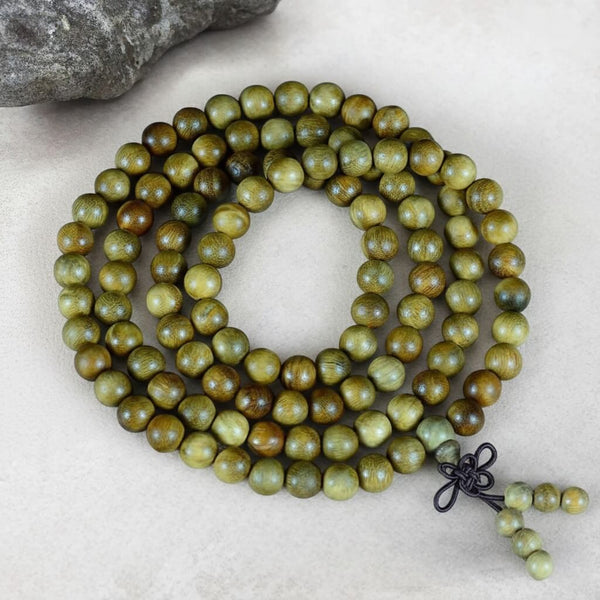
Short answer: A matching bead bracelet gift checklist should treat two people as two separate wearers. Confirm each wrist size, bead-profile preference, scent preference, material questions, care routine, and exchange needs before choosing coordinated designs. Matching bracelets can share a detail or message without being identical, and they do not repair a relationship or guarantee closeness.
Use the Mindful Jewelry Gift Guide for the broader gift framework. This page owns the narrower two-person matching decision.

Matching Bead Bracelet Gift Checklist
- Measure two wrists separately. Do not copy one person's size to the other.
- Ask about bead profile. One recipient may prefer smaller, lighter, smoother, or less mobile jewelry.
- Check scent preference. A scented bracelet should be chosen for each person and setting, not assumed from the relationship.
- Verify materials wording. Review the exact beads, strand, spacers, charms, closures, and any unverified components.
- Compare daily routines. Water, exercise, work rules, fragrance restrictions, tools, and cosmetics affect suitability.
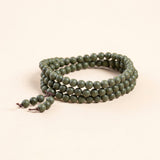
- Choose the matching element. Coordinate color family, bead shape, one accent, packaging, or message instead of forcing identical products.
- Confirm commercial terms. Check current options, price, shipping, return, exchange, and sizing policies before ordering two items.
Matching Does Not Have to Mean Identical
Two bracelets can coordinate through one visible detail while remaining different in circumference, bead size, scent, construction, or color. This often produces a more wearable gift than ordering duplicate items. The shared element should be easy to explain without assigning a universal spiritual or emotional meaning.
A matching set may represent a private memory, date, place, value, or promise chosen by the recipients. Kenlina does not claim that a material, bead count, color, or scent guarantees love, loyalty, protection, compatibility, reconciliation, or a relationship outcome.
Measure Each Wrist and Routine
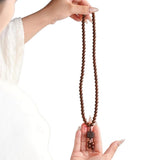
Measure the wrist where each person plans to wear the bracelet. Record the method, wrist circumference, preferred ease, and whether watches or other bracelets share the same arm. Do not rely on gender, clothing size, height, or a borrowed bracelet as the only sizing evidence.
Then compare real routines. One person may work near water, equipment, food, fragrances, gloves, or strict uniform requirements. The other may prefer occasional wear and careful storage. A gift succeeds when both items fit their actual use rather than an idealized matching photograph.

Ask Two Separate Scent and Material Questions
Do not surprise someone with a scented item when their preference or environment is unknown. Ask whether they wear fragrance, work in a scent-restricted space, or prefer an unscented option. Scent intensity and perception can vary, and a natural or herbal product name does not promise a specific strength or duration.
Review each product listing for exact material statements. Natural, handmade, ancient, healing, hypoallergenic, sustainable, and traditional are not interchangeable claims. Do not assume two visually similar bracelets have the same components or care requirements.
Write a Gift Note That Leaves Meaning Open
A useful note identifies the chosen connection without prescribing a feeling: the shared color recalls a trip, the bead shape reflects a design you both liked, or the bracelets mark a date. Avoid telling the recipient that wearing the item must create calm, improve communication, protect the relationship, or change health.
Include practical information separately: product name, selected option, care link, seller contact, and exchange route. Do not put private order numbers, prices, or payment information in a visible gift message.
Plan Separate Care and Storage
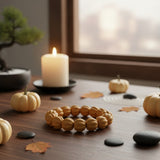
Give each bracelet its own pouch or compartment so the items do not rub together. Explain water, sweat, cosmetics, heat, storage, and strand checks using the current product instructions. A matching pair can age differently because wear frequency, climate, storage, contact, and natural variation are different.
The Bracelet Care and Materials Guide supplies the shared care framework. The morning bracelet care routine helps each wearer plan daily checks, while the skin contact checklist keeps individual comfort separate.
Compare Current Products and Options
Use How to Choose an Incense Bracelet, then review the Natural Herbal Incense Bracelets collection. Compare each item independently before deciding what the pair will share.
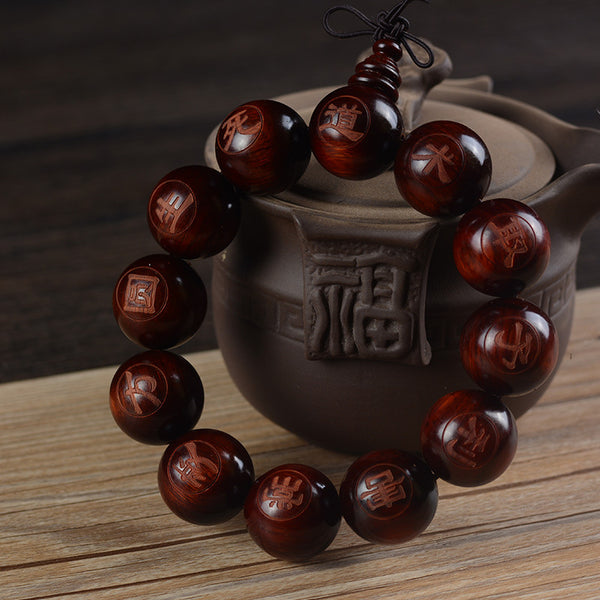
The Ancient Herbal Incense Beads page is one exact commercial example. Its current listing determines available options and product facts; the word ancient should not be expanded into an unverified historical or spiritual promise.
Label the Two Gifts Clearly
When sizes or designs differ, label each pouch with the recipient's name or a neutral identifier before wrapping. Keep the product name, selected option, wrist measurement, and care note with the correct item. Do not rely on memory after removing products from their original order packaging.
Present the pair together only after confirming which bracelet belongs to whom. If the recipients will open the gifts separately, use parallel notes that explain the shared design idea while preserving each person's individual choice. Keep the order confirmation and exchange route with the giver so a size change can be handled without exposing price or payment details.
Frequently Asked Questions
Q1: Do matching bracelets need to be identical?
A: No. They can share a color, shape, accent, package, or message while using different sizes, profiles, scents, or designs.
Q2: Can I estimate both wrist sizes from one person?
A: No. Measure each wrist separately and confirm each person's preferred ease and daily-wear context.
Q3: Are scented matching bracelets suitable for everyone?
A: No. Confirm each recipient's scent preference and shared-space requirements before choosing.
Q4: Do matching bracelets improve a relationship?
A: Kenlina does not make that claim. The gift can carry personal meaning, but jewelry does not guarantee emotional or relationship outcomes.
Q5: What should be included with the gift?
A: Include the product name, selected option, care guidance, seller contact, exchange information, and a personal note without private payment data.