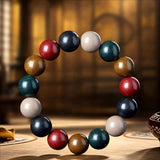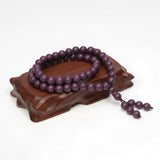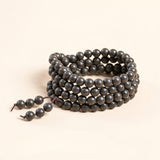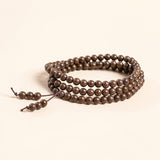


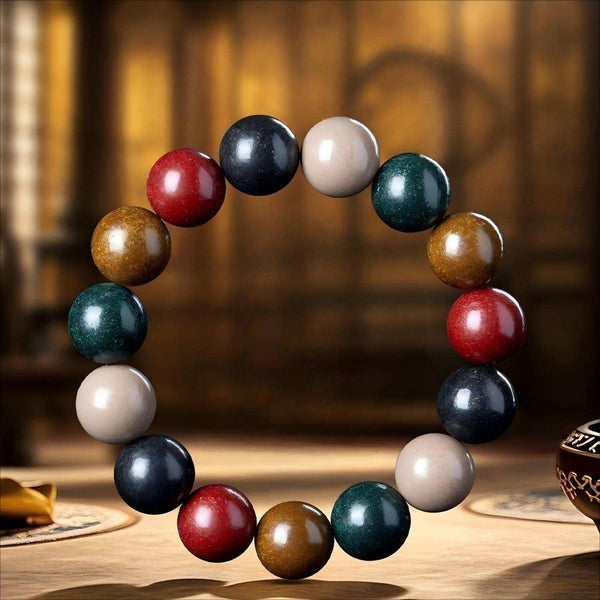
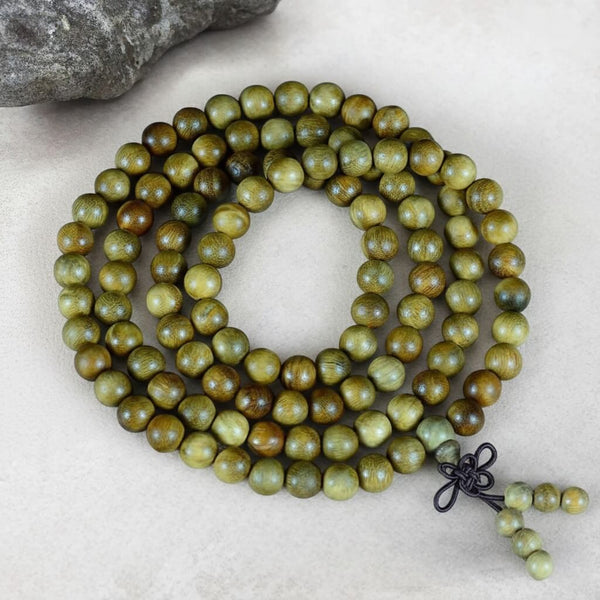
Short answer: A bead bracelet skin contact checklist reviews seven physical factors: fit, pressure, disclosed bead materials, metal components, scent, products on the skin, and changes during wear. Remove the bracelet immediately if it causes pain, numbness, burning, itching, swelling, a rash, or other discomfort. This checklist does not diagnose an allergy or make the body feel safe.
Start with the Bracelet Care and Materials Guide. Then read the exact product page because a general category name does not disclose every component in every option.

Bead Bracelet Skin Contact Checklist
- Fit: confirm the bracelet is neither tight nor excessively loose.
- Pressure: look for pinching, deep marks, trapped skin, or a bead edge pressing one spot.
- Material wording: distinguish documented components from broad words such as natural, herbal, wood, or handmade.
- Metal parts: check the listing for spacers, charms, clasps, findings, or wire and ask when the composition is unclear.
- Scent: consider whether a scented item is comfortable for the wearer and appropriate for the setting.
- Skin products and moisture: keep lotion, perfume, sanitizer, sunscreen, water, and sweat from being trapped beneath the bracelet.
- Response during wear: remove the item for discomfort rather than testing whether the symptom passes while contact continues.
Start with Fit and Pressure
A tight bracelet can concentrate pressure and trap moisture or residue. An overly loose bracelet may slide, rub, strike hard surfaces, or catch. Fit also changes with bead diameter, strand construction, spacers, focal elements, and the shape of the wrist, so a nominal circumference does not tell the whole story.
Check fit while the hand is relaxed and during ordinary movement. Stop if fingers become numb, the wrist throbs, beads pinch skin, or deep marks persist. Do not treat discomfort as evidence that the bracelet is affecting energy or producing a desired result.
Read the Exact Materials, Not the Marketing Category
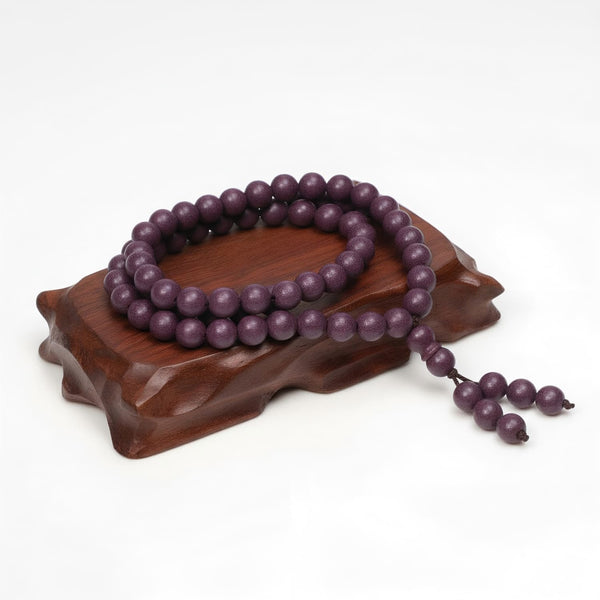
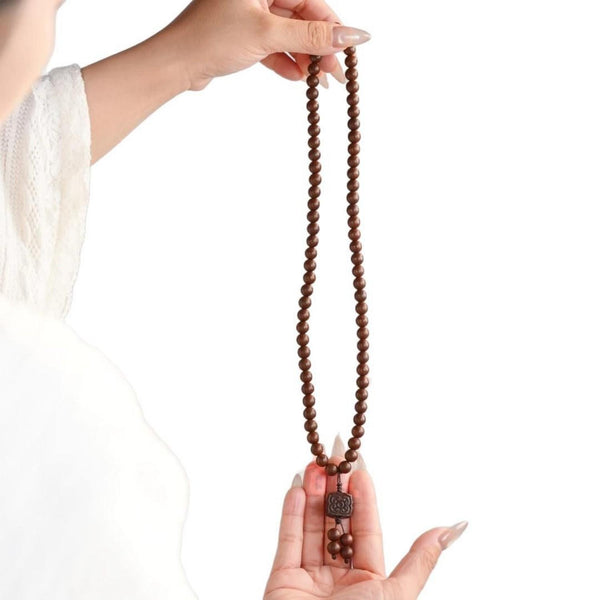
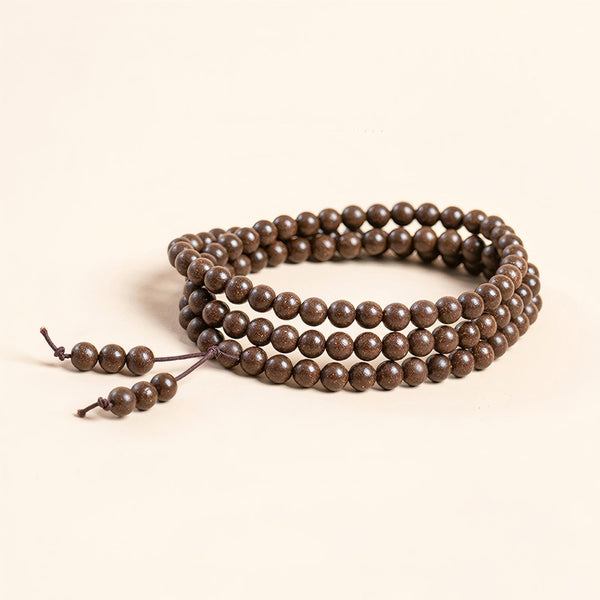
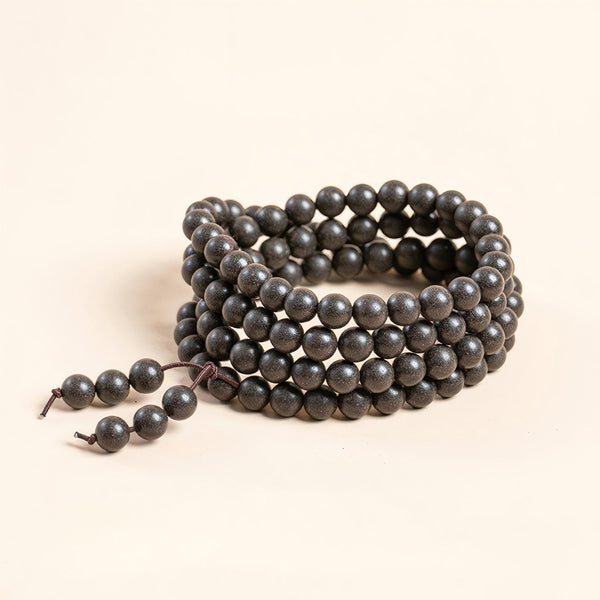
The words natural bead, herbal incense bead, sandalwood, handmade, or meditation bracelet do not identify every component. Review beads, cord or elastic, knots, adhesive claims when stated, spacers, charms, coatings, colorants, closures, and packaging that may contact the item. If a product page does not state a component, ask the seller rather than guessing.
Do not infer that Kenlina products contain nickel, are nickel-free, are hypoallergenic, or suit sensitive skin unless the exact product listing provides that verified fact. The American Academy of Dermatology notes that jewelry containing nickel can trigger allergic contact dermatitis in people with nickel allergy. Its public nickel allergy guidance supports checking metal composition rather than relying on appearance.

Keep Cosmetics, Sweat, and Water Separate
Apply lotion, sunscreen, perfume, sanitizer, and other products before the bracelet, then wait until the wrist is dry. Remove the item before bathing, swimming, high-sweat exercise, or cleaning. Moisture and products can affect both the wearer and the bracelet, and the exact response depends on the materials and exposure.
Do not coat metal or beads with clear nail polish, adhesive, oil, or another home barrier as a universal solution. A coating can wear, trap residue, alter the item, or introduce another contact material. Use verified product guidance and stop contact when there is a problem.
Separate Scent Preference from Skin Safety
A scented bracelet may be personally pleasant, unwanted, or unsuitable in a shared space. Scent preference does not establish skin compatibility, and a botanical name does not prove that every wearer will tolerate direct contact. Do not add perfume or essential oil to a bracelet unless the exact product instructions explicitly permit it.
Remove a scented item if it causes discomfort or if the setting restricts fragrance. Kenlina does not claim that scent treats anxiety, changes the nervous system, improves health, or makes continued contact necessary.
Know When to Stop Wear and Seek Qualified Help
Remove the bracelet immediately for rash, itching, burning, swelling, pain, numbness, broken skin, or persistent discomfort. Keep the item and product information available, but do not place it back on the affected area to reproduce the response. Avoid self-diagnosing the cause from color, location, or timing alone.
The AAD explains that contact dermatitis can have more than one cause and provides public guidance on contact dermatitis. Seek a qualified healthcare professional or board-certified dermatologist when symptoms are persistent, severe, recurring, spreading, or otherwise concerning. Urgent or serious symptoms require prompt medical attention. This page cannot evaluate an individual reaction.
Verify the Product Before Purchase
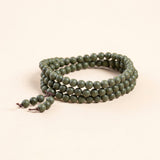
Use How to Choose an Incense Bracelet, then compare current items in the Natural Herbal Incense Bracelets collection. The Green Sandalwood bracelet is one exact commercial example; use only its current listing facts.
The morning bracelet care routine helps prevent avoidable product transfer. The matching bead bracelet gift checklist prevents one recipient's comfort assumptions from being applied to another. For broader gift decisions, use the Mindful Jewelry Gift Guide.
Frequently Asked Questions
Q1: What should I do if a bracelet makes my wrist itch?
A: Remove it immediately and stop wear. Persistent or recurring symptoms should be evaluated by a qualified healthcare professional or dermatologist.
Q2: Does natural mean hypoallergenic?
A: No. Natural and hypoallergenic are different claims. Verify every bead, strand, spacer, charm, and closure from the exact listing.
Q3: Can I coat a bracelet with nail polish to prevent contact?
A: Do not treat a home coating as a universal fix. It can wear, alter the item, trap residue, or introduce another material.
Q4: Should a bead bracelet leave marks?
A: Deep, painful, persistent, or uncomfortable marks are a reason to remove it and reassess fit. Do not continue through numbness or pinching.
Q5: Can this checklist diagnose a metal or fragrance allergy?
A: No. It organizes product and contact facts; diagnosis belongs to a qualified healthcare professional.