


Intro

There are days when being kind to yourself feels effortless, like slipping into warm sunlight.
And then there are days when kindness feels impossible, almost foreign.
Maybe you know the feeling:
You push yourself harder than anyone else ever would.
You carry guilt when you rest.
You replay mistakes long after everyone else has forgotten them.
You accept other people’s kindness, but struggle to offer even a drop to yourself.
If this is you, there is nothing wrong with you.
You’re not broken, you’re tired from fighting with yourself for too long.
This gentle guide is an invitation to soften that fight, quiet the inner critic, and return to the kind of compassion you’ve always deserved.

Why Being Kind to Yourself is So Hard
You would think self-kindness would come naturally.
But for many people, it’s one of the hardest things to do.
Self-criticism can become a habit - quiet, constant, and incredibly heavy:
- “I should be doing more.”
- “I shouldn’t have made that mistake.”
- “I’m not enough.”
- “Other people have it together - why don’t I?”
We rarely speak to ourselves the way we speak to the people we love.
And in a world that glorifies productivity, perfection, and comparison, it’s no wonder so many of us feel inadequate.
Being kind to yourself isn’t weakness.
It’s the gentle strength of choosing not to abandon yourself.
What Self-Kindness Really Means
Self-kindness isn’t just treating yourself to a spa day (though that can be lovely).
It’s deeper than that something quieter, more intimate.
Self-kindness means:
- speaking to yourself like someone you love
- letting yourself rest without guilt
- meeting mistakes with gentleness, not punishment
- allowing yourself to be fully human
- accepting your imperfect, beautiful self as worthy
In a culture that demands flawlessness, being kind to yourself is an act of quiet rebellion -
a choice to nurture your inner calm instead of chase external approval.
Why it Matters: The Heart-Level Benefits of Being Gentle with Yourself
When you soften toward yourself, your entire life begins to shift.
Emotionally
Self-kindness reduces anxiety, overthinking, and shame.
Your nervous system feels safer, steadier.
Physically
Your breath slows.
Your shoulders lift from your ears.
Your body stops bracing for the next threat.
Relationally
When you care for yourself, you have more love, warmth, and patience to offer others.
You cannot pour from an empty cup - and you were never meant to.
This is why at Kenlina, we support emotional well-being in every part of our work, including donating 5% of sales to the ADAA, because inner calm deserves to be accessible to everyone.
The Inner Critic: A Loud Voice That’s Actually Afraid
Your inner critic isn’t cruel on purpose.
It’s scared.
It learned somewhere - maybe growing up, maybe through loss, pressure, or trauma—that harshness equals protection.
It whispers:
“If I push you, you won’t fail.”
“If I criticize you first, rejection won’t hurt as much.”
“If I don’t let you rest, you’ll stay ahead.”
The critic is loud because it’s trying to keep you safe.
But safety doesn’t come from pressure - it comes from compassion.
Self-kindness teaches your inner system a new truth:
“You are safe, even without the punishment.”
Six Gentle Ways to Practice Self-Compassion
Let’s make kindness real, tangible, embodied - something you can actually feel.
1. Speak to Yourself Like Someone You Love
Your inner dialogue shapes your inner world.
When you catch yourself being harsh, ask:
“How would I speak to a dear friend in this exact moment?”
And then offer yourself the same softness.
This one shift can transform everything.
2. Let Go of Impossible Expectations
Perfectionism is a prison.
And you don’t need it to be worthy.
Self-kindness means:
- embracing your messy, magical humanness
- allowing yourself to make mistakes
- seeing setbacks as part of growth, not proof of failure
You are allowed to be unfinished.
3. Practice Mindful Self-Compassion
Mindfulness = noticing what’s here
Self-compassion = responding with care
Together, they become:
“I see my pain—and I choose to be gentle with myself.”
This can look like:
- placing a hand on your heart
- taking a deep, slow breath
- acknowledging your feelings without judgment
- whispering, “I’m doing the best I can.”
This small ritual calms the nervous system and brings you back home to yourself.
4. Say “No” Without Apologizing
Sometimes being kind to yourself means not doing something.
It’s okay to decline invitations.
It’s okay to rest.
It’s okay to not be available for everyone.
Every “no” you give to stress is a “yes” you give to your peace.
Boundaries are self-love in action.
5. Breathe in Self-Kindness
Take three quiet minutes.
Sit comfortably.
Close your eyes.
And breathe:
Inhale softness.
Exhale pressure.
Inhale acceptance.
Exhale self-judgment.
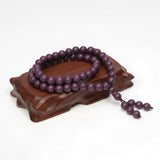
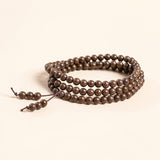
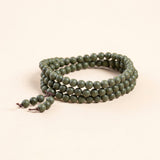
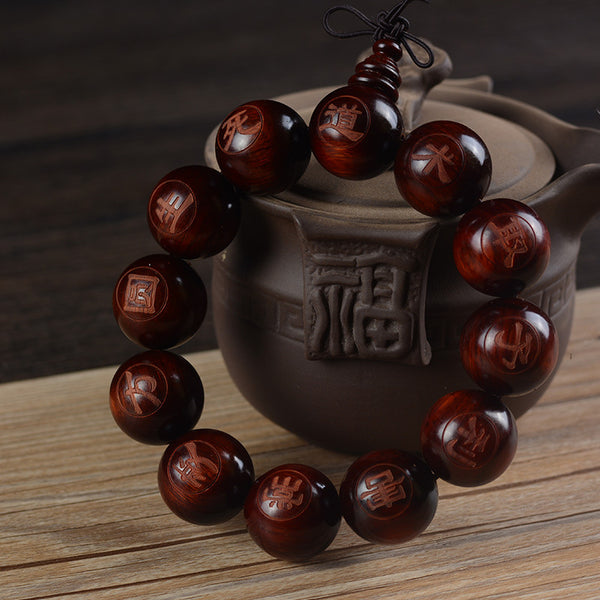
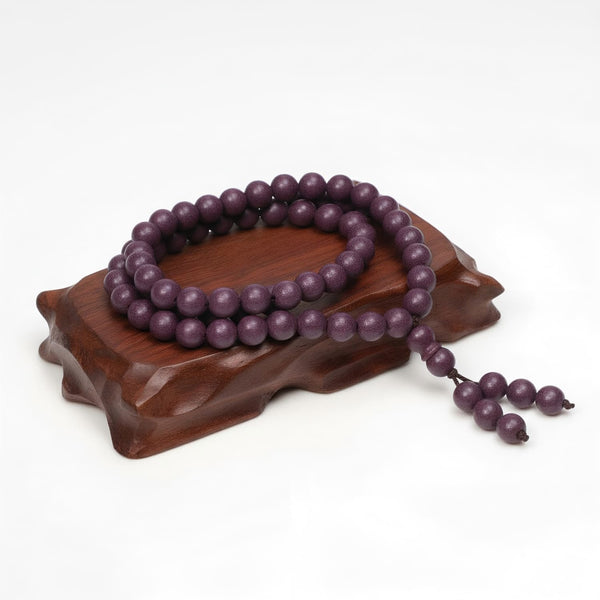
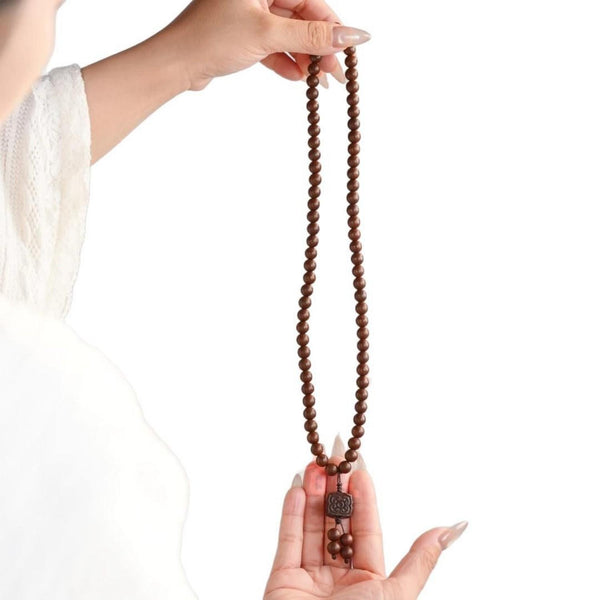
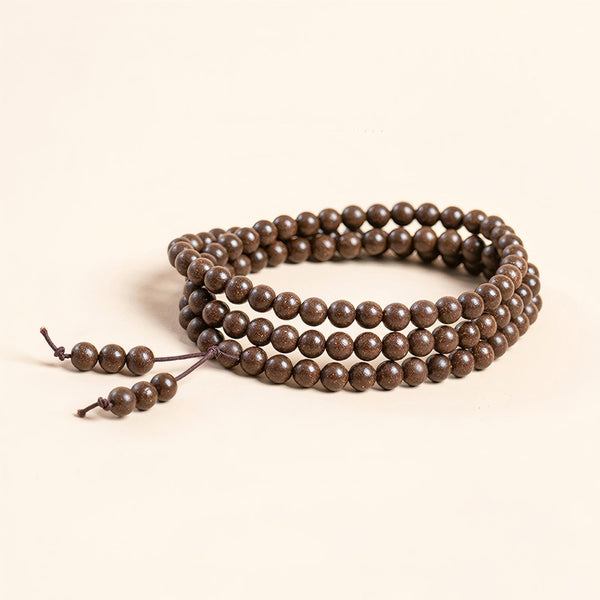
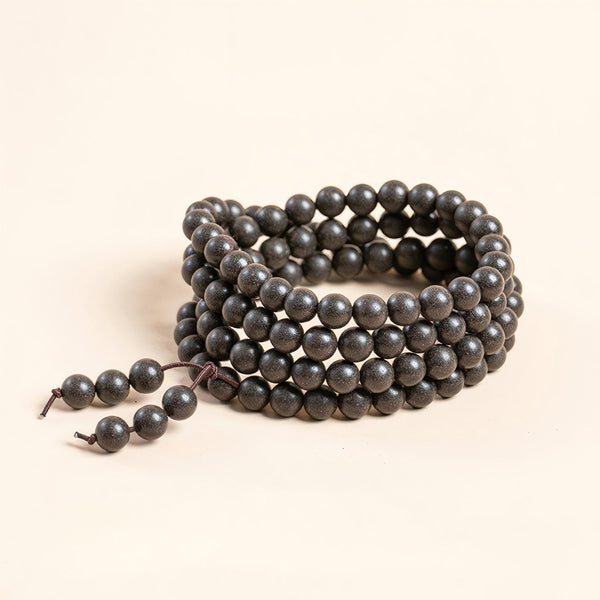
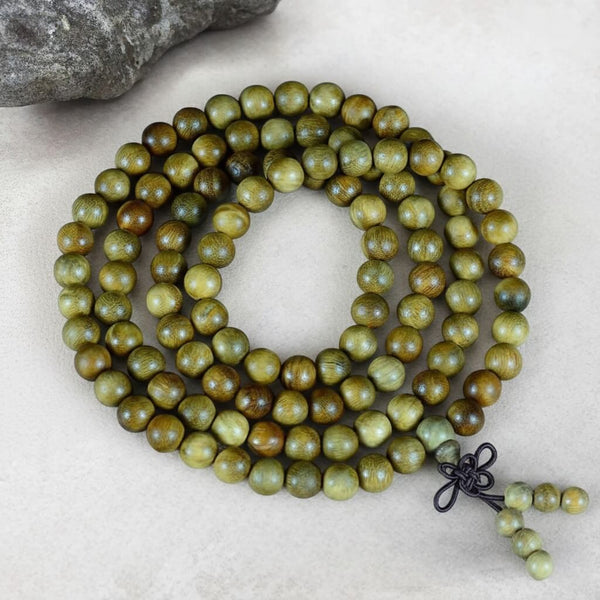
If you wear a grounding object like a bracelet, you can let each bead guide your breath:
One bead, one inhale
One bead, one exhale
This is why our herbal incense bracelets exist:
to offer a calming touchstone when the world feels overwhelming,
a reminder that stillness is always within reach.
6. Treat Yourself with Small, Daily Acts of Care
Kindness grows in tiny moments:
- a warm cup of tea
- a slow walk outside
- a quiet bath
- five minutes of meditation
- turning off your phone
- choosing rest over rushing
What matters isn’t what you do, it’s that you give yourself the same tenderness you offer everyone else.
Create Your Self-Kindness List
Ask yourself:
- What makes me feel held?
- What helps me breathe easier?
- What can I offer myself today that I’ve been waiting for others to give me?
Your list will be unique, personal, and yours alone.
That’s the beauty of it.
Self-Compassion vs. Self-Esteem: The Gentle Difference
Self-esteem asks, “How do I compare?”
Self-compassion asks, “How can I care for myself right now?”
Self-esteem rises and falls with achievement.
Self-compassion stays with you through every season of life.
That’s why people who practice self-compassion have:
- steadier emotions
- stronger resilience
- healthier relationships
- deeper peace
A Soft Ending: You Deserve Your Own Kindness
The way you speak to yourself matters.
The way you treat yourself matters.
You matter.
You deserve softness.
You deserve rest.
You deserve compassion—from others, yes, but especially from yourself.
And every small act of kindness you offer inward becomes a seed of calm you can carry into the world.
Breathe deeper. Find stillness. Carry peace.
FAQ
Q1. What is a self-compassion ritual?
A: A self-compassion ritual is a small practice that helps you speak to yourself with more patience and return to the present moment.
Q2. Does self-compassion mean ignoring responsibility?
A: No. It means meeting responsibility without constant self-attack, so you can respond with steadier energy.
Q3. How can a bracelet support self-kindness?
A: A bracelet can be a tactile reminder to pause, soften your tone with yourself, and take one slow breath.