






Intro

If your mind has been feeling loud lately, or if your heart seems to pound even when nothing is wrong, you're not alone.
In 2026, anxiety has become a companion many people never asked for-fueled by constant notifications, digital overload, performance pressure, and a world that rarely slows down.
But here's a truth worth holding close:
You're not broken.
Your nervous system is overwhelmed.
And overwhelmed systems can be soothed.
This is your gentle guide to calming anxiety-not through force or perfection, but through softening, grounding, and giving your inner world a chance to breathe again.
Let's walk through this slowly, together.

Understanding Anxiety in 2026
(Your Nervous System is Asking for Safety)
Anxiety isn't just a thought or a feeling-it's your body trying to protect you.
In a world that demands quick decisions, constant availability, and nonstop stimulation, your nervous system doesn't always know how to switch off. It stays alert. It stays braced. It stays watchful.
And you feel it as:
- tight shoulders
- restless energy
- racing thoughts
- irritability
- tension in your chest
This isn't your mind failing you.
It's your body asking gently:
"Can we slow down?"
When you view anxiety not as the enemy, but as a message, you stop fighting it-and begin healing it.
Notice & Name What's Happening
Recognize Your Early Signals
Everyone's anxiety looks different.
Yours might be:
- headaches
- a knot in your stomach
- snapping at people you love
- trouble focusing
- feeling "off" for no clear reason
Notice your first whispers-not just your loudest alarms.
Accept the Feeling Instead of Fighting It
Anxiety grows stronger when resisted.
Try softly telling yourself:
"I'm feeling anxious right now, and that's okay."
This doesn't make anxiety win.
It creates enough space for your nervous system to breathe.
Ground Yourself in the Present
The mind spirals; the body anchors.
Use the senses to interrupt anxious thoughts:
- touch something textured
- look at five objects around you
- take one slow breath
- place a hand on your chest
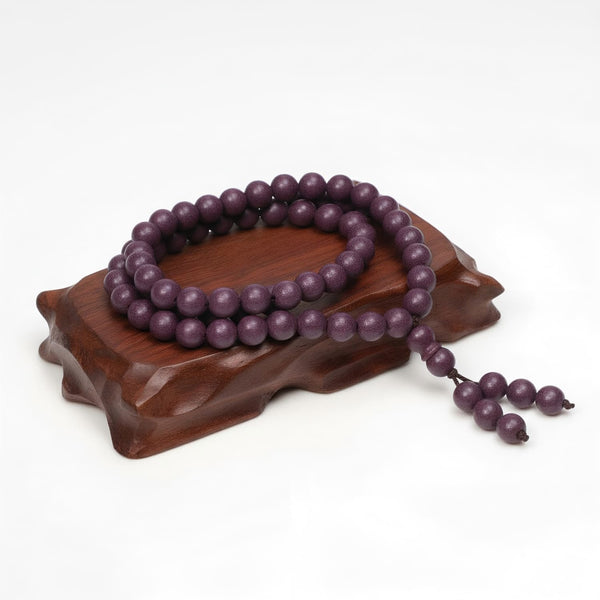
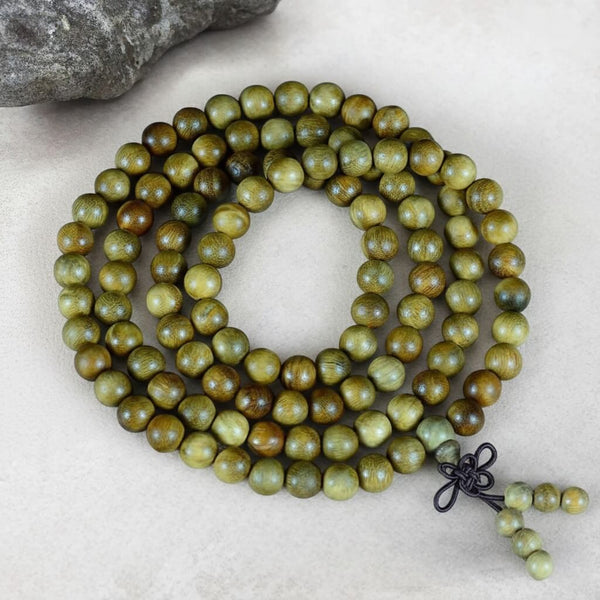
- hold onto a grounding object like a bracelet bead
When the body returns to now, the mind follows.
Relaxation Rituals to Calm the Nervous System
Anxiety responds best to consistency, gentleness, and sensory grounding.
Here are soft rituals-not rigid techniques-that soothe the body and mind.
1. Breath Rituals
Try:
4-in, 6-out breathing
Inhale for four.
Exhale for six.
Long exhale = calm.
Or place a hand on your heart, breathing slowly until your body loosens.
2. Mindful Awareness
Not meditation.
Not emptying your thoughts.
Just noticing:
- the rise of your breath
- the weight of your body
- your feet on the ground
Awareness is often enough.
3. Progressive Relaxation
Invite your body to let go:
- tense your toes → release
- tense your shoulders → release
- tense your hands → release
Relaxation happens gently, not forcefully.
Sensory Distractions That Bring You Back to Yourself
When the mind spirals, shift into the senses.
1. Do Something You Enjoy
A warm bath
A comforting TV show
A small craft project
Mindful tea-making
Joy interrupts anxiety.
2. Listen to Calming Sound
Soft piano, nature sounds, or your own "calm playlist."
Sound is one of the fastest ways to shift your emotional state.
3. Connect With Someone Who Feels Safe
A friend who listens.
A partner who understands.
An online community that feels like home.
Connection regulates the nervous system better than isolation.
4. Touch-Based Grounding (Kenlina Signature)
Hold a bead between your fingers.
Let your thumb circle its surface.
Breathe in a gentle herbal scent if you have one.
Feel your body soften.
Touch is a direct line to safety.
A Calm Lifestyle: Build a Body That Can Rest
Long-term anxiety relief comes from the basics-done gently and consistently.
1. Move Every Day
Walk.
Stretch.
Dance in your living room.
Practice yoga.
Touch grass.
Breathe outdoors.
Movement metabolizes stress.
2. Eat to Support Emotional Stability
Stable blood sugar = stable emotions.
Try protein, whole foods, minimal caffeine, slow-release carbs, and hydration.
3. Protect Your Sleep
Sleep is the nervous system's repair mode.
Try:
- dimming lights early
- limiting screens
- aromatherapy
- grounding beads in your hand during breathwork
- a simple bedtime ritual
4. Slow Your Digital Life
Digital overwhelm is a 2026 mental health epidemic.
Try:
- no notifications after 9 p.m.
- one-hour "digital pause" daily
- intentional screen use
- tech boundaries
Your nervous system needs softness, not stimulation.
Rewriting Your Inner Dialogue
(Thoughts That Soothe, Not Scare)**
1. Cognitive Softening
Instead of "I can't handle this," try:
"I'm having a hard moment, and I can support myself through it."
Gentle → effective.
2. Affirmations for the Nervous System
- "I am safe in this moment."
- "My thoughts are loud, but I am louder."
- "I can take this one breath at a time."
Whisper these while touching a bead.
Let the words and the sensation work together.
3. Gratitude Micro-Reset
Gratitude shifts your attention to what's stable in your life.
Try:
- naming one good moment
- writing three things you enjoyed today
- telling someone "thank you"
Small gratitude → big grounding.
When You Need Extra Support?
(A Soft Invitation, Never a Demand)**
It's okay to need more help.
It's human.
Options include:
Therapy
CBT, somatic therapy, hypnotherapy, mindfulness-based therapy, and more.
Medication
Sometimes biology needs support while you heal emotionally.
Support Groups
A reminder that you don't face this alone.
At Kenlina, we support emotional well-being by donating 5% of all sales to the ADAA,
because care should be shared-not carried alone.
Everyday Coping Tools That Help You Stay Grounded
Grounding Techniques
Touch.
Senses.
Breath.
Movement.
Journaling
A safe place to pour your thoughts out of your head and onto paper.
Visualization
Picture somewhere peaceful-
a beach, a quiet forest, a warm field-
and let your body follow the image.
Boundaries
Guard your time.
Honor your energy.
Say no when your heart asks for rest.
Boundaries create emotional safety.
A Gentle Summary
(Your Peace is Possible)**
Calming anxiety isn't about eliminating it.
It's about learning how to soothe your nervous system,
slow your breath,
anchor your senses,
reclaim your presence,
and choose softness over self-pressure.
You're not behind.
You're not failing.
You're learning a new rhythm.
And every small moment of calm you create is a moment you deserve.
Breathe deeper. Find stillness. Carry peace.
FAQ
Q1. What is a grounding ritual?
A: A grounding ritual is a small repeatable practice that brings attention back to the present through breath, touch, movement, or sensory awareness.
Q2. Can grounding rituals treat anxiety?
A: No. Grounding rituals are supportive daily practices, not medical treatment or guaranteed solutions.
Q3. How can a bracelet support a grounding ritual?
A: A bracelet can act as a tactile cue. Touching one bead can remind you to pause, breathe, and notice the moment.