

Introduction
Public speaking anxiety isn't just a fear of being seen-it's a nervous system reacting to stress in the only way it knows how. And the truth is, you don't overcome it by forcing confidence or memorizing the perfect script. You overcome it by helping your body feel safe again.
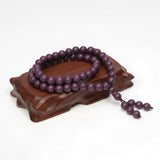
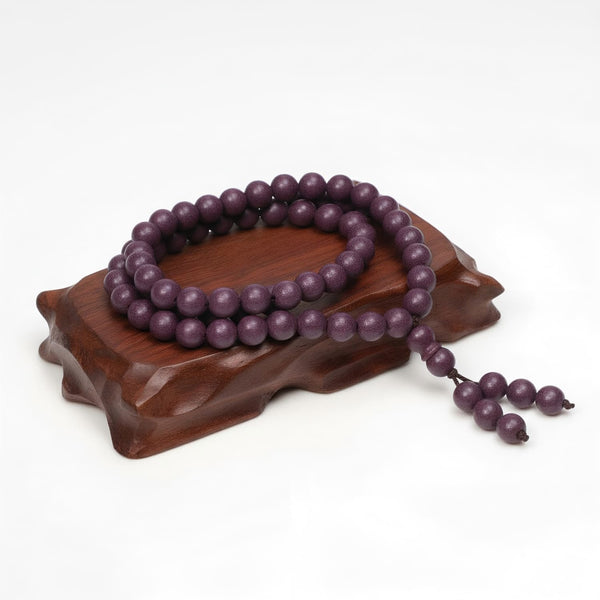
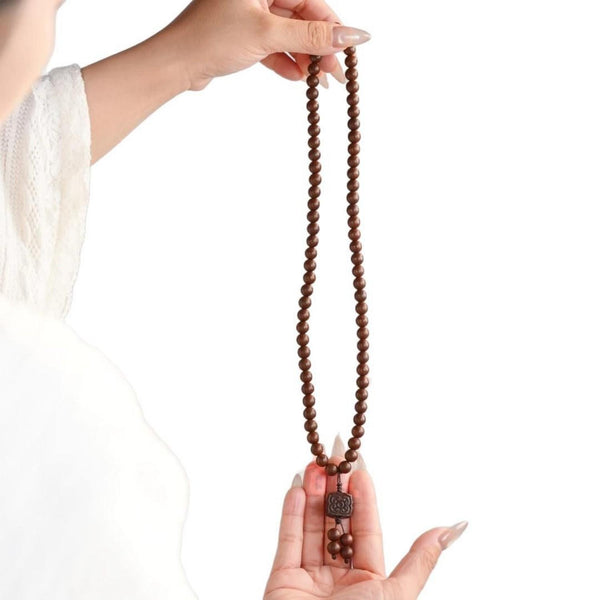
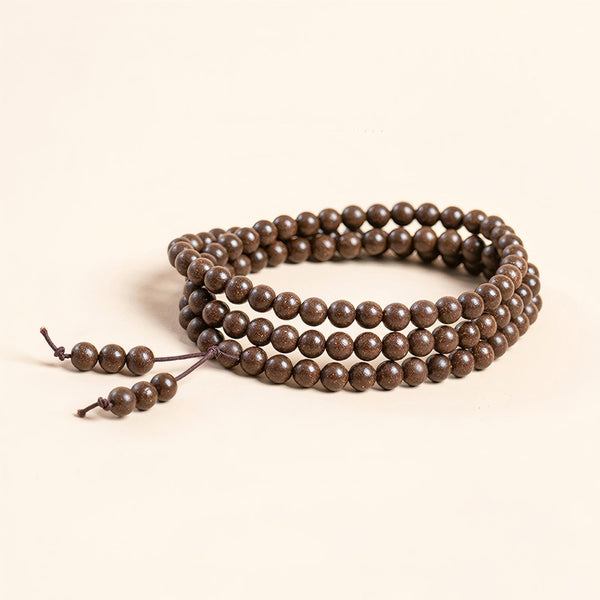
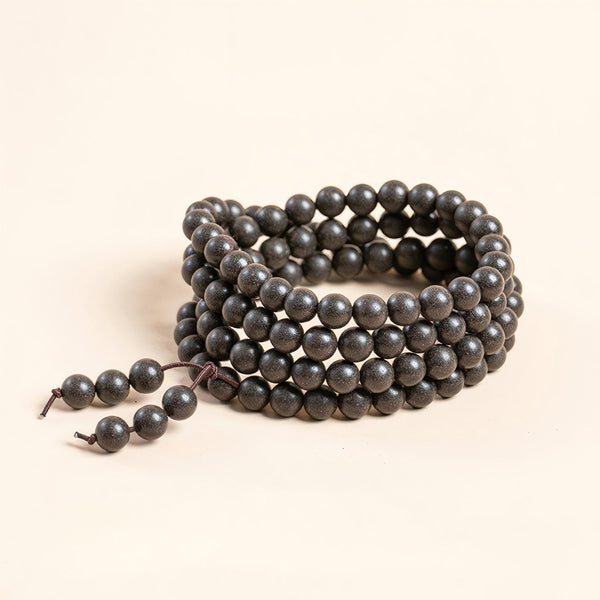
In recent years, hypnotherapy has become one of the most effective, research-supported ways to retrain that automatic fear response. It works by calming the mind, easing physical tension, and rebuilding your sense of presence from the inside out. Paired with grounding tools-like Kenlina's herbal bracelets that gently anchor your breath-many people discover that speaking clearly and confidently isn't about becoming someone new. It's about returning to yourself.
This guide explores why public speaking triggers such a powerful reaction, how hypnotherapy can shift that pattern, and what you can start practicing today to feel more grounded the next time all eyes are on you.
Hypnotherapy for Public Speaking
Public speaking has always been one of the most common human fears-but in the past few years, the pressure has grown even stronger.
Virtual meetings. Hybrid teams. Constant presentations.
It feels like we're always "on," always expected to speak clearly, confidently, and without missing a beat.
So when a big presentation is coming up, Sunday nights can feel heavier than they used to.
You're in bed, rehearsing every possible scenario.
Your stomach twists.
Your mind races through "what ifs."
Your breath never quite drops into your body.
If this sounds familiar, you're not alone-and you're definitely not broken.
Today, nearly 3 out of 4 adults in the U.S. report some level of public-speaking anxiety. And for many, it shows up not just as nervousness, but as a full mind-body stress response.
But what if there were a gentler way to retrain that response?
Something that doesn't force confidence, but instead helps your brain and body feel safe enough to speak with clarity?
That's where hypnotherapy for public speaking comes in-a calming, evidence-supported approach that helps reshape both the thoughts and the physical sensations that make speaking feel overwhelming.
In this updated 2026 guide, we'll explore:
- What public-speaking anxiety really is
- Why your body reacts the way it does
- How hypnotherapy works
- Simple practices to support a calmer speaking experience
- Why grounding tools-like Kenlina's herbal bracelets-can help steady your breath
Let's take this one step at a time.
What Exactly is Public Speaking Anxiety?
Public speaking anxiety-sometimes called glossophobia-is more than feeling a bit nervous.
It's a whole-body reaction.
Common physical symptoms:
- Heart racing
- Tight chest
- Sweaty palms
- Shaky voice or hands
- Short, shallow breathing
Common mental symptoms:
- Blank mind
- Catastrophic thinking
- Fear of judgment
- Self-doubt or self-criticism
Common behavioral patterns:
- Avoiding speaking situations
- Over-preparing or scripting every word
- Speaking too fast
- Disconnecting or dissociating
And most importantly:
Your body isn't reacting to public speaking. It's reacting to perceived danger.
Your nervous system doesn't distinguish between "presenting to colleagues" and "being chased by something threatening."
The reaction feels the same.
Understanding this is the first step toward healing it.
Why Your Body Treats Public Speaking Like a Threat
In 2026, we understand more than ever that anxiety isn't a personal flaw-it's a nervous-system response.
When you anticipate public speaking, your brain may trigger a fight-or-flight reaction:
- Your breath moves into your chest
- The voice tightens
- Thinking becomes harder
- The body prepares for "danger"
This isn't the voice of failure.
It's the voice of survival.
Sometimes, past experiences-being interrupted, judged, or embarrassed-reinforce this reaction. Other times, perfectionism or high pressure at work amplifies it.
Either way, the cycle becomes familiar:
Fear → physical reaction → self-doubt → avoidance → more fear.
Hypnotherapy gently interrupts this cycle.
How Hypnotherapy Helps Calm Public Speaking Anxiety?
Hypnotherapy isn't about losing control or being "put under."
It's about entering a relaxed, receptive mental state where your subconscious is more open to new patterns.
Modern neuroscience shows that during hypnosis, the brain shifts into alpha and theta states-the same calm, focused states seen in meditation and deep learning.
In this space, the mind becomes more able to:
- Release old fear associations
- Build new, supportive beliefs
- Soften self-criticism
- Strengthen emotional regulation
- Retrain the body's reaction to speaking
Hypnotherapy doesn't change who you are.
It helps change how safe you feel when you speak.
Techniques Commonly Used in Public-Speaking Hypnotherapy
Positive suggestion
Replacing "I'm going to mess up" with "I can breathe, slow down, and be present."
Visualization
Mentally rehearsing calm, grounded presentations.
NLP strategies
Reframing unhelpful thoughts and internal dialogue.
Somatic calming
Teaching the body to stay regulated when the spotlight is on you.
Breath-anchoring
A practice that pairs deeply with grounding tools-like gently rolling a bead bracelet between your fingers to steady your breath.
Why Many People See Fast and Lasting Progress?
Inside the Kenlina community, people often share that once they learned to regulate the body's response-not just their thoughts-their relationship with public speaking changed quickly.
Common benefits reported include:
- Feeling less dread before speaking
- Speaking at a slower, more natural pace
- Clearer thinking during presentations
- Less physical tension
- Stronger confidence
- More presence and connection with the audience
Some notice meaningful changes after just a few sessions of hypnotherapy.
Others pair hypnotherapy with grounding practices, journaling, therapy, or mindful breathing to deepen the shift.
The key is this: When the nervous system feels safe, the voice becomes steady.
How Grounding Tools Support This Process
Many 2025-2026 anxiety studies emphasize the role of tactile grounding objects.
Something small you can touch or feel helps shift your focus from fear to presence.
This is where people often reach for:
- Worry stones
- Fidget tools
- Smooth beads
- Sensory bracelets
At Kenlina, our herbal grounding bracelets were created with this exact purpose in mind.
Each bead carries a subtle natural scent and a gentle texture-something your fingers can return to whenever you feel nerves rising.
People use them:
- Right before a presentation
- Waiting to be introduced
- During a Zoom meeting
- While practicing speeches
Not as a cure, but as a touchstone for calm-a reminder to return to your breath, your body, and the present moment.
Practical Tools to Boost Confidence When You Speak
Here are gentle, modern approaches speakers rely on today:
1. Breathe deeper than your anxiety
Slow exhale > fast inhale
This signals safety to the nervous system.
2. Practice in low-pressure spaces
A trusted friend.
A small team meeting.
Even recording yourself on your phone.
3. Visualize the outcome you want
Not perfection-just calm presence.
4. Use positive self-talk
Simple phrases work:
"I'm safe."
"I can slow down."
"I don't need to rush."
5. Engage with your audience
Genuine connection softens anxiety quickly.
6. Pair speaking with a grounding gesture
Rolling a bracelet bead between your fingers
Touching your heart
Placing one hand on your stomach
Your body learns to feel safe again.
FAQs
Q1: Does hypnotherapy really work for public speaking anxiety?
A: Yes. Research from 2023-2025 shows that hypnotherapy can reduce anxiety-related symptoms by helping the brain enter a calm, receptive state. This allows you to form new, healthier patterns around speaking-both mentally and physically.
Q2: How quickly can I expect results from hypnotherapy?
A: Many people notice shifts within 2-4 sessions, especially when hypnotherapy is combined with grounding techniques, breathwork, or mindful rehearsal. Others experience more gradual progress as their nervous system learns to feel safe again.
Q3: Is hypnotherapy safe?
A: Yes. Modern hypnotherapy is a collaborative, conscious process. You remain aware, in control, and able to pause at any time. It's designed to help you relax-not to override your will or judgment.
Q4: Can hypnotherapy help with glossophobia (severe fear of public speaking)?
A: Absolutely. Hypnotherapy is especially effective for glossophobia because it works with the subconscious-the part of the mind that stores fear memories, associations, and learned responses.
Q5: Is hypnotherapy enough, or do I need regular therapy too?
A: It depends on your needs. Some people find hypnotherapy alone is enough to reframe their relationship with public speaking. Others combine it with coaching, CBT, EMDR, or grounding tools for a more integrated approach.
Q6: Can hypnotherapy help if my anxiety shows up physically (shaky voice, sweating, racing heart)?
A: Yes. Hypnotherapy doesn't just target thoughts-it retrains the body's automatic responses. Many people report improved breath control, steadier speech, and fewer stress symptoms after consistent sessions.
Q7: What if my public speaking anxiety comes from a past negative experience?
A: Hypnotherapy can help gently process and reframe those experiences so they no longer trigger your fight-or-flight response. This often leads to deeper, longer-lasting relief.
Q8: Does EMDR work for public speaking fear?
A: It can. EMDR is especially useful if your fear is rooted in past criticism, embarrassment, or a moment where you felt unheard. Hypnotherapy and EMDR can complement each other well.
Q9: What if I blank out or dissociate when speaking?
A: Dissociation is a common anxiety response-your brain temporarily checks out to protect you. Hypnotherapy helps strengthen grounding and presence so you can stay connected to your voice and the room around you.
Q10: Are grounding tools helpful during public speaking?
A: Yes. Tactile grounding tools-like Kenlina's herbal bracelets-can provide a physical anchor that helps slow your breath, reduce tension, and keep you present. Many speakers use them discreetly to stay calm during high-pressure moments.
Q11: Is online hypnotherapy as effective as in-person sessions?
A: For many people, yes. Since hypnotherapy is based on relaxation and focus, online sessions can be just as effective when you're in a comfortable, quiet space.
Q12: Can hypnotherapy help me speak more confidently in virtual meetings (Zoom, Teams, etc.)?
A: Absolutely. Virtual communication has become a major source of performance anxiety. Hypnotherapy helps regulate your body so you can speak steadily-even when a camera is staring back at you.
Q13: How long do the effects of hypnotherapy last?
A: Many people experience long-term improvements, especially when they continue to practice grounding techniques, mindful breathing, and positive self-talk. Hypnotherapy helps build skills you can carry with you for years.
Q14: Can hypnotherapy help me slow down when I speak too quickly?
A: Yes. Speaking too fast is usually a symptom of a nervous system stuck in a "high alert" state. Hypnotherapy teaches the body to settle, allowing your pace to naturally slow and your voice to feel more grounded.
Q15: Is hypnotherapy appropriate for beginners who have never tried any mental wellness practices?
A: Definitely. You don't need prior meditation or therapy experience. Hypnotherapy is gentle and guided-it meets you exactly where you are.
A Final Note: Your Voice Deserves to Feel Safe
Speaking in front of others isn't just a skill-it's an act of vulnerability.
And vulnerability requires safety.
If public speaking has felt overwhelming, please know this:
You are not alone.
Your reaction is human.
And with the right tools-whether hypnotherapy, grounding practices, or mindful breath-you can retrain your body to feel steady, clear, and present.
Wherever your voice needs to go next, may you carry calm with you.