





Introduction

In a world that celebrates flawless success stories, it's easy to forget a simple truth:
fear of failure is not a weakness-it's a human response.
It doesn't mean you're broken.
It doesn't mean you're not capable.
It simply means your nervous system is trying to protect you from uncertainty, disappointment, or judgment.
When we learn to meet that fear with compassion, something shifts.
The body softens.
The breath deepens.
And the path forward becomes clearer-not because the fear disappears, but because you finally feel safe enough to take the next step.
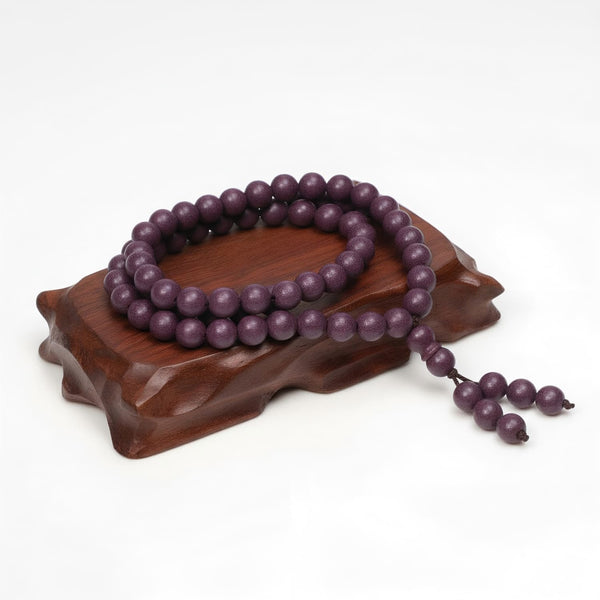
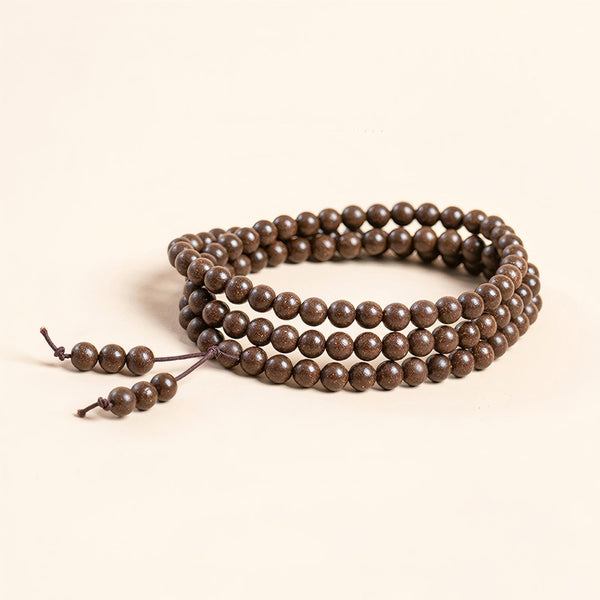
Many people in the Kenlina community have shared that grounding tools-like gently touching a bead on their herbal bracelet-help them return to their breath when fear becomes overwhelming. Not as a magic fix, but as a reminder: you can come back home to yourself, even in difficult moments.

This guide will walk you through what fear of failure is, why it feels so powerful, and how to overcome it in ways that support your mind, body, and emotional well-being.
Why Fear of Failure Feels Stronger Today?
Fear of failure has always existed-but modern life has magnified it:
- Social comparison culture creates pressure to appear perfect.
- Remote and hybrid workplaces increase performance anxiety.
- High-functioning anxiety makes "not being enough" feel unbearable.
- Metrics, evaluations, and visibility make mistakes feel public.
Recent surveys show that nearly 1 in 3 Americans experience strong fear of failure-often more than fear of embarrassment, rejection, or even ghosts.
So if you've been feeling this way, you're far from alone.
The Science Behind Fear of Failure: Your Body is Trying to Protect You
Fear of failure isn't just a thought-it's a whole-body reaction.
When you imagine failing:
- Your brain detects "danger."
- The nervous system activates fight, flight, or freeze.
- Cortisol and adrenaline spike.
- The body braces for emotional pain.
And yes-failure can feel physically painful.
Neuroscience shows that social pain activates the same brain regions as physical pain.
Your body isn't attacking you.
It's protecting you the only way it knows how.
How Fear of Failure Shows Up (Emotional, Behavioral, Physical)
Emotional signs
- Shame
- Self-doubt
- Feeling "not enough"
- Catastrophic thinking ("This will ruin everything.")
Behavioral signs
- Avoidance
- Procrastination
- Over-preparing
- Self-sabotage
Physical signs
- Racing heart
- Tight chest
- Upset stomach
- Shaking
- Difficulty breathing
- Dissociation (feeling "checked out")
If this sounds familiar, your body is doing its best to shield you from pain-not because you're weak, but because you care deeply.
Root Causes of Fear of Failure
Fear of failure doesn't appear out of nowhere. It often comes from:
Past failures or painful events
Early setbacks, criticism, rejections, or humiliating moments leave deep emotional imprints.
Perfectionism & unrealistic standards
High-achieving adults often feel:
- "I'm only worthy if I succeed."
- "If it's not perfect, it's not good enough."
Perfectionism turns every task into a high-stakes event.
Family conditioning
Growing up with high expectations or critical parents can make failure feel threatening.
Sensitivity & temperament
Highly sensitive people (HSPs) experience emotional intensity more deeply.
Anxiety predispositions
Some nervous systems activate more quickly and stay activated longer.
Understanding the root doesn't remove the fear-but it softens the shame.
Reframing Failure: What It Really Means
A powerful shift happens when we separate:
The event (something didn't go as planned)
from
The interpretation ("This means I'm worthless.")
Failure does not mean:
- You are a failure
- You are incapable
- You are falling behind
- You will never succeed
Failure simply means:
- Something didn't work yet
- You have feedback
- You have information
- You have a starting point for refinement
As we say in the Kenlina community:
"Failure is not final. It's the beginning of clarity."
What Helps You Move Through Fear of Failure?
1. Adopt a Growth Mindset (a modern approach)
Shift from:
- "I must get this right" → "I'm here to learn."
- "Mistakes define me" → "Mistakes shape me."
2. Build Micro-Confidence
Confidence doesn't come first-it comes from small, repeated steps.
Try:
- Setting tiny goals
- Celebrating effort
- Noticing emotional progress
3. Practice Self-Compassion
You don't overcome fear by being harder on yourself.
You overcome it by meeting yourself with kindness.
Ask:
- "How would I speak to a friend in this moment?"
- "Can I offer myself that same tone?"
4. Return to Beginner's Mind
You're allowed to be new.
You're allowed to stumble.
You're allowed to grow slowly.
5. Regulate the Body First - then the mind
Fear lives in the body. Calm the body, and the mind follows.
Try:
- Deep, slow exhalations
- Touching a grounding object
- Placing your hand on your heart
- Feeling both feet on the ground
Many people use tactile grounding tools-like gently rolling a bead on their Kenlina herbal bracelet-to calm their breath when fear spikes. The soft texture and natural scent offer a small but steady reminder:
"I'm here. I can breathe. I'm safe enough to try."
6. Seek support when needed
Therapists, coaches, anxiety-informed practitioners can help break patterns that feel too heavy to face alone.
Fear of Failure at Work & in Business
1. In the workplace
Fear of failure can cause:
- Hesitation
- Reduced creativity
- Silent meetings
- Overworking
- Burnout
Organizations thrive when failure is reframed as experimentation-not judgment.
2. For entrepreneurs and creators
The fear becomes amplified:
- Visibility
- Rejection
- Inconsistent results
But every successful creator or founder shares one thing:
They grew by trying again.
Real People, Real Stories
Many individuals-from artists to founders to everyday professionals-find that the turning point wasn't eliminating fear, but changing their relationship with it.
When failure becomes information instead of identity, resilience follows.
Gentle Takeaways to Carry With You
- If you don't try, the answer is already "no."
- Progress matters more than perfection.
- Mistakes don't diminish your worth.
- You can be scared and still move forward.
- Every setback contains information.
- You're allowed to go slowly.
- You're allowed to take up space.
- You're allowed to begin again.
FAQs
Q1: What actually causes fear of failure?
A: A combination of past experiences, perfectionism, sensitivity, family expectations, and nervous system patterns.
Q2: Why does failure sometimes feel physically painful?
A: The brain processes emotional and social pain in regions similar to physical pain, making failure feel like a real "sting."
Q3: Is fear of failure linked to anxiety disorders?
A: Yes. People with anxiety, high sensitivity, or high-functioning anxiety often experience stronger fear responses.
Q4: How can I stop procrastinating when I'm afraid to fail?
A: Break tasks into tiny steps, reduce the emotional stakes, and use grounding techniques to interrupt fear-driven avoidance.
Q5: Does perfectionism cause fear of failure?
A: Often, yes. Perfectionism makes any mistake feel catastrophic rather than human.
Q6: Can grounding tools help during moments of fear?
A: Absolutely. Many people find tactile objects-like Kenlina's herbal bracelets-help steady their breath and nervous system.
Q7: How do I rebuild confidence after a setback?
A: Start with small wins, reflect on lessons learned, and practice self-compassion instead of self-criticism.
Q8: Why do sensitive people fear failure more deeply?
A: Highly sensitive nervous systems process emotional stimuli more intensely, so disappointment or risk feels amplified.
Q9: How do I reframe failure in a healthy way?
A: View failure as feedback, refinement, and information for growth-not as a measure of worth.
Q10: How do I practice self-compassion when I fail?
A: Speak to yourself warmly, acknowledge the difficulty, and remind yourself that mistakes are universal.
Q11: How can I overcome fear of judgment from others?
A: Build inner validation, normalize imperfection, and ground yourself when external pressure rises.
Q12: Does fear of failure improve with time?
A: Yes-when paired with mindset shifts, nervous-system regulation, and compassionate self-practice.
A Final Word: You're Allowed to Try Again
Failure is not proof that you're not enough.
It's simply part of being human-part of learning, refining, and growing.
You can move forward gently.
You can breathe through the fear.
You can release old stories and step into something new.
And when the world feels loud or overwhelming, may you have a small touchstone-whether your breath or a grounding bracelet-to remind you:
You're safe.
You're capable.
You're becoming.
Breathe deeper. Find stillness. Carry peace.
FAQ
Q1. Why does fear of failure feel protective?
A: It tries to help you avoid disappointment, judgment, or uncertainty, even when it keeps you stuck.
Q2. What is a calmer way to face failure?
A: Lower the pressure, choose one small experiment, and let the next step teach you instead of define you.
Q3. Can grounding help fear of failure?
A: Grounding can help your body feel steadier so the next action feels less overwhelming.