





Intro

In a world that moves fast and demands even faster responses, journaling isn't just a writing habit-it's a way of coming home to yourself.
For many of us, anxiety doesn't show up as dramatic panic. It's quieter, more familiar-racing thoughts at night, tightness in the chest, a mind that refuses to settle.
Journaling offers something rare:
a place for all of that to land.

Not to be solved.
Not to be judged.
Simply to be witnessed.
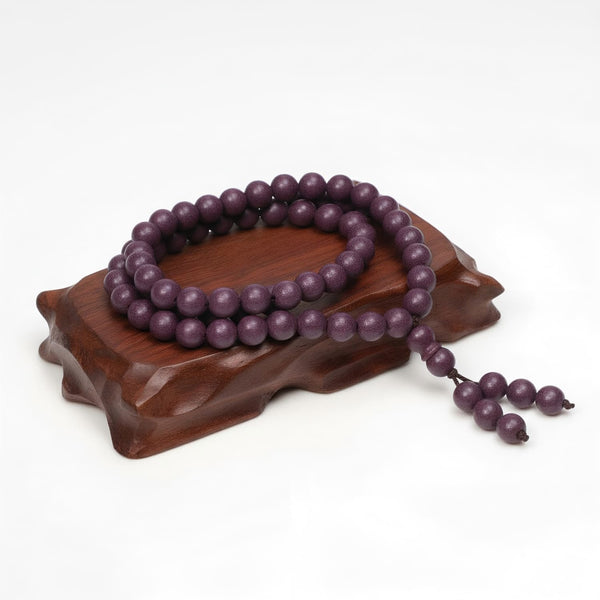
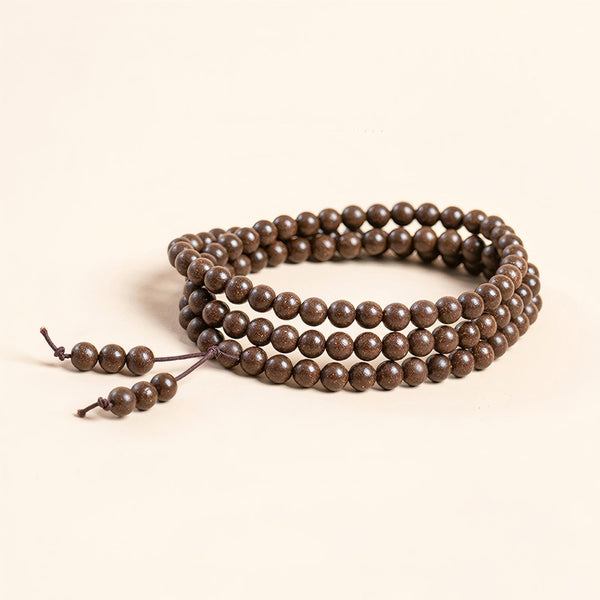
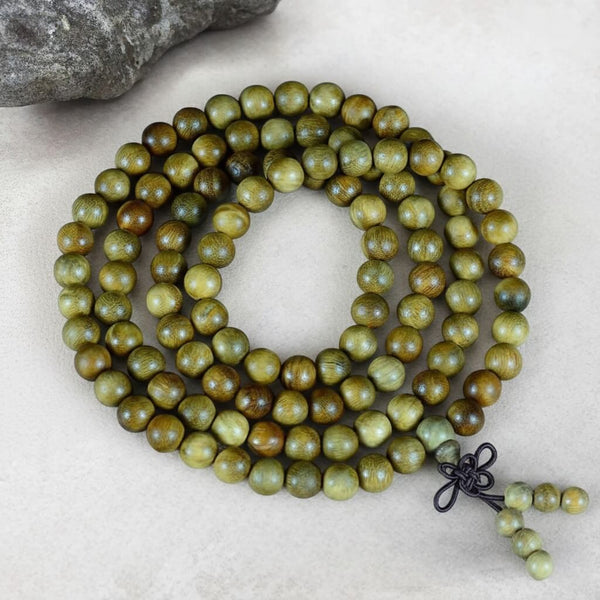
And when paired with grounding tools-like gently touching a bead on a Kenlina herbal bracelet before writing-it becomes not just a mental practice, but a full mind-body ritual that signals safety, presence, and calm.
If you've been wondering how to begin journaling for anxiety, or how to make it feel natural instead of overwhelming, this guide will show you a gentle, modern path forward.
Why Journaling Matters More Than Ever?
Anxiety has become a near-universal experience-not because we're weaker, but because our environment has changed:
- Constant digital stimulation
- Overloaded nervous systems
- Pressure to always be "on"
- Less emotional downtime
- Rising high-functioning anxiety among professionals
- A culture that values productivity over presence
Journaling cuts through the noise.
It slows your mind, softens your body, and gives you space to feel again.
In a fast world, journaling is an act of gentle rebellion.
The Science Behind Why Journaling Helps Anxiety
Journaling isn't just "writing your feelings." It's a scientifically supported tool for emotional regulation.
Research shows that journaling:
Activates the prefrontal cortex
→ the part of the brain responsible for calm, clarity, and emotional regulation.
Reduces amygdala activation
→ the brain's alarm system becomes less reactive.
Releases cognitive load
→ writing "offloads" swirling thoughts so they stop looping in your head.
Creates emotional distance
→ putting feelings into words makes them feel less overwhelming.
Boosts creativity, memory, and problem-solving
→ a clearer mind makes better decisions.
And the best part:
It works even when done imperfectly.
You don't need perfect sentences or beautiful handwriting.
You just need a moment with yourself.
How Journaling Eases Anxiety (Mind + Body)
Anxiety operates on emotional, cognitive, and physical levels.
Journaling supports all three.
1. Emotional Relief
- You release feelings instead of holding them in.
- Shame and fear lose intensity when spoken onto paper.
- You create space between "me" and "my emotion."
2. Cognitive Clarity
- Patterns become visible.
- Triggers become clearer.
- Thoughts become less chaotic when externalized.
- You can challenge distortions ("Everyone will judge me") with reality.
3. Somatic (Body) Regulation
This is where the Kenlina approach shines.
Writing:
- Slows breath
- Calms the nervous system
- Signals safety through repetitive motion
- Anchors your attention in the present moment
Many people begin journaling by touching a grounding object-like a Kenlina herbal bracelet-to steady the breath before they write. The subtle scent and texture act as a sensory cue:
"You can relax now. You're safe."
Why People Resist Journaling (and Why It's Normal)?
If journaling feels intimidating, you're not alone.
People often resist because:
- They fear facing their emotions
- It feels like "work"
- They think they need to write something profound
- They're afraid someone will read it
- They feel too anxious to start
But resistance isn't a sign that journaling won't help.
It's usually a sign that your mind needs the release.
Getting Started Gently
You don't need a perfect plan. You don't even need more than two minutes.
Start small
Try:
- One sentence
- One feeling
- One moment from today
No rules, no structure
Forget grammar. Forget clarity.
Journaling works because it's uncensored.
Pair it with grounding
Before writing:
- Take a slow exhale
- Touch a bead on your bracelet
- Notice its scent
- Let your body settle
When your body feels calmer, your mind writes more honestly.
Let the page hold what your mind cannot
That is the heart of journaling.
Create a Journaling Space That Feels Safe
The environment doesn't need to be perfect-just comforting.
Ideas:
- A quiet corner
- A cozy café
- Your bed at night
- A park bench
- A moment at the kitchen table before the house wakes
Sensory additions:
- Warm drink
- Soft blanket
- Candlelight
- Natural herbal scent
- Your Kenlina bracelet nearby
A calm environment tells your nervous system:
"You don't have to rush."
Turn Journaling Into a Ritual Instead of a Task
Consistency doesn't come from discipline-it comes from pleasure.
Try:
- Journaling at the same time each morning
- Using prompts
- Journaling every Sunday at your favorite café
- A three-breath ritual before you write
- Lighting a candle or touching your grounding bracelet
Identity shift:
"You become someone who makes time for yourself."
Make Journaling Work For You (Personalized Methods)
There is no "right" form of journaling.
Try what feels natural:
- Freewriting
- Bullet journaling
- Voice-to-text
- Digital journaling
- Destroy-after-writing journaling
Important:
You don't have to reread your entries.
The healing happens in the release, not in the archiving.
10 Gentle Journal Prompts for Anxiety
- What is my anxiety trying to protect me from today?
- What truth would my calmest self want me to remember?
- Three things I can release right now are...
- What is one thing my body needs in this moment?
- What happened today that felt heavier than I expected?
- What helped me feel even a small moment of calm recently?
- What am I carrying that isn't mine to carry?
- What do I need more of? What do I need less of?
- What would it look like to be gentle with myself today?
- What am I grateful for in this exact breath?
Use them as starting points, not assignments.
Pairing Journaling with Other Anxiety Tools
Journaling becomes even more powerful when combined with:
- Breathwork
- Hypnotherapy
- Therapy
- Medication (when appropriate)
- Somatic practices(vagus nerve regulation)
- Grounding objects
- Mindfulness or meditation
Journaling works best as part of a whole-body approach to emotional well-being.
When Journaling Isn't Enough (and That's Okay)
It's time to seek professional support if:
- Anxiety disrupts daily life
- Panic attacks increase
- You're unable to function at work or in relationships
- Journaling brings up more fear instead of relief
- You feel unsafe with your emotions
Getting support isn't failure-it's self-respect.
FAQs
Q1: How do I start journaling if I feel overwhelmed?
A: Start with one sentence or one emotion. Simplicity reduces resistance.
Q2: What if I'm afraid someone will read my journal?
A: Use a digital journal, password-protected file, or write-and-destroy entries.
Q3: How often should I journal for anxiety?
A: A few minutes a day or a few times a week is enough. Even once a week helps.
Q4: What if journaling makes me feel more emotional?
A: Strong emotions are normal. Pause, breathe, use grounding tools, then return.
Q5: Does digital journaling work as well as handwriting?
A: Yes. The healing comes from expression, not the medium.
Q6: Can journaling replace therapy?
A: Journaling is supportive, but not a replacement for professional treatment.
Q7: Can grounding objects help regulate anxiety while journaling?
A: Absolutely. Many people use tactile tools-like a Kenlina herbal bracelet-to feel steady before writing.
Q8: What if I don't know what to write?
A: Use prompts or start with "Right now, I feel..."
Q9: Should I reread my old entries?
A: Only if you want to. The process-not review-is the therapy.
Q10: How long until journaling helps my anxiety?
A: Many people feel relief immediately; deeper shifts come within weeks.
Let Journaling Be a Soft Place to Land
Journaling isn't about productivity.
It's about presence.
It's the moment your mind whispers, "Slow down."
It's the breath your body has been waiting to take.
It's the reminder that relief doesn't arrive from force-it arrives from gentleness.
Whether you write in a notebook, in your phone, or during a quiet moment before bed...
You're tending to yourself.
You're creating space for calm.
You're learning to return home, again and again.
And wherever your journaling practice takes you, may you carry a touchstone of peace along the way.
Breathe deeper. Find stillness. Carry peace.
FAQ
Q1. How can journaling become a calming ritual?
A: Keep it short, pair it with one slow breath, and write honestly without trying to solve everything at once.
Q2. Do I need to journal every day?
A: No. Journaling works best when it feels supportive and repeatable, even if that means a few quiet lines several times a week.
Q3. What should I write when my mind feels full?
A: Start with one sentence: what feels loud right now, what I need, and one small next step I can take.