




Imposter syndrome doesn't appear when you're failing.
It appears when you're growing.

It tends to show up right at the edge of a new opportunity-when you're visible, when you're stretched, when you're about to step into something bigger than before.
And even though your résumé says you're qualified, your nervous system whispers:
"Any minute now, they're going to find out I don't actually deserve this."
But here's the truth:
Imposter syndrome isn't a sign that you're not enough.
It's a sign that you're under pressure, often carrying expectations-your own or others'-that no human being could ever perfectly match.
Inside the Kenlina community, many people share a similar pattern:
On the outside they look confident, accomplished, put-together.
On the inside, they tighten, second-guess, and overanalyze every step.
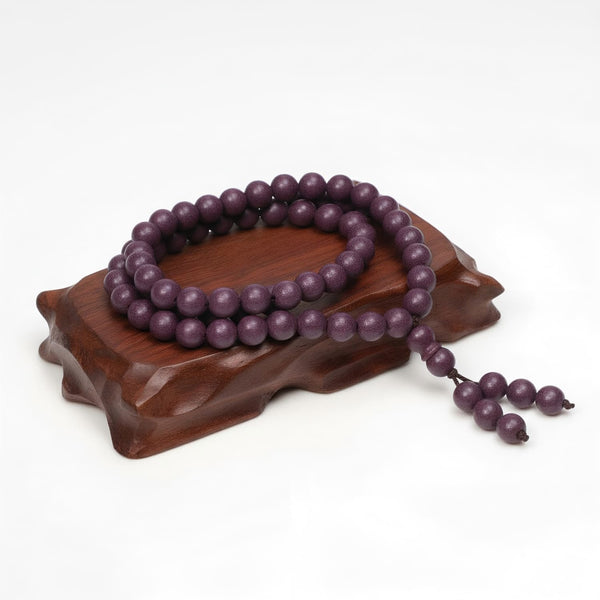
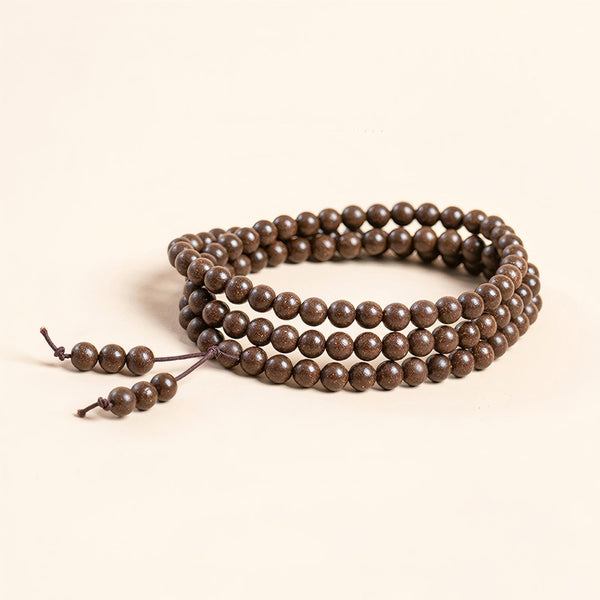
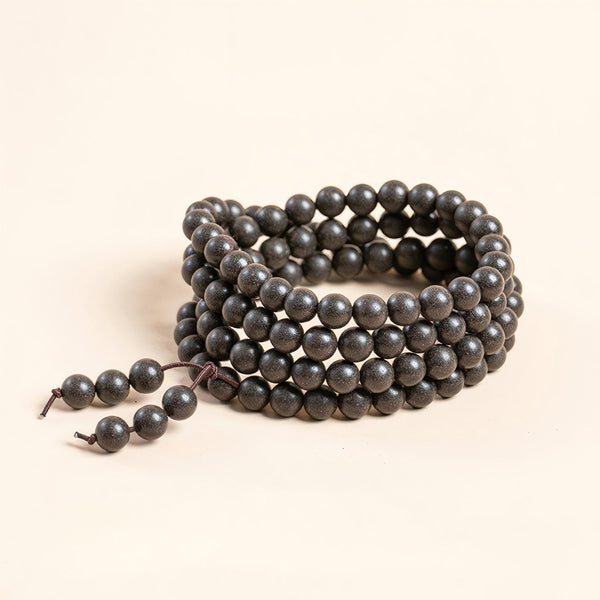
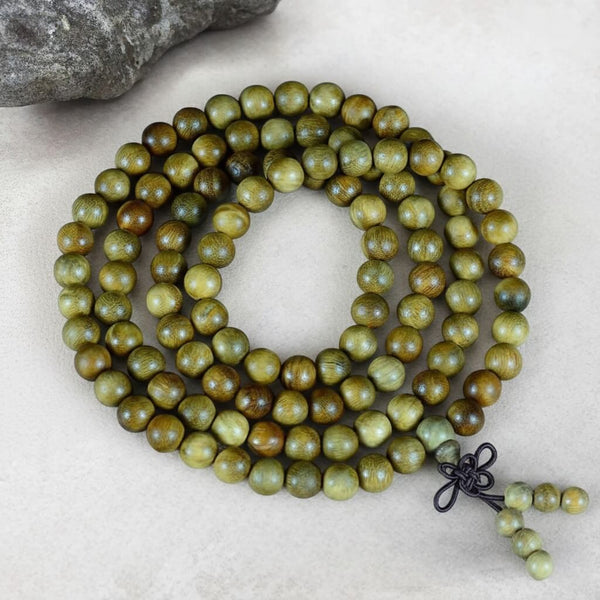
And when that anxious swirl begins, some reach for grounding tools-like gently rolling a bead on their Kenlina herbal bracelet-to take a breath and return to the present moment. It's a small reminder: I'm here. I belong. I don't have to prove anything right now.
If you're struggling with imposter syndrome at work, you're not alone. And more importantly-you're not stuck.
Let's walk through this gently, one grounded step at a time.

What Imposter Syndrome Really is?
Most people think imposter syndrome is "just" insecurity.
But in reality, it's a nervous system response-a full-body reaction to perceived threat.
Emotionally, it feels like:
- fear of being found out
- worry you're not good enough
- anxiety before performance moments
- shame around your own success
Cognitively, it sounds like:
- "I just got lucky."
- "Any minute now they'll discover the truth."
- "If I don't get this perfect, I'll be exposed."
- "Someone else could have done this better."
Physically, it shows up as:
- tight chest
- rapid heartbeat
- shallow breathing
- stomach dropping sensation
- tense shoulders
- freeze response
Your body reacts as if you're unsafe-even when you're doing something completely normal, like attending a meeting, presenting ideas, or receiving praise.
This is why imposter syndrome can't be solved by "thinking your way out of it."
The mind doubts because the body is tense.
Regulate the body → the mind becomes clearer.
That's why grounding rituals-breathing deeply, touching a calming object, noticing scent or texture-can be surprisingly powerful.
Why Imposter Syndrome Is More Common Than Ever?
If imposter feelings feel louder today, it's not just you.
Modern work has amplified them:
- Remote work reduces real-time feedback → more self-doubt
- Online comparison culture makes everyone seem more accomplished
- Hypervisibility through LinkedIn & social media intensifies pressure
- Constant performance metrics make success feel fragile
- Diversity gaps make many high achievers feel "othered"
We're living in an era where people feel both seen too much and supported too little. No wonder the mind struggles to believe it belongs.
It's Not in Your Head: Systemic Pressures Shape Imposter Syndrome
Imposter syndrome is not just a personal mindset issue.
It's deeply connected to systemic factors like:
- gender bias
- racial bias
- microaggressions
- unequal opportunities
- pay disparity
- lack of representation
Women, people of color, first-generation professionals, and individuals from underrepresented backgrounds often carry hidden emotional labor:
"There are so few people like me here-do I belong?"
Imposter syndrome isn't a flaw-it's a response to environments that weren't built for everyone to feel psychologically safe.
Who is Most Likely to Experience Imposter Syndrome?
It doesn't discriminate, but it's especially common among:
High achievers
You're always raising the bar.
Perfectionists
Anything less than flawless feels like failure.
Highly sensitive people (HSPs)
Internal experiences feel deeper, louder, more intense.
First-generation professionals
You're navigating systems without a map.
People in new roles or high-pressure fields
Growth activates vulnerability.
Women & minority groups
Social narratives amplify "not enoughness."
"Experts"
Doctors, lawyers, therapists, academics, and creatives-those expected to know everything.
If any of these feel relatable, your imposter feelings make complete sense.
How Imposter Syndrome Shows Up
Emotionally
- Feeling like a fraud
- Anxiety before visibility
- Difficulty accepting praise
- Feeling undeserving of success
Behaviorally
- Overworking to prove worth
- Procrastination from fear
- Avoiding leadership opportunities
- Over-preparing
- Downplaying achievements
Somatically (in the body)
- Tight jaw
- Clenched hands
- Nervous fidgeting
- Shallow breath
- Shoulders near the ears
Many people instinctively reach for something to hold-
a pen, a mug, a bracelet-
because touch helps regulate the nervous system.
A grounding object like a Kenlina herbal bracelet can support this moment of somatic settling.
Not for show-simply as a tactile reminder:
"I don't have to shrink to belong here."
Where Imposter Syndrome Comes From?
Early conditioning
- "Be perfect."
- "Don't disappoint."
- "Do better."
These messages grow into internal pressure.
Past failures
Emotional memories linger-even when circumstances change.
Internalized expectations
"I must know everything before I start."
Academic or workplace pressure
High stakes → constant evaluation → self-doubt.
Comparison culture
Social media displays achievement without context.
Systemic discrimination
"Not seeing people like you" becomes internalized as "I don't belong."
Nervous system memory
Your body remembers moments you felt unsafe, unseen, or inadequate.
Understanding these roots softens the shame.
You're not imagining it.
You're responding to a lifetime of messages your body learned to take seriously.
A New Way to Understand Imposter Syndrome
Instead of framing imposter syndrome as a flaw, try seeing it differently:
1. "Your self-doubt shows you care."
You want to do meaningful work.
2. "Your fear is trying to protect you, not punish you."
It's misguided safety.
3. "Your brain is still catching up to your reality."
You earned your place-but your nervous system needs time to believe it.
This shift matters.
It turns the question from:
"What's wrong with me?"
to
"What do I need to feel safe and supported right now?"
Gentle Strategies to Overcome Imposter Syndrome
These aren't "hacks."
They're grounding practices that rebuild inner safety-slowly, compassionately.
1. Name it
When the fear arises, say:
"This is an imposter moment."
Naming reduces intensity.
2. Ground your body before grounding your thoughts
Try:
- a long exhale
- lowering your shoulders
- feeling your feet against the floor
- rolling one bead of your Kenlina herbal bracelet between your fingers
When your body feels safe, your mind becomes more receptive to truth.
3. "Thanks for sharing."
A loving boundary with your inner critic:
"Thanks for your concern. I'm moving forward anyway."
4. Don't let fear drive
Borrowing Liz Gilbert's metaphor:
Fear can sit in the car.
It can buckle its seatbelt.
But it cannot touch the wheel, the map, or the radio.
You choose the direction.
5. Permission to be imperfect
You do not need to know everything to belong in the room.
You do not need flawless performance to deserve success.
Try saying:
"I'm allowed to learn as I go."
6. Embrace vulnerability
True leadership is not pretending you know everything.
It's being willing to show up sincerely.
Authenticity dissolves the "fraud" story.
7. Collect the evidence
Your brain believes what it sees often.
Create a list of:
- accomplishments
- compliments
- challenges overcome
- value you bring
Review during imposter moments as a counterbalance.
Supporting Yourself at Work
Before meetings
One grounding breath + one bead roll.
After praise
Say "thank you" and let the moment land.
During overwhelm
Pause → exhale → touch your grounding object → continue.
At the end of the day
Write one sentence acknowledging what you did well.
Small practices reshape identity.
Frequently Asked Questions
Q1: How do I know if what I'm feeling is imposter syndrome?
A: If your achievements feel unearned or you fear being "found out" despite evidence of competence, it's likely imposter syndrome-not reality.
Q2: Why do I feel imposter syndrome even when I succeed?
A: Your nervous system may be slow to internalize success, especially if you were conditioned to equate worth with perfection.
Q3: Can imposter syndrome affect high performers?
A: Absolutely. It's most common among people who care deeply about doing well.
Q4: Why is imposter syndrome more common for women and minorities?
A: Systemic bias, underrepresentation, and microaggressions create psychological pressure and feelings of "not belonging."
Q5: What's the connection between perfectionism and imposter syndrome?
A: Perfectionists set impossible standards; anything less feels like failure.
Q6: Can grounding tools really help?
A: Yes. Sensory anchors-like a herbal bracelet-help regulate anxiety by giving your body a cue of safety and presence.
Q7: Why am I overworking if I feel like an imposter?
A: Overworking is often a protective strategy: "If I outperform, maybe I'll feel worthy."
Q8: Why do I procrastinate when I feel like a fraud?
A: Fear of failing (or not meeting expectations) makes starting feel overwhelming.
Q9: Does imposter syndrome ever fully go away?
A: With grounding, reframing, and self-compassion, it becomes far quieter and easier to manage.
Q10: How do I accept praise without feeling uncomfortable?
A: Take a breath, let it land in your body, and say "thank you"-nothing more is required.
Q11: Can vulnerability help reduce imposter syndrome?
A: Yes. Being real with others creates connection, which lowers shame and fear.
Q12: When should I seek additional support?
A: When imposter feelings interfere with your work, health, or ability to rest, a therapist or coach can help.
A Final Word: You Belong Here
You didn't end up where you are by accident.
Your work, your effort, your resilience, your quiet persistence brought you here.
You deserve spaces where you feel safe.
You deserve roles that honor your talent.
You deserve to breathe without tightening your chest.
And you deserve to trust the truth:
You are not a fraud.
You are becoming.
In moments of doubt, may you have something-your breath, a calming ritual, or a grounding bracelet-to remind you of your own strength and presence.
Breathe deeper. Find stillness. Carry peace.
FAQ
Q1. What is imposter syndrome at work?
A: It is the feeling that your success is undeserved or fragile, even when your effort and experience say otherwise.
Q2. How can I respond when self-doubt appears?
A: Pause, breathe, name one piece of evidence that you belong, and choose the next small action instead of arguing with every thought.
Q3. Can a ritual remove imposter syndrome completely?
A: No. A ritual can support steadier self-trust, but persistent distress may need deeper support, mentoring, or professional guidance.