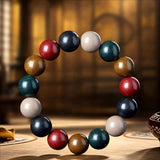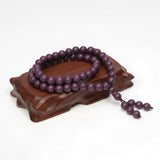


Direct answer: How He-Xiang incense is made depends on the exact source, period, formula, material form, and maker. Historical records may describe identifying aromatics, preparing them, combining measured amounts, and producing powders, pastes, pellets, sachets, or material for burning. There is no single universal He-Xiang process, and those records do not prove how a current Kenlina bead is manufactured.
This article explains process categories and evidence boundaries. It is not a home manufacturing recipe, a safety approval, or a disclosure of a Kenlina workshop formula.
How He-Xiang Incense Is Made
A source-aware process begins before mixing. The researcher identifies the text, edition, date, material names, quantities, and verbs. Only then can the steps be grouped into material selection, preparation, proportioning, combining, binding or forming when explicitly recorded, drying or resting, storage, and the documented form of use.
The sequence is not fixed across all texts. Some records concern loose aromatics for burning. Others concern powders, pastes, pills, pellets, sachets, coatings, or fragranced objects. “He-Xiang” describes combination, not one standardized bead production line.
What Do Early Sources Actually Establish?
A 2024 peer-reviewed study by Linda Rui Feng records that Hexiang fang, a work associated with Fan Ye in the Six Dynasties period, is lost except for a short excerpt. That is evidence that recipe books for combining aromatics circulated. It is not enough to reconstruct the complete work or a modern process.
More complete incense treatises survive from the Song period. The text transmitted as Xiang pu includes material, anecdotal, and method sections, while its authorship and compilation history require caution. Each claimed step should cite a specific entry rather than treating the whole tradition as one formula.

How Are Aromatic Materials Identified?
Start with the original historical term. Record the Chinese characters, romanization, proposed modern equivalent, trade context, and confidence. Aromatic woods, resins, spices, flowers, animal-derived substances, and prepared compounds can have shifting names. A modern English label may hide species, origin, grade, or processing differences.
Historical scholarship shows that imported aromatics played an important role in medieval Chinese scent culture. That does not make every ingredient foreign, nor does it prove the origin of a modern product. The current Materials and Scent Glossary should remain separate from uncertain historical identifications.
What Does Material Preparation Mean?
Preparation can include only the actions explicitly stated in a source. A text might describe cutting, grinding, sieving, soaking, heating, coating, or otherwise treating a material. If a duration, temperature, solvent, tool, or safety step is absent, it remains unknown.
Do not turn a general verb into a detailed modern process. Do not assume that two materials with similar names receive the same treatment. Historical preparation may also reflect a use, technology, or safety context that does not transfer to a wearable product.
How Are Materials Combined?
When proportions survive, preserve their relationship and measurement system before converting anything. Note whether the text uses equal parts, relative amounts, a batch weight, or an imprecise instruction. If a source is quoted in a later compilation, record that transmission layer.
One blended-incense example discussed in current scholarship lists several aromatics in different amounts. It demonstrates that a historical formula could be specific. It does not establish a universal He-Xiang base or authorize substitutions.
Does Every Formula Use a Binder or Become a Bead?
No. A binder or forming method must be named or directly supported. Some aromatic mixtures were burned loose, placed in sachets, applied to objects, made into other forms, or used in contexts unrelated to jewelry. A historical text lead mentions small fragrant pellets, but the wording, material list, forming verb, and intended use require image-level verification before a strong public claim.
Kenlina's article on the product-specific no-glue statement must not be generalized to all historical incense or all makers. “No added glue” does not prove chemical-free, hypoallergenic, sustainable, edible, medicinal, or superior.
What Happens After Forming?
Drying, resting, finishing, sorting, drilling, stringing, and storage are separate steps only when they apply to the documented product form. A general modern overview belongs to How Herbal Incense Beads Are Made. This He-Xiang article is narrower: it asks what a historical or maker-specific source actually proves.
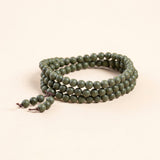
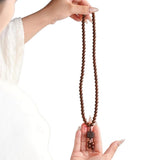
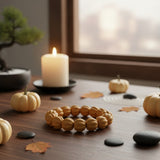
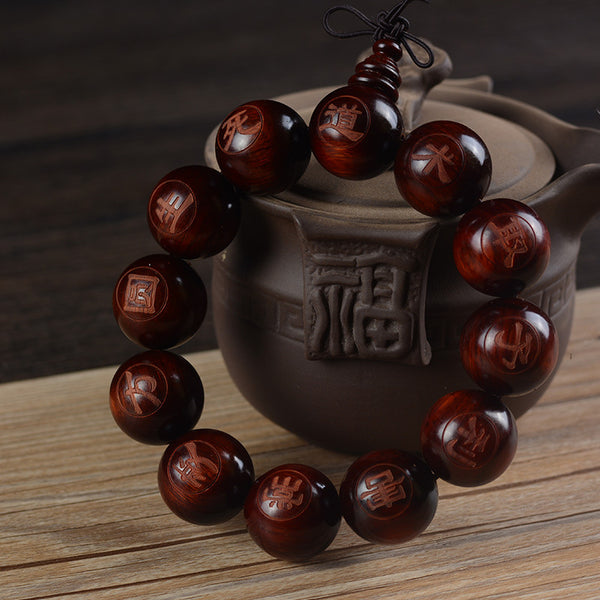
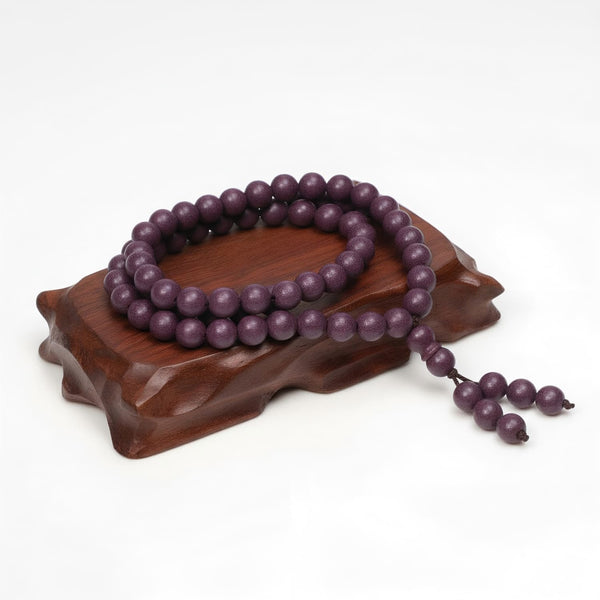
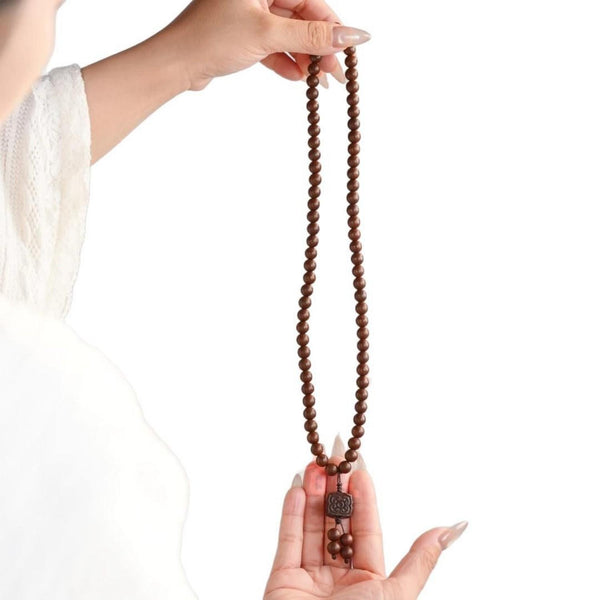
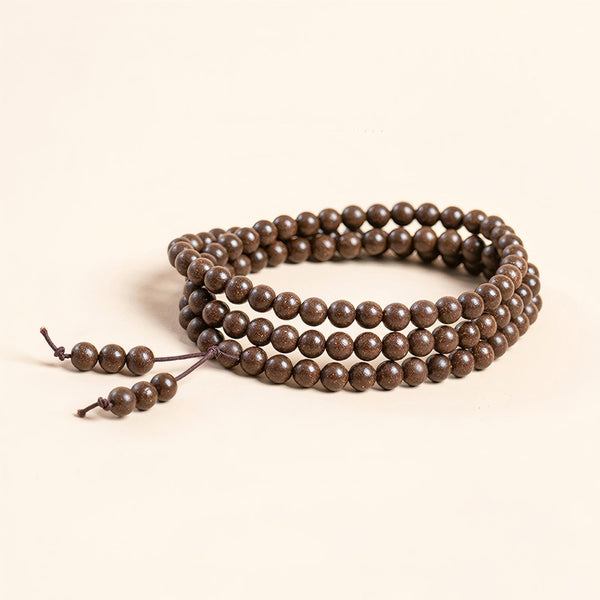
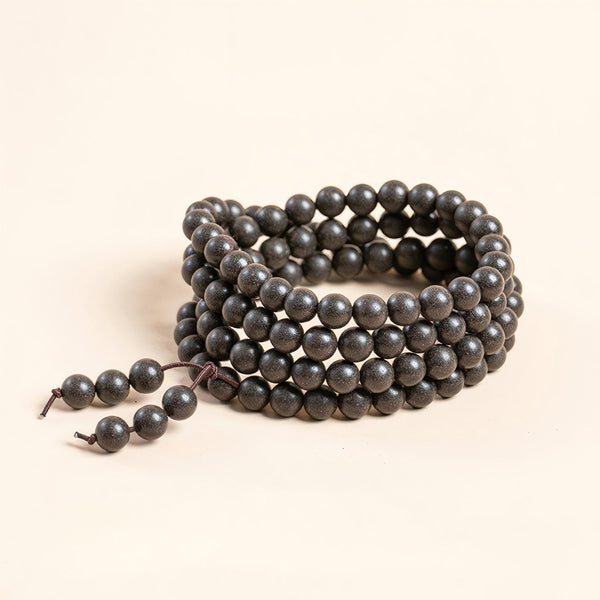
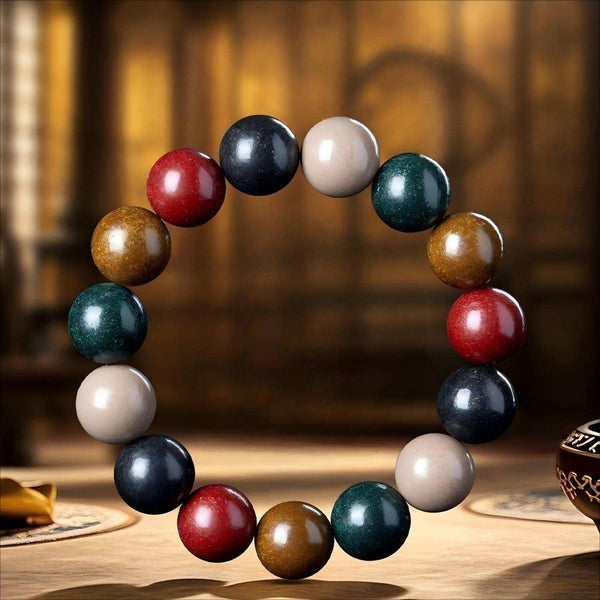
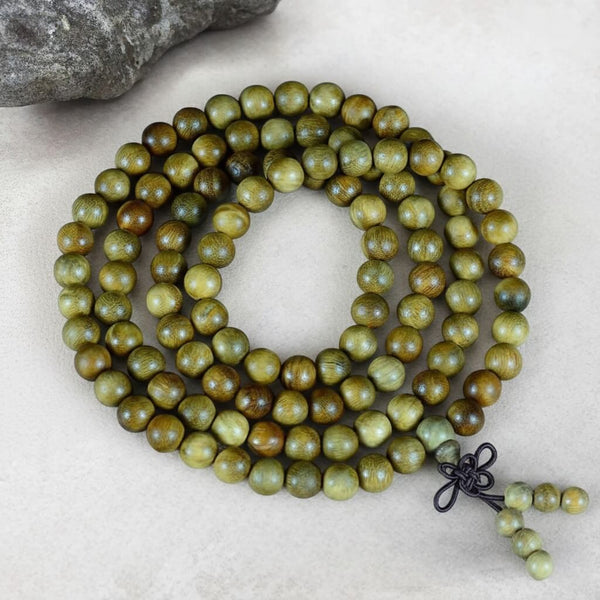
For a finished wearable strand, customers can inspect current bead form, visible surface, color variation, strand construction, scent at inspection, and condition. Those observations cannot reveal every ingredient, binder, age, origin, workshop, safety property, or lineage.

How Does This Relate to Kenlina Products?
The relationship is limited. The current Ancient/Auspicious Dawn listing owns the reviewed product name, variants, price, availability, disclosed specifications, scent wording, and care. Kenlina has not confirmed that the bracelet reproduces a named historical formula or the steps in a specific old text.
Use the He-Xiang beads explainer for the term, and the guide on reading a traditional Chinese incense formula for the source method. For a purchase, check the current product facts.
Frequently Asked Questions
Q1. Is there one standard He-Xiang recipe?
A: No. Sources, periods, materials, proportions, forms, and makers vary.
Q2. Were all historical blends made into beads?
A: No. Historical aromatics appeared in several forms and contexts; bead forming must be proven for the exact record.
Q3. Can a photo reveal the ingredient list?
A: No. A photo can document visible form, color, texture, and condition, not a complete formula.
Q4. Does Kenlina use a documented ancient formula?
A: Kenlina has not confirmed a direct match to a named historical formula. Do not infer one from the product name.
Q5. Does historical incense use prove health or spiritual effects?
A: No. Historical use is not modern clinical evidence or a product guarantee.
Next step: Compare the historical evidence with the Product Facts and Buying Checklist, then choose only from current verified product information.