




Bracelet Care and Materials
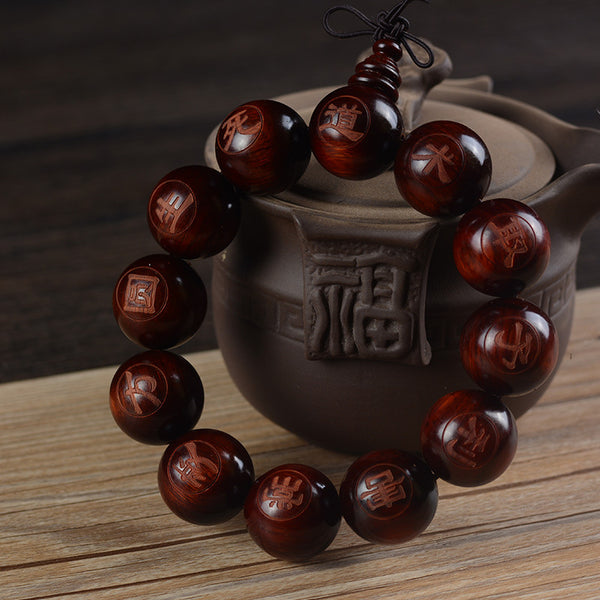
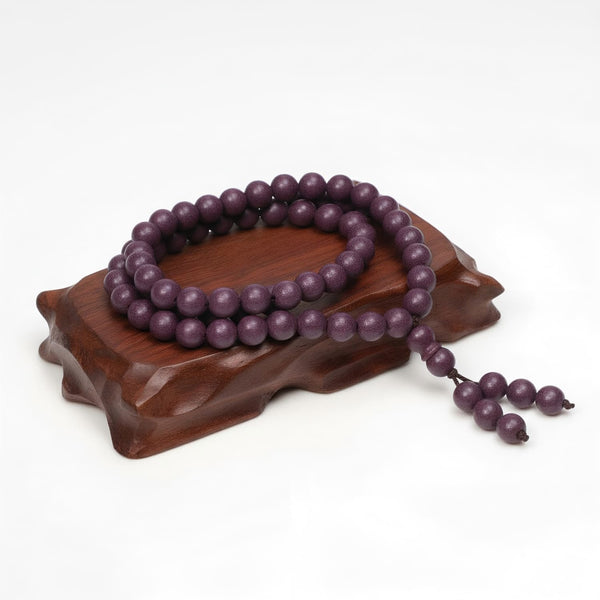
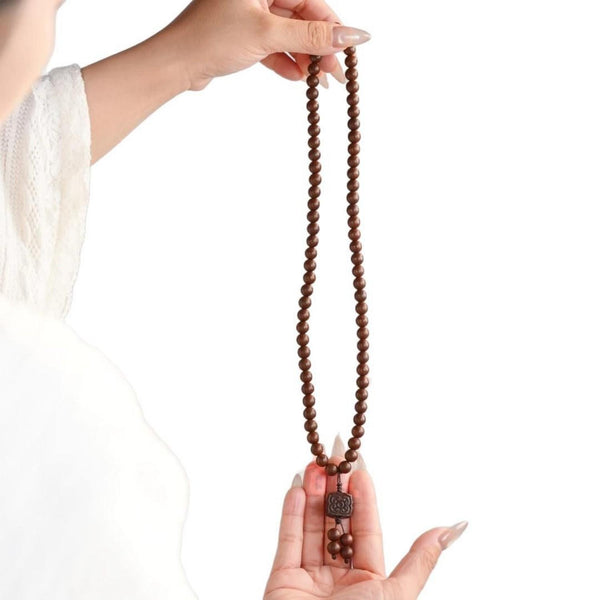
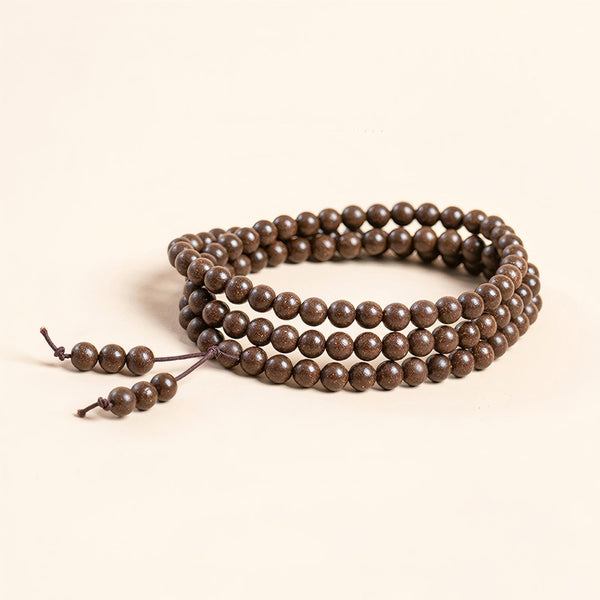
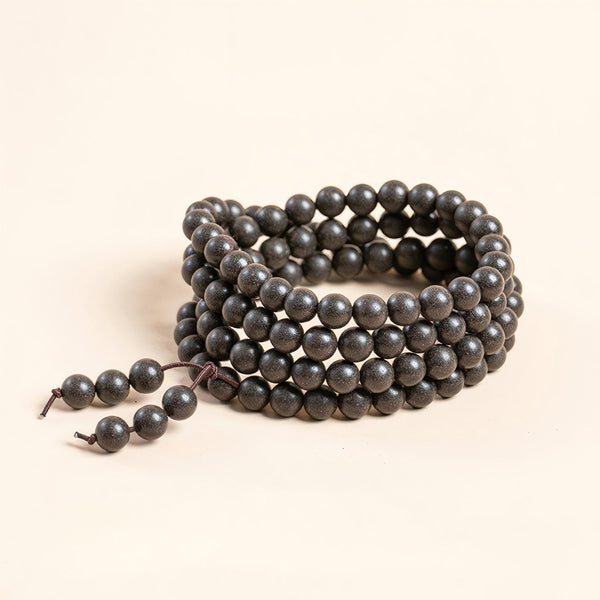
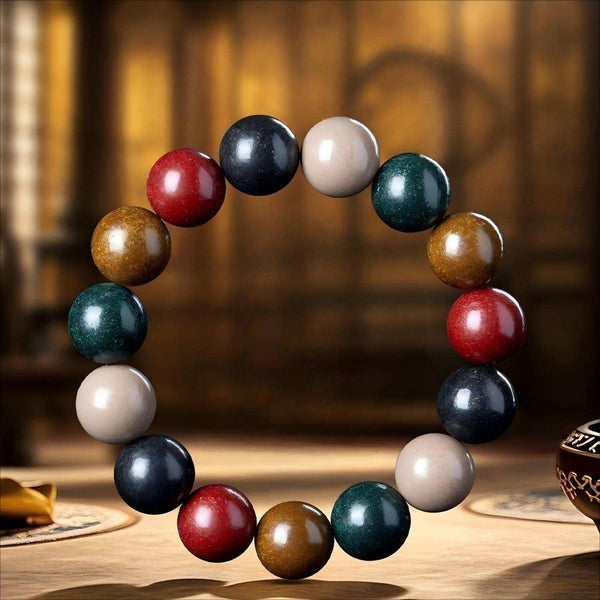
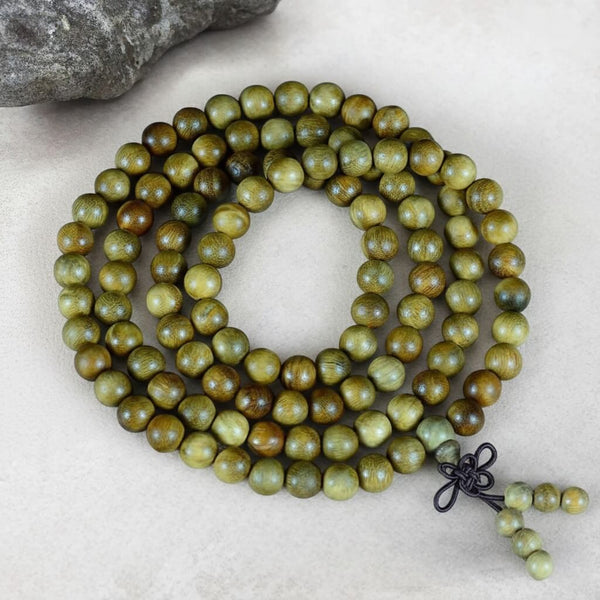
This bracelet care and materials guide helps you keep natural bead jewelry dry, clean, comfortably fitted, and stored away from products that can change its surface, cord, or scent. Herbal incense beads, sandalwood-style beads, wood beads, elastic bracelets, and longer mala strands do not all behave identically, so follow the exact product page when it gives a more specific instruction.
Kenlina jewelry is not waterproof and is not a medical tool. The practical baseline is simple: remove it before soaking or heavy friction, avoid direct perfume and cleaners, let surface moisture dissipate, and store it dry.

Bracelet Care by Material and Situation
- Herbal incense beads: keep dry and do not add fragrance oil unless the exact product instructions approve it.
- Sandalwood and wood beads: avoid soaking, harsh cleaners, and abrasive polishing.
- Elastic bracelets: avoid stretching the strand flat or leaving it under tension.
- Mala strands: move beads gently and store the longer strand where it will not catch or tangle.
What to Do Around Water and Sweat
Remove natural bead jewelry before showering, swimming, washing dishes, or heavy workouts. If moisture reaches the beads, blot gently and let the piece dry away from direct heat. Use the herbal incense bead water-care guide for the full response.
How to Store Bracelets and Preserve Scent
Use a clean, dry pouch, tray, or jewelry box away from bathroom humidity, hot cars, and long direct sunlight. The storage guide covers daily and travel storage. The scent-longevity guide explains why natural scent should not be treated as permanent perfume.

How Bead Size and Fit Change Daily Wear
A bracelet that is too tight can create pressure; one that is too loose may catch or move during typing and travel. Read the bead-size and comfort guide, then confirm the visible size options on the exact product page.
Bracelet Care Topic Library
- Seven care mistakes - a quick post-purchase checklist.
- Water and sweat care - what to do before handwashing and after accidental moisture.
- Storage - dry handling, pouches, travel, and heat boundaries.
- Scent preservation - realistic expectations for natural scent.
- Sandalwood versus herbal incense beads - compare feel, scent, and handling.
- Bead size and comfort - choose the fit before daily wear.
Bracelet Care Decision Tree: Water, Humidity, Travel, and Cord Wear
Start by identifying what happened, stop adding moisture or fragrance, and check the product's current material and care facts. If the material, finish, cord, or safe treatment is unknown, use the least invasive response: remove the piece, blot only if needed, let it rest in a dry ventilated place, and ask before cleaning, oiling, soaking, heating, or restringing.
If the Bracelet Gets Wet or Sweaty
Remove it and gently blot surface moisture with a clean, dry, soft cloth when current care guidance permits. Do not soak, scrub, heat, or add cleaner. Check for color transfer, surface change, odor change, loose components, or stretched cord. Follow the detailed water-care guide.
If Storage Feels Humid or Damp
Move the product to a dry, ventilated place away from direct heat and sunlight. Do not seal a damp item in plastic or add perfume or oil to cover an odor. Check the humidity guide without inventing a universal humidity threshold.
If Perfume, Essential Oil, or Cosmetics Touch the Beads
Stop the exposure and separate the bracelet from the product. Do not add more fragrance, solvent, soap, or oil. Inspect for finish change, staining, swelling, or scent alteration, then compare the product formats in the incense beads vs diffuser jewelry guide.
If You Are Packing for Travel
Use a clean, dry pouch and separate the bracelet from liquids, cosmetics, keys, and abrasive objects. Do not compress an unknown cord or pack a damp strand. Use the travel-care guide for the full packing sequence.
If the Cord Looks Worn or Breaks
Stop wearing the bracelet and collect loose beads in a clean container. Do not continue wearing a frayed or stretched cord, and do not assume one repair method fits every construction. Check the cord-care and restringing guide.
If You Are Storing the Bracelet
Store it clean and dry, separated from liquids, perfume, essential oil, harsh cleaners, and abrasion. Do not assume airtight or open storage is correct for every material. Read the storage guide and follow product-specific guidance.
| Situation | First response | Do not assume |
|---|---|---|
| Water or sweat | Remove, minimally blot, passive dry. | Soaking, heat, or cleaner is safe. |
| Humidity | Move to a dry, ventilated place. | Sealed damp storage is safe. |
| Perfume or oil | Stop exposure and inspect. | Added scent restores the product. |
| Travel | Use a dry pouch; separate from liquids and abrasion. | Compression is harmless. |
| Cord wear | Stop wearing and contain loose beads. | One repair fits every cord. |
Before buying, review the product-facts checklist and materials and scent glossary after those pages are public. To compare current products, browse the Natural Herbal Incense Bracelets collection.
Choose the Right Product Before Care Becomes a Problem
Use the incense bracelet Selector before buying. Then compare the Natural Herbal Incense Bracelets collection.
FAQ
Q1. Can I shower with a natural bead bracelet?
A: Remove it before showering, swimming, or washing dishes.
Q2. Can I put essential oil on herbal incense beads?
A: Do not add oil unless the exact product instructions say it is safe.
Q3. How should I clean a Kenlina bracelet?
A: Use a soft dry cloth for routine care and avoid soaking or harsh cleaners.
Q4. Is normal color or scent change always damage?
A: No. Natural-looking materials can change with age, wear, light, and storage, but inspect the strand if the surface or cord is physically damaged.