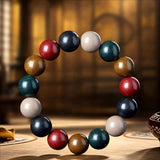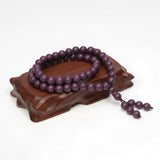



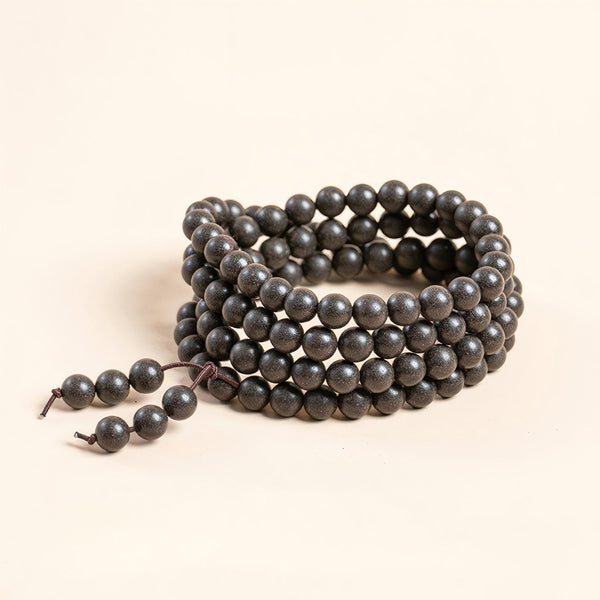
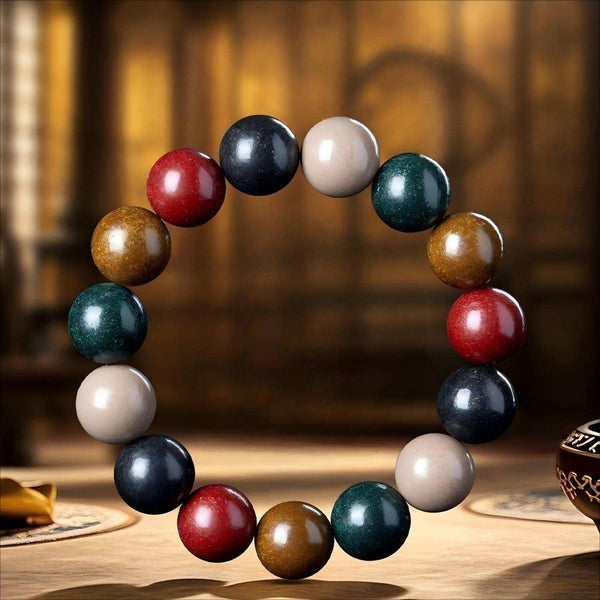
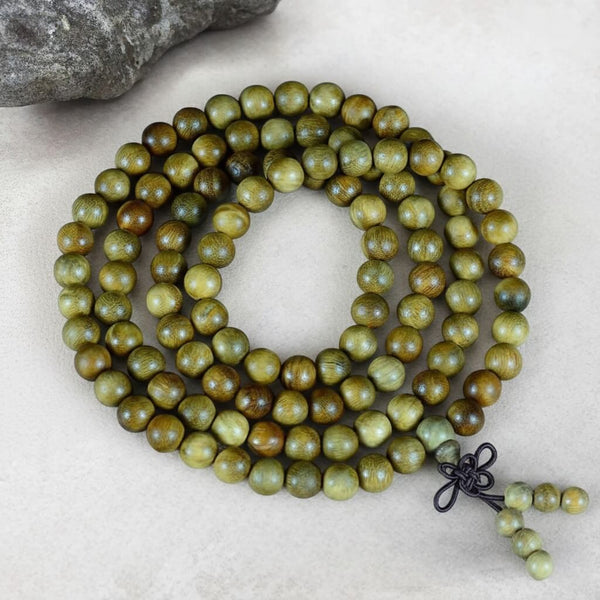
Short answer: To learn how to read bracelet product reviews, check nine things: the review source, exact product and variant, fit details, original photos, timing, reviewer history, incentives, repeated wording, and agreement with the current listing. Reviews add experience, but they do not prove materials, healing, sustainability, authenticity, or results for every buyer.
Use How to Choose an Incense Bracelet as the decision framework. Reviews should support questions about an exact item, not replace product specifications and seller policies.

How to Read Bracelet Product Reviews
- Identify the platform. Know whether the review appears on the seller's site, a marketplace, social media, or an independent source.
- Match the exact product. Confirm the handle, selected size, color, count, material wording, and date.
- Look for usable fit detail. Wrist measurement and selected option are more useful than "fits perfectly."
- Compare customer images carefully. Check whether they show the same variant and whether lighting or filters change color.
- Check recency. An older review may describe a former option, price, construction, policy, or product name.
- Review account context. A history of varied, specific reviews provides more context than one unexplained post.
- Notice incentives. Look for labels that disclose free products, discounts, sponsorship, or another connection.
- Watch patterns, not just stars. Repeated wording, sudden bursts, or many vague claims deserve caution.
- Return to seller facts. Use the current page for dimensions, variants, care, price, availability, shipping, and returns.
Start with the Source and Relationship
The U.S. Federal Trade Commission advises consumers to consider the source, use a variety of sources, check recency and reviewer history, and notice whether a reviewer received an incentive. Its public guide, How To Evaluate Online Reviews, also warns that appearance alone may not reliably distinguish a real review from a fake one.
A seller-hosted review can still describe a real purchase, but the platform relationship should remain visible. Do not treat a testimonial in brand-controlled content as an independent laboratory test, certification, historical source, or medical authority.
Match the Review to the Exact Variant
A bracelet page may contain several circumferences, bead sizes, colors, counts, or construction options. A review about one variant does not automatically describe all of them. Look for the order date, selected option, measurements, and an image that can be matched to the current page.
Natural color and scent variation can explain some differences, but it does not remove the need to identify the correct product. When a page has changed, ask the seller whether the reviewed version is still offered.

Prefer Specific Experience over Outcome Language
Useful review details include wrist measurement, selected size, bead diameter, strand feel, closure use, color in ordinary light, scent at a stated distance, packaging, shipping experience, and care over a stated period. These observations still belong to that reviewer, but another buyer can compare them with known facts.
Statements about curing anxiety, depression, insomnia, pain, fatigue, or another condition are not reliable product evidence. Neither are guarantees of calm, focus, energy, luck, protection, spiritual change, or relationship improvement. A personal story does not establish a universal outcome.
Read Positive and Negative Reviews with the Same Method
A five-star rating can be vague or manipulated, and a one-star rating can describe shipping, wrong sizing, personal scent preference, or a different seller. Separate the issue into product, variant, expectation, fulfillment, service, and policy. Look for repeated specific patterns across dates and sources.
Do not assume that unusual grammar, emotional tone, or a less-than-perfect rating proves authenticity or deception. The FTC notes that fake reviews can be positive or negative and may be difficult to identify by appearance alone.
Check Photos Without Treating Them as Specifications
Customer photos may help show scale and variation, but lighting, camera processing, crop, filters, wrist size, and nearby colors affect appearance. Confirm written dimensions and the selected option. A lifestyle image cannot prove internal composition, ingredient formula, origin, age, certification, sustainability, or health effect.
Reverse-image questions or repeated photos may deserve follow-up, but a visual clue is not a final fraud determination. Use seller contact and platform reporting tools when evidence is unclear.
Return to Current Product and Care Facts
Read the current title, option, price, images, description, care guidance, shipping, return, and exchange terms immediately before payment. Save the product URL and selected option. The Bracelet Care and Materials Guide helps test whether review claims match realistic care.
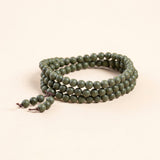
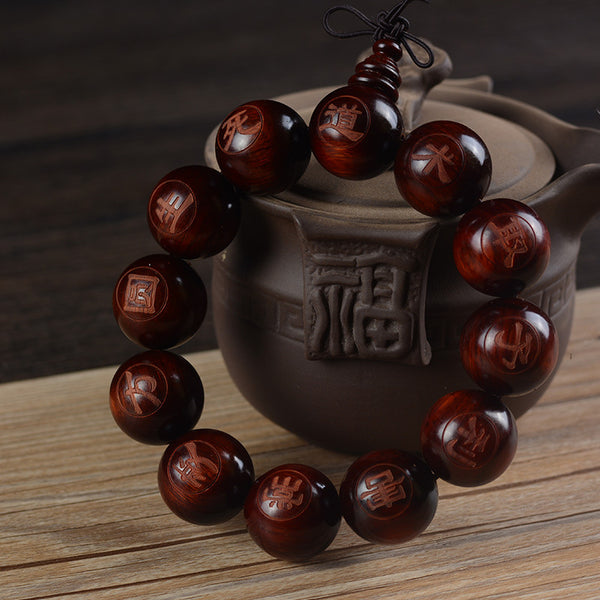
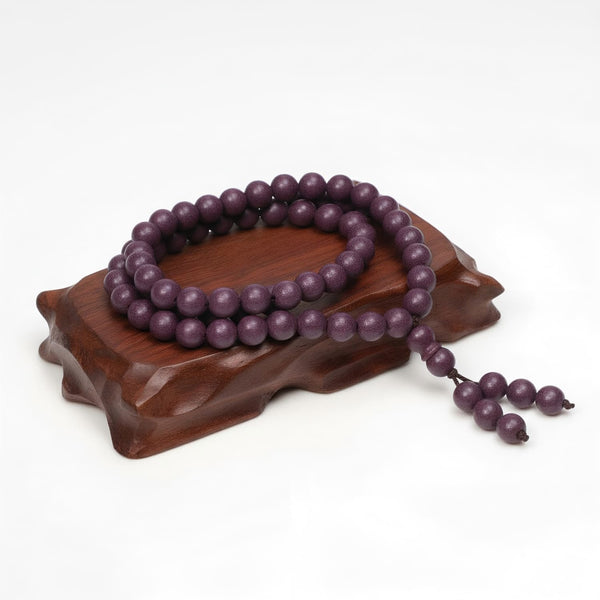
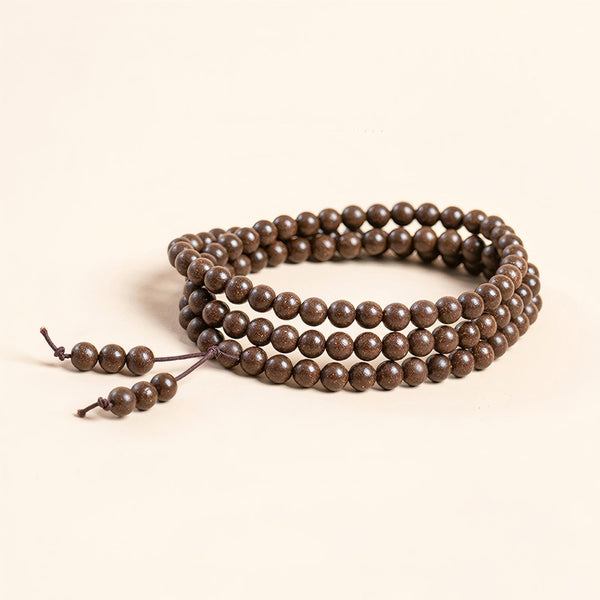
Compare current products in the Natural Herbal Incense Bracelets collection. The Ancient Herbal Incense Beads page is one exact commercial example. Verify its current facts instead of expanding the product name into a historical promise.
The bracelet gift note guide keeps testimonials out of gift claims. The office care checklist supplies a real use case. For recipient context, use the Mindful Jewelry Gift Guide.
Frequently Asked Questions
Q1: Can I trust a bracelet's star rating?
A: Do not use stars alone. Check sources, dates, variants, specific details, reviewer context, incentives, and current listing facts.
Q2: Are customer photos proof of materials?
A: No. Photos can show appearance and scale but cannot verify internal composition, origin, certification, or health claims.
Q3: Does a verified-purchase label prove every claim?
A: It may add transaction context, but the review remains one person's experience and does not prove universal outcomes.
Q4: What review details help with bracelet fit?
A: Look for wrist measurement, selected size, bead diameter, construction, preferred ease, and photos of the same variant.
Q5: Can reviews prove that a bracelet relieves anxiety?
A: No. Testimonials do not establish medical efficacy, and Kenlina does not make that treatment claim.