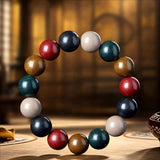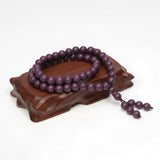

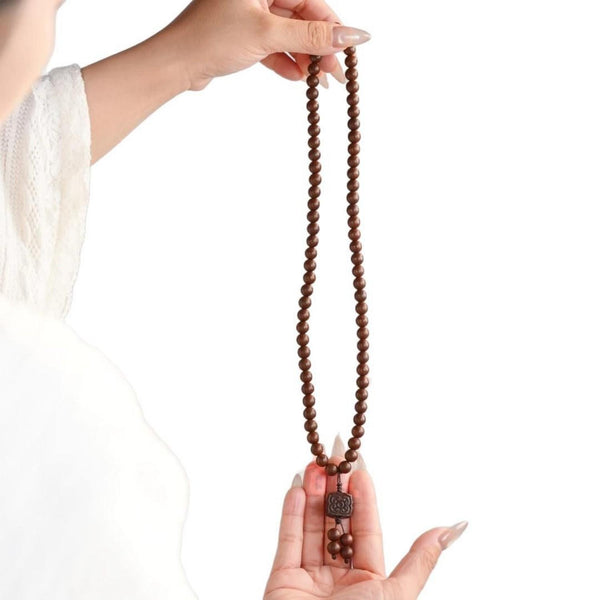

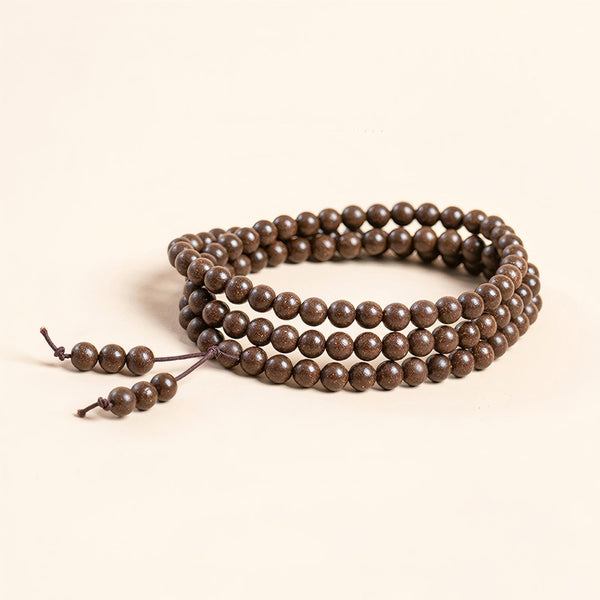
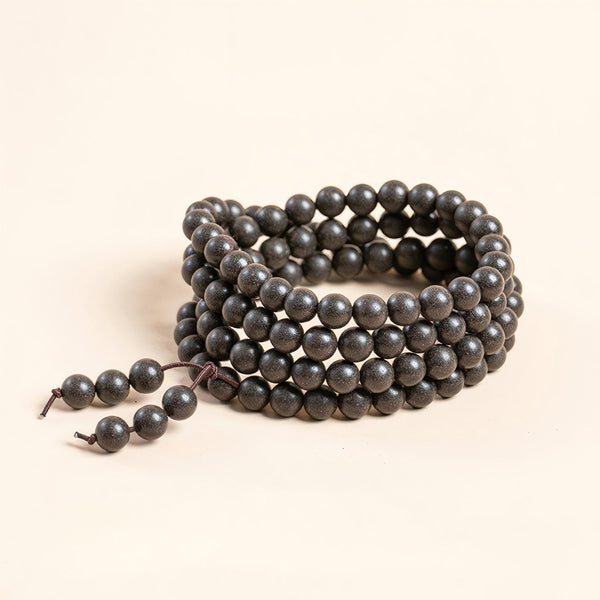
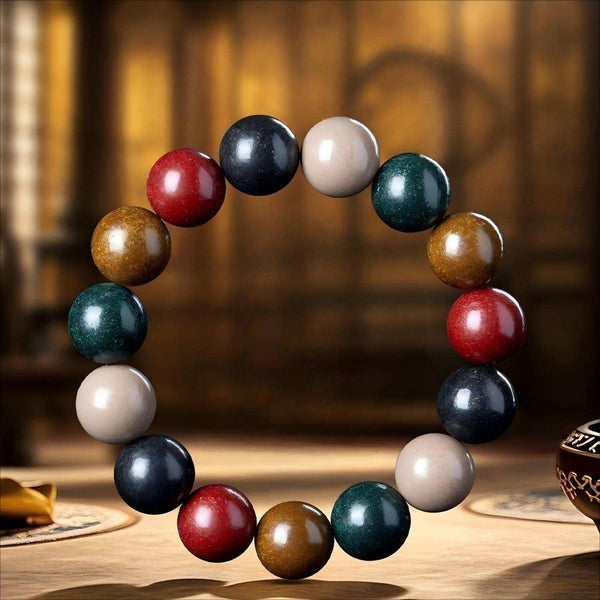
Short answer: To learn how to evaluate eco-friendly jewelry claims, replace broad words such as "green," "planet-friendly," or "sustainable" with questions about a specific product attribute. Ask what material, percentage, process, package component, certification, comparison, and life-cycle boundary the claim covers. If a seller cannot provide that scope and evidence, treat the claim as unverified rather than assuming that a botanical-looking or natural-looking bead is environmentally better.
This page corrects the old idea that botanical beads are automatically better for the planet. Kenlina does not have evidence to make that blanket comparison. A plant association, brown color, wood-like surface, handmade appearance, or reusable bracelet format is not enough to prove lower overall environmental impact.
The U.S. Federal Trade Commission's Green Guides summary advises marketers not to make broad, unqualified environmental benefit claims and to state specific benefits clearly. This article applies that evidence-first principle to jewelry shopping; it is not legal advice or a certification of any Kenlina product.

How to Evaluate Eco-Friendly Jewelry Claims
- Identify the exact attribute being claimed.
- Check whether the claim applies to the product, one component, or the packaging.
- Look for a measurable amount, source, comparison, or certification basis.
- Ask what important trade-offs or exclusions are not covered.
- Confirm that the evidence applies to the exact item you are considering.
A statement such as "contains 30% verified recycled metal in the clasp" is more testable than "earth-friendly bracelet." Specific wording still needs evidence, but at least it tells the customer what to verify.
Separate Product Claims from Packaging Claims
A recyclable paper box does not make every component of the jewelry recyclable. A reusable pouch does not prove that the bead material has a lower life-cycle impact. Sellers should say whether a claim refers to the bracelet, cord, clasp, insert, pouch, shipping box, or another defined part.
Customers should also consider local conditions. A material that is technically recyclable may not be accepted by nearby programs, and a package marketed as compostable requires evidence about where and how it can actually be composted.
Do Not Treat Natural-Looking as Proven Better
"Natural," "botanical," "wood," and "plant-based" describe different ideas and do not automatically establish sourcing, renewability, biodegradability, non-toxicity, lower emissions, or responsible labor. A finished bracelet also includes strand material, hardware, coatings, packaging, transport, and expected use.
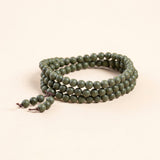
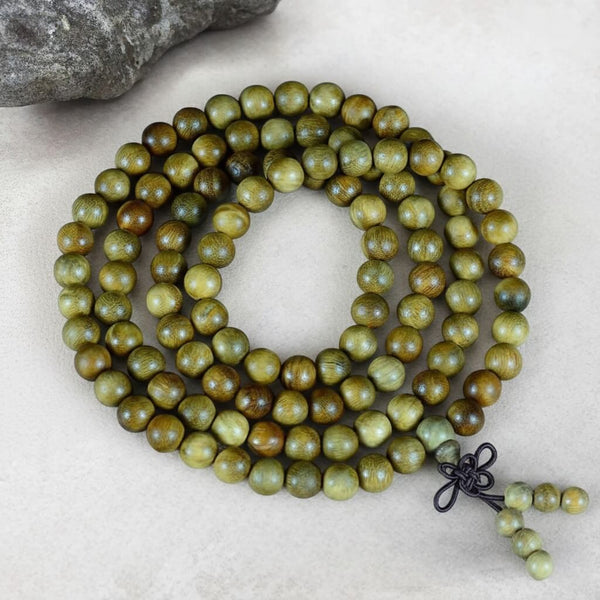
For Kenlina products, rely on the specific facts currently disclosed in each listing. The Green Sandalwood Beaded Bracelet is one product example, not proof of a category-wide environmental advantage.
Ask for Process Evidence Without Guessing
Product process articles can improve transparency when they distinguish verified facts from general craft explanation. Read how herbal incense beads are made and why Kenlina does not use glue for examples of limited process wording.
Neither article proves a complete environmental benefit. A process detail should be evaluated for what it actually establishes, not expanded into a claim about the entire product or planet.
Good evidence also has a date and a defined owner. A supplier statement, laboratory result, certification, or internal calculation may become outdated when materials, factories, packaging, or standards change. Check whether the evidence identifies the current product and whether an independent organization, supplier, or seller is responsible for it.
When evidence is incomplete, accurate language matters. "We have not verified this attribute" is more useful than a broad positive guess. Customers can still compare fit, disclosed materials, construction, care, and design without turning an unknown environmental question into a negative or positive claim.

Consider Durability and Care Without Overclaiming
Longer use may be relevant to a customer's buying decision, but durability depends on materials, construction, wear, storage, and repair options. Do not claim that a bracelet lasts longer or creates less waste without a defined comparison and evidence.
The Bracelet Care and Materials Guide explains practical care. Following care instructions can support intended use, but it does not make a product environmentally harmless.
Use Environmental Claims in a Buying Decision
Start with fit, material disclosure, scent preference, construction, and care. Then review any environmental claim as an additional evidence question. The incense bracelet selector keeps the physical decision separate from marketing language.
For gifting, the Mindful Jewelry Gift Guide helps match the item to the recipient without relying on broad green or wellness promises.
Compare Current Products by Verified Facts
Browse the Natural Herbal Incense Bracelets collection. Open the individual listing and distinguish what is documented from what remains unknown.
Frequently Asked Questions
Does botanical jewelry automatically have a lower environmental impact?
A: No. That conclusion requires evidence covering materials, production, packaging, transport, use, and the comparison being made.
Is "eco-friendly" a useful jewelry claim?
A: It is too broad without clear qualification. Look for the specific product attribute and evidence behind it.
Does recyclable packaging make the bracelet sustainable?
A: No. A packaging claim applies to the identified package component, not automatically to the jewelry.
Can a seller use a certification logo as proof?
A: Check who issued it, what it covers, the standard used, and whether the exact product is included. A logo without scope is not enough.
What should I do when a claim cannot be verified?
A: Treat it as unknown, compare the product using facts that are available, and avoid repeating the claim as established truth.
Next step: Use the FTC evidence questions, then compare current bracelet listings by fit, materials, care, and specifically documented attributes in the bracelet collection.