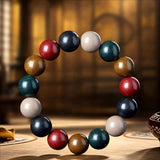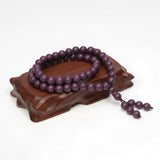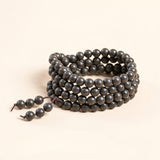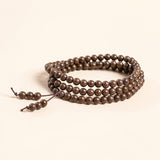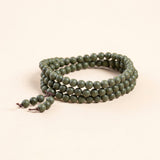
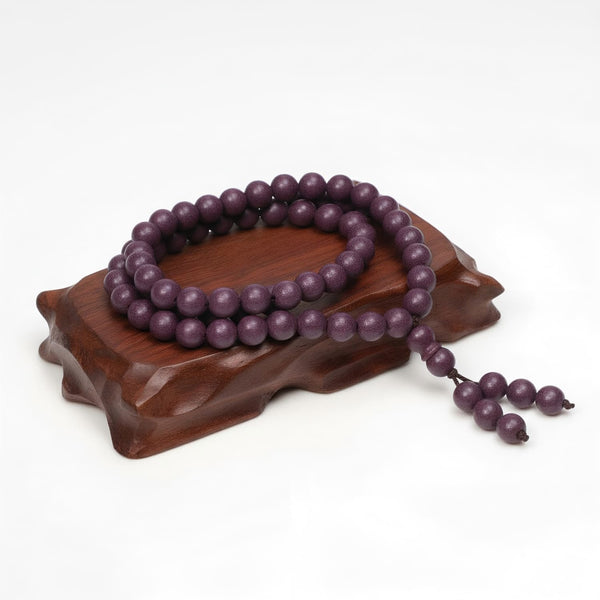

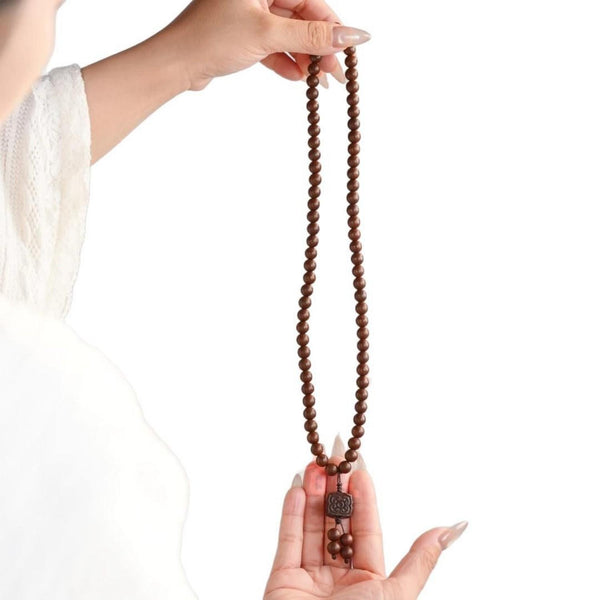

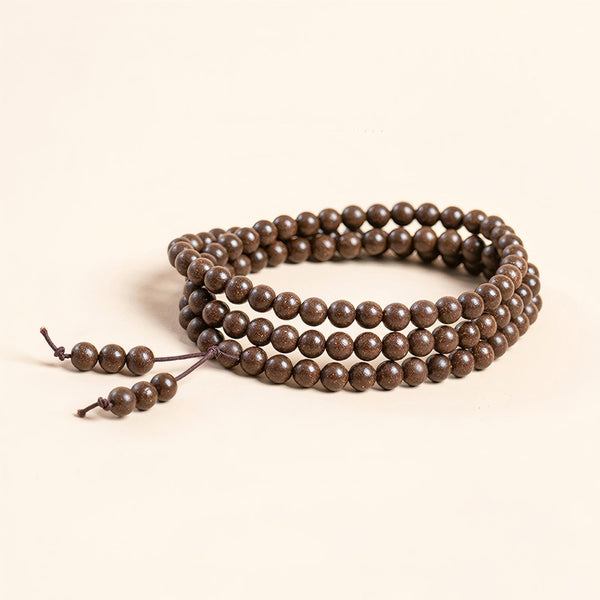
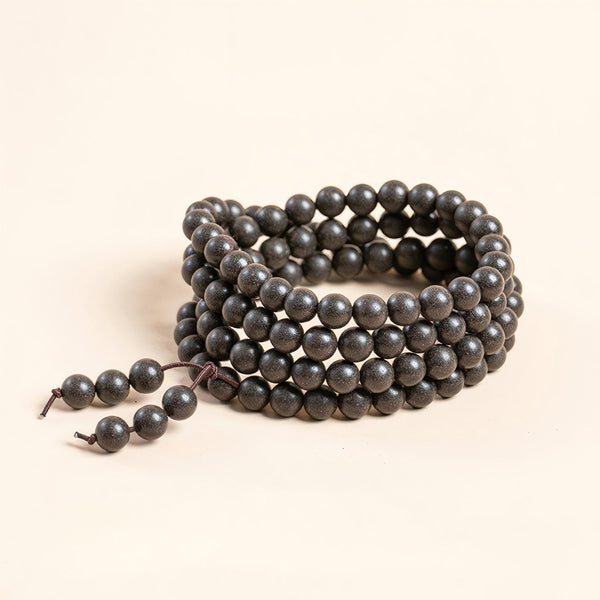
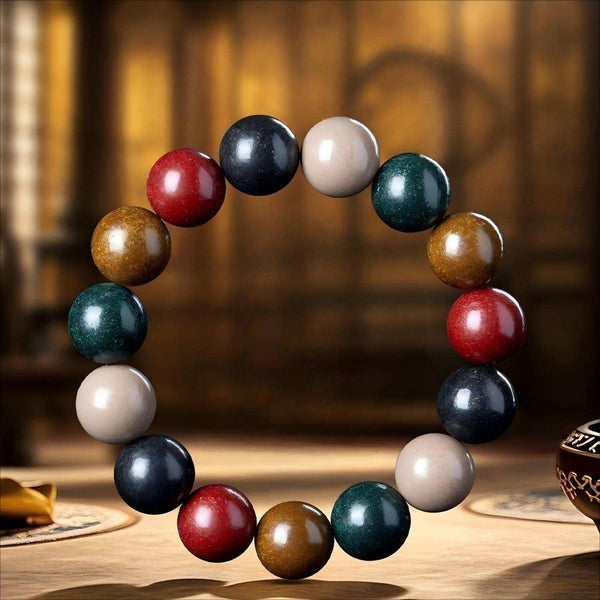
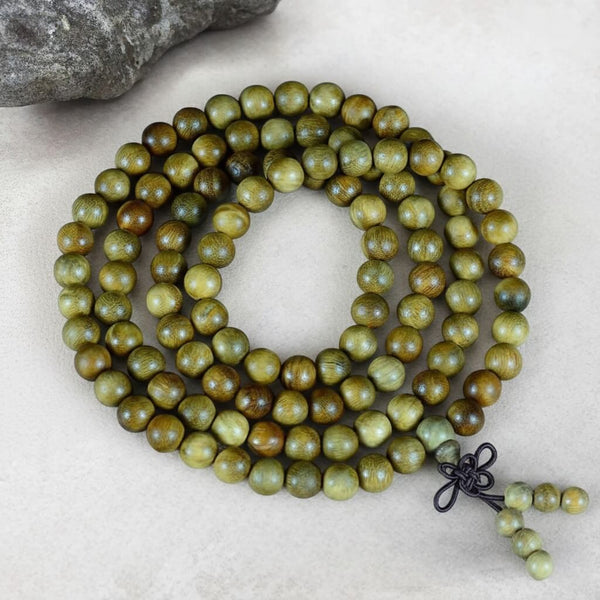
Short answer: Natural bead color and scent vary between batches because the starting material, particle blend, moisture, forming pressure, drying conditions, surface finishing, storage, age, lighting, and individual scent perception are not perfectly identical. Small differences can be normal, but the finished bracelet should still match the product description, remain structurally sound, and arrive without an unfamiliar chemical, burnt, or damp off-odor.
This article answers why natural bead color and scent vary between batches without using the phrase "natural variation" to excuse damage or a materially different product. It applies to herbal incense bead jewelry as a practical buying and care guide; it does not prove an ingredient list, health benefit, spiritual effect, historical origin, or sustainability claim.
For the category definition and the boundary between materials, scent, wear, and care, use Kenlina's Herbal Incense Beads Pillar.
Why Natural Bead Color and Scent Vary Between Batches
| What changes | Possible practical reason | What should remain consistent |
|---|---|---|
| Color tone | Natural pigment, blend, moisture, drying, finish, or lighting | The stated color family and representative product identity |
| Scent strength | Material intensity, age, air exposure, storage, temperature, or perception | The described scent direction without a harsh off-odor |
| Surface texture | Forming, fine particles, smoothing, and handling | A stable, wearable surface without dangerous edges |
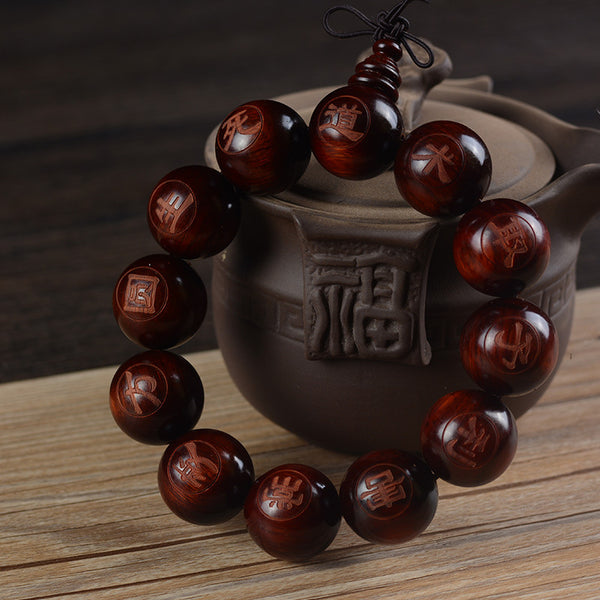
| Bead-to-bead appearance | Hand finishing and sorting | A balanced strand consistent with the ordered format |
The broad making sequence explains why these variables can appear. See how herbal incense beads are made before assuming that every visible difference comes from coloring or perfume.
How Do Starting Materials Affect Color and Scent?
Natural-looking aromatic materials can begin with different pigment depth, dryness, particle size, and scent intensity. Even when a product stays within the same intended style, those starting differences can influence the finished tone and how close or noticeable the aroma feels.
This does not justify guessing the recipe. Kenlina's editorial rule is to name only materials that are verified for the specific product. If an exact formula is not stated on the product page or supported by a current production record, the article should leave it unknown.

How Do Forming, Drying, and Finishing Change Appearance?
Moisture and pressure affect how material compacts during forming. Drying can alter surface tone as moisture leaves. Smoothing or polishing can make one surface reflect more light than another. These changes may make a batch appear slightly warmer, cooler, lighter, deeper, more matte, or smoother.
Normal variation still has limits. A wearable bead should not be dismissed as "natural" when it is cracked, crumbling, sticky, sharply edged, or unstable. The strand should also match the ordered bead count, size, format, and variant when those facts are stated.
Why Can the Same Bracelet Smell Different Over Time?
Scent changes with air exposure, temperature, moisture, storage material, nearby perfume, and ordinary familiarity. A bracelet can seem more noticeable when first opened and softer after time in open air. Another person may notice the same subtle aroma differently.
For the distinct question of duration, use how long herbal incense bead scent lasts. That page owns the scent-longevity query; this page owns batch variation.
How Can You Separate Normal Variation from a Problem?
- Usually compatible with normal variation: small tonal differences, fine surface character, a subtle difference in scent strength, or gradual softening with age.
- Needs closer review: a different product or color family, cracked or crumbling beads, sharp edges, sticky residue, broken stringing, incorrect variant, dye transfer, persistent dampness, or a strong unfamiliar off-odor.
Compare the entire strand under neutral indoor light and allow both items similar time outside packaging. Avoid judging scent immediately after using perfume, candles, scented hand cream, or cooking. If the issue is sudden or structural, photograph it clearly and contact support before applying oil, water, glue, or polish.
How Should Natural Beads Be Stored and Worn?
Keep the beads dry, out of prolonged heat and direct sunlight, and away from perfume, lotion, household cleaners, and strongly scented objects. Put the bracelet on after skin products have dried, and remove it before showering, swimming, washing dishes, or soaking.
Use the Bracelet Care and Materials Guide for the full care path.

How Can Buyers Compare Kenlina Bracelets More Confidently?
Use facts that can be checked: close photographs, bead dimensions and count when stated, selected variant, scent description, care limits, return policy, and the overall match between the received strand and the listing. Symbolic meaning may support a personal choice, but it is not proof of a guaranteed outcome.
The incense bracelet selector helps turn those facts into a buying decision. To compare available product styles, use the Natural Herbal Incense Bracelets collection.
Kenlina Editorial and Evidence Boundary
This guide uses observable product behavior and conservative care principles. Kenlina should update it when verified materials, product photographs, or care instructions change. It does not treat natural variation as proof of quality, and it does not invent ingredients, workshop history, medicinal effects, or environmental credentials.
FAQ
Q1. Why are my natural beads a slightly different color from the photo?
A: Starting material, moisture, drying, finishing, lighting, camera processing, and screen settings can create small differences. The bracelet should still match the stated color family and product identity.
Q2. Does a softer scent mean the beads are defective?
A: Not automatically. Scent can vary by batch and soften with age, air exposure, handling, and storage. A strong unfamiliar off-odor or dampness is a different concern.
Q3. Are cracks or crumbling normal handmade variation?
A: No. Fine visual or surface differences can be normal, but cracks, crumbling, sharp edges, sticky residue, or unstable stringing need review.
Q4. Can I add essential oil when the scent becomes softer?
A: Do not add oil unless the specific product instructions approve it. Oil can change the color, surface, stringing, and original scent character.
Q5. How should I compare two batches?
A: Compare the full strands in similar neutral light, after similar time outside packaging, and away from competing fragrances. Check the product facts before deciding whether a difference is normal.