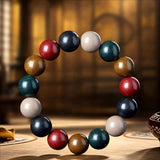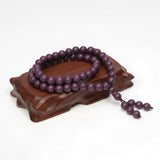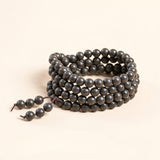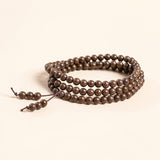
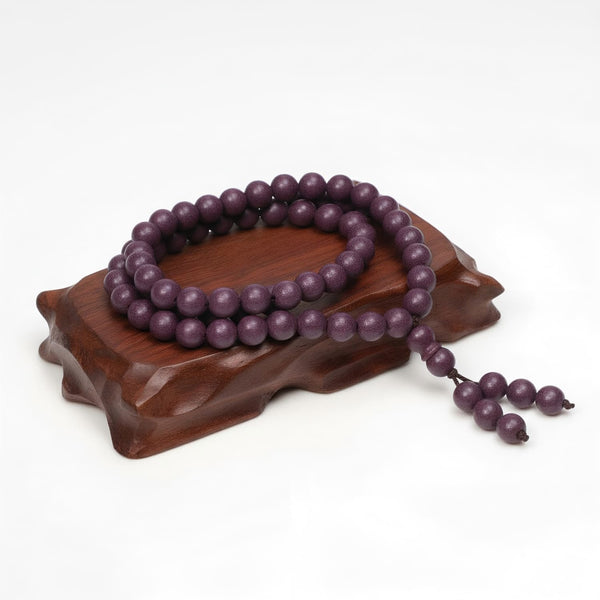

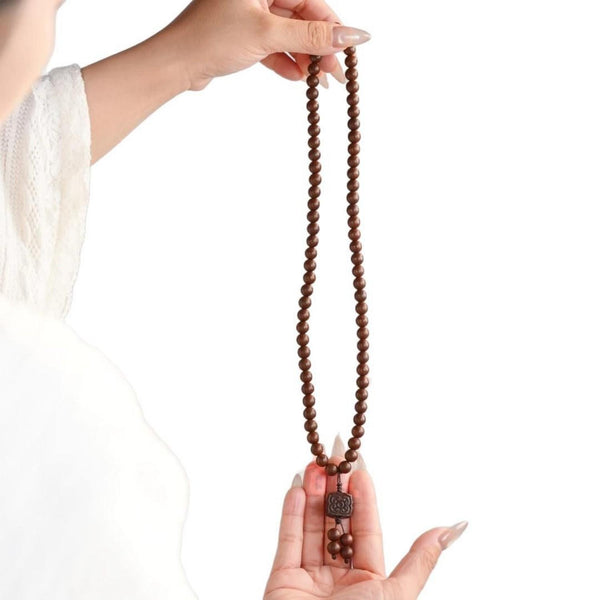

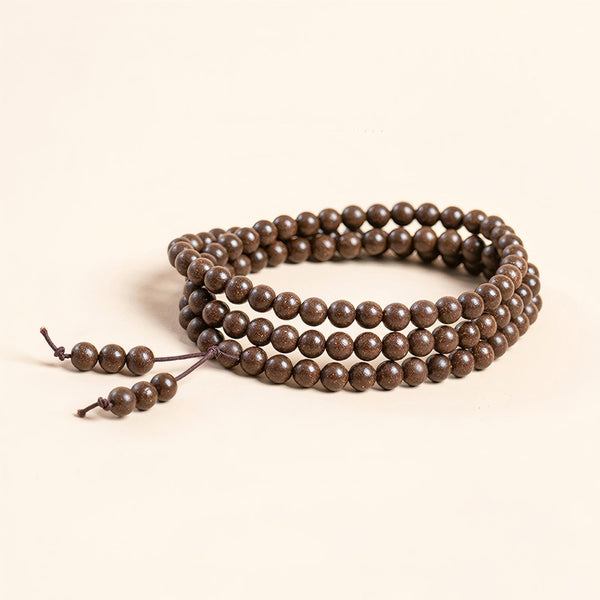
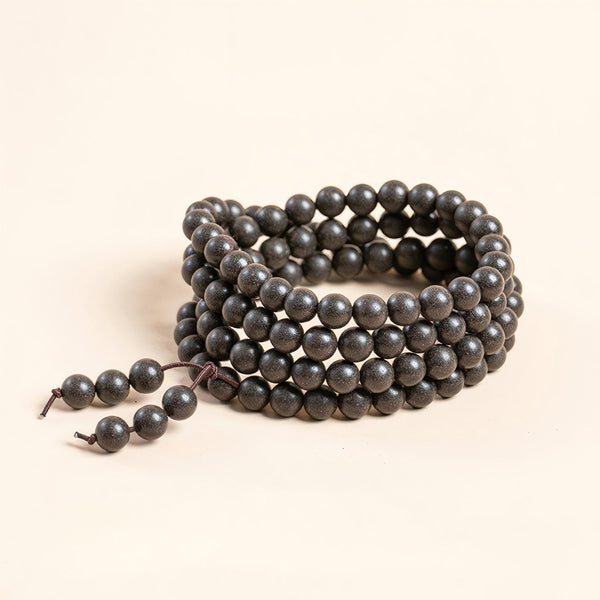
Short answer: These bead bracelet sensory cue ideas are ten simple ways to observe the jewelry itself: color, surface, spacing, temperature, weight, movement, sound, scent description, strand condition, and one chosen visual detail. They are non-clinical observation prompts, not grounding therapy, anxiety treatment, crisis support, or a promise that a bracelet will change how someone feels.
Use only the cues that feel comfortable and appropriate. Stop handling the item if touch, scent, sound, pressure, or repeated movement is unpleasant. For a broader framework for choosing jewelry by fit, care, and recipient preferences, use the Mindful Jewelry Gift Guide.

Bead Bracelet Sensory Cue Ideas
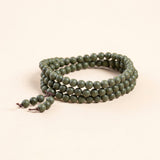
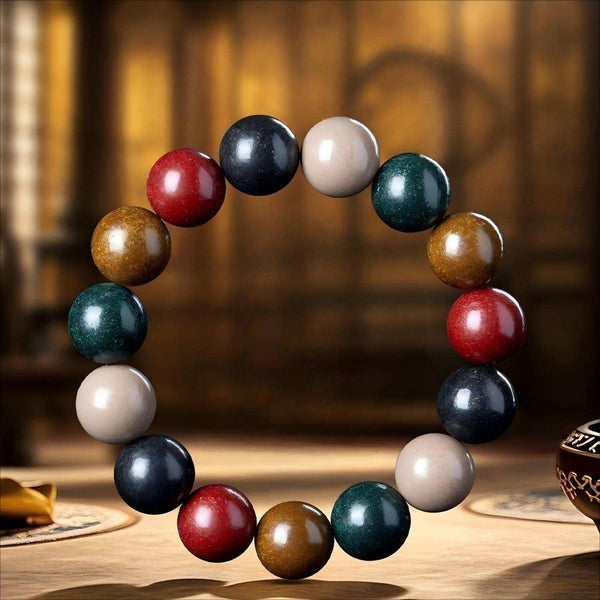
- Identify two colors. Name the most visible base color and one smaller variation. Natural-looking variation is not automatically proof of a particular material or process; use the product listing for those facts.
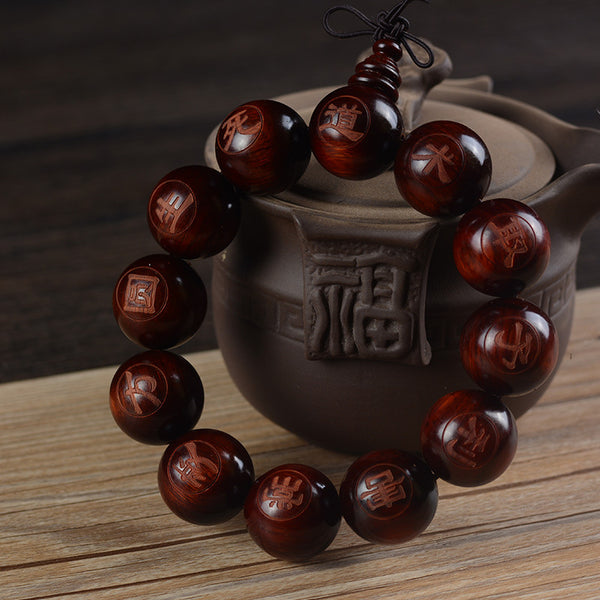
- Compare two surfaces. Notice whether adjacent areas look matte, polished, carved, porous, or smooth. Do not scratch or scrape the bead to test it.
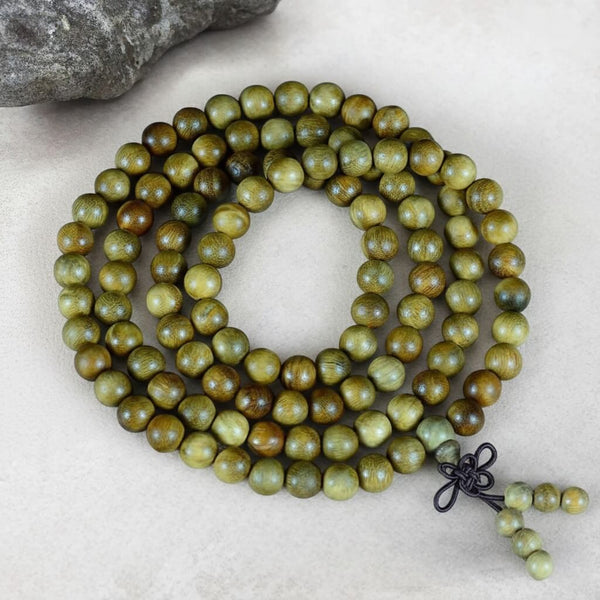
- Count a short section. Visually count five or ten beads without stretching the strand. This is a simple inventory of the object, not a required meditation count.
- Notice spacing. Look at the gaps, knots, spacers, or focal elements that are actually present. Uneven spacing may also signal that the strand should be checked.
- Check contact temperature. If comfortable, notice the initial temperature against the skin and how it changes with wear. Temperature does not identify a material by itself.
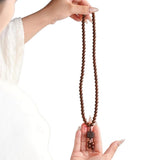
- Estimate the profile. Observe how far the beads project from the wrist and whether they contact sleeves, a desk, or another bracelet.
- Listen for movement. A faint contact sound may occur when beads move. Avoid deliberately striking beads together, which can create wear.
- Read the scent description. If the product is scented, compare the listing's wording with your own perception without treating intensity as quality or effect.
- Inspect the strand. Look for visible fraying, excessive gaps, stretched elastic, or a loose closure before continued wear.
- Choose one factual cue. Select one visible detail, such as a focal bead or color change, as a reminder for a personally chosen action.
These prompts keep the activity anchored to the object. They do not require a diagnosis, psychological interpretation, spiritual claim, or universal symbolism.
If you want to compare observations over time, write only concrete details: a color looked lighter in daylight, a gap appeared wider, or a scent seemed less noticeable after storage. Avoid turning the notes into proof of ingredients, authenticity, emotional change, or quality. Photos taken in similar lighting can help document strand condition, but product facts still come from verified listing information and direct seller evidence.
Separate Observation from Mental Health Claims
The old idea that jewelry-based sensory prompts can "ground anxiety" is too broad for a product article. People experience anxiety and sensory input differently, and a bracelet is not a medical device or a substitute for qualified care. Kenlina does not claim that beads regulate the nervous system, stop panic, improve mood, or return anyone to a particular mental state.
If a cue is personally useful, describe only the modest mechanism: the wearer sees or touches a chosen object and remembers an action. The result depends on the person and situation. For a timed counting activity rather than a sensory list, use the 2-minute bead counting routine at work.

Use Sensory Cues Without Damaging Natural Beads
Observation should be gentle. Do not soak, scrape, heat, squeeze, pull, or repeatedly roll natural beads to make the cue more noticeable. Keep the bracelet away from water, cosmetics, household cleaners, and direct heat unless the exact product instructions explicitly allow exposure.
Use clean, dry hands and support the strand instead of suspending it by one section. When comparing two bracelets, place them on a clean cloth rather than knocking beads together. If a cord looks stretched or a closure feels loose, stop the activity and keep the item unworn until it can be assessed.
Fit matters. Pressure, pinching, restricted movement, or persistent skin discomfort are reasons to remove the item. Inspect the cord or closure and store the bracelet dry when not in use. The Bracelet Care and Materials Guide provides the practical care framework.
Choose a Product by Facts, Not a Sensory Promise
Compare wrist fit, bead diameter, total profile, current material description, scent wording, cord construction, and care requirements. Do not choose a product because a page implies that a color, smell, wood, or herbal blend will produce emotional balance or spiritual protection.
Use How to Choose an Incense Bracelet before opening the Natural Herbal Incense Bracelets collection. The Green Sandalwood bracelet is one accurately linked commercial example; its product page remains the authority for current facts.
If your main goal is to mark the beginning and end of work, the workday bracelet transition routine is the more precise sibling page.
Frequently Asked Questions
Q1: Are these grounding techniques for anxiety?
A: No. They are non-clinical prompts for observing a piece of jewelry. Kenlina does not present them as anxiety treatment, grounding therapy, or crisis support.
Q2: Does a stronger scent make a better sensory cue?
A: Not necessarily. Scent intensity varies by product, environment, storage, wear, and individual perception. Stronger scent does not prove quality or benefit.
Q3: Can I rub or scrape a bead to feel its texture?
A: Gentle touch is enough. Scraping, repeated friction, or impact may damage a surface and should not be used as a test.
Q4: What if the bracelet feels uncomfortable?
A: Remove it. A sensory prompt should not require pressure, irritation, unwanted fragrance, or continued discomfort.
Q5: Can color or temperature identify the bead material?
A: No single visual or tactile feature proves material identity. Use verified product information and ask the seller when a listing is unclear.