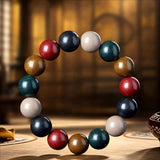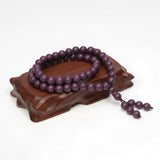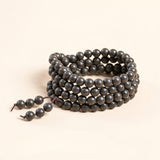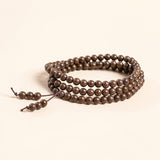


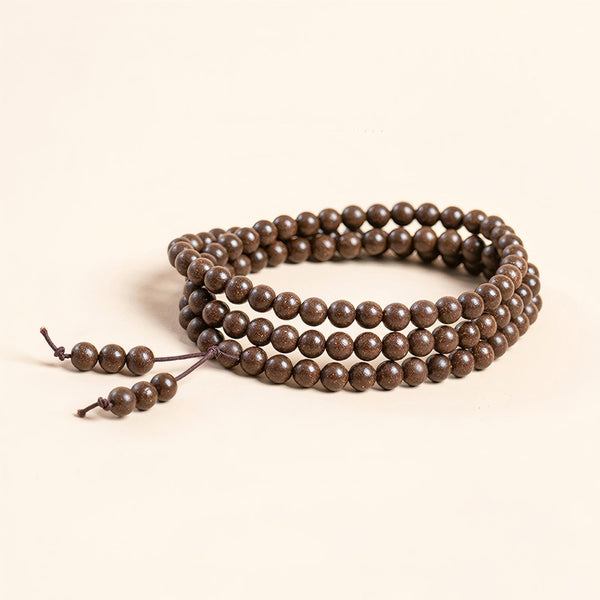
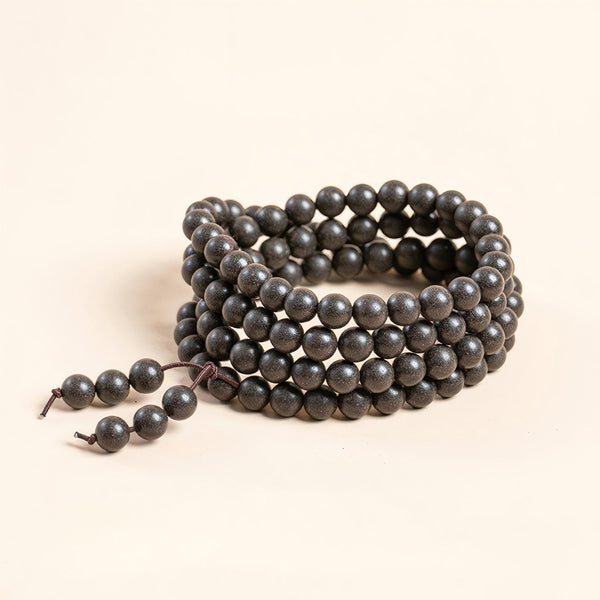
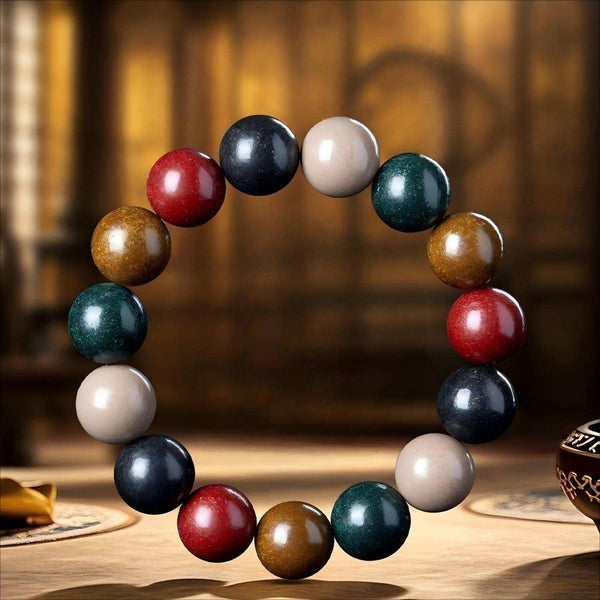
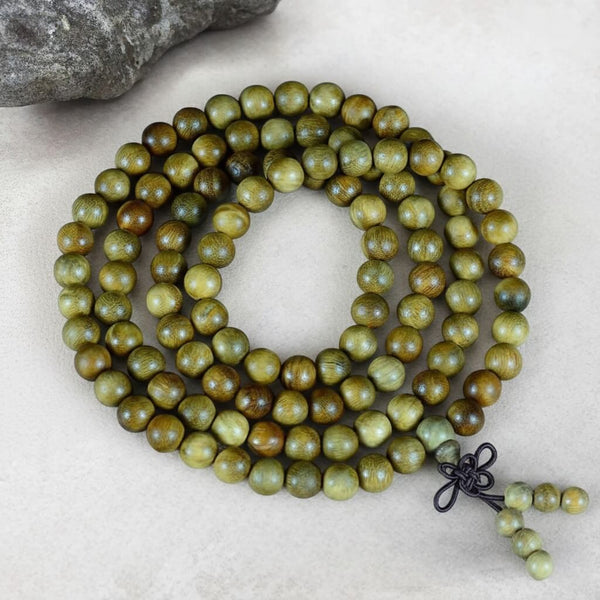
Short answer: To understand how to evaluate bracelet wellness claims, separate four layers: verified product facts, the wearer's personal symbolism, subjective sensory experience, and claimed health or emotional outcomes. The first three can be described carefully. Claims that a bracelet treats anxiety, depression, pain, sleep, stress, energy imbalance, or another condition require evidence that ordinary jewelry listings usually do not provide.
Kenlina's standard is to sell jewelry through accurate fit, material wording, design, scent expectations, care, and craft evidence rather than promised outcomes. Use How to Choose an Incense Bracelet for the product-selection framework.

How to Evaluate Bracelet Wellness Claims
1. Identify the Exact Claim
"Natural beads" describes a product category only when the material statement is accurate. "This bracelet cures anxiety" asserts a health outcome. "I use this bracelet as a reminder" describes personal use. Rewrite vague language into one specific sentence so the evidence requirement becomes clear.
2. Ask What Evidence Supports It
Product images, dimensions, order records, maker documentation, and care instructions may support physical facts. They do not by themselves support medical, psychological, spiritual, environmental, or historical outcomes. Testimonials describe individual experience and should not be converted into a universal guarantee.
3. Separate Scent from Treatment
A listing can describe scent character and note that perception varies. Scent strength does not establish purity, quality, health benefit, sleep support, focus, mood change, or nervous-system regulation. Fragrance can also be unwelcome or unsuitable in shared spaces.
4. Separate Personal Meaning from Product Function
A wearer may associate a bracelet with a person, belief, promise, milestone, prayer, or daily routine. Present that as personal meaning. Do not state that a color, material, symbol, number, or bead automatically gives every wearer protection, luck, balance, confidence, or spiritual progress.
5. Check Whether the Claim Changes the Buying Decision
If a buyer would purchase only because the bracelet allegedly treats a condition or guarantees an outcome, the claim is material and needs serious scrutiny. Return to measurable facts: wrist fit, bead profile, construction, current materials wording, scent description, price, inventory, return terms, and care.

Use a Four-Layer Description
- Verified product fact: measured size, visible design, documented material wording, construction, options, price, care, and current inventory.
- Personal symbolism: what the wearer or giver chooses to associate with the piece.
- Subjective sensory experience: an individual's perception of scent, texture, weight, color, and movement.
- Outcome claim: a statement that the bracelet changes health, emotion, energy, luck, protection, sleep, focus, or performance.
Labeling the layer prevents a personal story from being presented as evidence. It also allows meaningful jewelry language to remain honest: a bracelet can matter to someone without being marketed as treatment.
Watch for Common Claim Red Flags
- One product is said to help many unrelated conditions without specific evidence.
- Words such as ancient, natural, energy, frequency, detox, healing, or scientific replace a clear explanation.
- A personal testimonial is presented as proof that everyone will get the same result.
- Normal variation in scent or appearance is described as evidence of potency.
- The listing creates urgency by implying that the buyer is unsafe, unbalanced, or incomplete without the item.
- Environmental, ethical, historical, or cultural claims appear without a traceable source.
A red flag does not prove every product fact is false. It signals that the claim should be narrowed and verified before it influences the purchase.
Rewrite Claims into Verifiable Language
Replace "relieves anxiety" with the factual design, fit, scent, and care description. Replace "protective energy" with the documented symbol and a statement that interpretation varies. Replace "ancient healing formula" with the maker's verified current process and sourced historical context, kept as separate evidence layers. Replace "eco-friendly" with the exact material, packaging, or sourcing fact that can be substantiated.
When no evidence supports the outcome, removing the claim is more accurate than adding a disclaimer beneath it. A disclaimer cannot make an unsupported promise true.
Review Gift and Gender Language
The bracelet gift presentation checklist replaces "calming gift" language with fit, product facts, care, storage, exchange information, and a personal note. The men's bead bracelet fit guide replaces "strength in stillness" with physical fit and daily-wear evidence.
The broader Mindful Jewelry Gift Guide keeps meaning recipient-led. None of these pages should diagnose a person or imply that jewelry is a substitute for qualified care.
Verify the Product and Care Pages
Browse the Natural Herbal Incense Bracelets collection, then open the exact listing. The Ancient Herbal Incense Beads page is one accurately linked commercial example.
Use the Bracelet Care and Materials Guide to compare practical use. If a sales statement goes beyond the available evidence, narrow or remove the statement rather than inventing support.
Frequently Asked Questions
Q1: Can a bracelet be meaningful without a wellness claim?
A: Yes. Meaning can come from design, gift context, memory, personal symbolism, craft, or a chosen routine without promising a health outcome.
Q2: Are customer testimonials proof?
A: They describe individual reports, not universal results. They should not be rewritten as evidence that a bracelet treats a condition.
Q3: Is "natural" proof that a product is safe or sustainable?
A: No. Material, safety, sourcing, and environmental claims are separate questions and need specific evidence.
Q4: Can scent be described?
A: Yes, with accurate product wording and a note that perception and intensity vary. Do not turn scent description into a treatment claim.
Q5: What should a buyer verify first?
A: Check fit, dimensions, materials wording, construction, scent description, care, price, inventory, and return information on the exact listing.