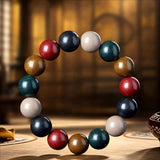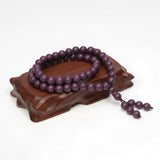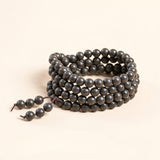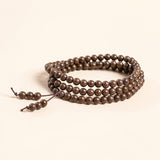

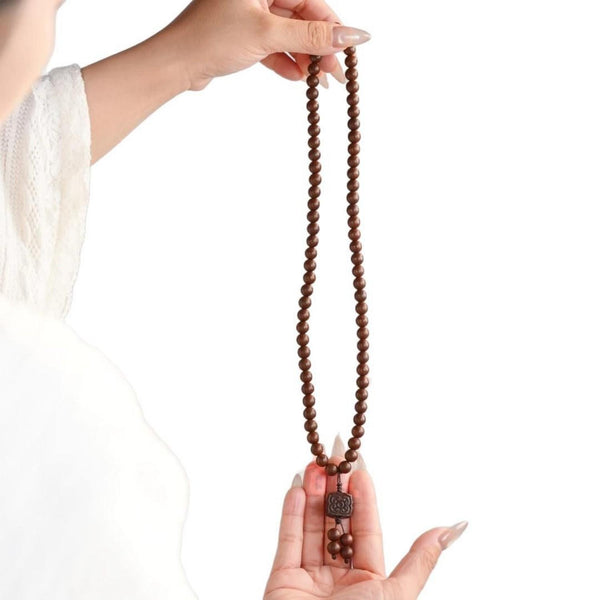

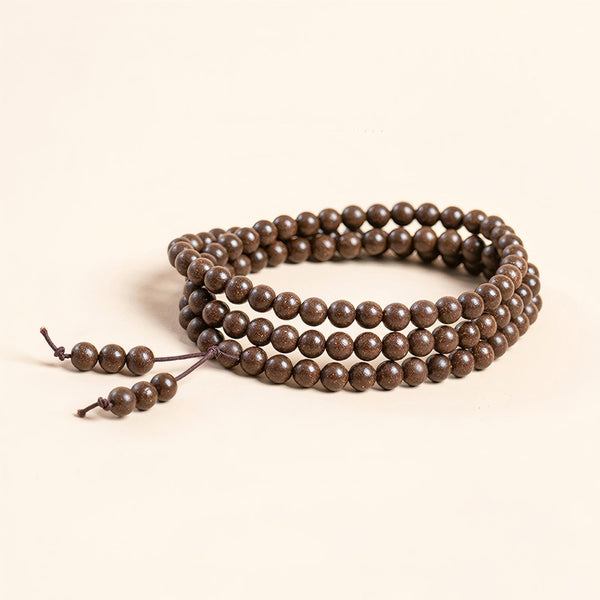
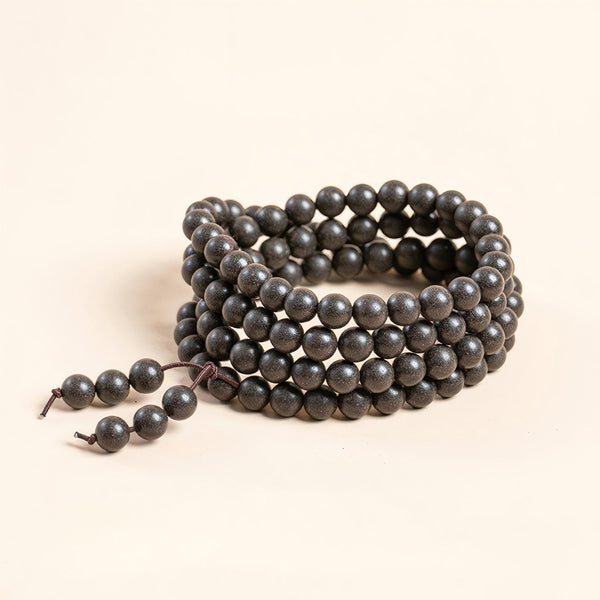
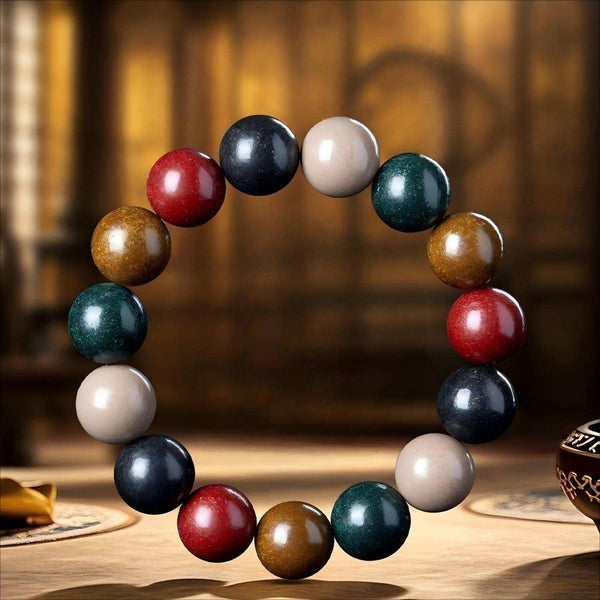
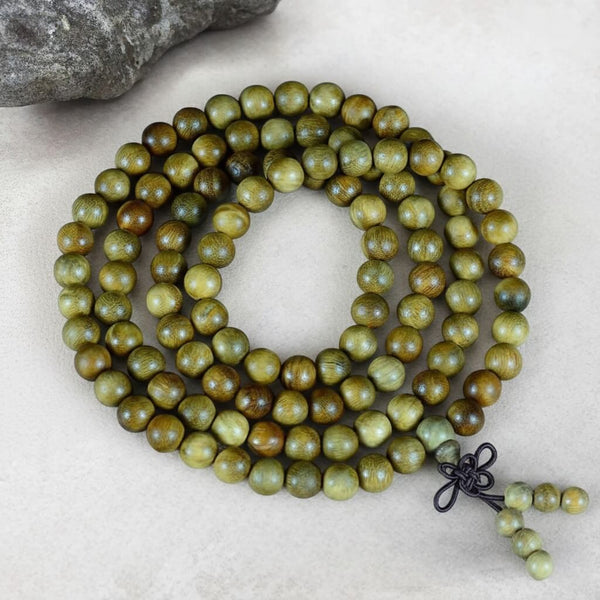
Short answer: A workday bracelet transition routine assigns one small action to three moments: put on or notice the bracelet when work begins, touch or look at one bead before changing task blocks, and remove or store the bracelet when work ends. The jewelry marks a boundary chosen by the wearer; it does not reduce stress, improve performance, or switch emotions on command.
This article owns the start-pause-close routine, not a general list of wellness habits. For the wider role of meaningful jewelry in daily life and gifts, visit the Mindful Jewelry Gift Guide. For product selection, use How to Choose an Incense Bracelet.

Workday Bracelet Transition Routine
Step 1: Mark the Start of Work
Choose one observable start event: opening the laptop, sitting at a desk, entering a studio, or reviewing the day's first task. Put on the bracelet only if the fit and setting are appropriate, or simply place it in a visible, dry location. Then state one practical intention such as, "I will finish the order review before opening messages."
The statement should describe an action you control. Avoid assigning the bracelet a promise such as confidence, protection, luck, calm, or productivity. Meaning can be personal without turning a physical product into a guaranteed cause.
Step 2: Use One Midday Transition Cue
Pick one common change in the workday: meeting to desk work, packing to administration, or lunch back to the next task. Look at or touch one bead, check the time, and name the next task block. This takes a few seconds and should not interrupt other people or conflict with workplace rules.
If you want a defined timed sequence instead, use the 2-minute bead counting routine at work. That sibling page owns the timed count; this page owns the broader daily transition structure.
Step 3: Close the Workday Physically
At the end of work, write down the next unfinished action, close the equipment you can close, and remove or store the bracelet if that is part of the routine. A consistent storage place makes the boundary visible and protects the item from sinks, cosmetics, direct heat, and crowded desk surfaces.
The routine does not require pretending every task is complete. Its purpose is to record where to restart and give the work objects, including the bracelet, a clear place outside working hours.
For hybrid or shared spaces, define different physical locations for working and non-working time. During a home work block, the bracelet might sit beside the keyboard; after closing, it can return to a pouch or dry drawer. In an office, the cue may be noticing the bracelet before leaving the desk rather than removing it publicly. The exact action can change by setting while the start-pause-close structure stays the same.
Protect the Bracelet During Desk Work
Desk edges, keyboards, metal watchbands, sleeves, cleaners, and repeated stretching can affect a bracelet. Check whether the beads strike the surface during typing. If they do, move the bracelet higher, use the non-dominant wrist if comfortable, place it nearby, or remove it. Jewelry should never be worn around machinery or in settings where workplace rules prohibit it.
Keep natural beads away from soaking, hand sanitizer residue, perfume, lotions, and wet cleaning cloths unless the exact product instructions say otherwise. Review the Bracelet Care and Materials Guide for material and strand boundaries.

Choose a Bracelet for the Routine, Not a Promised Outcome
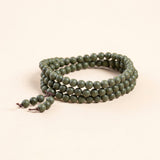
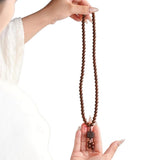
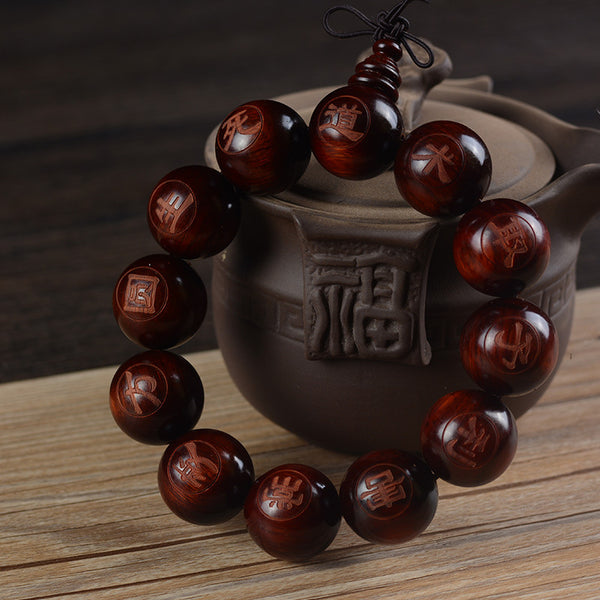
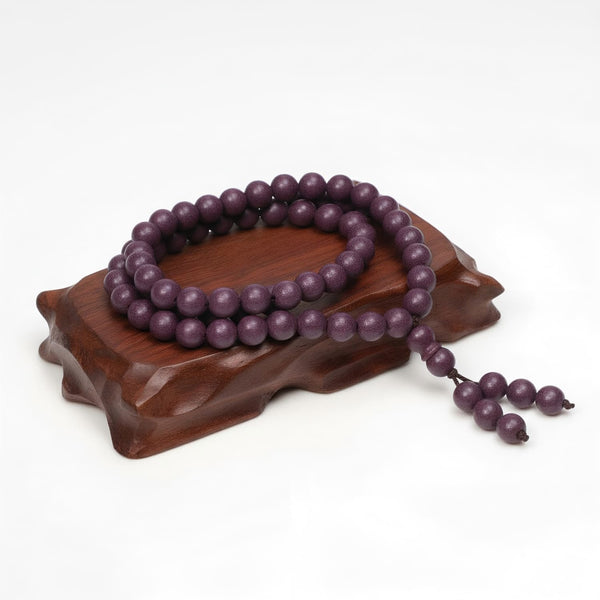
Start with circumference, bead diameter, total profile, closure or cord construction, weight, scent description, and care needs. If fragrance is unwelcome or restricted at work, choose an unscented item or do not use scented jewelry in that setting. Natural scent varies and is not proof of emotional or cognitive benefit.
The Natural Herbal Incense Bracelets collection lets shoppers compare current options. The Ancient Herbal Incense Beads product page is one commercial example, not a claim that the product creates a workday result.
Keep the Routine Small Enough to Repeat
Use the same three transition points for one week before adding anything. If one cue is consistently missed, attach it to a clearer physical event or remove it. The jewelry should support recognition of a boundary, not become another task to perform perfectly.
Review the routine by asking three factual questions: Did the cue occur at the intended transition? Was the jewelry safe and comfortable in that setting? Did the storage step protect it from water and friction? These answers are more useful than rating whether the bracelet created a feeling.
For a different jewelry-specific activity, the bead bracelet sensory cue ideas focus on observing color, surface, spacing, and temperature rather than structuring the workday.
Frequently Asked Questions
Q1: Does a workday bracelet routine reduce stress?
A: Kenlina does not make that claim. The routine gives a chosen object a start, pause, and closing role; emotional and health outcomes are not guaranteed.
Q2: Do I have to wear the bracelet all day?
A: No. It can remain in a visible, dry place. Remove it whenever fit, water, friction, equipment, hygiene, or workplace rules make wearing unsuitable.
Q3: What if I work from home?
A: Use the same structure around opening the workspace, changing task blocks, and putting work materials away. The physical boundary can be especially clear when rooms serve multiple purposes.
Q4: Can I use any bracelet?
A: Yes, if it is safe and comfortable for the setting. Check the actual item's fit, materials, strand condition, scent, and care requirements.
Q5: How long should I test the routine?
A: A week is enough to see whether the three cues are memorable and practical. Keep, simplify, or change the routine based on use, not on a promised result.