He Xiang: The Chinese Tradition of Blended Incense
He xiang (合香) means blended incense: several aromatic materials brought together as one scent. The relationship between those materials is the starting point. Rather than naming one particular note, the term gives us a way to think about fragrance as a composition, with room for different blends and forms.
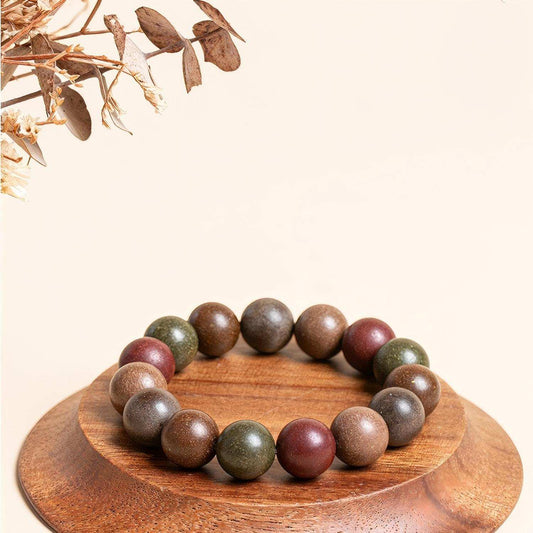
Herbal incense beads bring that cultural reference into something you can wear. Their scent stays close to the skin, noticed up close, with no flame and no smoke. A strand on the wrist and incense used for burning offer different encounters with scent. Understanding that difference is part of understanding the name.
A history recorded in books
One early written reference is Hexiang fang, associated with Fan Ye in the Six Dynasties period. Linda Rui Feng's 2024 study, Foreign aromatics, olfactory culture, and scent connoisseurship in late medieval China, notes that the work survives only in a short excerpt. Its title records an interest in combining aromatics; the complete book is lost. [1]
Feng also notes that more complete incense treatises survive from the Song dynasty. The Xiang pu, or incense manual, is part of that written history. These records offer a context for blended scent, rather than a single starting date or one method shared by all incense. [2]
Reading this history means spending time with particular books. A surviving passage offers a different kind of encounter from a title known through a later reference. Each gives us something to read, while leaving other parts of the story open.
Reading a scent name
A scent name can be your first point of contact with a blend. On a modern product, it also gives you a way to recognize an option and return to it later. A description of the scent answers a different question: what you might notice when you bring it close.
Keep those two things in view as you explore. A name that refers to a flower is a name to remember; it is not, by itself, a description of everything in the bead. Likewise, a reference to an older text invites you to read that text in its own setting.
Hua Rui and Lady of the Flower Core are names used in Kenlina's current range. They belong to the product naming you encounter today. If you are curious about a historical association, look for the named work and the particular passage behind it. That gives the story a place to begin without asking the name to explain the whole scent.
Incense to wear and incense to burn
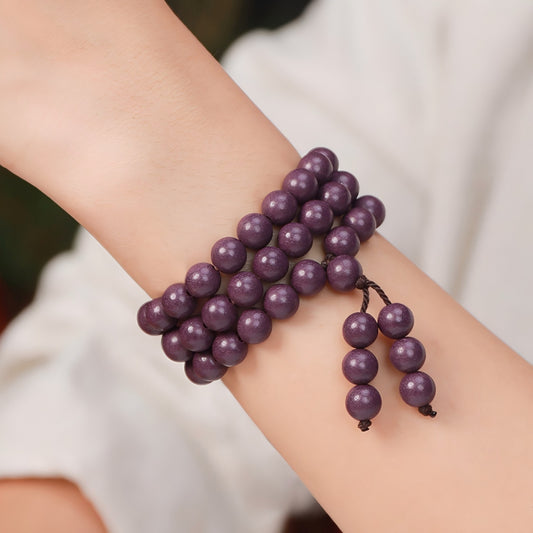
With wearable incense beads, you bring the scent close to you. You can notice it at the wrist, then return to what you were doing. You do not need to light the beads. There is no smoke to follow through a room, and the fragrance is personal in scale.
Incense intended for burning has a different use: you encounter the fragrance while burning it, rather than wearing the object as a strand. The distinction matters when reading about he xiang. The broad term tells you about blended incense; the particular form tells you how you encounter it.
A bracelet, a necklace and a 108-bead mala also have different ways of being worn or held. A bracelet sits at the wrist. A necklace gives you another way to wear a strand. With a 108-bead mala, you can move from bead to bead for counting, taking a section or the whole strand at your own pace.
A place in the day
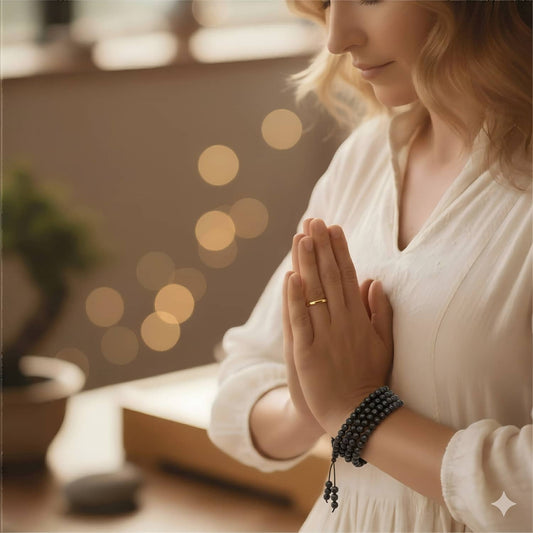
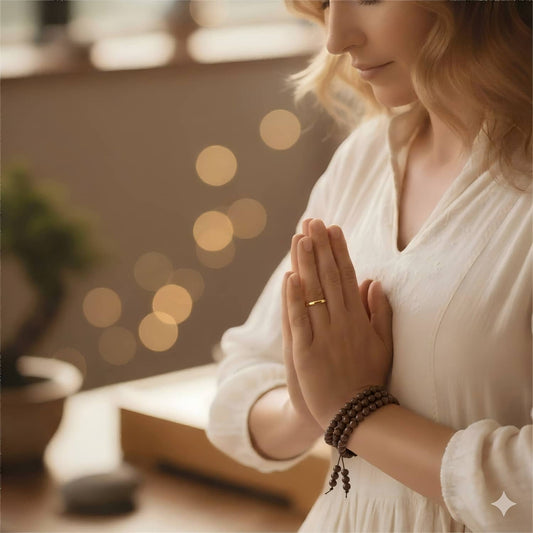
You might wear a bracelet while reading, keep a strand beside your tea, or hold beads during seated meditation. These are ways to make room for an object in your day. You choose the setting and the pace.
Scent may soften over time and vary with storage. That is part of the experience to keep in mind as you return to a piece. The name stays familiar even when what you notice up close changes.
Continue with the Herbal Incense Beads Guide, or explore the four themes in our Guide Library.
Sources
- Fan Ye, Six Dynasties period, Hexiang fang (work lost except for a short excerpt), as discussed by Linda Rui Feng in Foreign aromatics, olfactory culture, and scent connoisseurship in late medieval China, Journal of the Royal Asiatic Society 34(2), 2024, pp. 435–453.
-
Xiang pu, Song-dynasty incense manual; historical context discussed in Feng's study above. The historical text and modern wearable beads are separate forms of evidence.