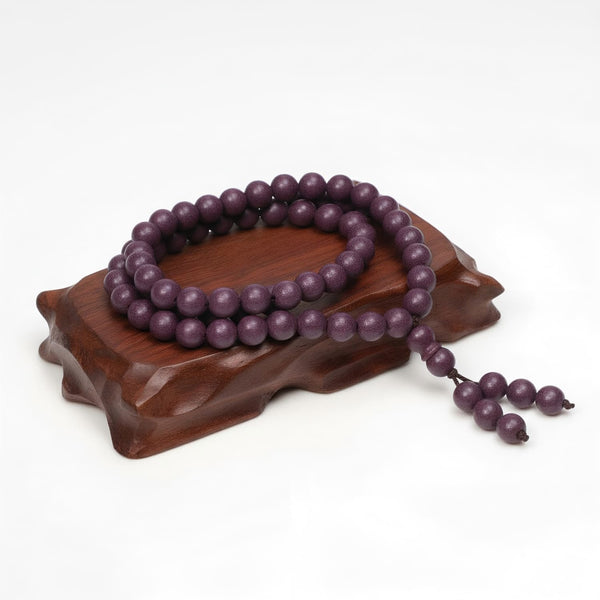

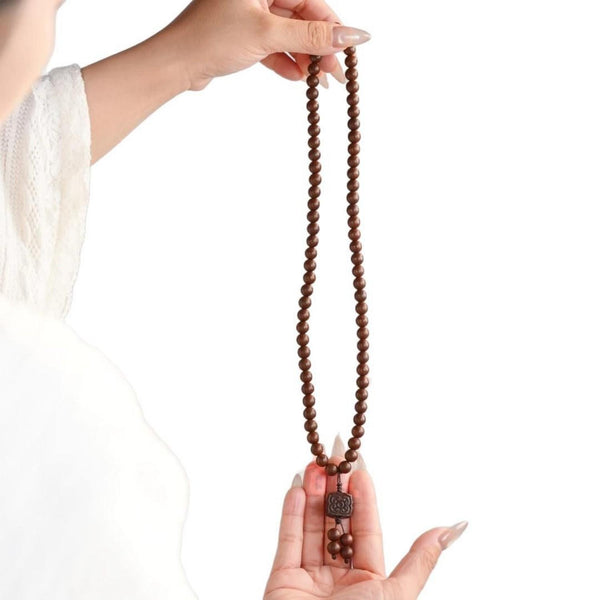

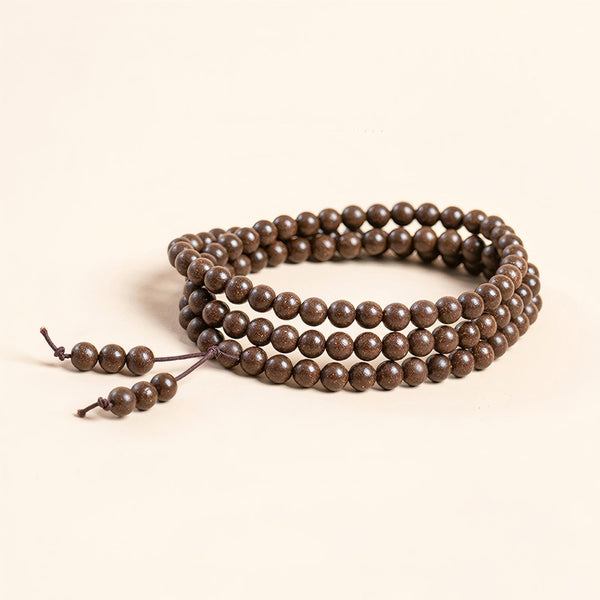
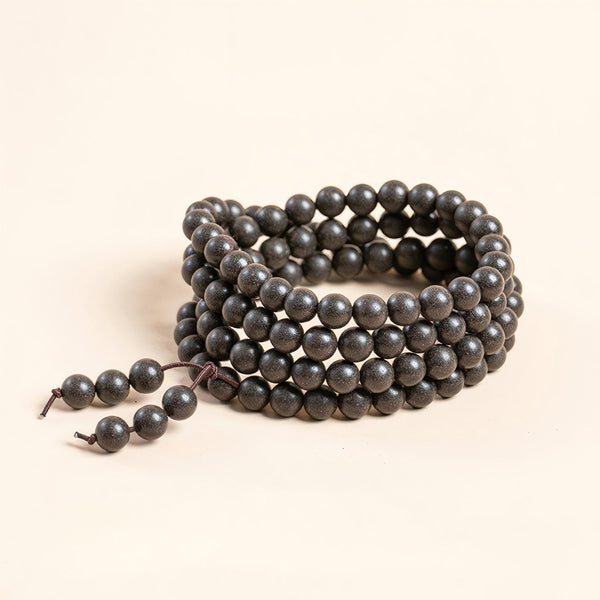
Short answer: A bracelet breathing reminder is a bracelet you deliberately use as a cue for a short breathing pause. Touch one bead, take one comfortable breath, move to the next bead, and repeat for three beads. The bracelet does not create calm, treat anxiety, change body energy, or replace professional support; it only makes a chosen routine easier to remember.
This method is designed for ordinary transitions: before opening email, after finishing a task, while waiting, or when moving from work to home. If deliberate breathing feels uncomfortable or is not appropriate for you, stop and use another simple cue.
Within Kenlina's P5 structure, the Mindful Jewelry Gift Guide is the broader Pillar. This child guide answers only how to use a bracelet as a three-breath reminder.

Bracelet Breathing Reminder
- Touch the first bead and notice its shape without trying to produce a feeling.
- Take one comfortable, unforced breath.
- Move to the next bead and repeat until you have used three beads.
- Choose the next practical action, then continue with your day.
The practice can take less than a minute. A longer count is optional, not automatically better. The useful part is the clear connection between a familiar object and an action small enough to repeat.
Why Use a Bracelet Instead of a Phone Reminder?
A bracelet is available through touch and does not require opening another screen. That can make it convenient during a meeting, commute, or quiet transition. A phone reminder may still be better when timing matters or jewelry is not allowed.
The bracelet is not inherently more mindful than a timer, note, or cup. Choose the cue you notice reliably and can use without disrupting work, safety, or other people.
When Can You Use the Three-Breath Cue?
Attach the cue to moments that already happen: before the first email, after closing a task, before answering a non-urgent message, while waiting for a call, or after arriving home. Existing transitions are easier to recognize than a new schedule you may forget.
For a broader set of workday cues, read the sibling guide to bracelet habits for stressful workdays. That page covers task changes, movement, next-step notes, and end-of-work handoffs.
How Should the Bracelet Fit?
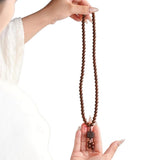
The piece should be comfortable enough to wear and easy enough to touch without pinching or excessive movement. Bead diameter, strand length, spacing, weight, and wrist measurement all affect the experience. A loose bracelet may move more; a close fit may feel restrictive if sizing is wrong.
Use the incense bracelet selector to compare verified fit, material, scent, and care facts before choosing a frequent-use piece.
Does Bead Material Change the Practice?
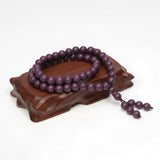
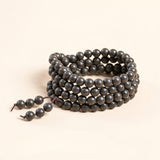
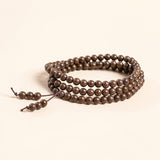
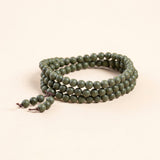
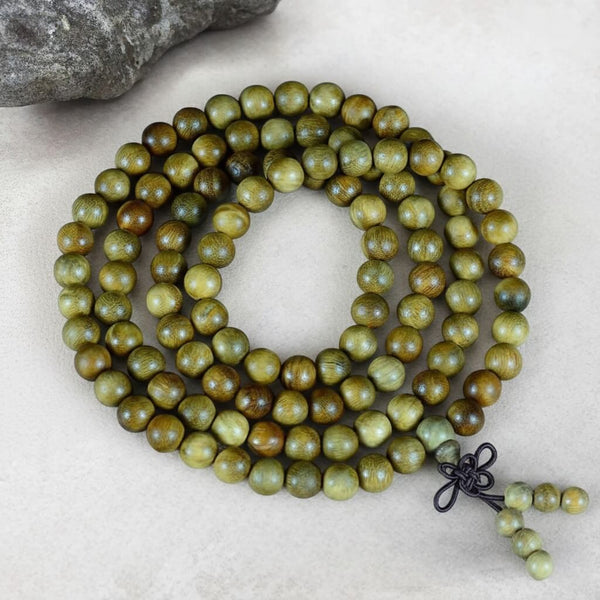
The method does not require a particular material. Wood, herbal incense beads, glass, stone, or another comfortable bead can all provide a tactile marker. Materials differ in surface, weight, scent wording, care, and appearance; they do not guarantee different emotional or spiritual results.
If a product has a noticeable scent, decide whether that is welcome in the places where the bracelet will be used. Do not add perfume or essential oil unless the current product instructions explicitly allow it.

How Do You Care for a Frequently Handled Bracelet?
Frequent touching can increase contact with sweat, skin products, desk surfaces, and friction. Keep the strand dry, avoid spraying fragrance directly onto it, and store it only after it is clean and dry according to the current product guidance.
The Bracelet Care and Materials Guide covers the shared care rules and the differences that remain material-specific.
How Is a Personal Reminder Different from a Product Claim?
A wearer may decide that touching a bracelet reminds them to breathe. That is a personal use choice. It is different from saying the bracelet itself relieves stress, treats anxiety, improves concentration, protects the wearer, changes luck, or produces a spiritual result.
The sibling article on meaningful bracelets versus ordinary jewelry explains how an object can matter without being credited with an unverified mechanism.
Can a Symbolic Bracelet Be Used?
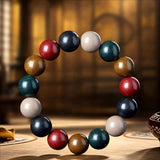
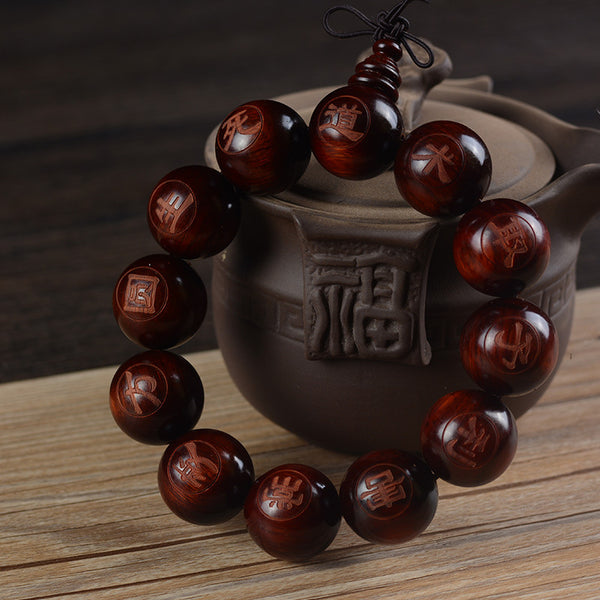
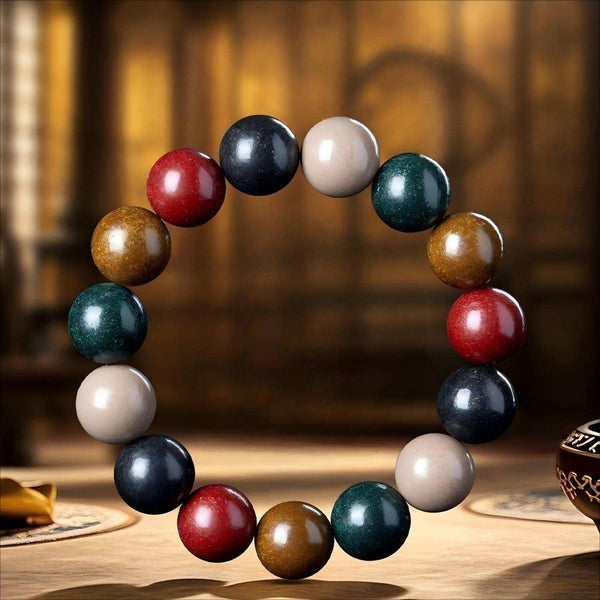
Yes, if the wearer likes the design and treats symbolism as personal or cultural context rather than a guaranteed outcome. A current example is the Five Elements Herbal Incense Bracelet. Check the live listing for exact variants, materials, price, and care; this article does not extend its symbolism into health, luck, or protection claims.
Try the Reminder Without Adding Pressure
Use three beads at one predictable transition for several days. If you remember it and it fits naturally, keep it. If you forget, feel uncomfortable, or find it distracting, shorten the practice or choose another cue. The routine should serve the day, not become another standard to perform.
To compare current wearable options, visit the Natural Herbal Incense Bracelets collection. Choose a piece because its verified design and care suit the wearer, not because it promises a result.
FAQ
Q1. What is a bracelet breathing reminder?
A: It is a bracelet deliberately used as a tactile cue for a short breathing pause. The object reminds; it does not cause the outcome.
Q2. How many breaths should I take?
A: Three comfortable breaths are enough for this method. Stop sooner if deliberate breathing feels uncomfortable.
Q3. Do I need a special bead material?
A: No. Use any comfortable, appropriate bracelet and compare materials by fit, surface, scent expectations, and care rather than promised effects.
Q4. Can the bracelet treat stress or anxiety?
A: No. A bracelet is not treatment and cannot guarantee stress or anxiety relief. Seek qualified support when needed.
Q5. Can I use the reminder at work?
A: Yes, when jewelry is permitted and the cue does not interfere with safety, equipment, comfort, or other people.